The flower garden
A cut-flower patch in four square metres
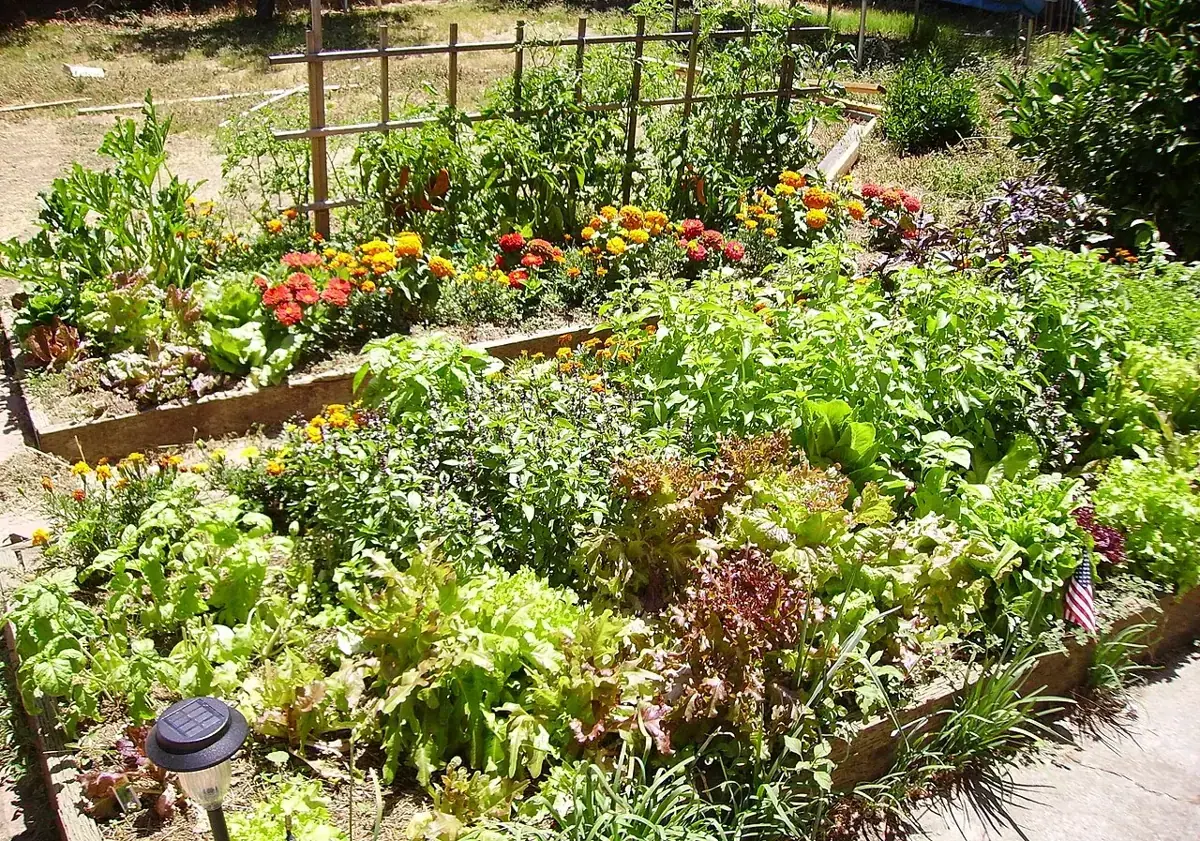
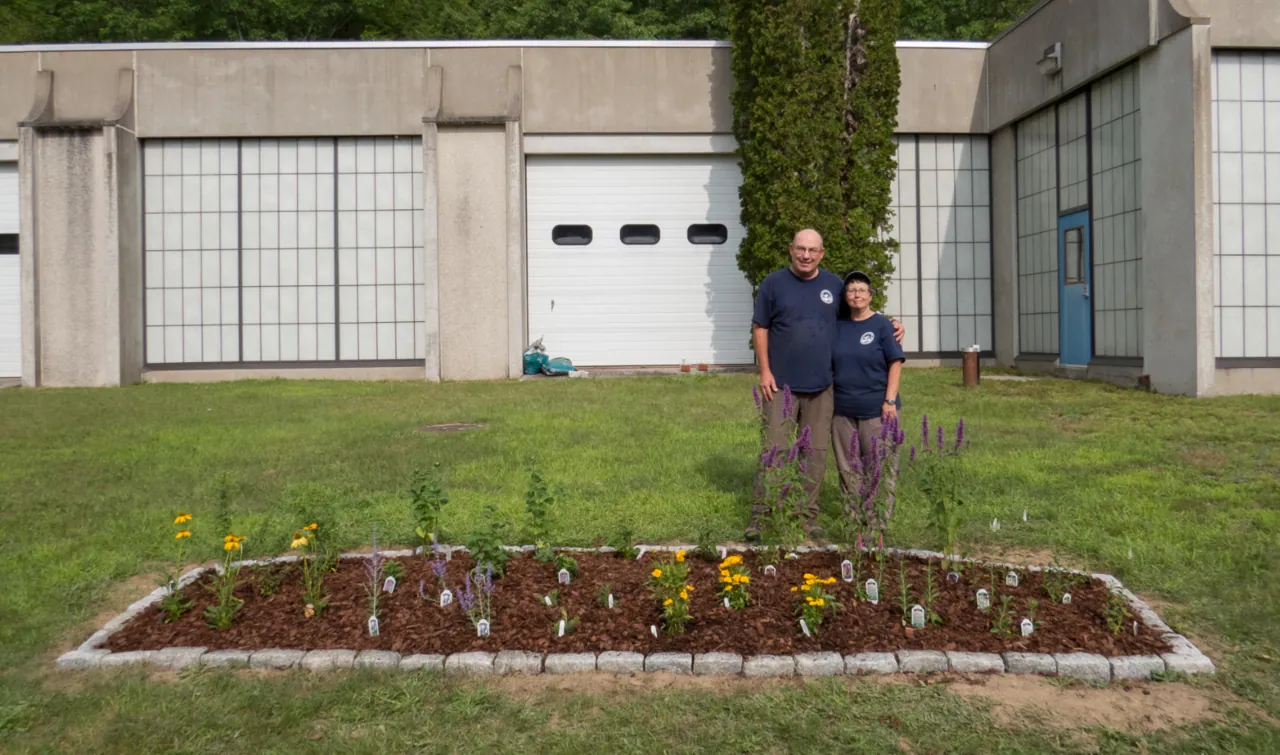
A small cutting patch works best when every plant has a job: a few generous stems, an accessible path, and a succession that survives regular picking.
2 min read
A little dirt.
A little patience.
200 STORIES TO GET LOST IN
Pull out a story, find a useful idea, and save a little something for later.
The flower garden
A small cutting patch works best when every plant has a job: a few generous stems, an accessible path, and a succession that survives regular picking.
The flower garden
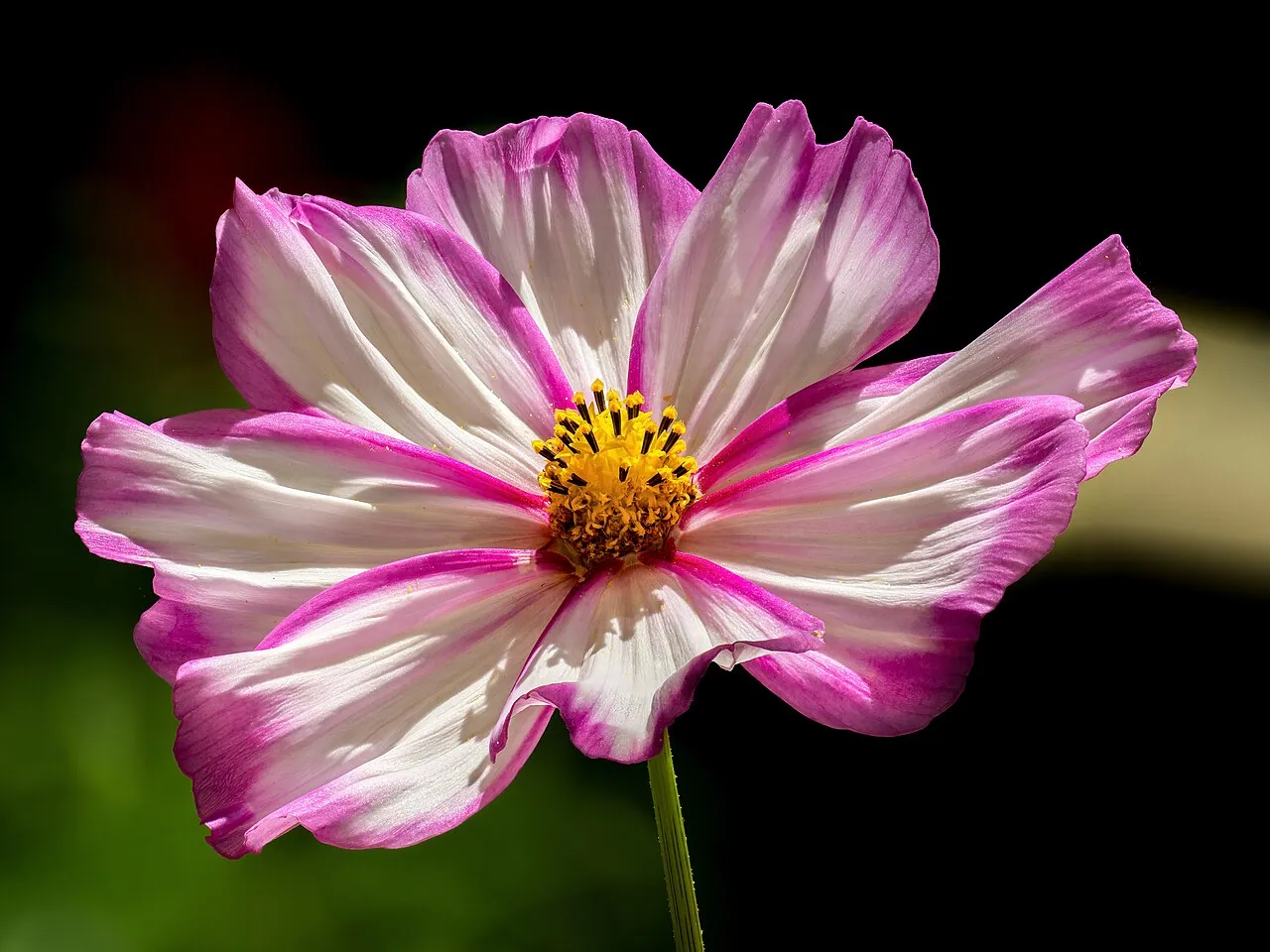
Strong cosmos begin with an honest assessment of light, cultivar height and exposure; feeding harder rarely fixes a plant that is stretching toward the sun.
The flower garden
Sweet peas need a climbing position that combines generous light with reliable root moisture, especially when spring warmth arrives before the vines have filled their support.
The flower garden
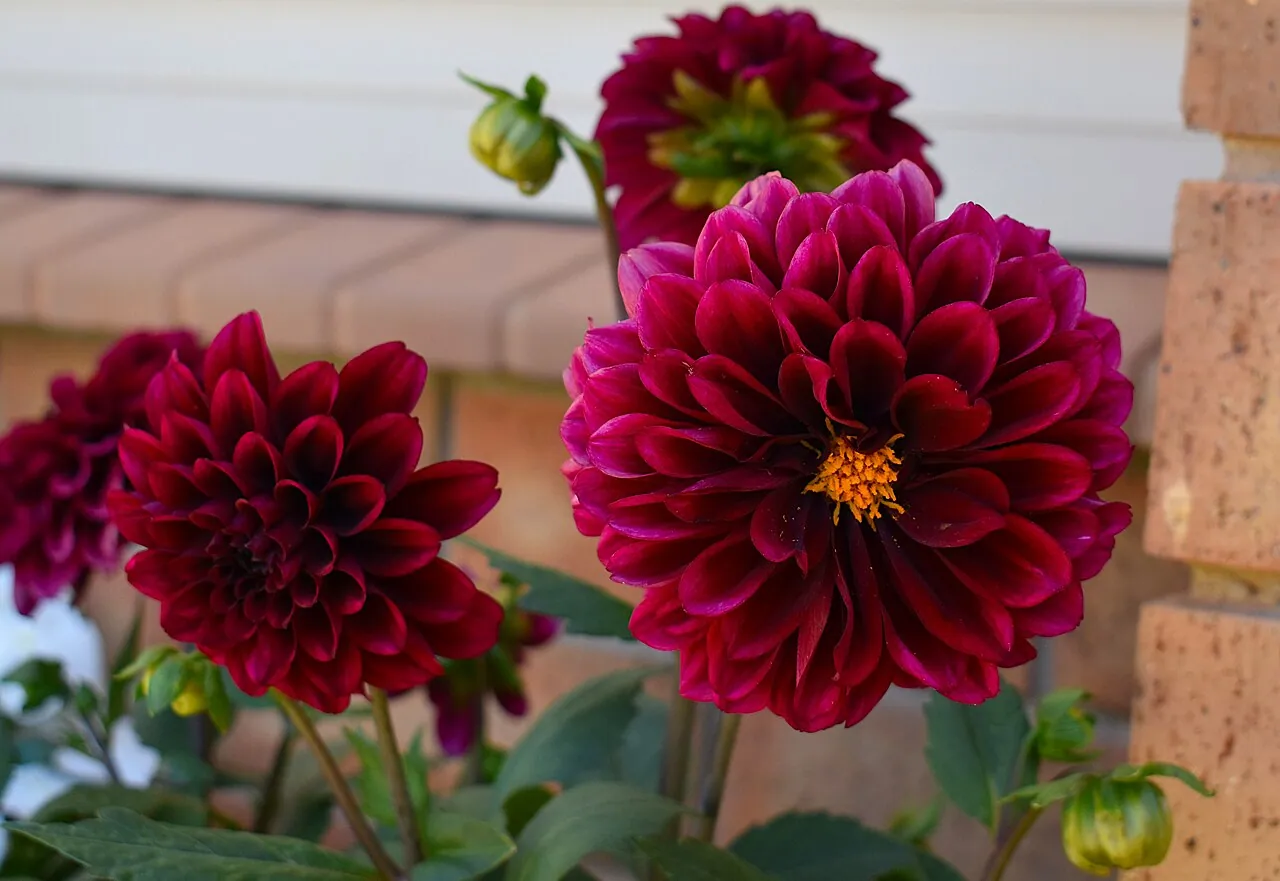
The first dahlia flower depends on a sound crown, a frost-safe start and support placed early enough to avoid disturbing the developing root system.
The flower garden
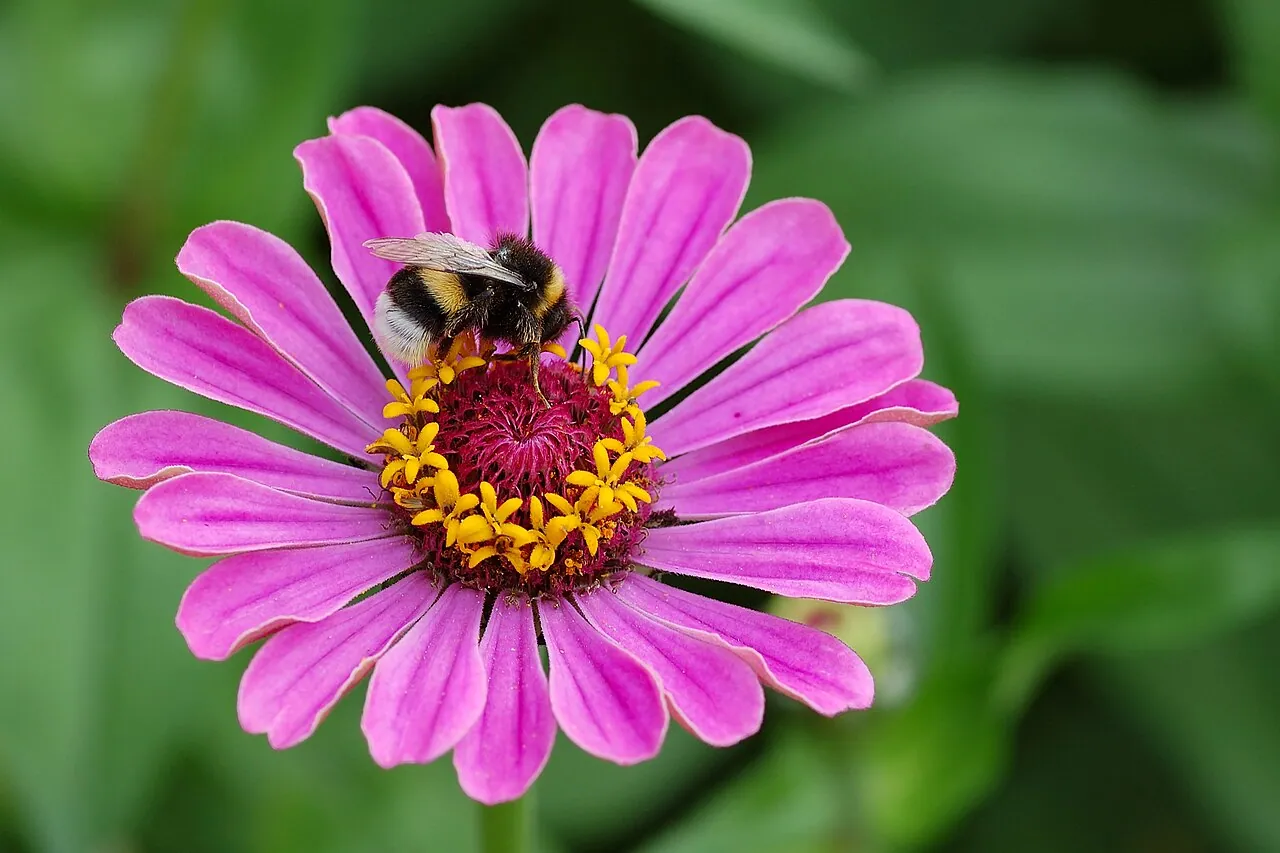
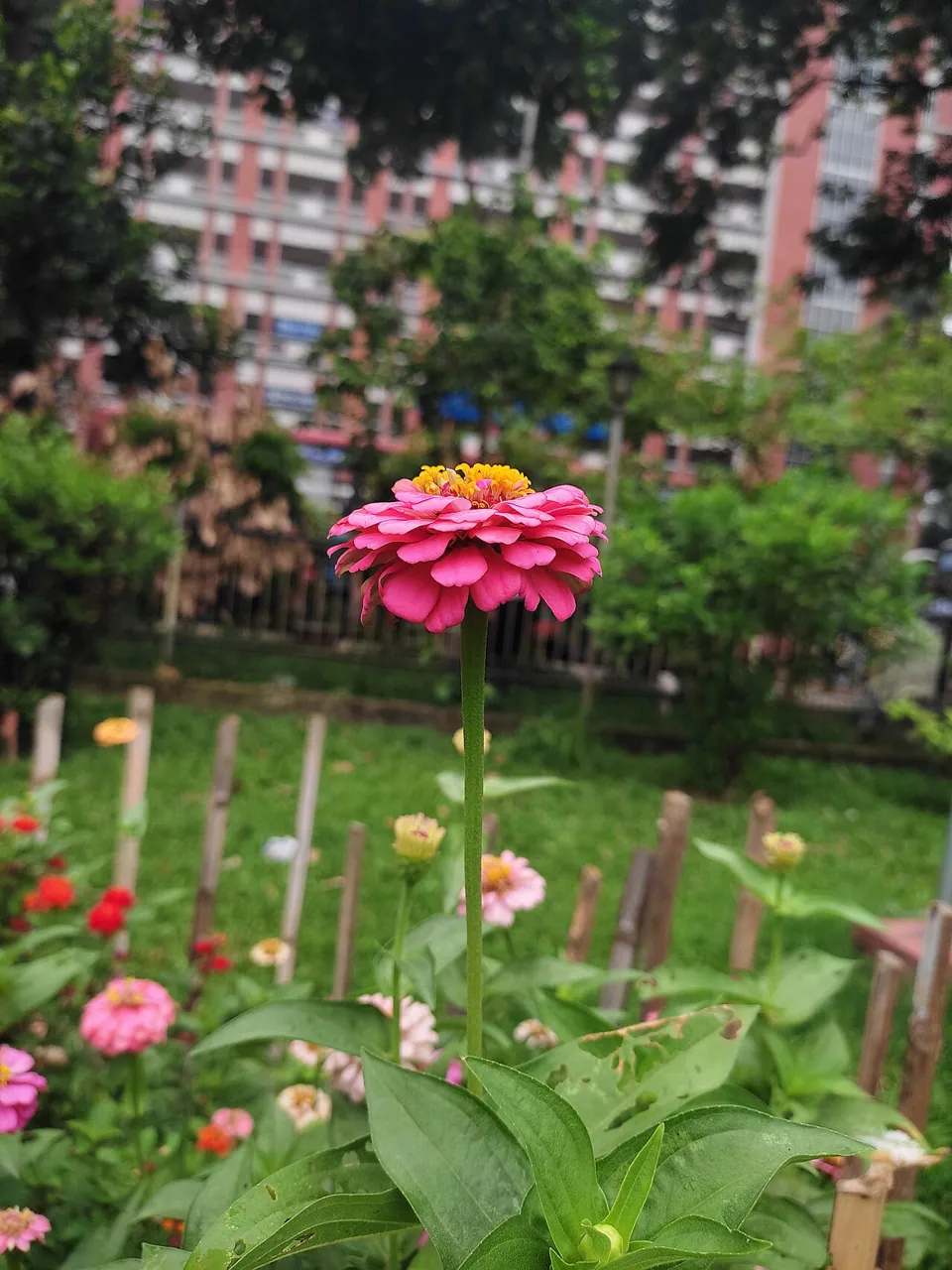
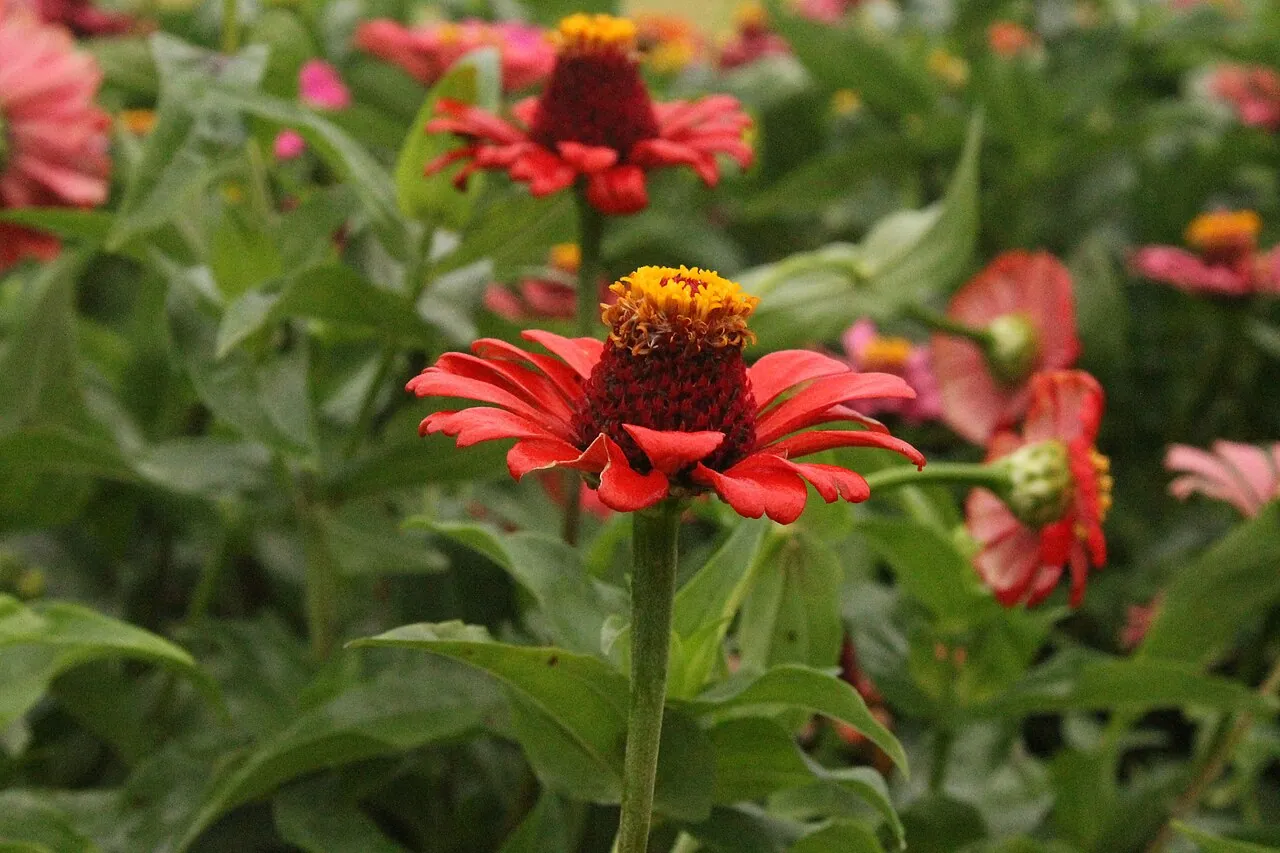
Zinnias reward warm soil, open spacing and well-timed cuts; a small second sowing can be more useful than trying to make tired plants flower forever.
The flower garden
The right sunflower is chosen by its branching habit and mature footprint, not by the size of the smiling bloom pictured on a seed packet.
The flower garden
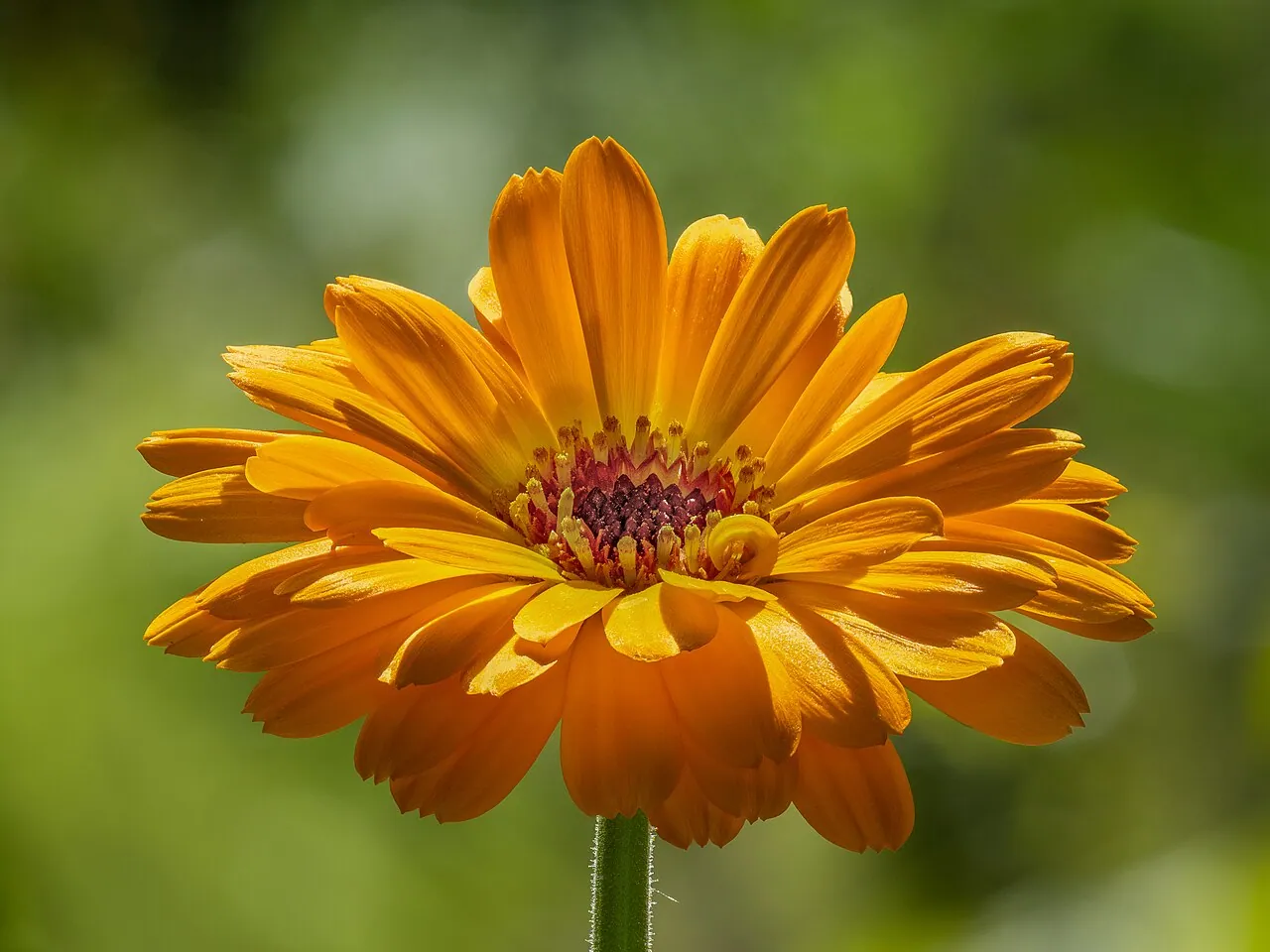
Calendula often pauses when heat becomes stressful; selective deadheading, a modest trim and a fresh sowing can each have a different role in extending the display.
The flower garden
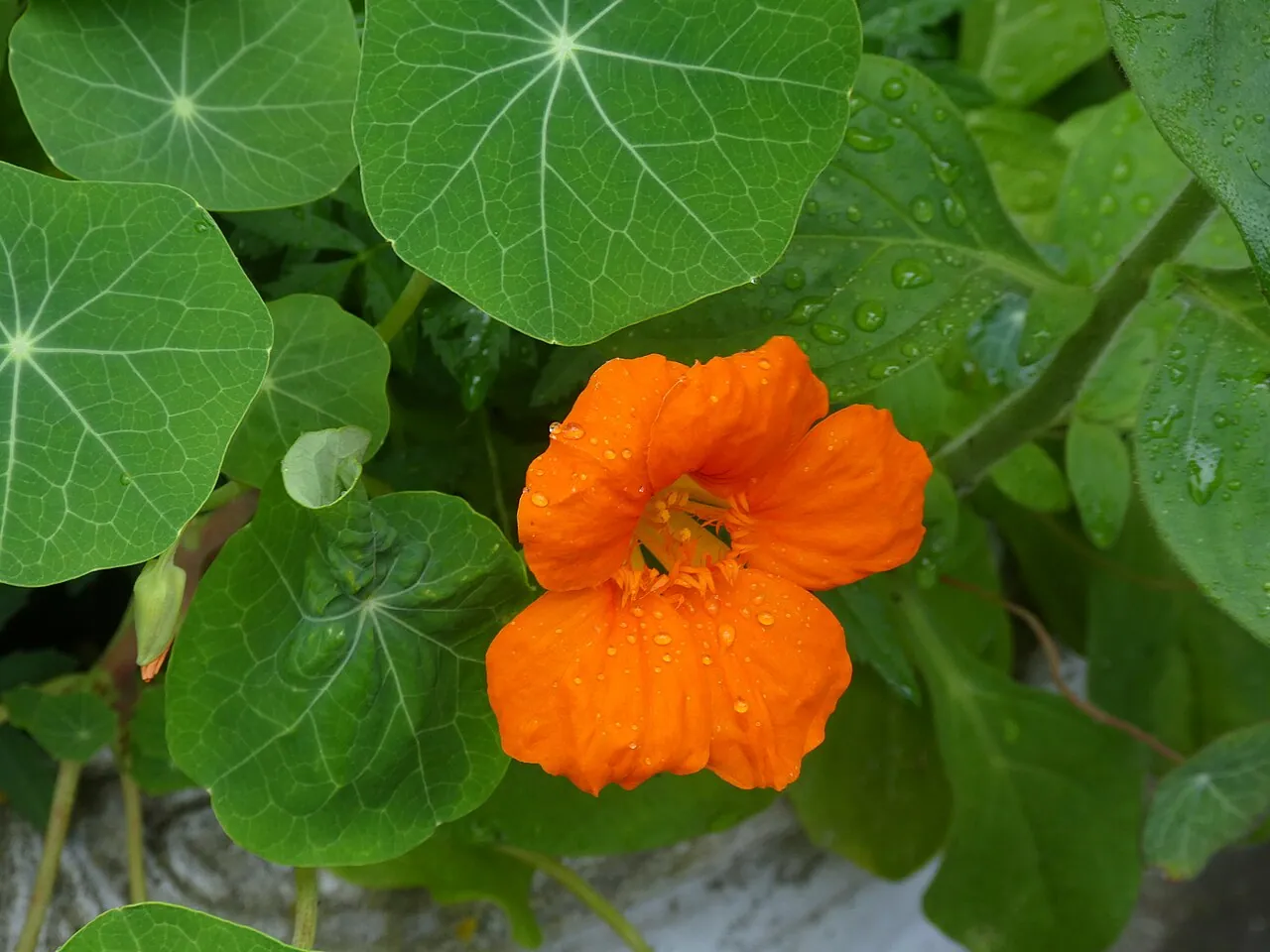
Nasturtiums can spill elegantly or swallow a path; controlling the outline begins with choosing a bush or climbing habit before the seedlings enter the bed.
The flower garden
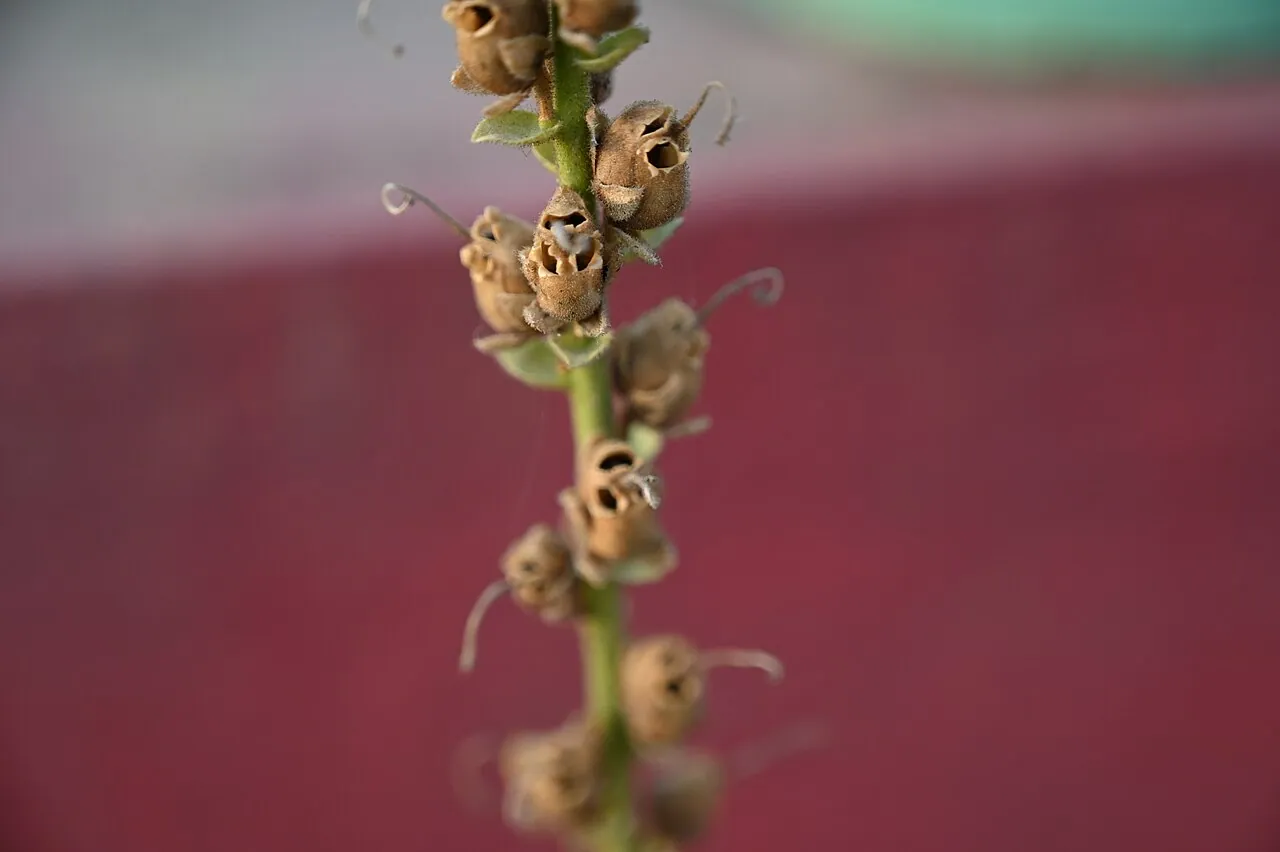
Snapdragons bring vertical rhythm to a border, but the tallest forms need room, early support and a climate-aware plan for pauses during hot weather.
The flower garden
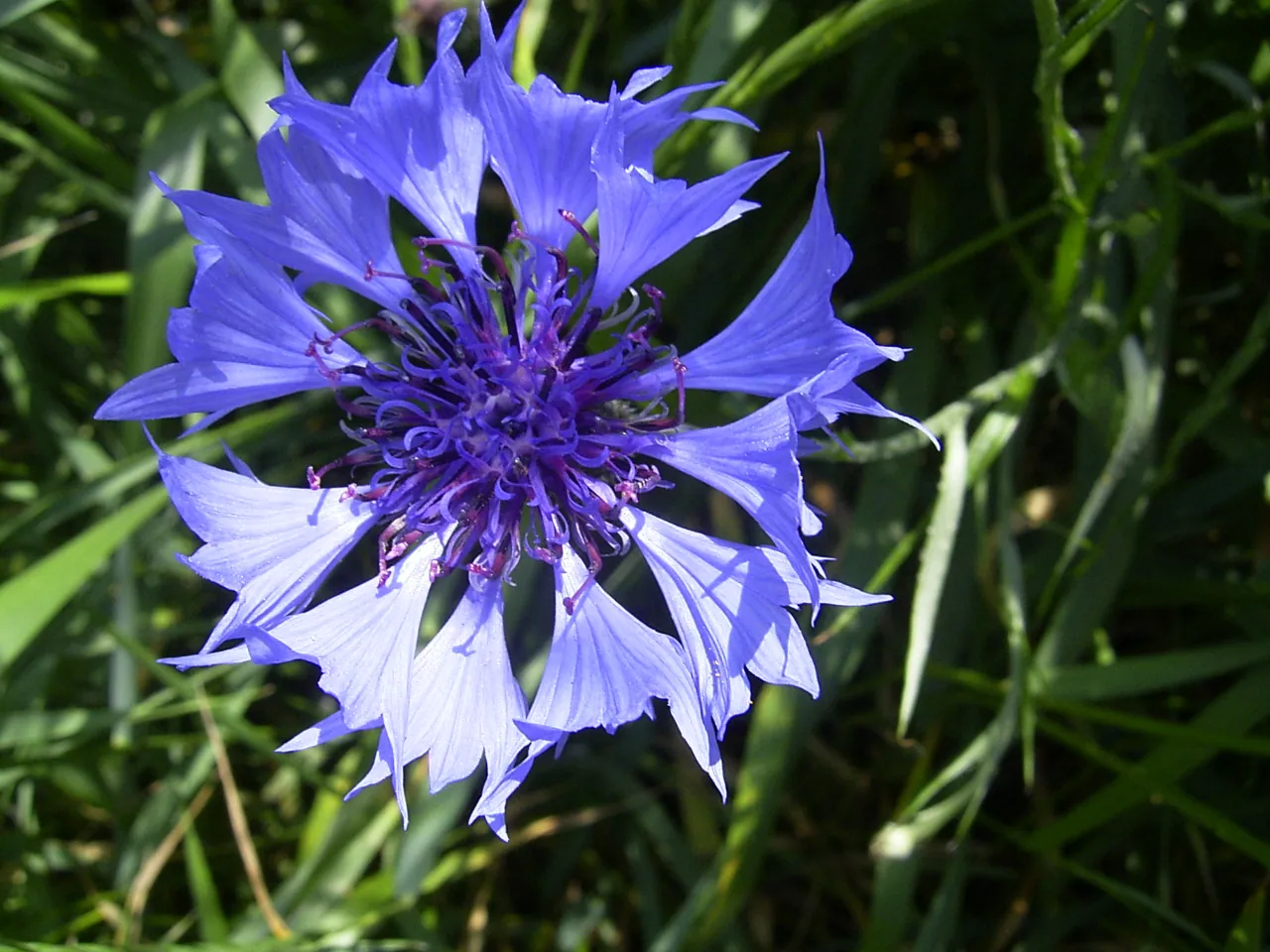
A restrained cornflower sowing is easier to thin, support and harvest than a blue carpet of crowded seedlings, especially in a small sunny border.
The flower garden
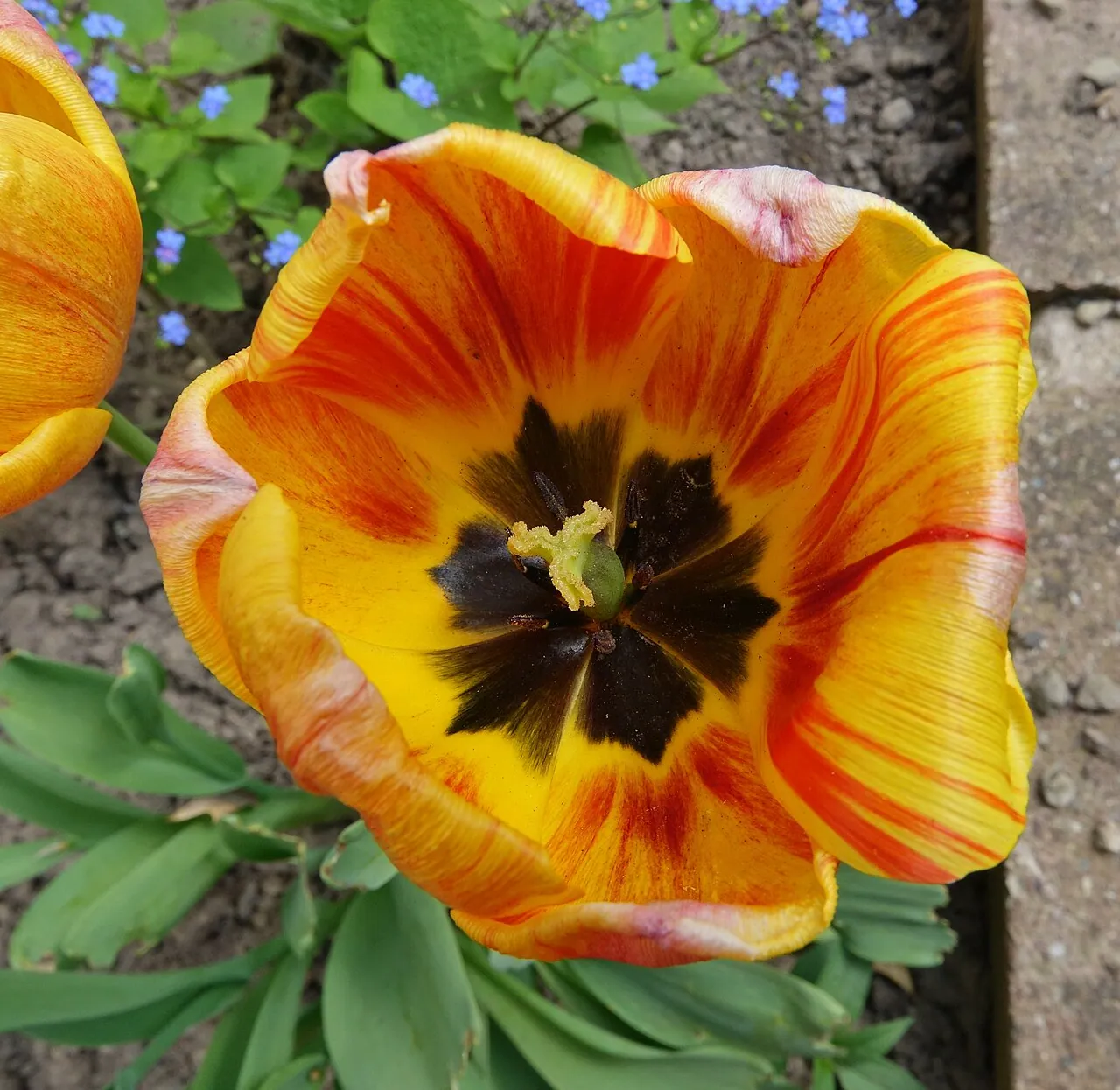
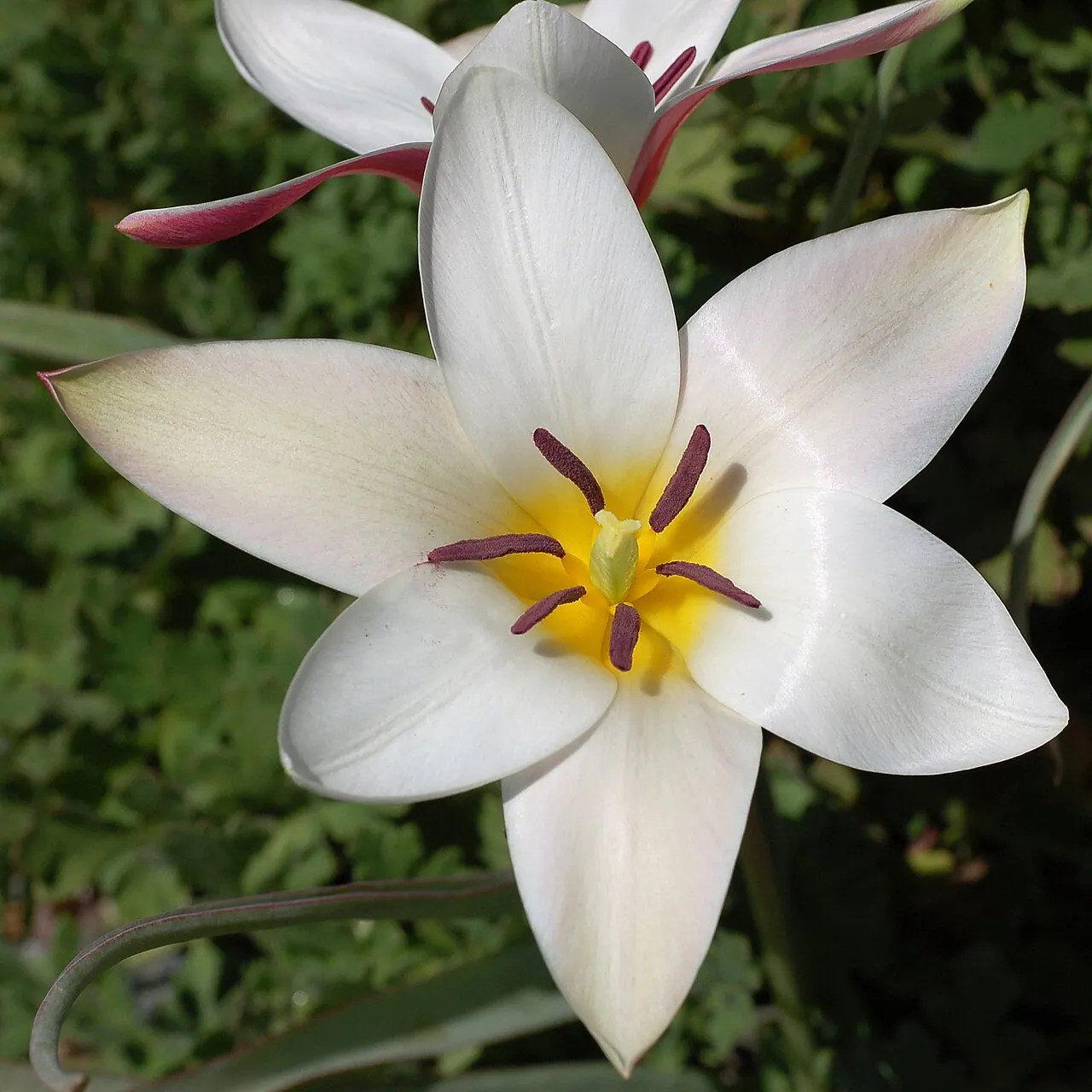
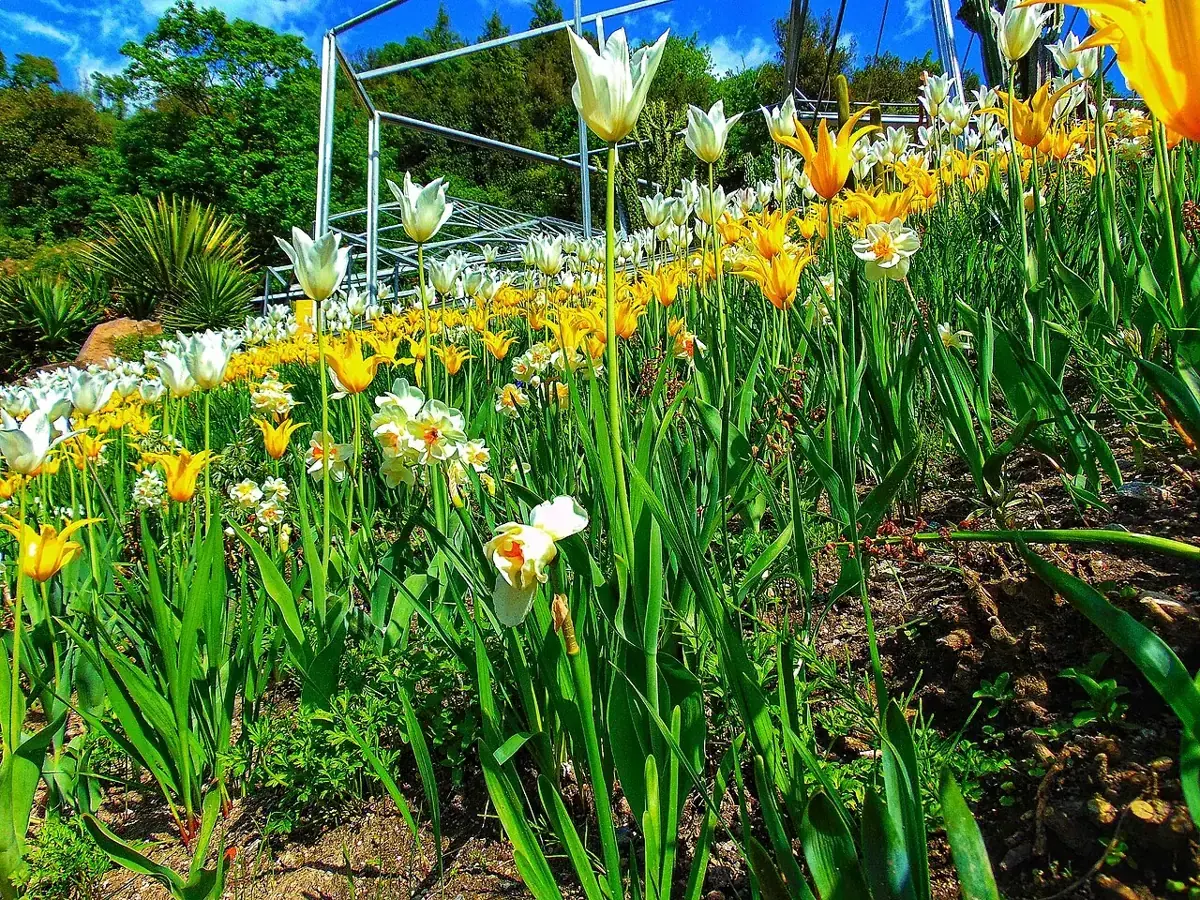
A repeat tulip display starts with realistic expectations: some selections return more reliably than others, and a beautiful first spring does not prove long-term suitability.
The flower garden
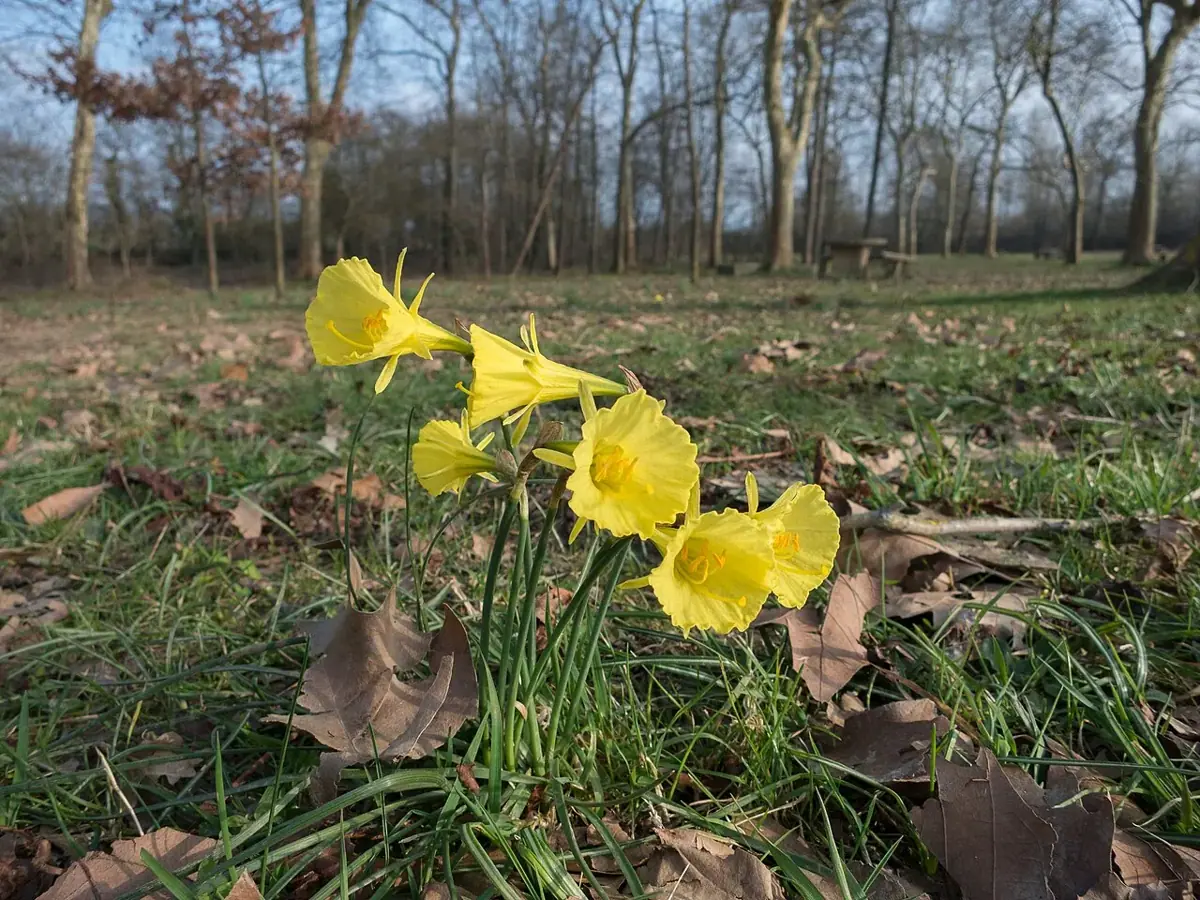
The weeks after daffodil flowers fade determine what the bulbs can store; a thoughtful border gives their leaves time without turning the garden into a waiting room.
The flower garden
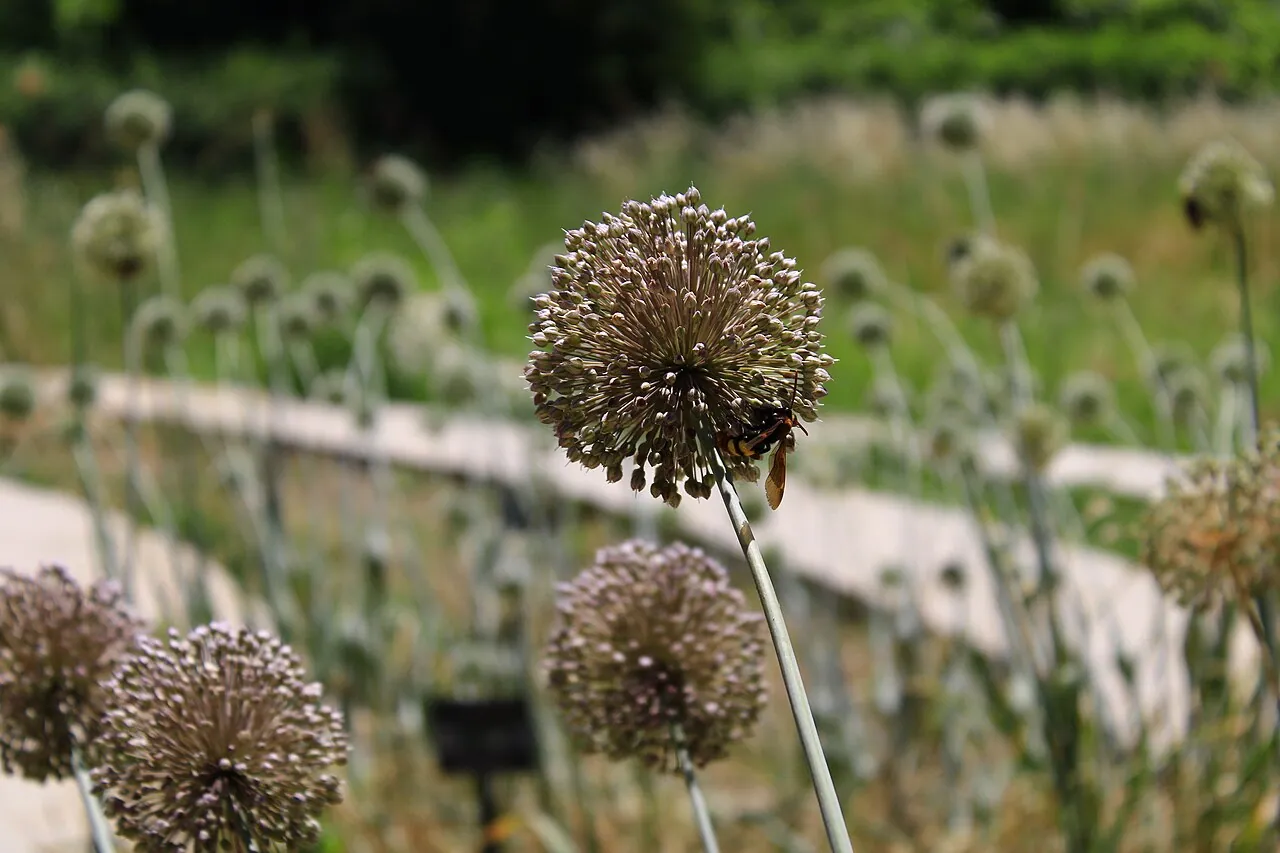
Allium globes look their best above a lower layer of foliage, but the companion planting must conceal fading leaves without burying or overcrowding the bulbs.
The flower garden
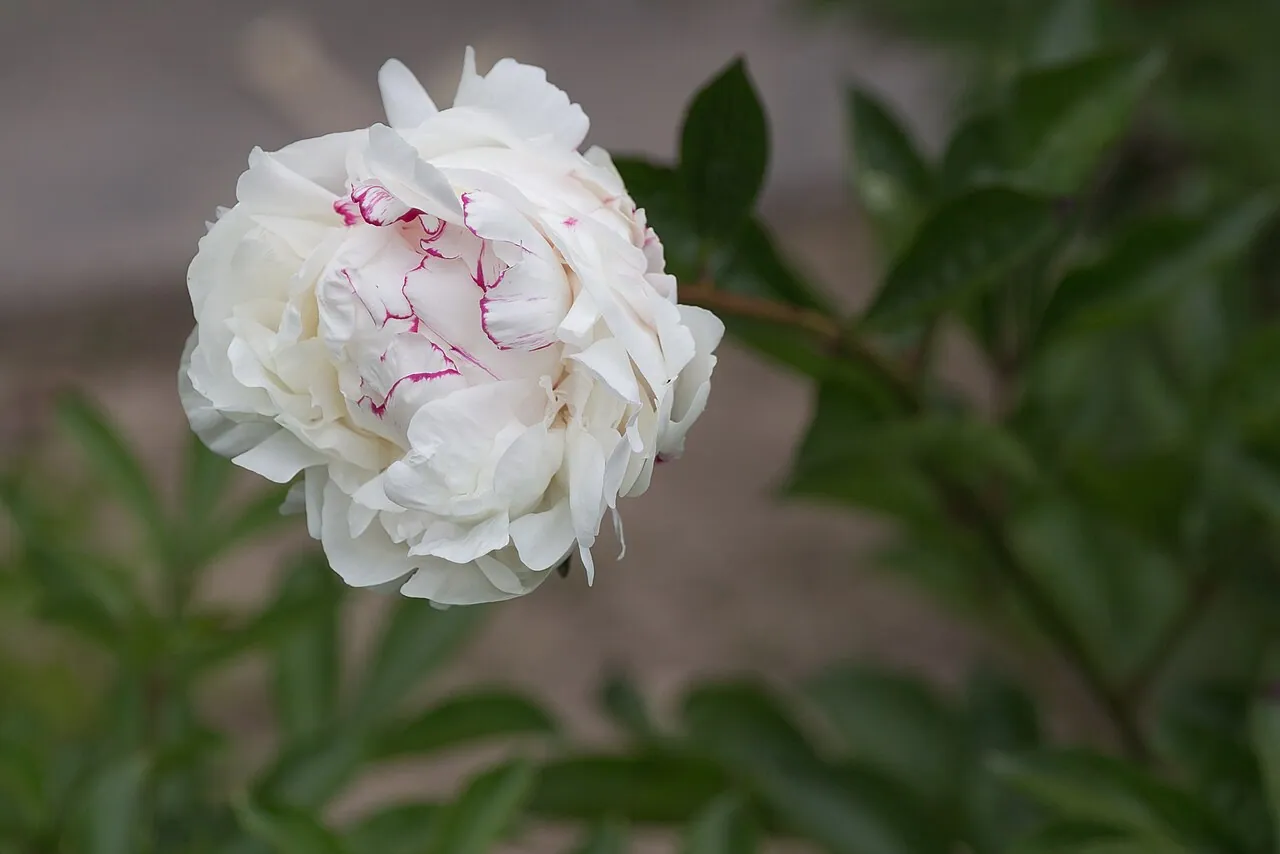
For herbaceous peonies, planting depth is a small measurement with a long consequence; identify the growing eyes and allow time before disturbing a slow-starting clump.
The flower garden
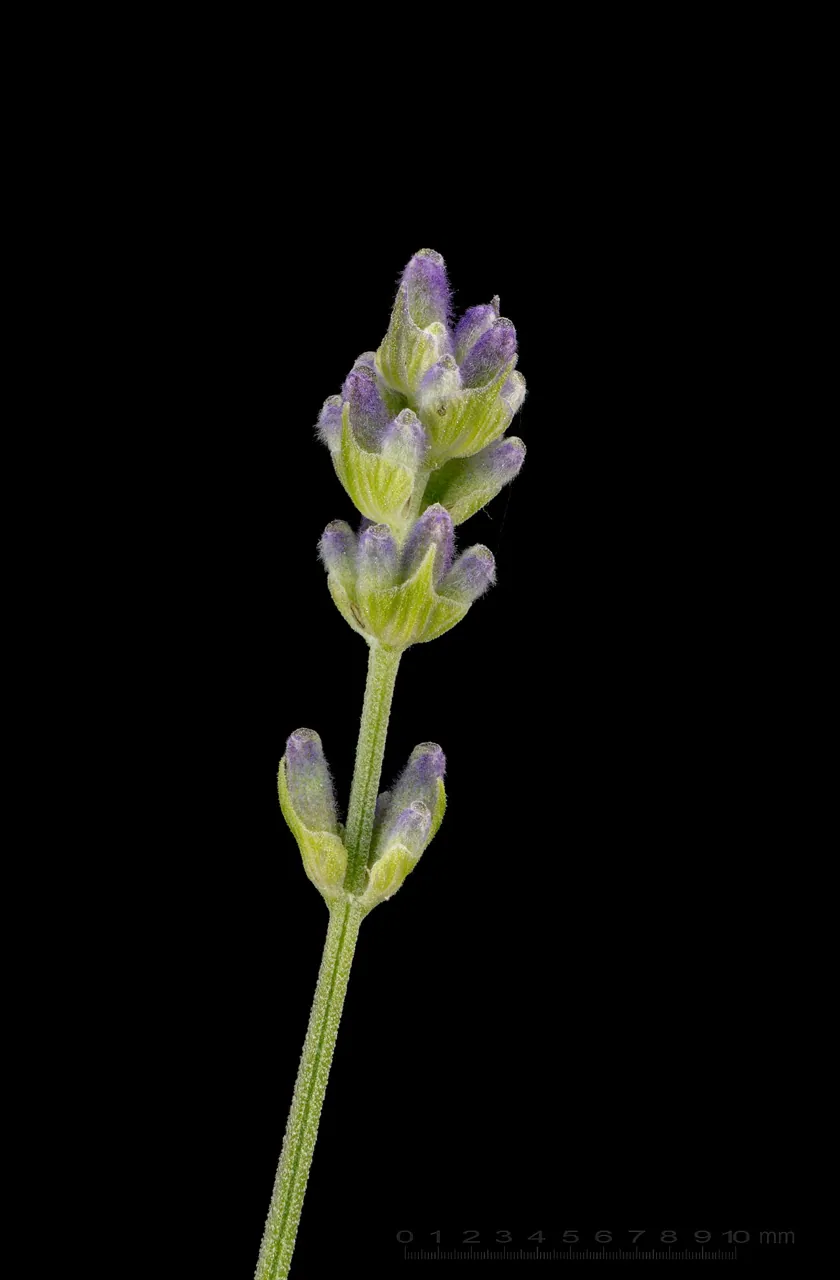
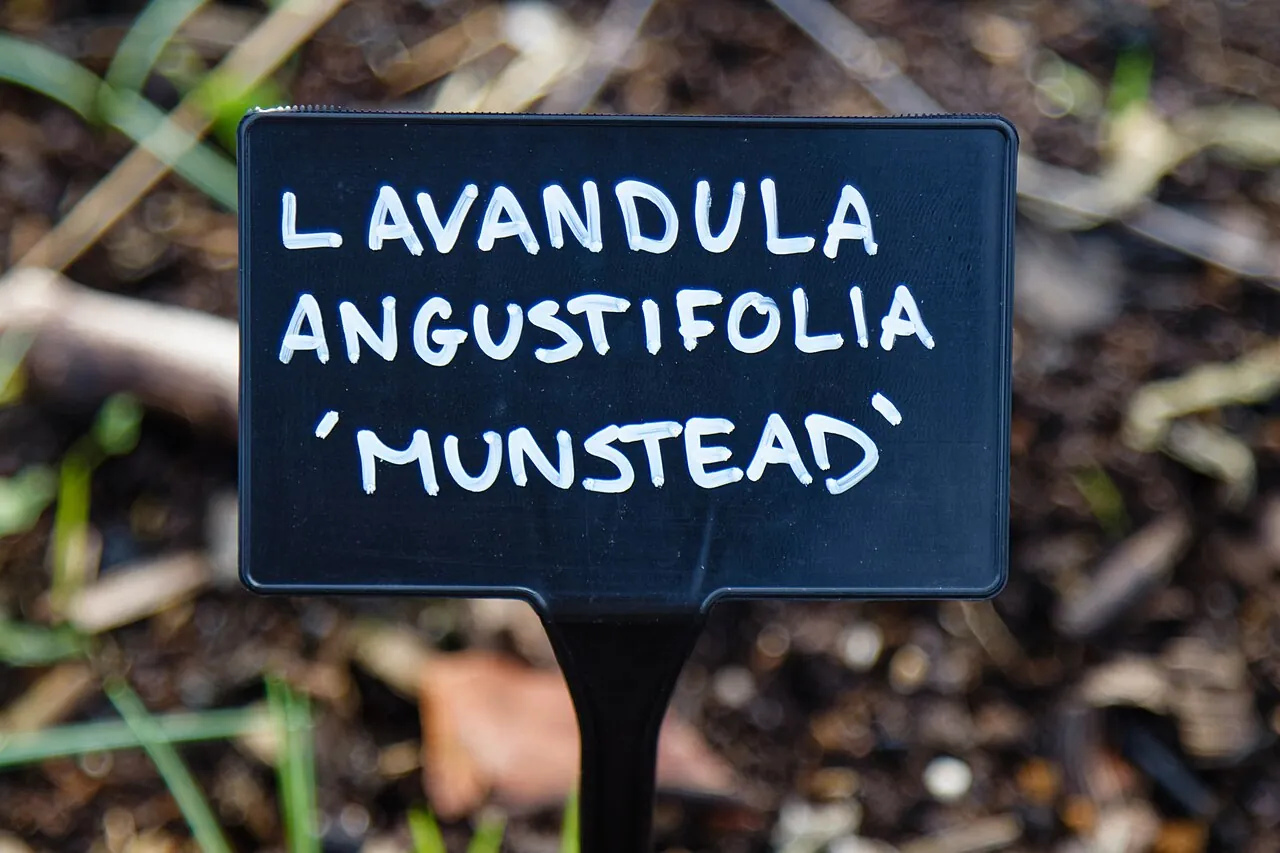
Lavender's compact shape depends on more than sunshine: its roots need drainage, its crown needs space, and its annual trim must respect the remaining leafy growth.
The flower garden
Hydrangea pruning begins with identification, because removing last year's stems can remove this year's flowers on one type while being appropriate for another.
The flower garden
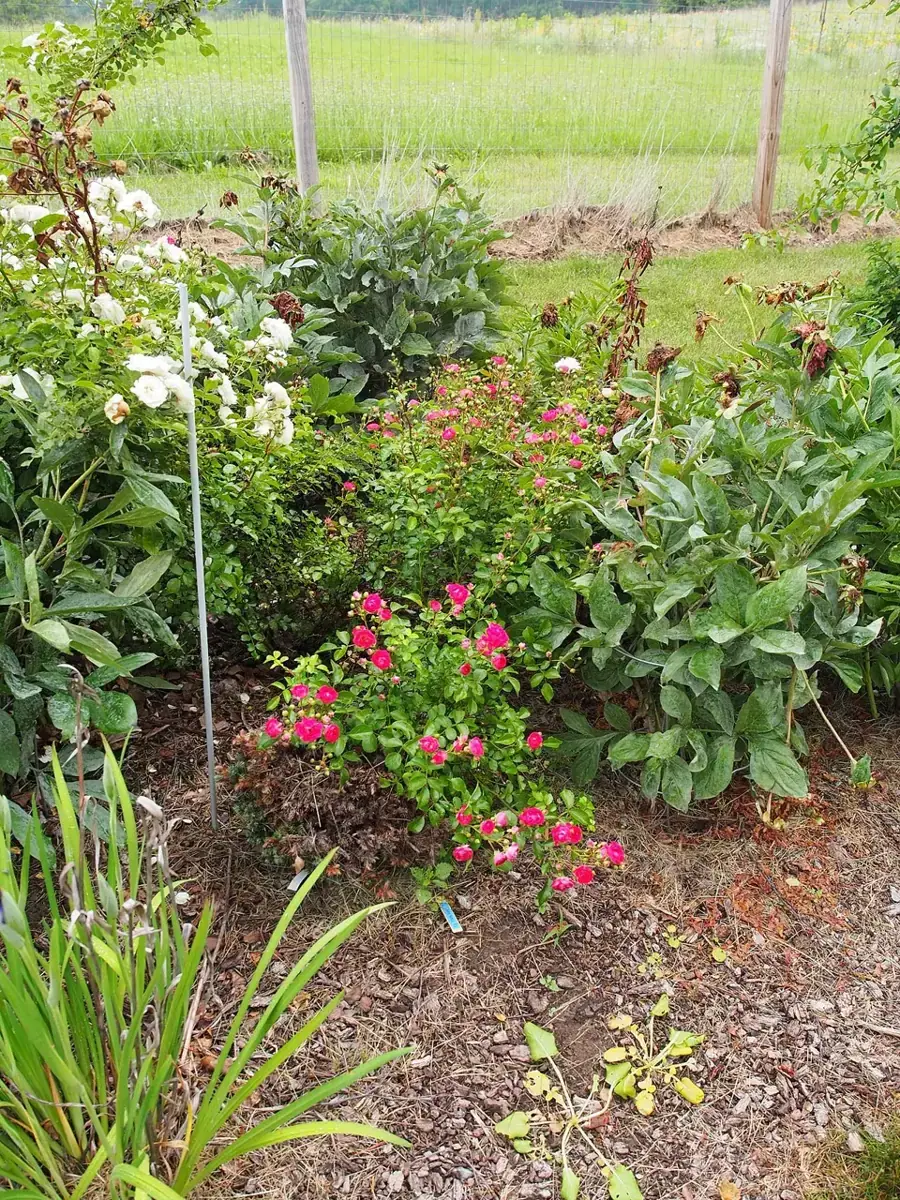
A container rose needs a deep, workable root space and a position you can water easily; choosing a compact cultivar is only the first part of the arrangement.
The flower garden
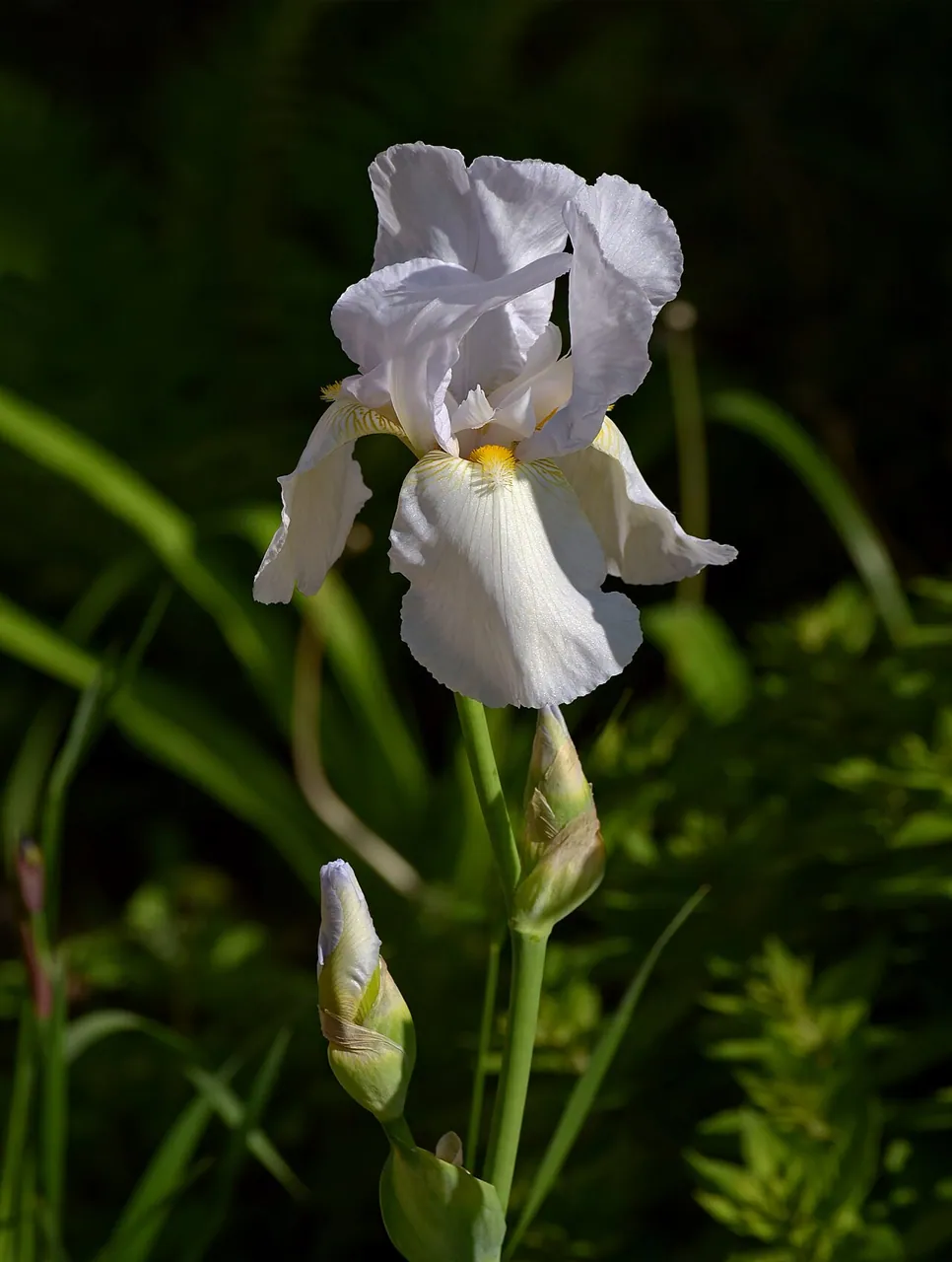
An iris may grow from a bulb, a surface rhizome or a fibrous-rooted clump; identifying that structure prevents the wrong planting depth and watering routine.
The flower garden
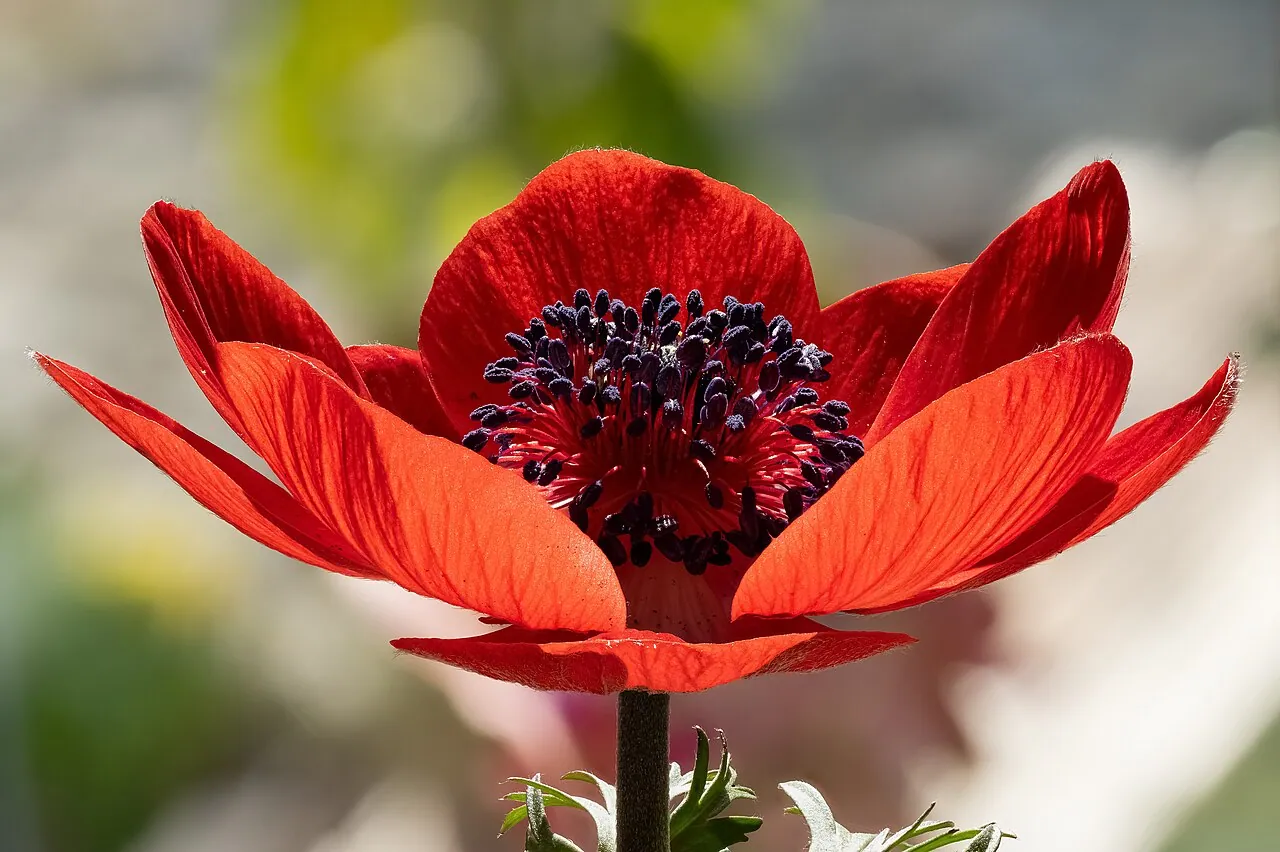
Anemones can bridge very different parts of the year, so choose the species first and build the planting plan around its own season, hardiness and dormant period.
The flower garden
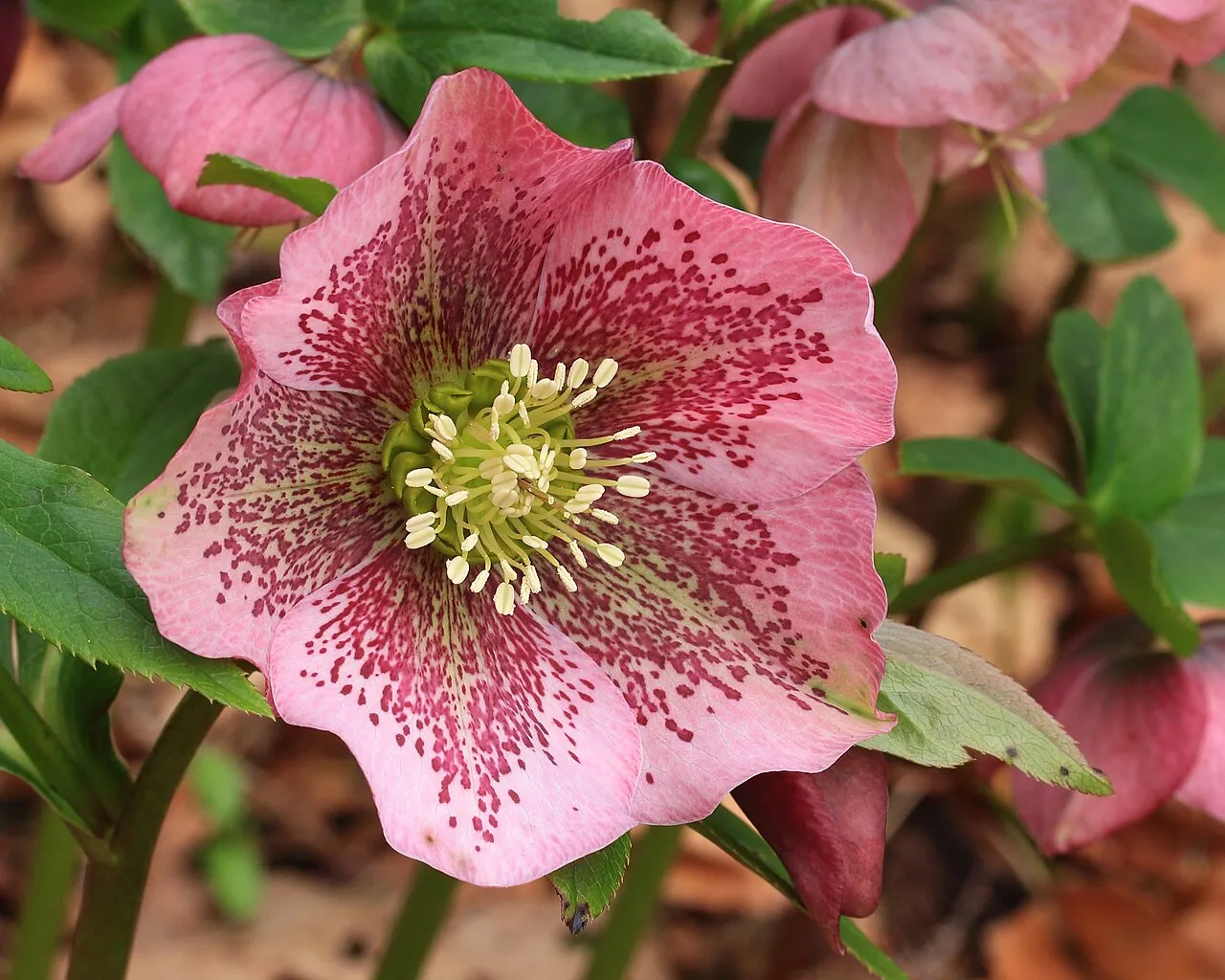
A hellebore belongs where winter flowers can be seen at close range, with shelter, suitable soil and enough access to remove tired leaves without damaging emerging buds.
Life indoors
A useful indoor light map records what reaches the leaves, including seasonal shade and distance from glass, rather than assigning every plant to a window compass direction.
Life indoors
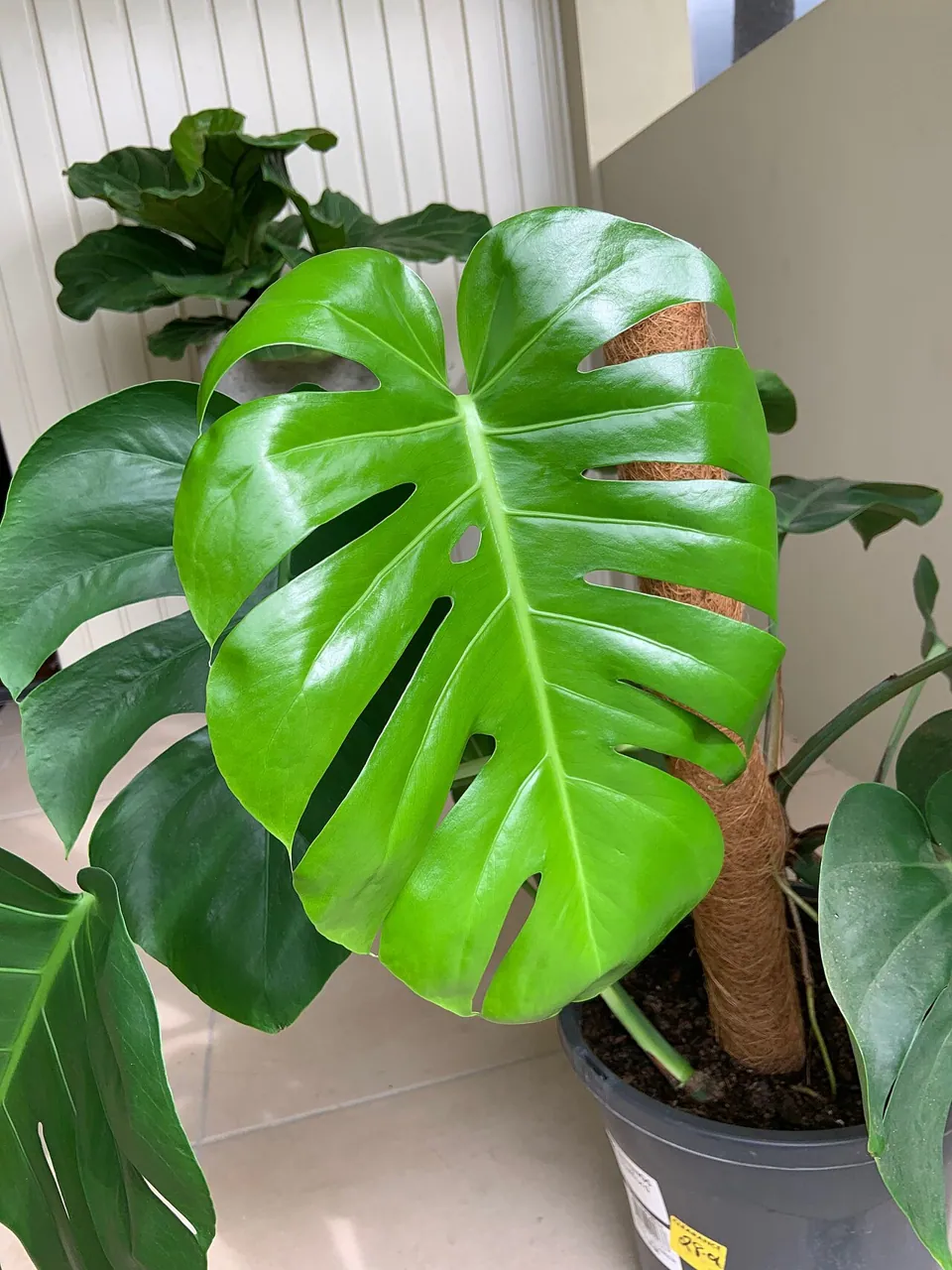
A monstera's climbing stem needs support before its weight pulls the plant sideways; leaf stalks need freedom to turn toward light rather than being tied into place.
Life indoors
A fuller pothos comes from healthy growth near the pot and deliberate pruning, not simply winding an increasingly bare vine around the same shelf again.
Life indoors
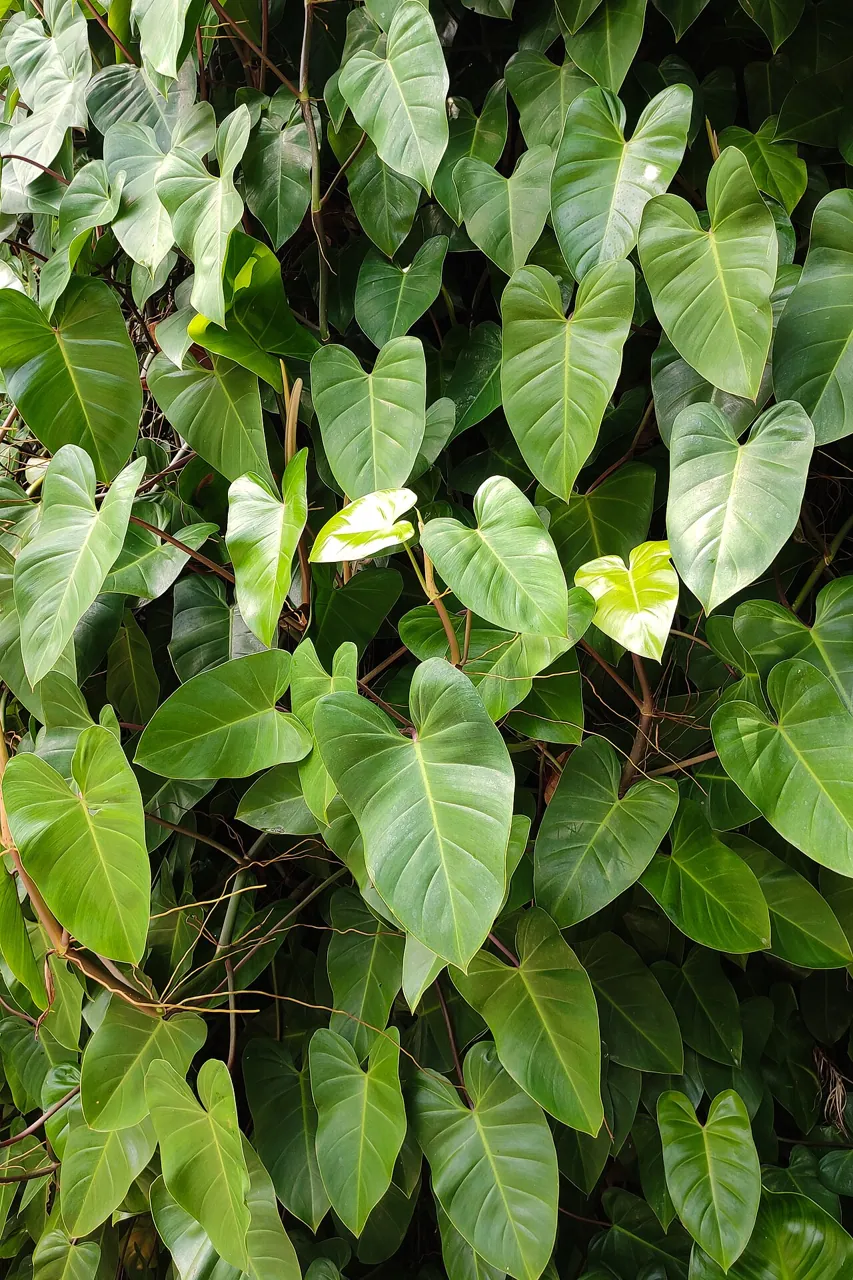
Before adding a pole to a philodendron, establish whether it is a climber, a self-heading plant or a creeping type; the same support does not suit every habit.
Life indoors
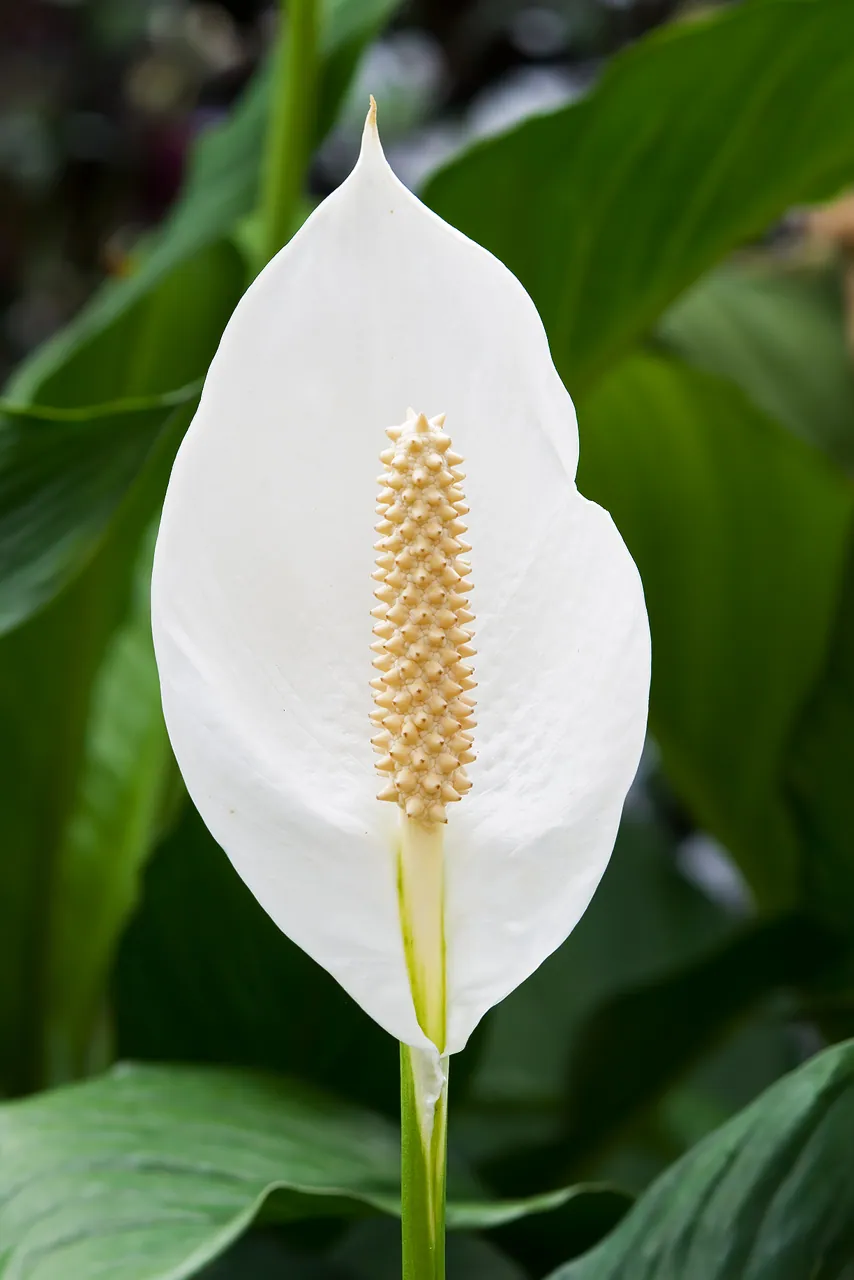
A peace lily's dramatic wilt is a late signal, not a watering strategy; checking the root ball earlier can reduce repeated stress and reveal when drooping has another cause.
Life indoors
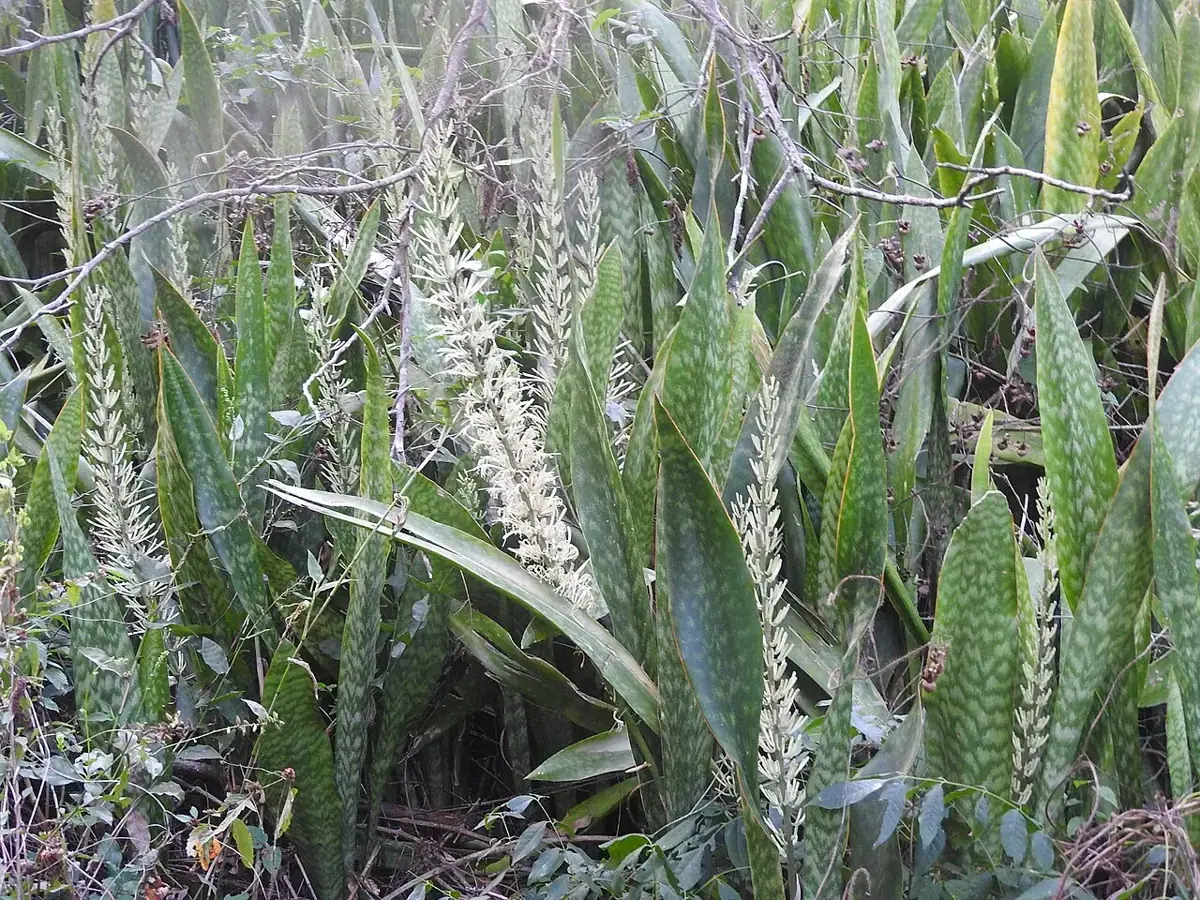
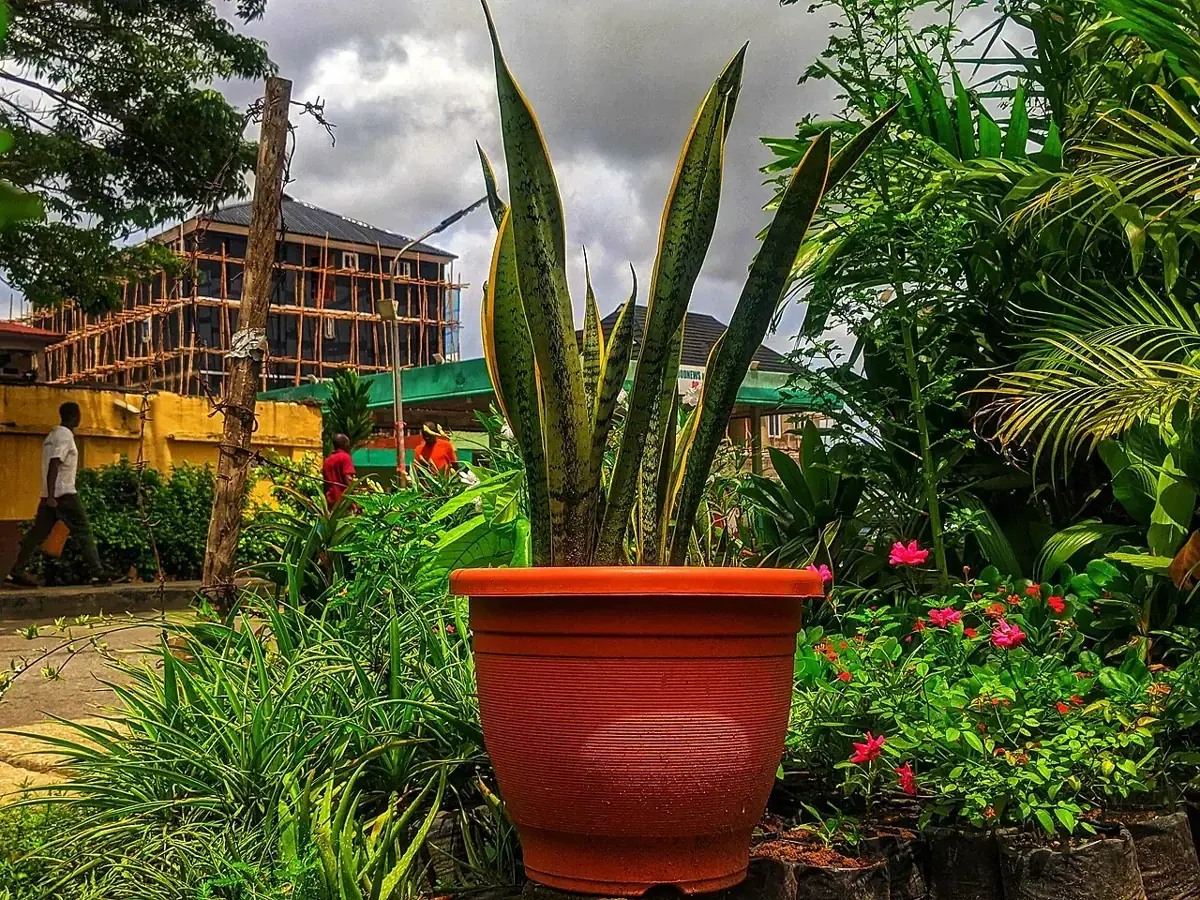
Snake plants tolerate missed attention better than prolonged saturation; the combination of a large pot, dim light and slow-drying medium deserves more scrutiny than the calendar.
Life indoors
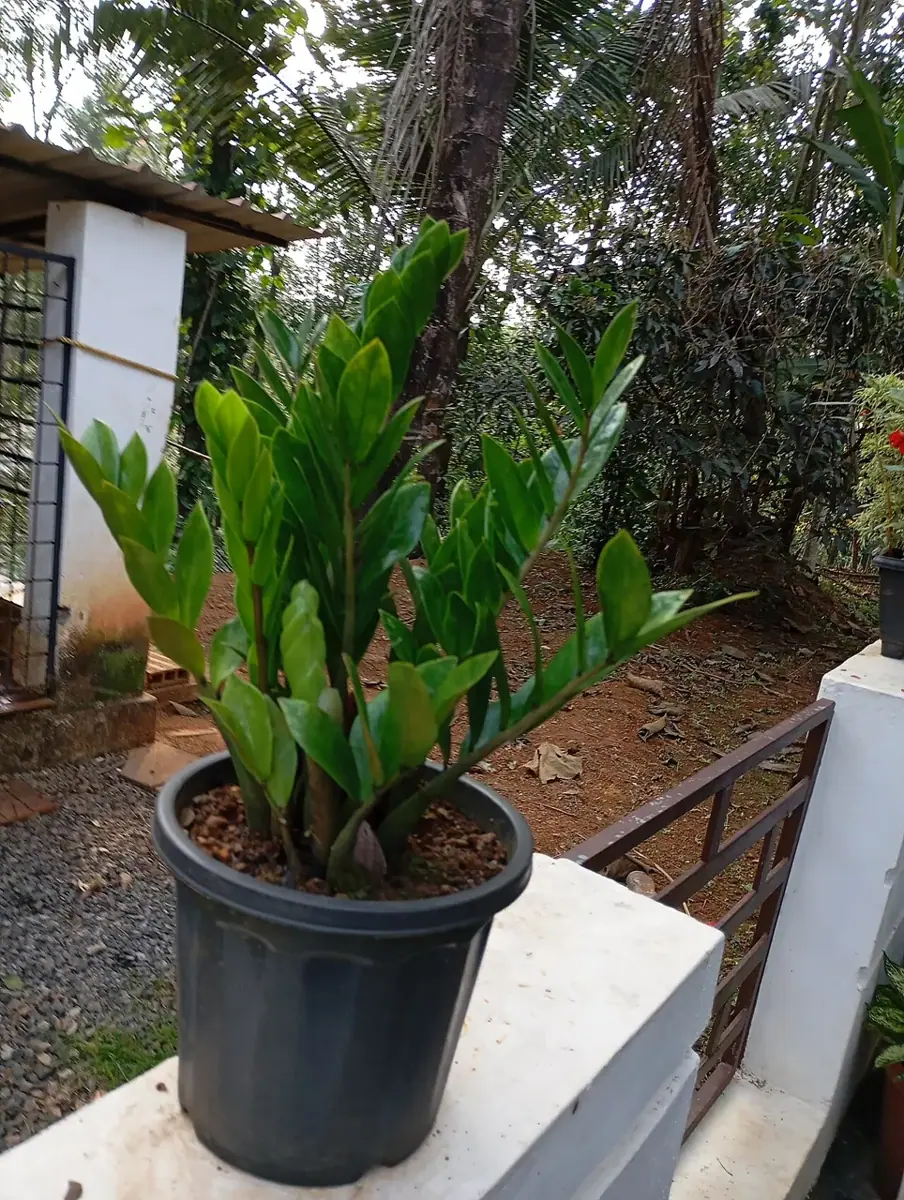
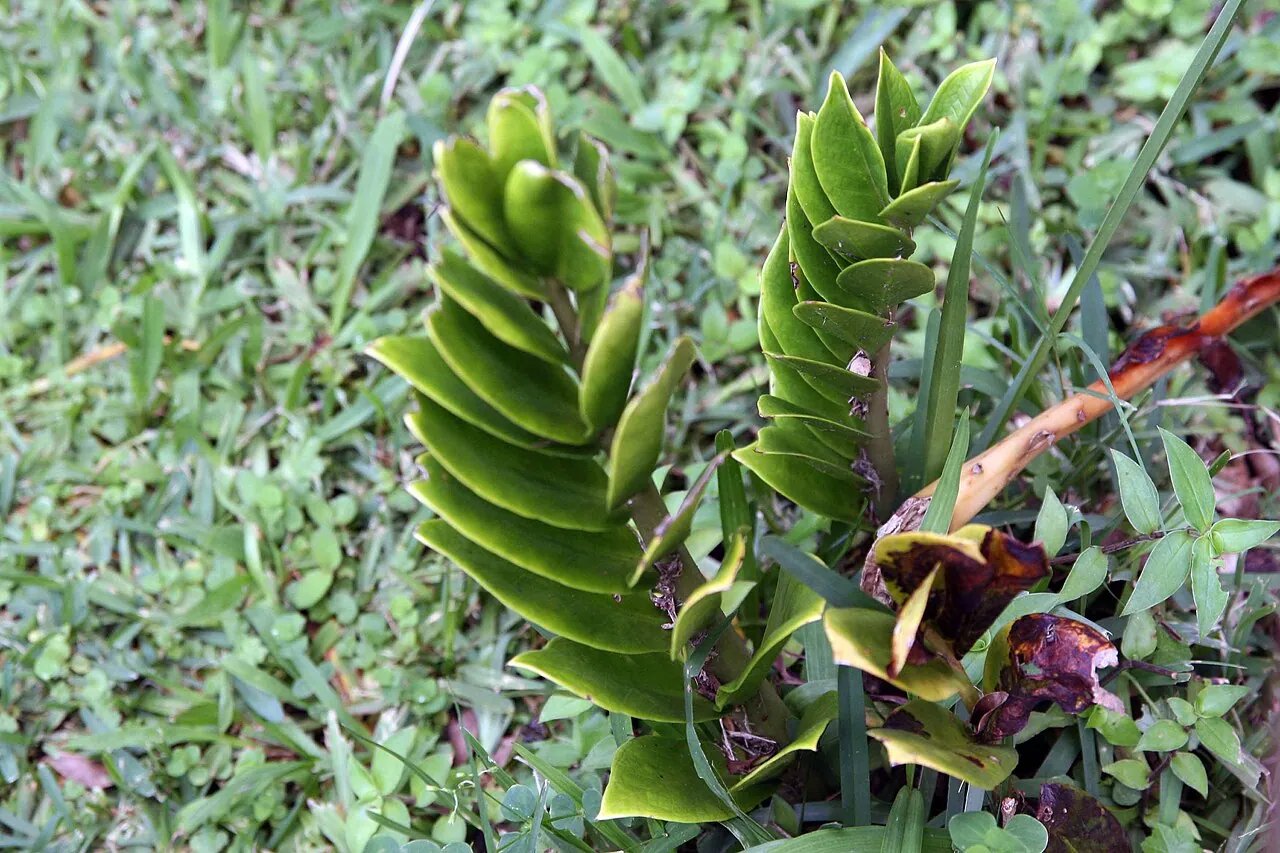
ZZ plants often grow in bursts separated by long pauses; understanding their stored reserves helps prevent a quiet plant from being drowned or overfed into decline.
Life indoors
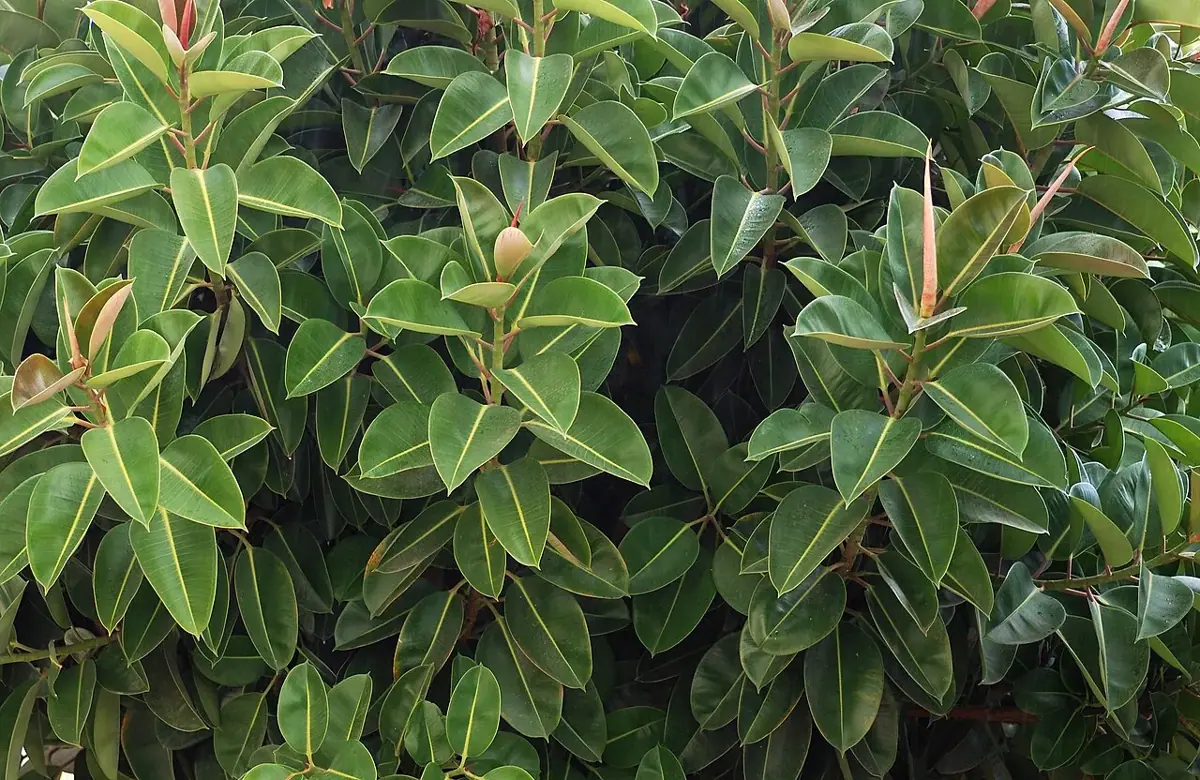
A rubber plant's bare lower stem may reflect age, earlier stress or insufficient light; preventing further loss and planning the future shape are separate decisions.
Life indoors
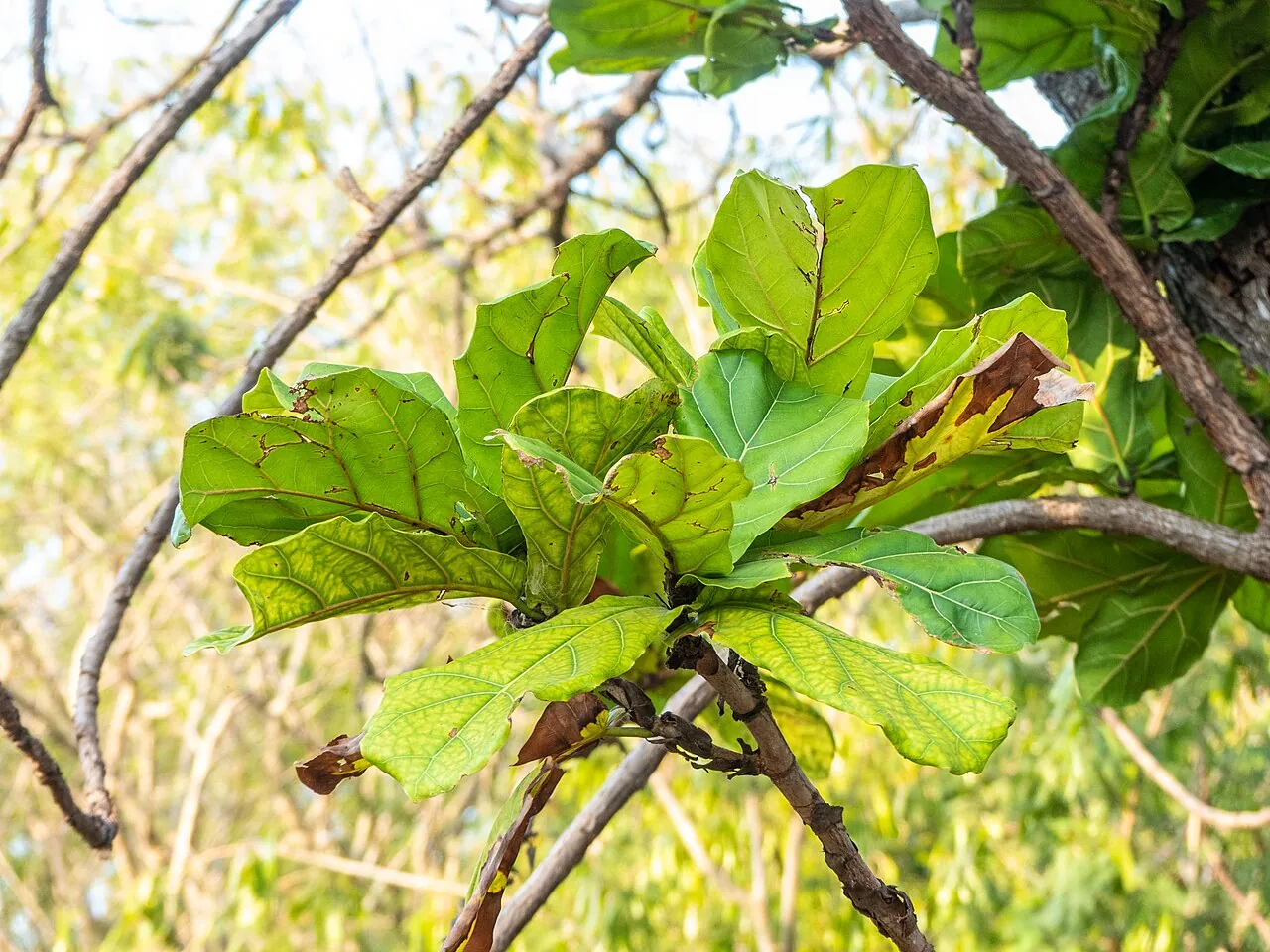
A fiddle-leaf fig benefits from a position that remains workable through changing seasons, with consistent light, predictable drainage and room for its broad leaves to develop.
Life indoors
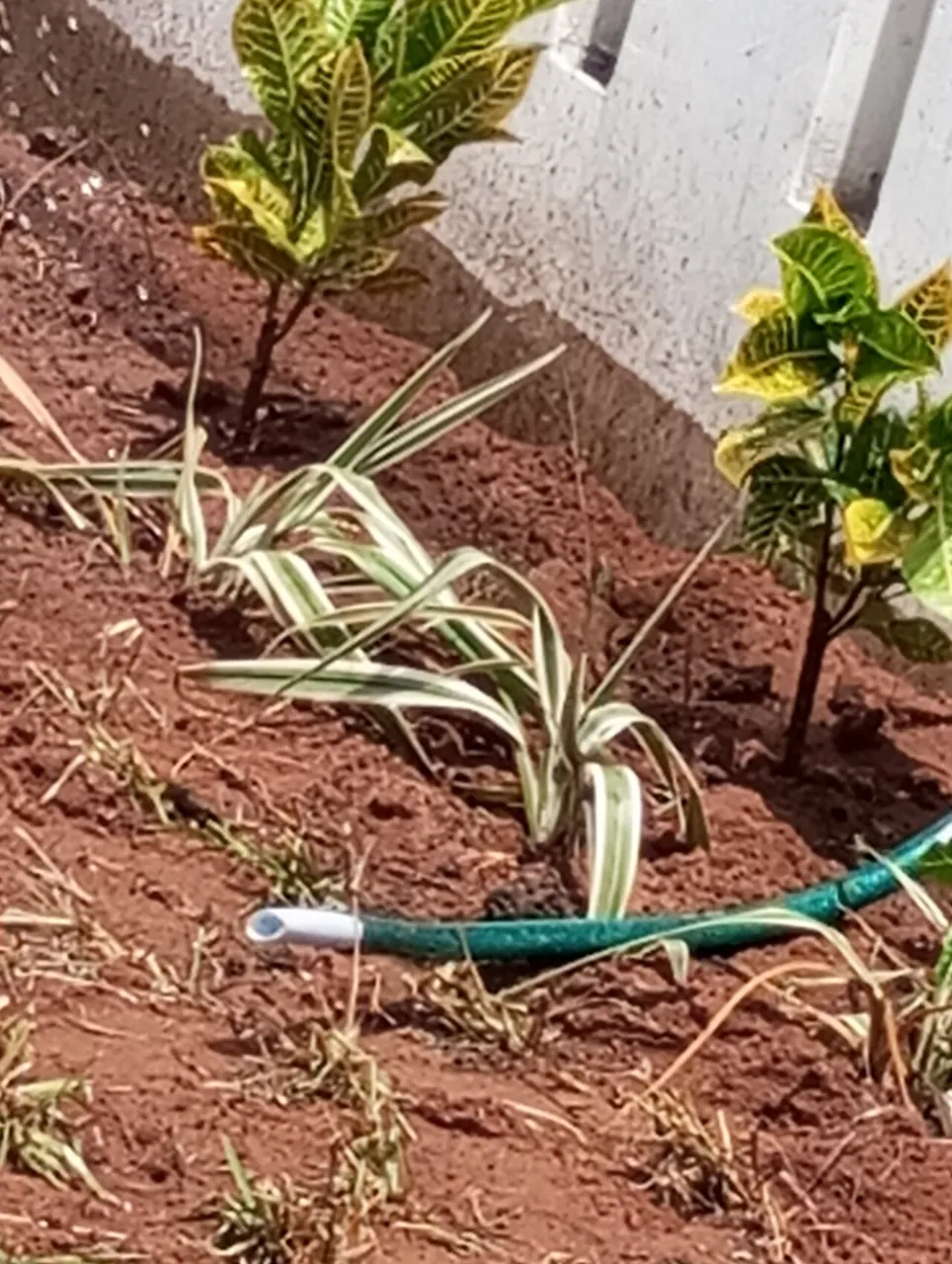
Spider plant offsets are easiest to manage when their small root bases are visible and their new pots stay modest; the parent does not need to supply an unlimited nursery.
Life indoors
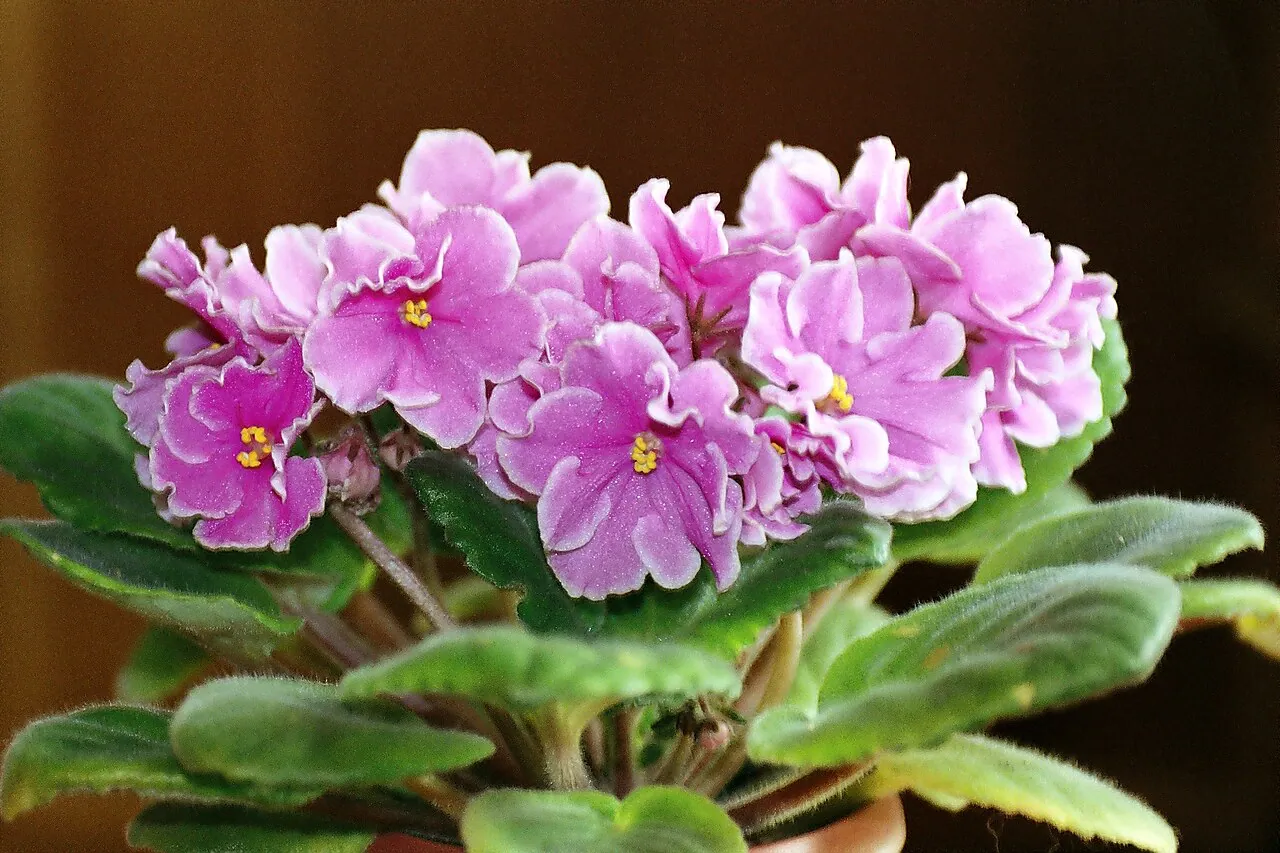
African violets need a window that supports compact leaves and flowering without scorching; the pot's distance from glass and its nighttime temperature matter as much as orientation.
Life indoors
When a moth orchid finishes flowering, its roots and leaves deserve the attention previously given to the spike; this is an opportunity to assess medium condition and future growth.
Life indoors
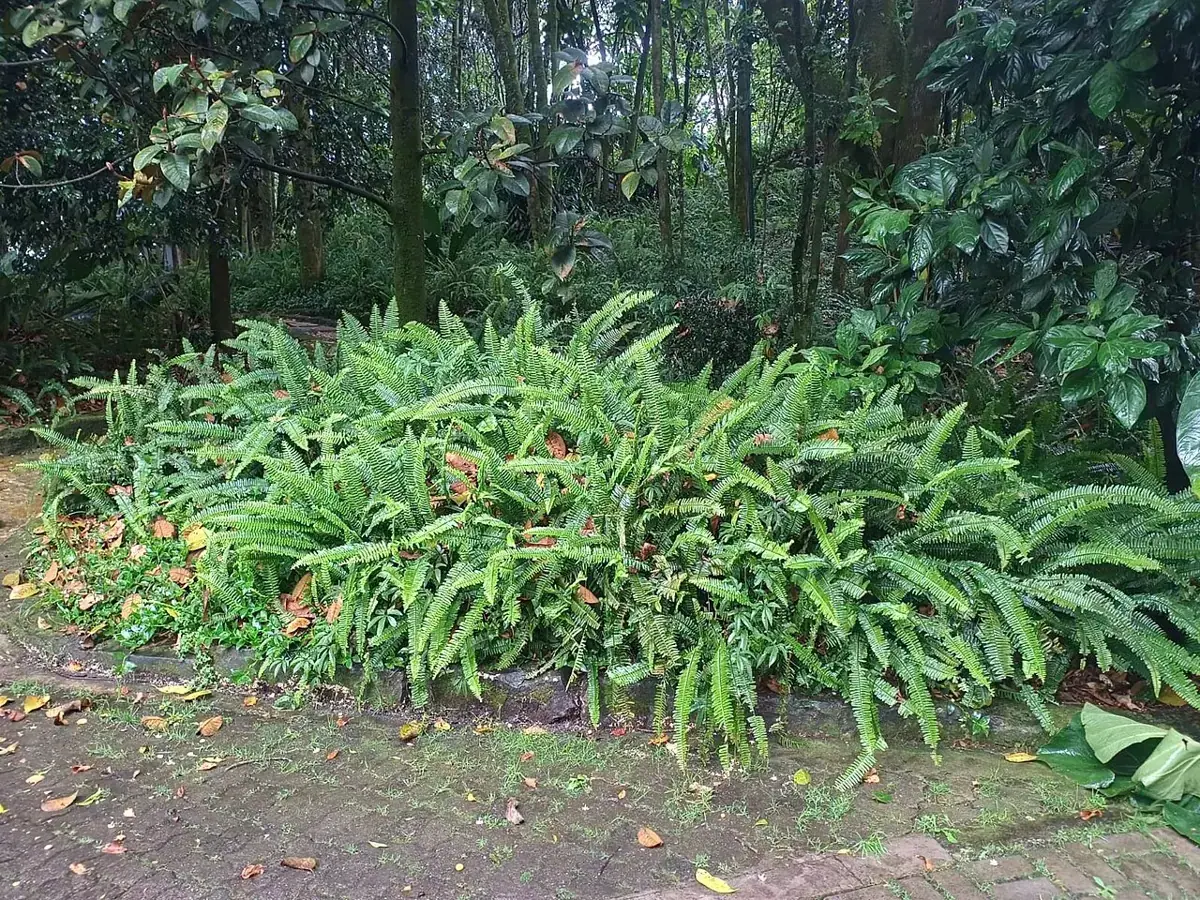
A bathroom can help a Boston fern only when it also supplies useful light and workable temperatures; a humid room does not compensate for a dry root ball or darkness.
Life indoors
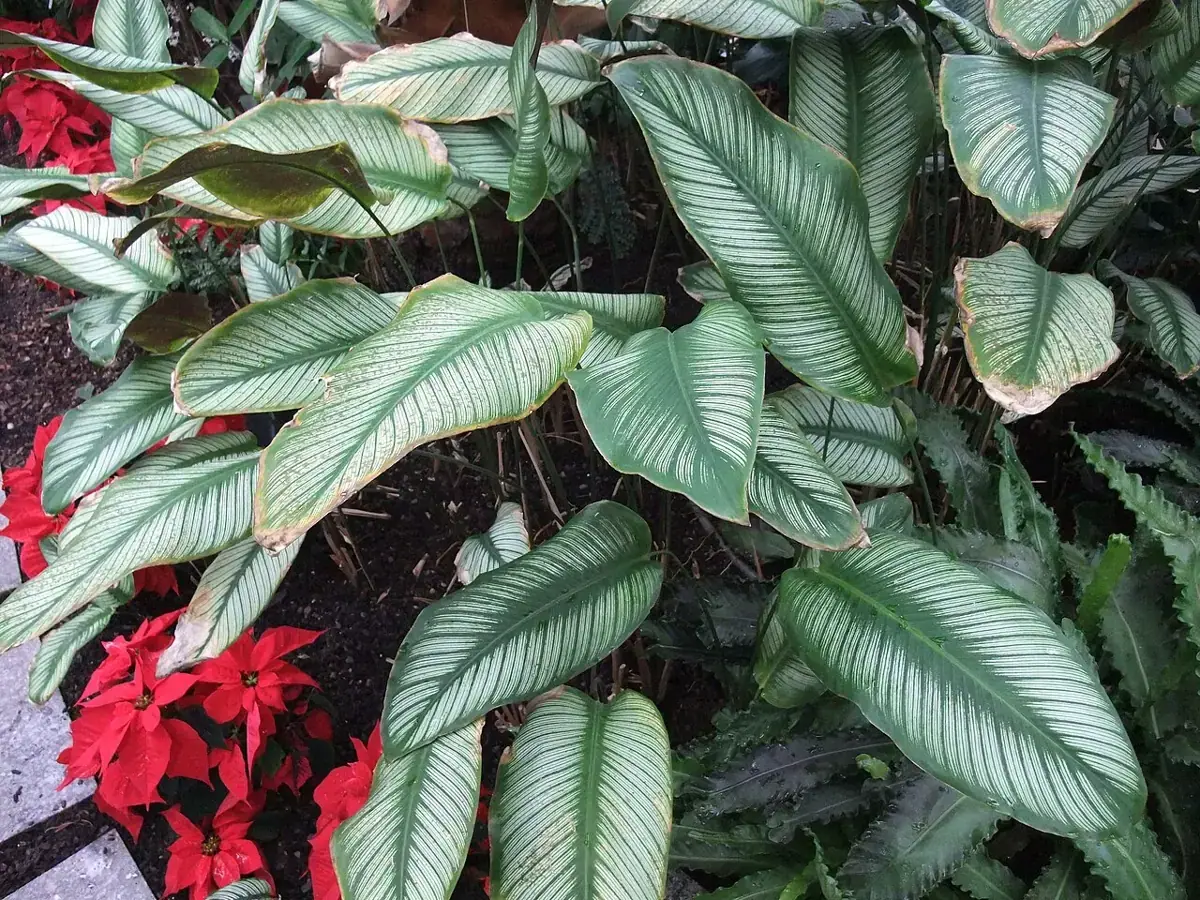
A brown calathea edge is a symptom with several possible causes; a short sequence of observations is more useful than changing water, light and fertiliser all at once.
Life indoors
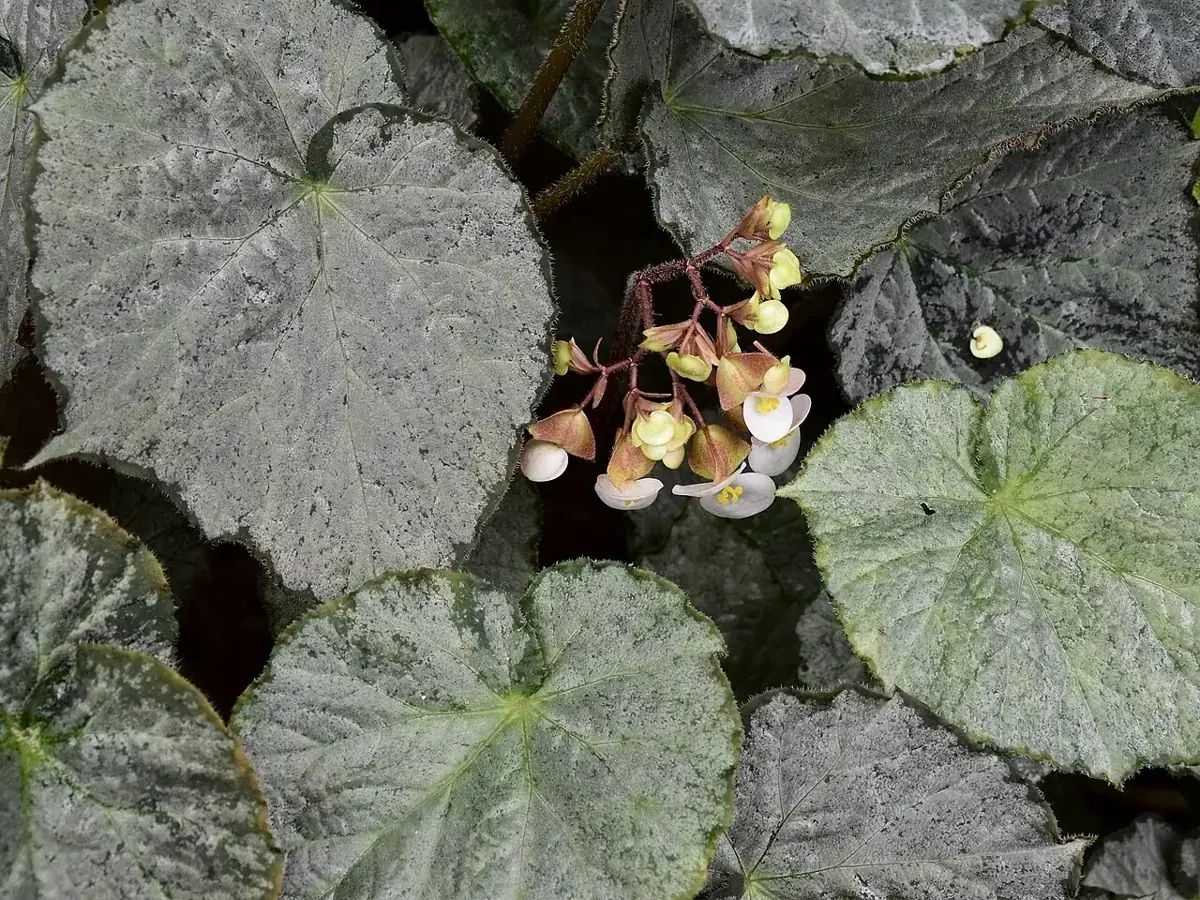
Rex begonias make foliage the main event, so their display works best with filtered light, room around the leaves and watering that respects the surface-growing rhizome.
Life indoors
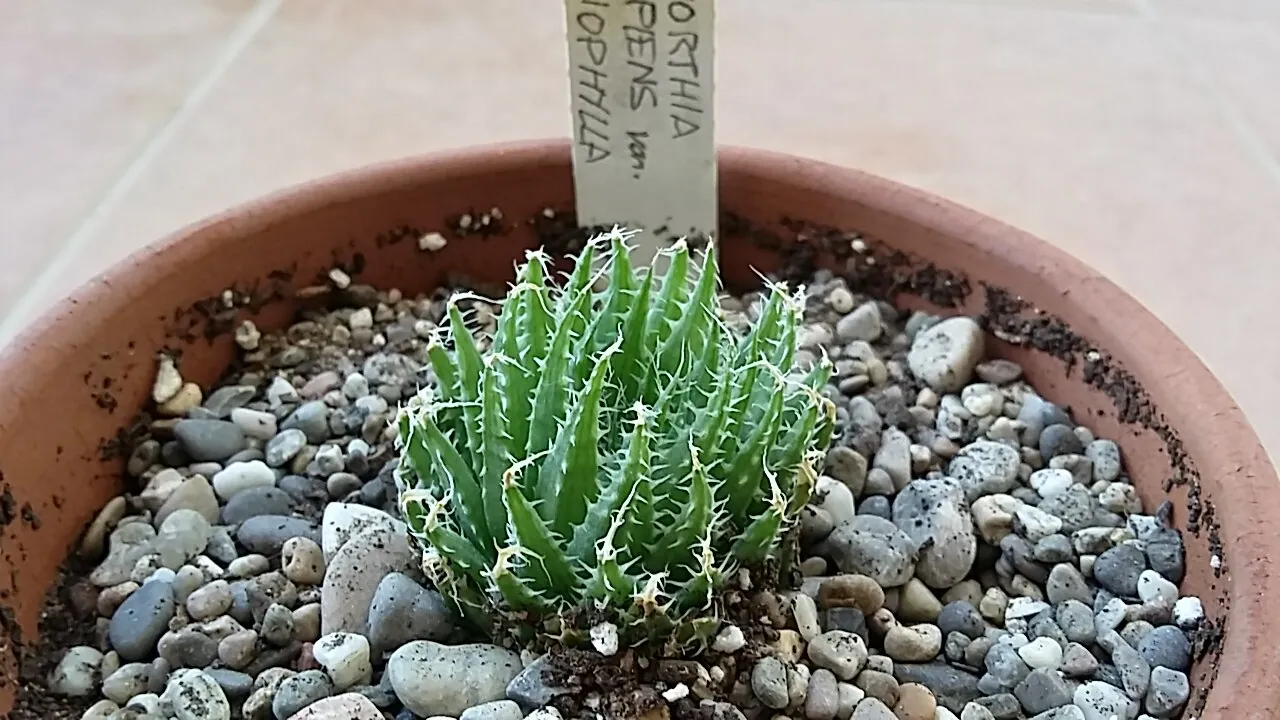
Haworthias suit a small shelf when the light is bright enough and the pot dries predictably; their compact scale should not be confused with a preference for permanent shade.
Life indoors
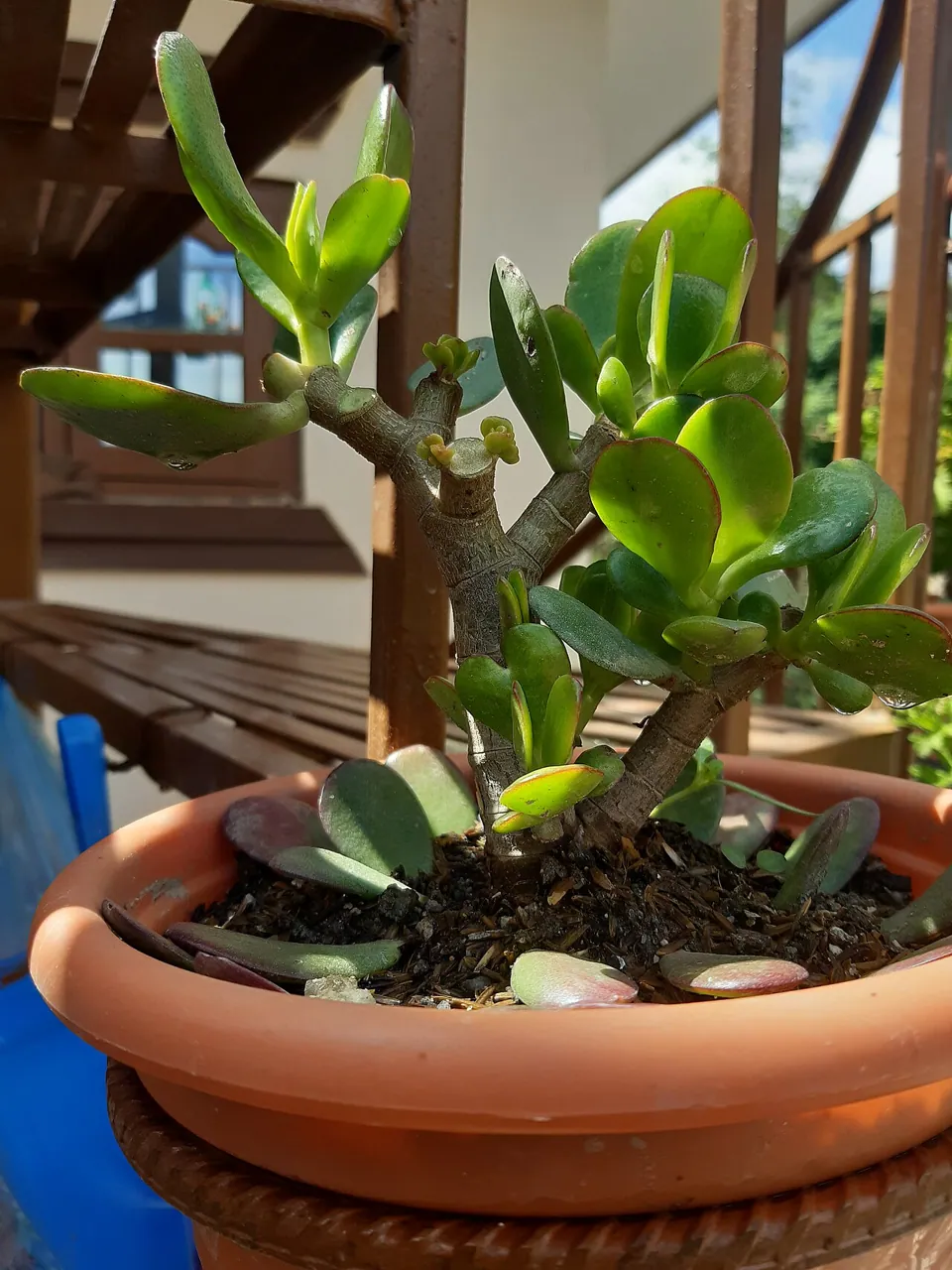
Compact jade growth depends on sufficient light and restrained watering; pruning can improve the outline, but it cannot correct the conditions that produced weak, stretched stems.
Life indoors
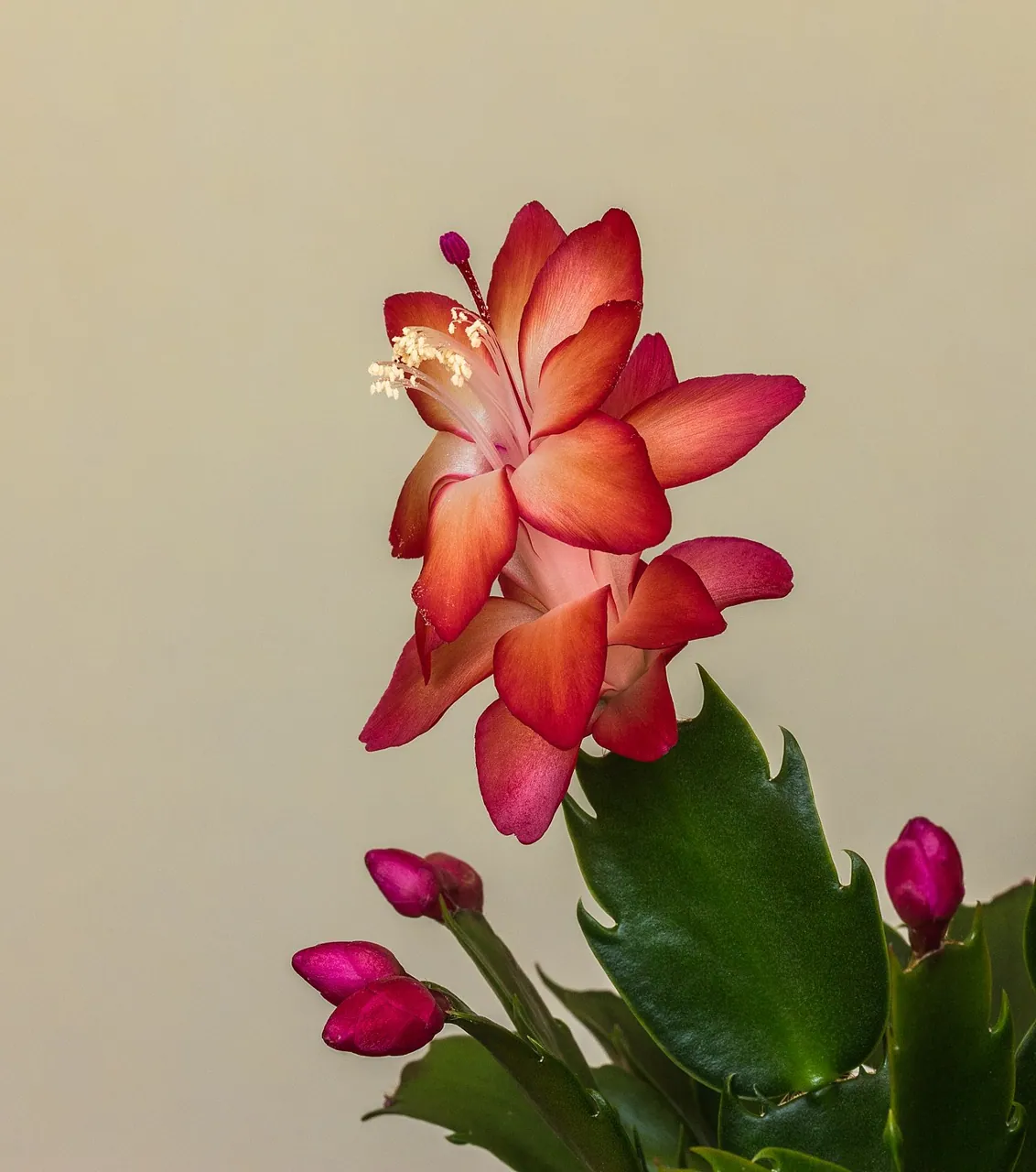
Holiday cacti grow from forest-adapted ancestors, so successful care combines airy roots, regular moisture checks and seasonal light cues rather than a desert-style drought routine.
Life indoors
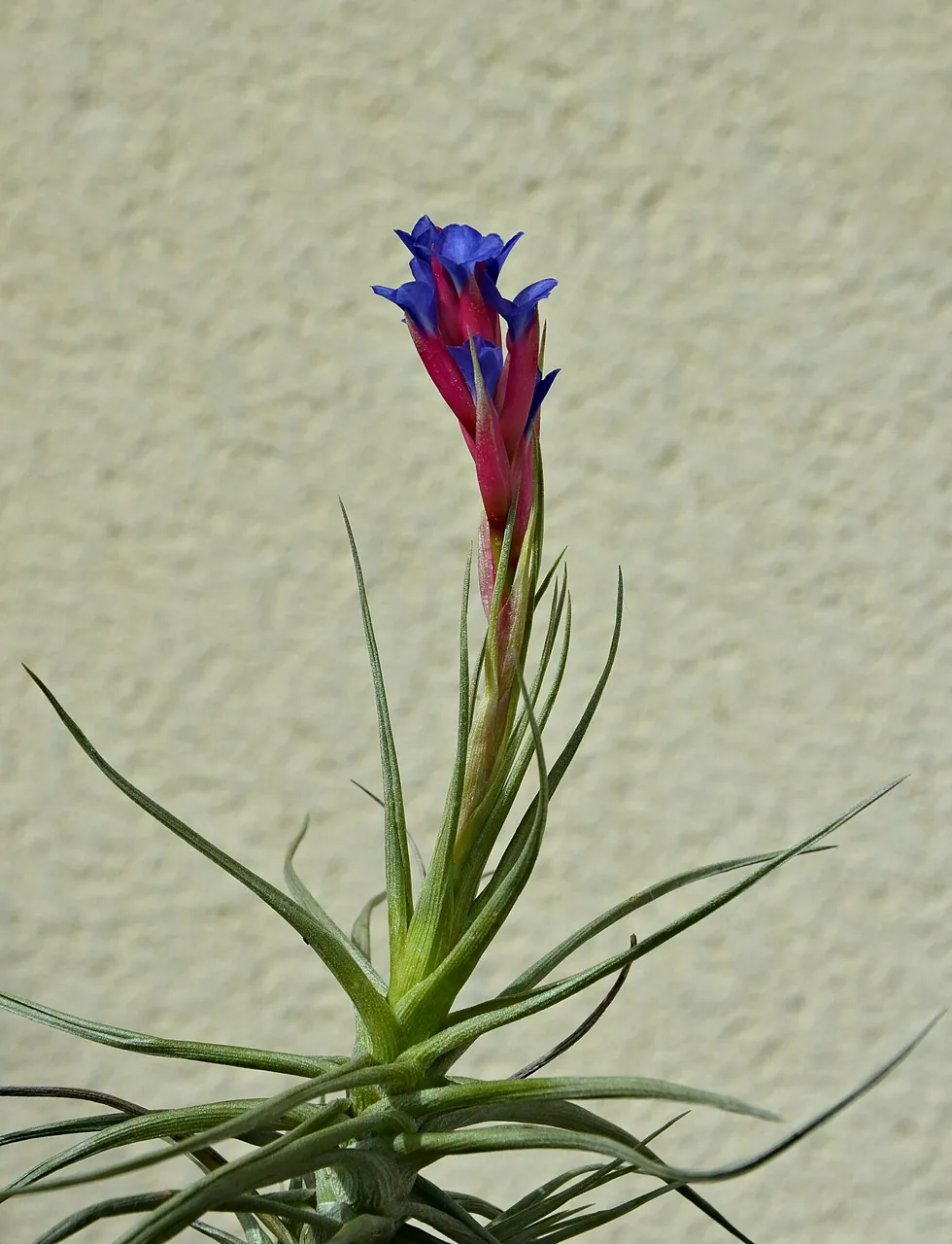
Air plants absorb moisture through their leaves, but the right watering method still depends on the species, airflow and display; a closed ornament can turn wet leaves into trouble.
Life indoors
Moving a plant away from a radiator changes more than temperature; the new position may alter light, drying speed and access, so a measured move works better than a blind retreat.
Seeds & new plants
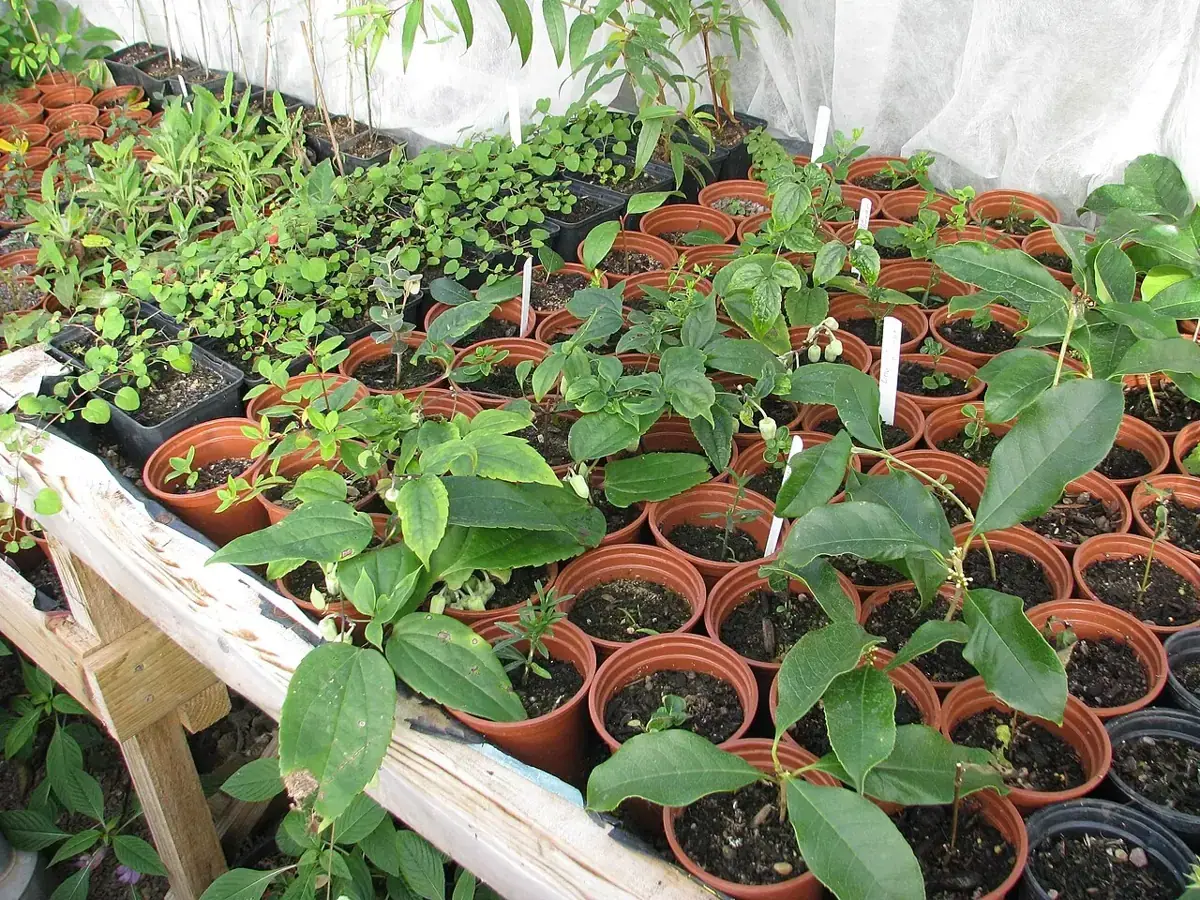
A seed tray becomes easier to care for when its labels, drainage and sowing groups make sense together; organisation should reveal differences rather than hide them beneath one lid.
Seeds & new plants
Direct sowing succeeds when the soil and weather suit the seed, not merely when the packet's month arrives; a prepared, marked patch makes emergence easier to judge.
Seeds & new plants
A seed packet is a compact growing plan, but its dates and spacing need interpretation; separating germination, transplanting and mature size prevents several common mistakes before sowing.
Seeds & new plants
Fine seed is easiest to sow when the surface is prepared first and the amount is deliberately limited; visible spacing now saves delicate thinning work later.
Seeds & new plants
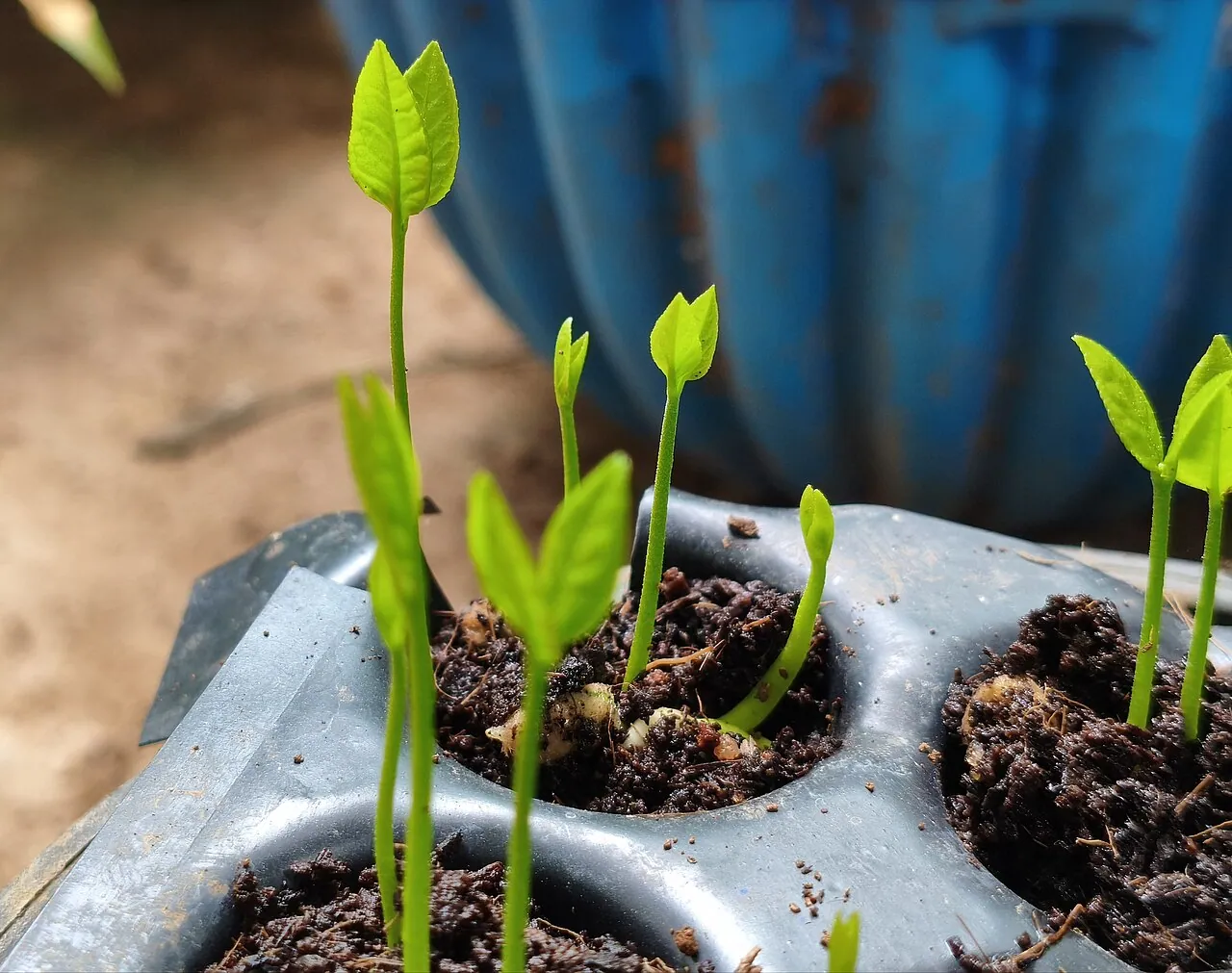
Pricking out is a careful transfer of a young root system, not a test of how firmly you can grip a seedling; preparation keeps fragile plants out of the air for less time.
Seeds & new plants
Hardening off introduces seedlings to outdoor light, wind and temperature in manageable steps; an unsettled forecast means adjusting the exposure rather than following an inflexible daily timetable.
Seeds & new plants
Long, pale seedlings usually need a review of light, temperature and crowding before any rescue treatment; the next section of growth reveals whether the conditions have improved.
Seeds & new plants
Damping off can collapse seedlings before or after emergence; the most useful response combines removal of affected material with a cleaner, less crowded next sowing.
Seeds & new plants
A small germination test can guide a seed-order decision, but its result is an estimate from a sample, not a promise that every viable seed will establish outdoors.
Seeds & new plants
Dry seed collection is a brief window between ripeness and dispersal; a labelled paper bag and repeated small visits often work better than one sweeping harvest.
Seeds & new plants
A damp shed is an uncertain seed store; dry seed needs a stable, labelled system that excludes moisture while preserving the information needed for next season's sowing.
Seeds & new plants
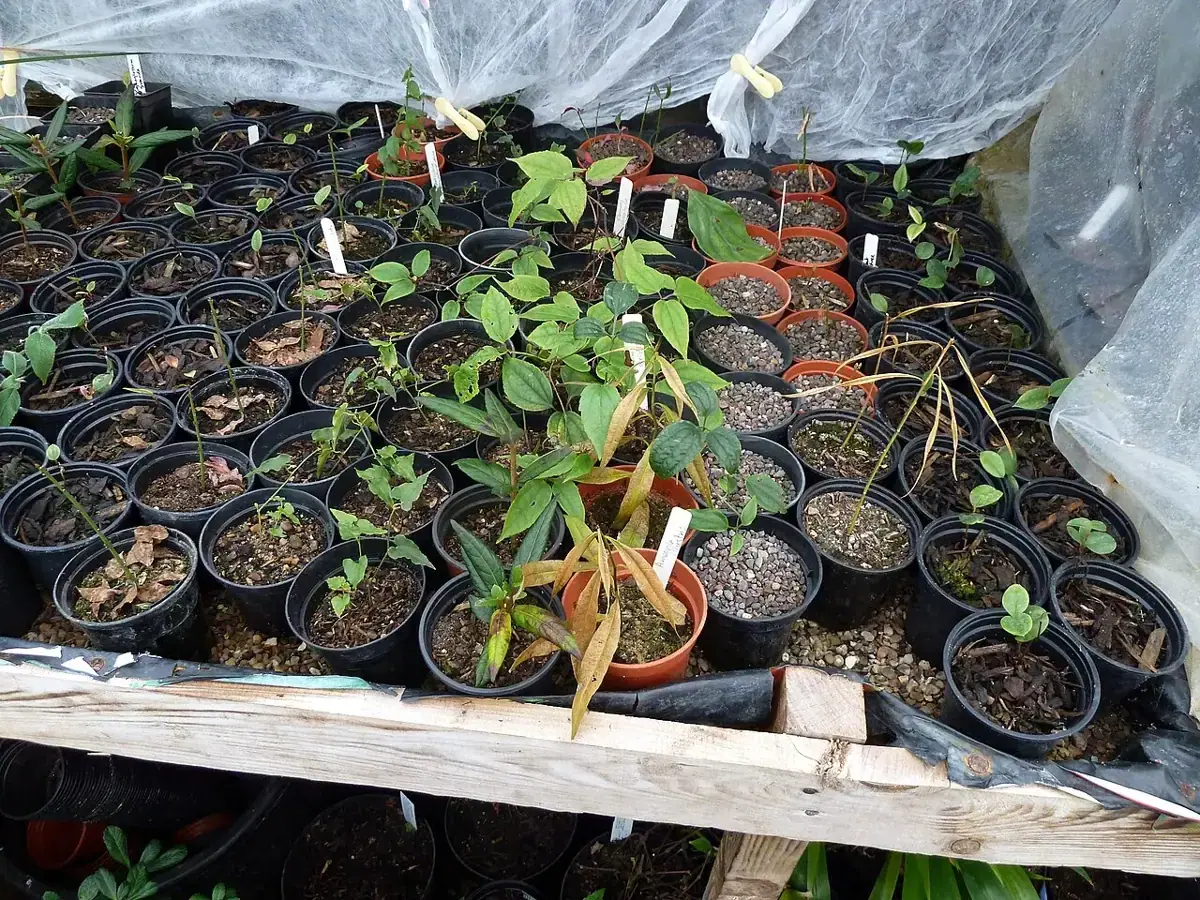
Softwood cuttings lose water quickly before they have roots; success begins with suitable young growth and a prepared propagation space, not with a large pile of cut stems.
Seeds & new plants
Semi-ripe cuttings combine a firmer stem base with a still-flexible tip; recognising that texture helps you select material more accurately than relying on a late-summer date alone.
Seeds & new plants
Hardwood cuttings use dormant mature shoots and a patient timetable; correct orientation, firm contact and clear labels matter more than visible growth in the first few weeks.
Seeds & new plants
Dividing a perennial is an opportunity to keep vigorous young sections and reassess the planting space; preserving an exhausted centre is not always the right goal.
Seeds & new plants
Layering lets a low branch form roots while it remains connected to the parent, making it a useful patient method when a flexible stem can reach suitable soil.
Seeds & new plants
Root cuttings are a specialised option for plants that can regenerate from root sections; correct identification and orientation prevent a promising winter task from becoming random root damage.
Seeds & new plants
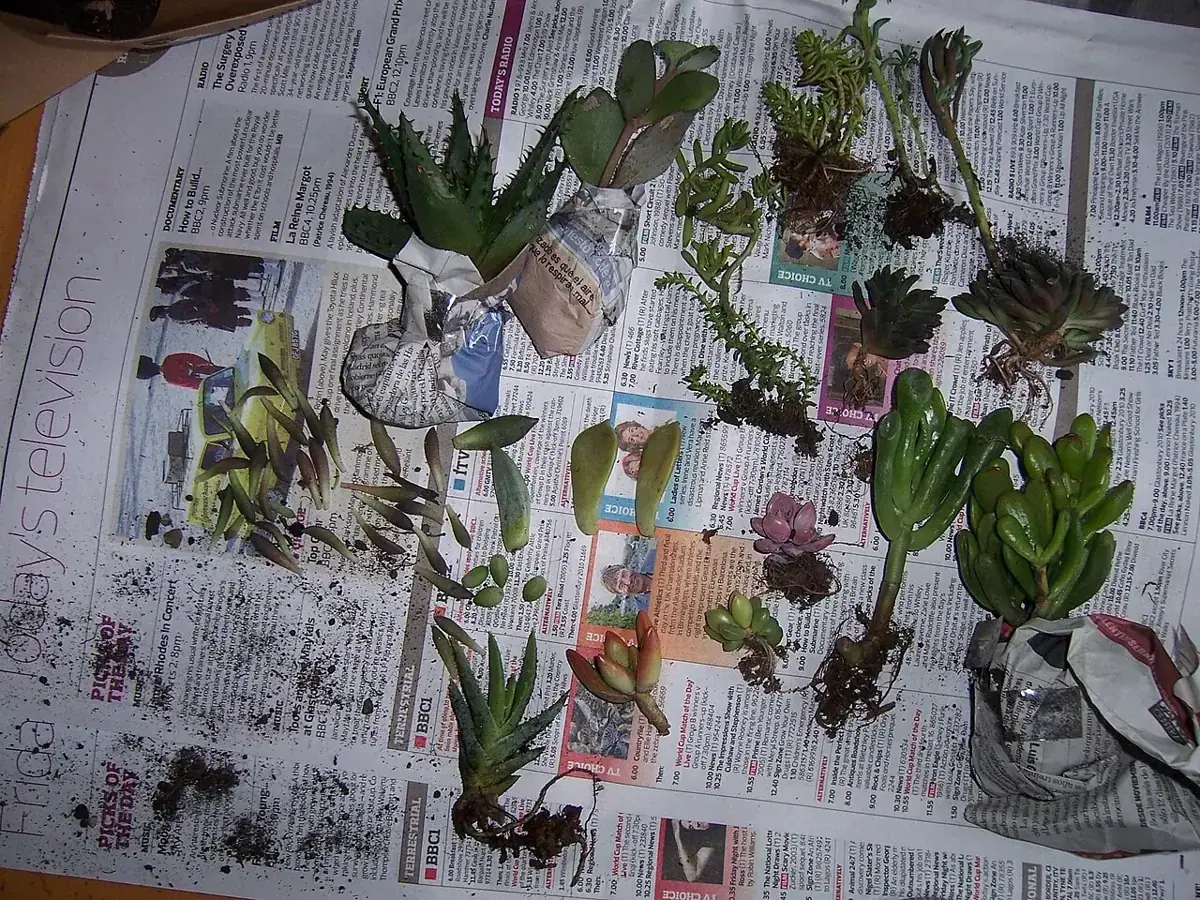
Succulent offsets are already small plants, but separating them too early can remove the roots and reserves that make propagation straightforward; inspect the connection before pulling.
Seeds & new plants
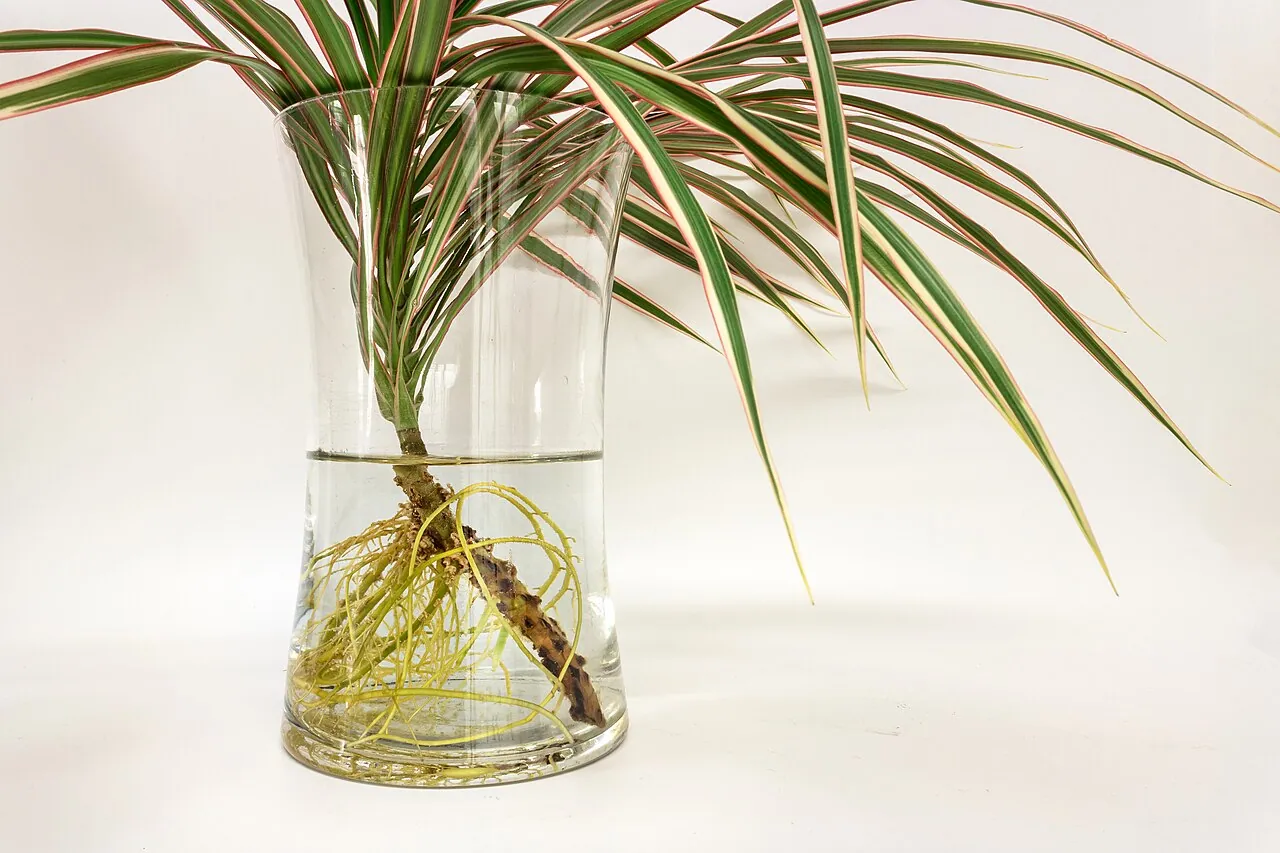
Moving a water-rooted cutting into potting mix is a change of root environment; a small container and careful moisture observation make the transition easier to manage.
Seeds & new plants
Saved seed carries a family history, not a photocopy of the parent; understanding hybrid status and pollination helps you decide when variation is welcome and when cuttings are preferable.
Soil & containers
A larger pot is useful when the roots need space, but slow growth alone is not a diagnosis; inspect the root ball and growing conditions before choosing the next container.
Soil & containers
Container drainage begins with an open route out of the pot and a suitable growing medium; decorative gravel at the bottom cannot make a sealed vessel drain.
Soil & containers
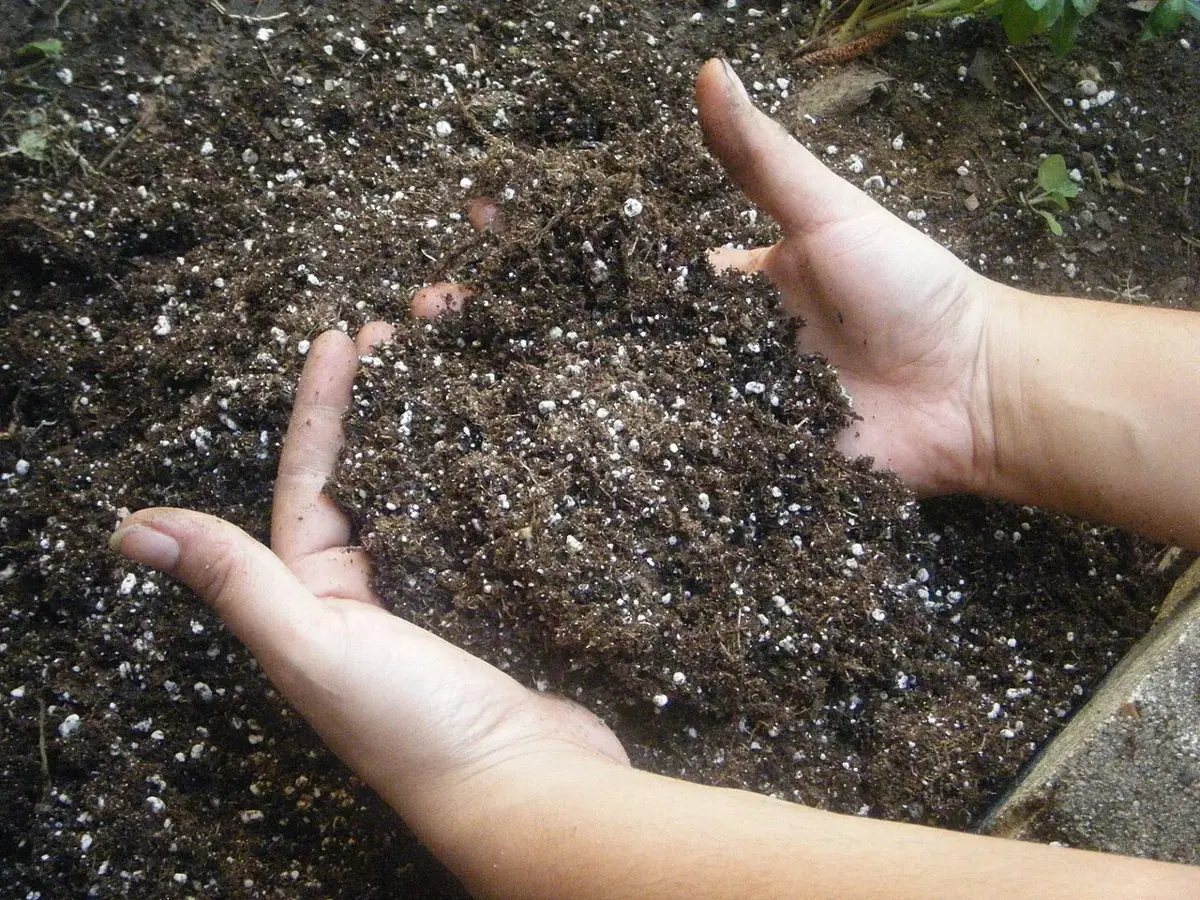
Potting mix is designed for a confined root space, where water and air behave differently from an open bed; the bag's intended use matters more than the word soil.
Soil & containers
A root ball that stays wet tells a story about pot size, medium, light and root activity; drooping leaves above it should prompt inspection before another watering.
Soil & containers
Terracotta and plastic change how a pot dries and how easily it moves; choose between them by matching the material to the plant, exposure and your watering habits.
Soil & containers
A sour or ammonia-like compost smell is a clue to inspect moisture, ingredients and air spaces; adding another layer on top may hide the problem without correcting it.
Soil & containers
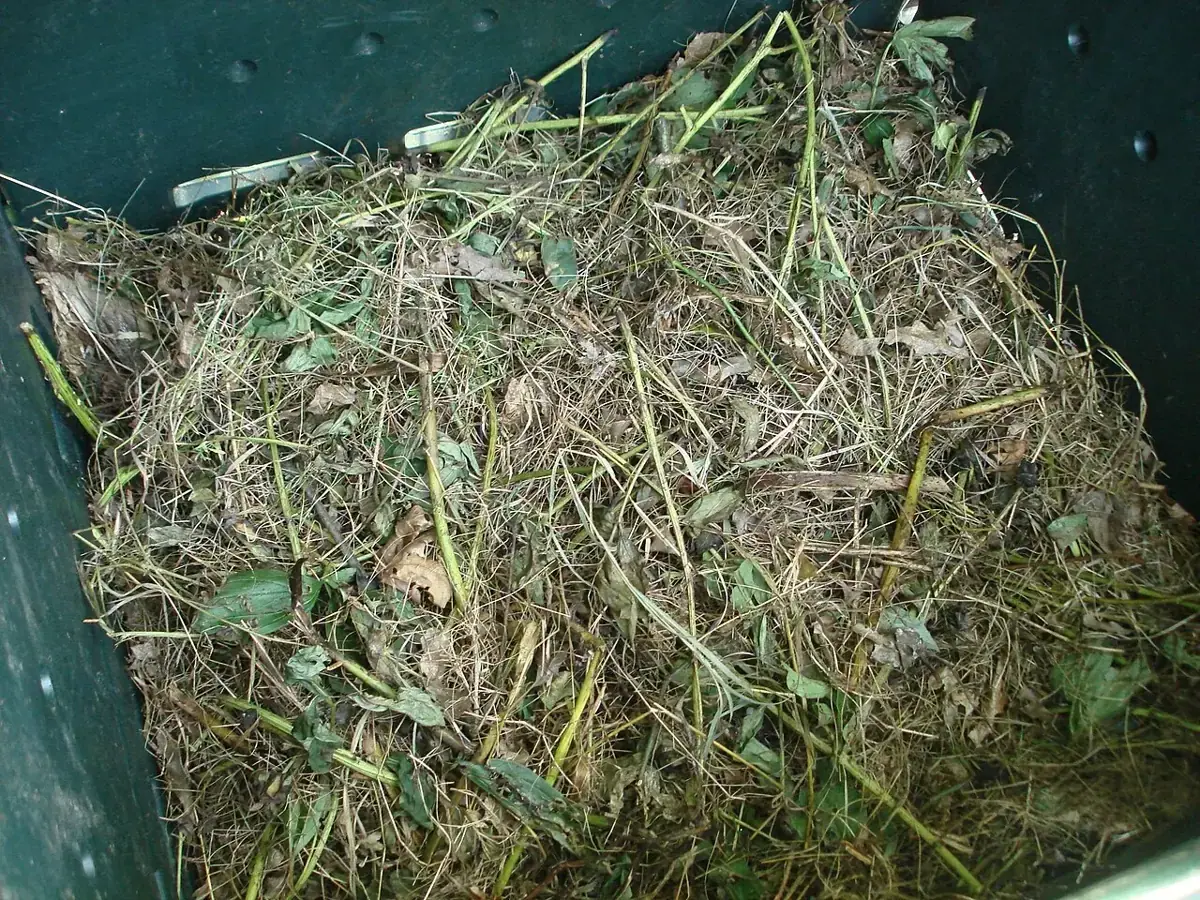
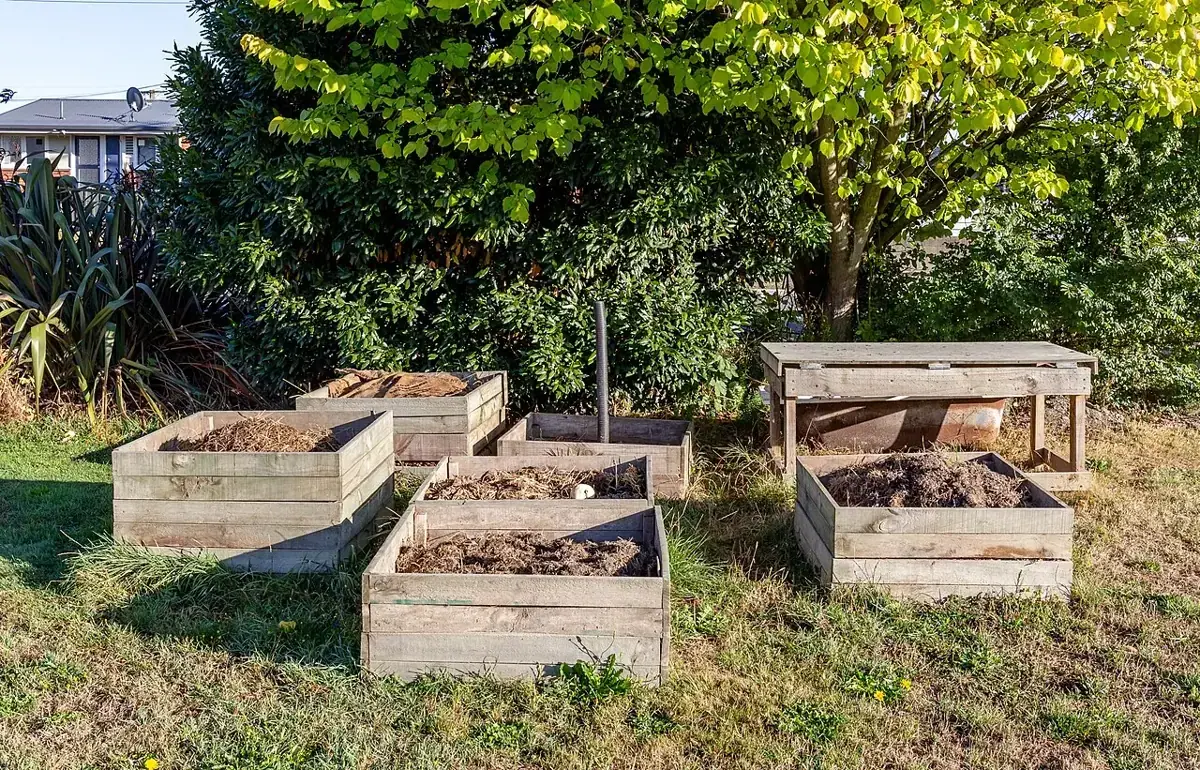
A small compost bin needs a varied supply of moist and dry material that you can add consistently; keeping a reserve of browns makes kitchen scraps easier to manage.
Soil & containers
Leaf mould asks for space, moisture and patience more than elaborate equipment; a labelled bag or small enclosure can turn seasonal leaves into a useful soil conditioner.
Soil & containers
Mulch belongs over the soil, with deliberate space around crowns and stems; the final edge matters as much as the material when protecting moisture without burying plants.
Soil & containers
Before rebuilding a wet bed, observe where water arrives, how long it stays and what lies beneath; drainage problems can begin outside the planting area itself.
Soil & containers
Clay can support a generous garden when its structure is protected. Start with access, moisture and suitable plants before trying to change the soil itself.
Soil & containers
Fast-draining soil rewards repeated, measured additions of organic matter and careful watering. Build a routine that holds moisture without trying to manufacture a different soil.
Soil & containers
A soil test can prevent a costly attempt to correct the wrong problem. Learn what pH reveals, how to sample and when leaving soil alone is wiser.
Soil & containers
Potting ingredients have different jobs. Choose perlite, grit or a ready-made mix by the root environment you need, rather than by a universal recipe.
Soil & containers
A decorative pot needs a real route for excess water. Understand the difference between a drainage opening, a removable nursery pot and a hidden reservoir.
Soil & containers
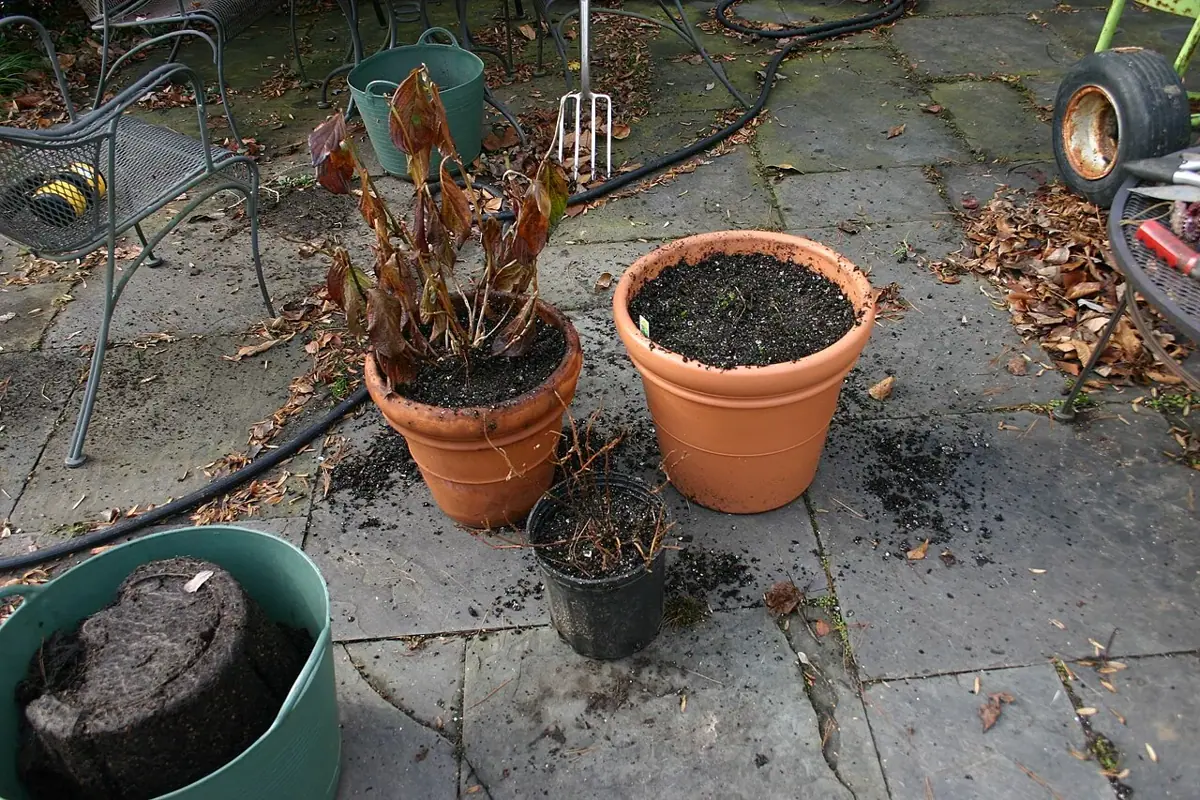
Used potting mix can have another useful life. Decide its next job from the previous crop, remaining structure and growing demands of the next plant.
Soil & containers
Container feeding works best as one coordinated programme. Check the nutrients already in the mix, measure accurately and adjust only when the plant's growth supports it.
Soil & containers
The useful information on a fertiliser package extends beyond its front label. Read nutrient declarations, dilution, timing and application method as one set of instructions.
Soil & containers
A raised bed succeeds when every routine task is comfortable. Test reach, path width and working height before committing to timber, soil and a permanent footprint.
Soil & containers
Refreshing the surface of a large container can support an established plant. Work gently around roots, preserve the original planting level and recognise when bigger intervention is needed.
The edible corner
A shared herb pot needs more than a pleasing mixture of leaves. Match moisture, light and growth habits so one useful herb does not overwhelm another.
The edible corner
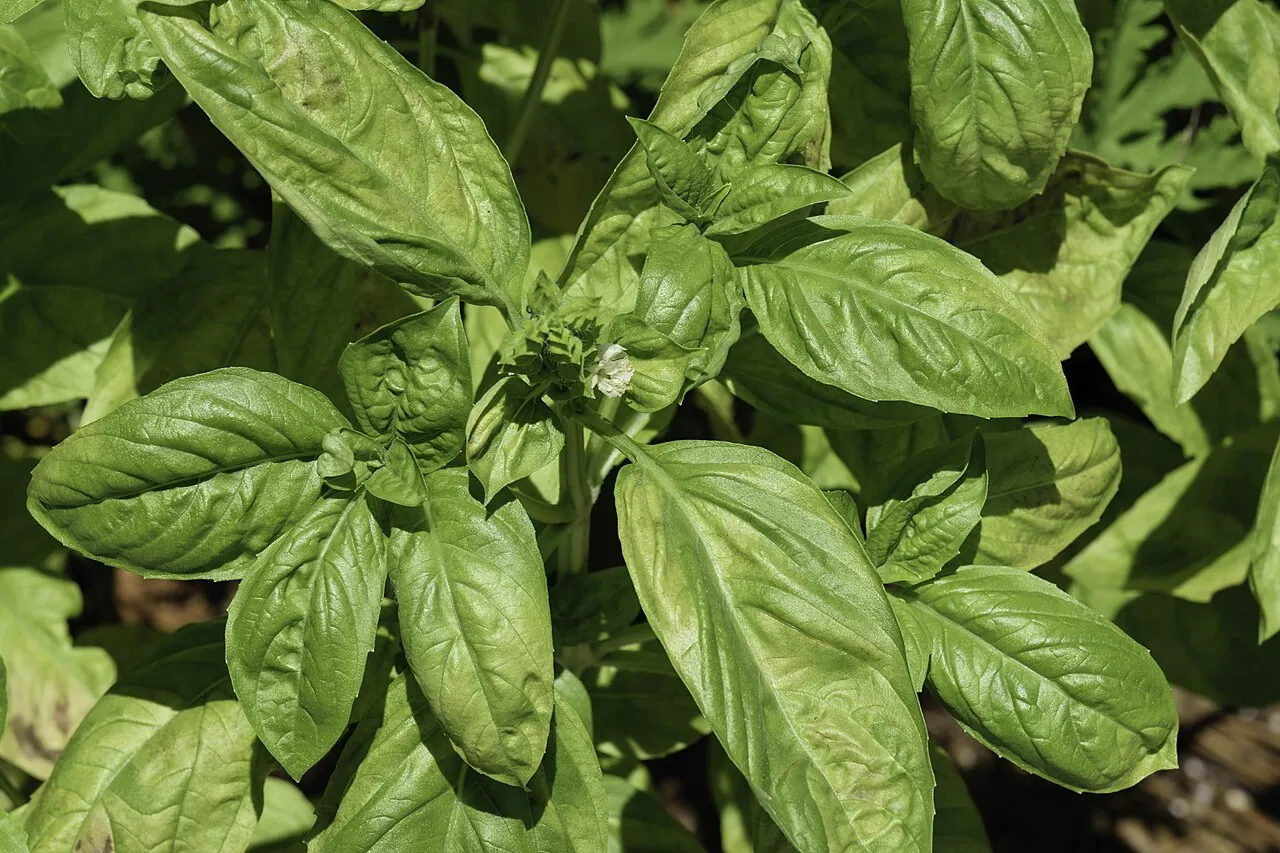
Basil becomes more useful when harvesting also shapes the plant. Take leafy shoot tips, preserve enough growth and match each picking to the warmth and light available.
The edible corner
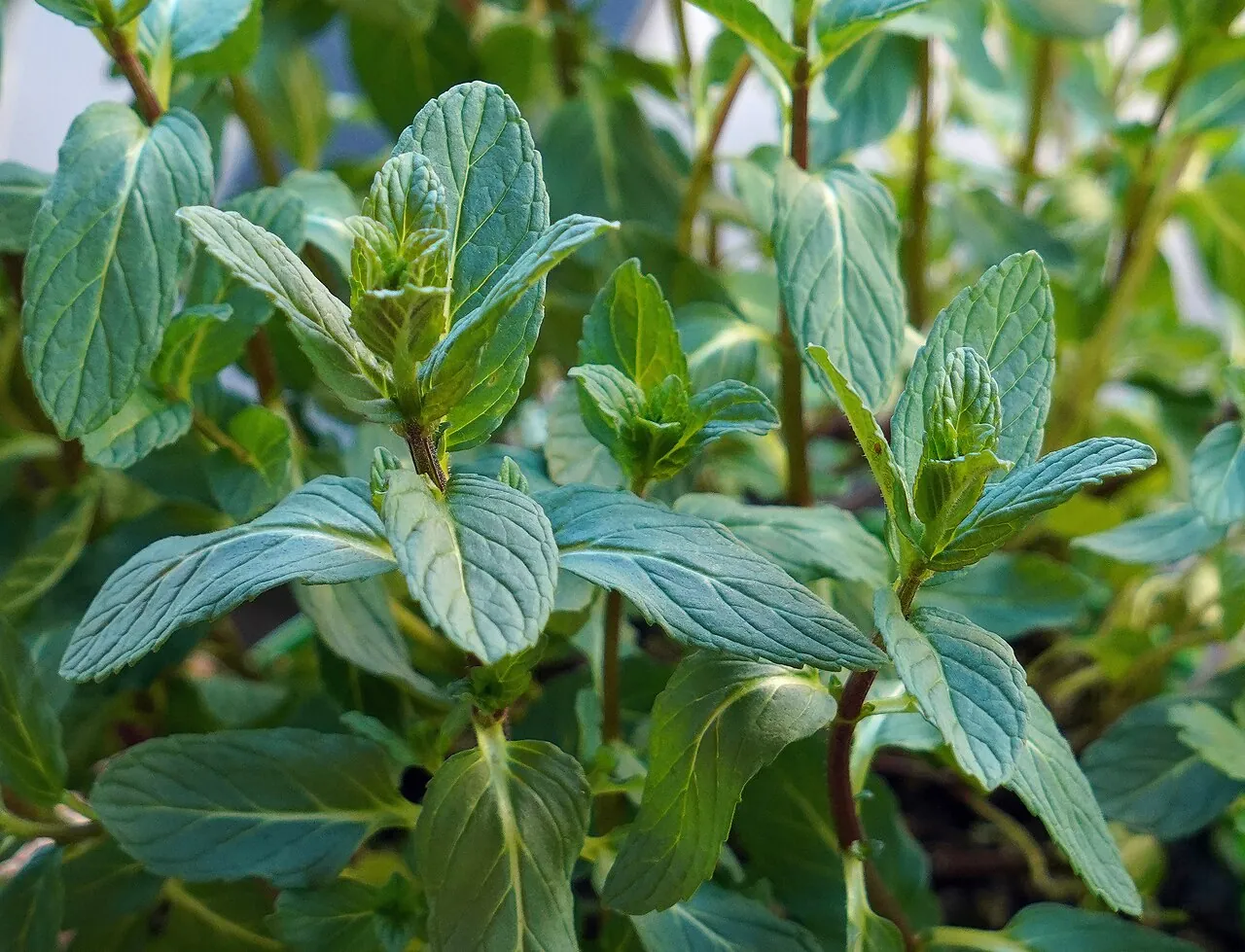
Mint is easier to enjoy when its spreading roots have a clear boundary. Give it a separate container, then renew the clump before crowding reduces useful growth.
The edible corner
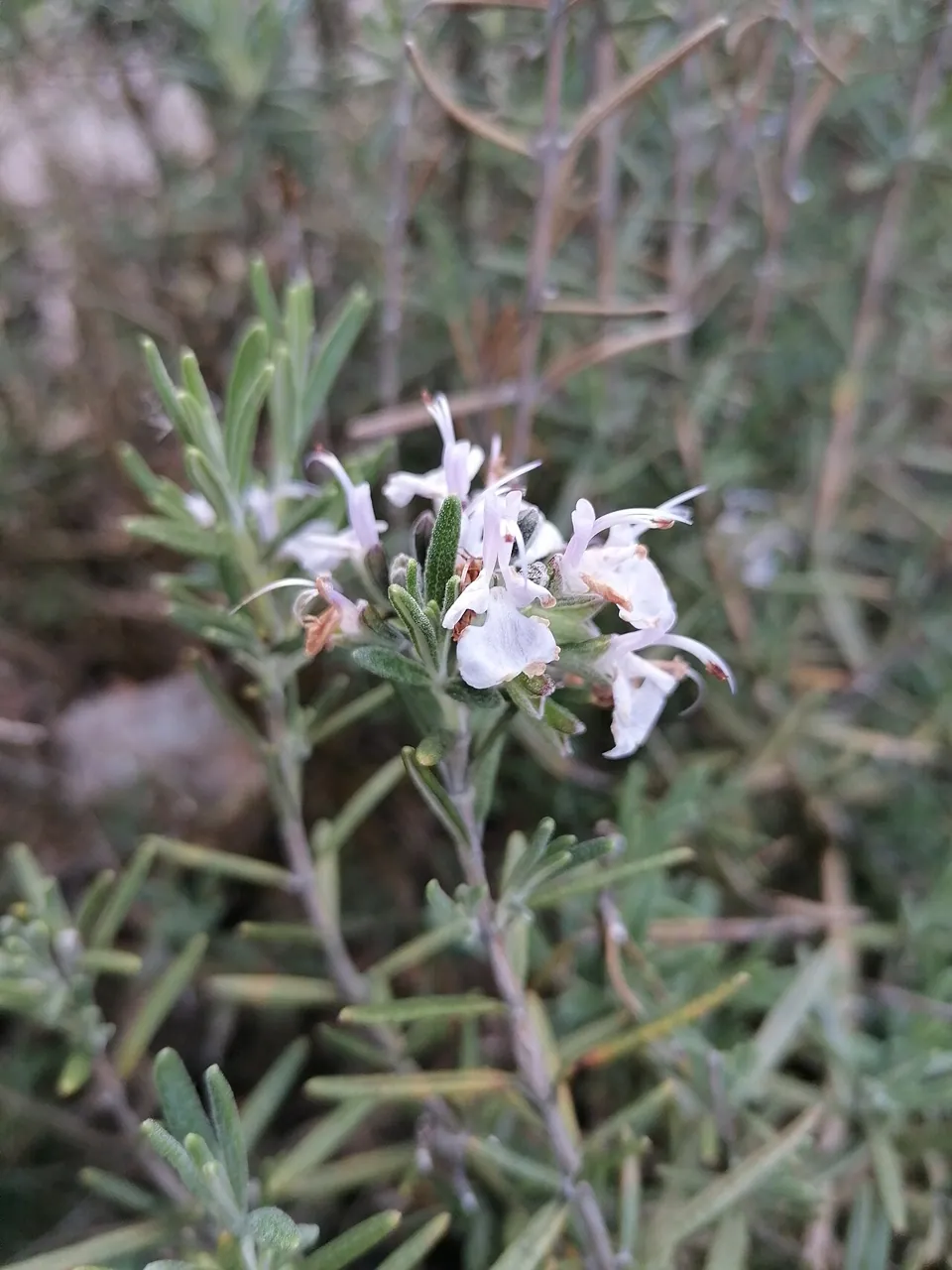
Rosemary's winter problems often involve wet roots as well as cold. Review the container, rainfall and shelter before moving a healthy plant into a warm room.
The edible corner
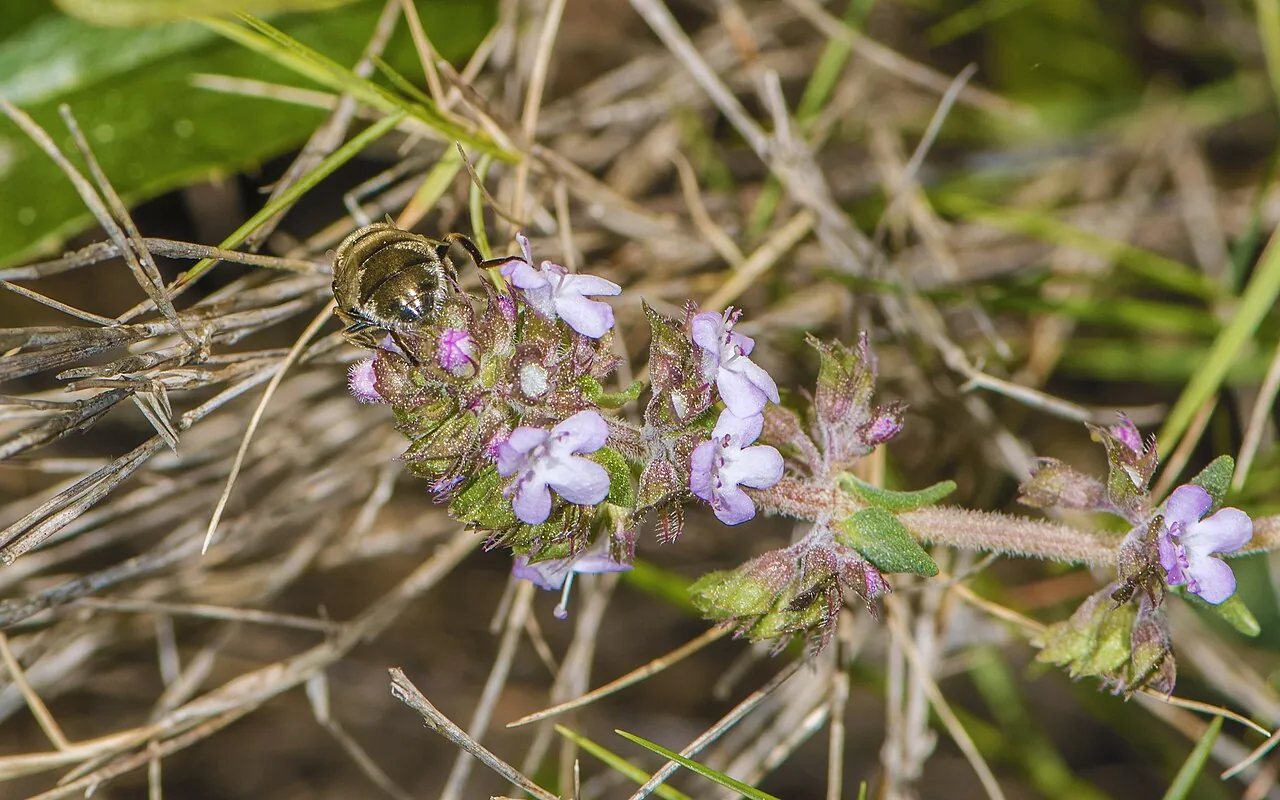
Thyme stays more useful when light harvesting and occasional trimming preserve leafy growth. Learn where to cut and when an old plant is better renewed.
The edible corner
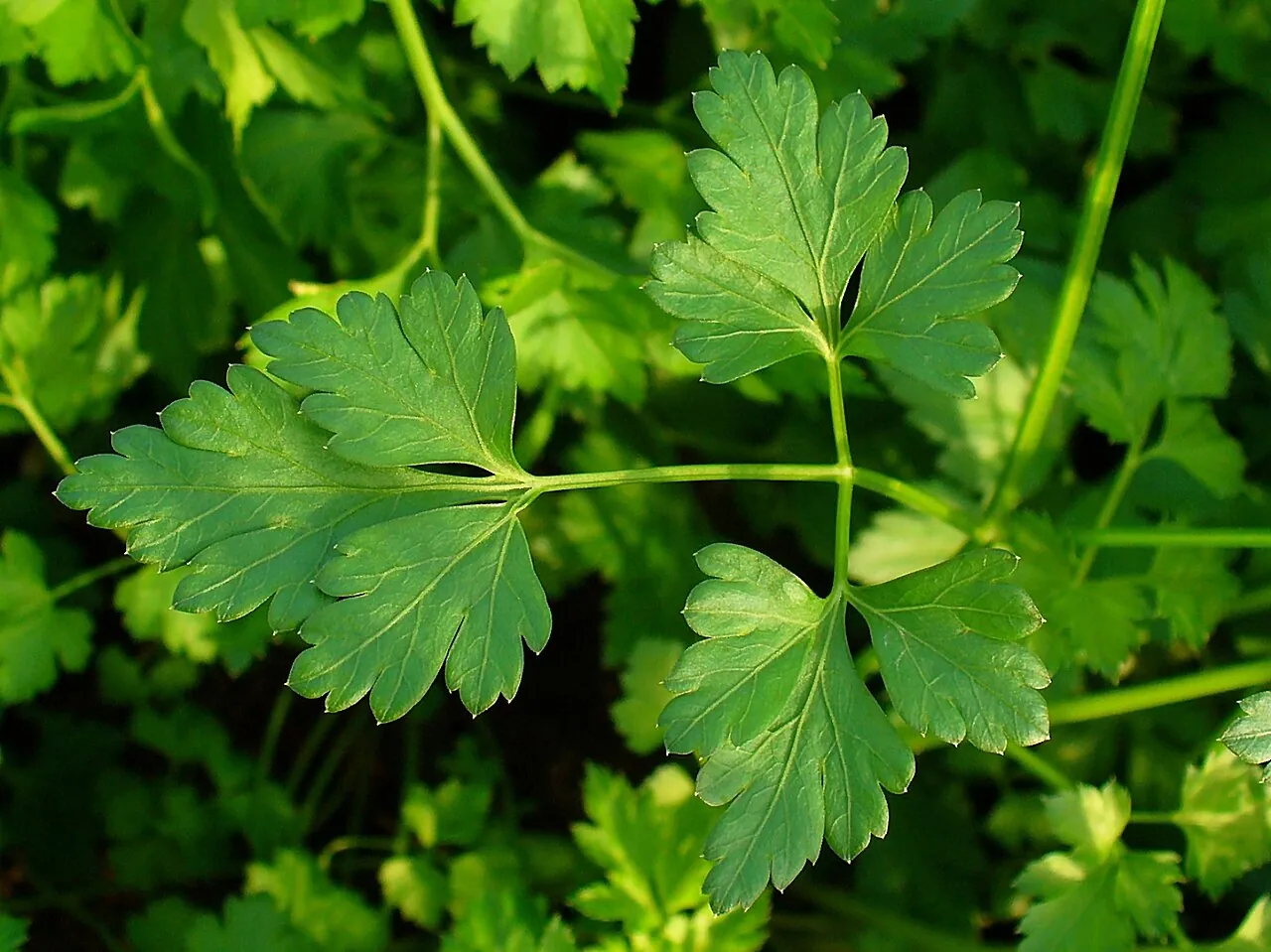
Parsley's second season has a different purpose from its first. Plan replacement sowings while harvesting outer stems, and decide whether older plants will supply seed instead.
The edible corner
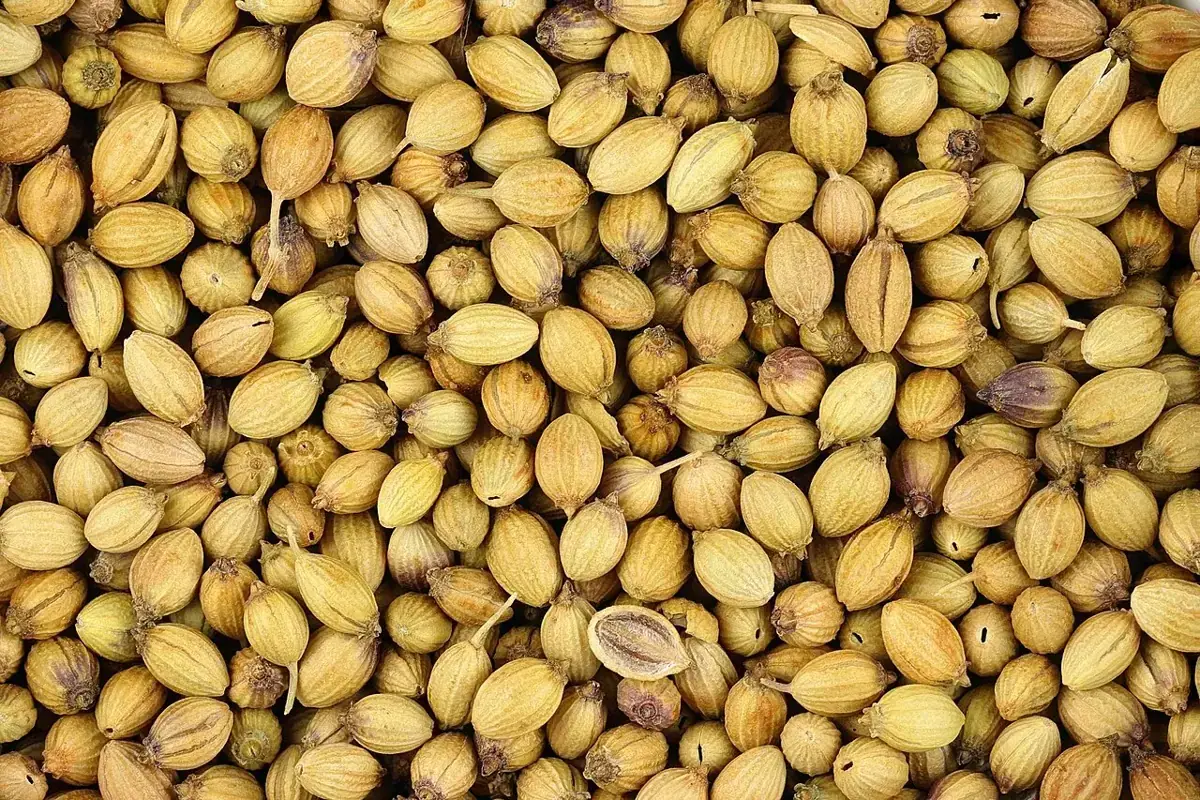
Coriander is more dependable as a sequence of small crops than one large sowing. Match batches to the weather and give flowering plants a different job.
The edible corner
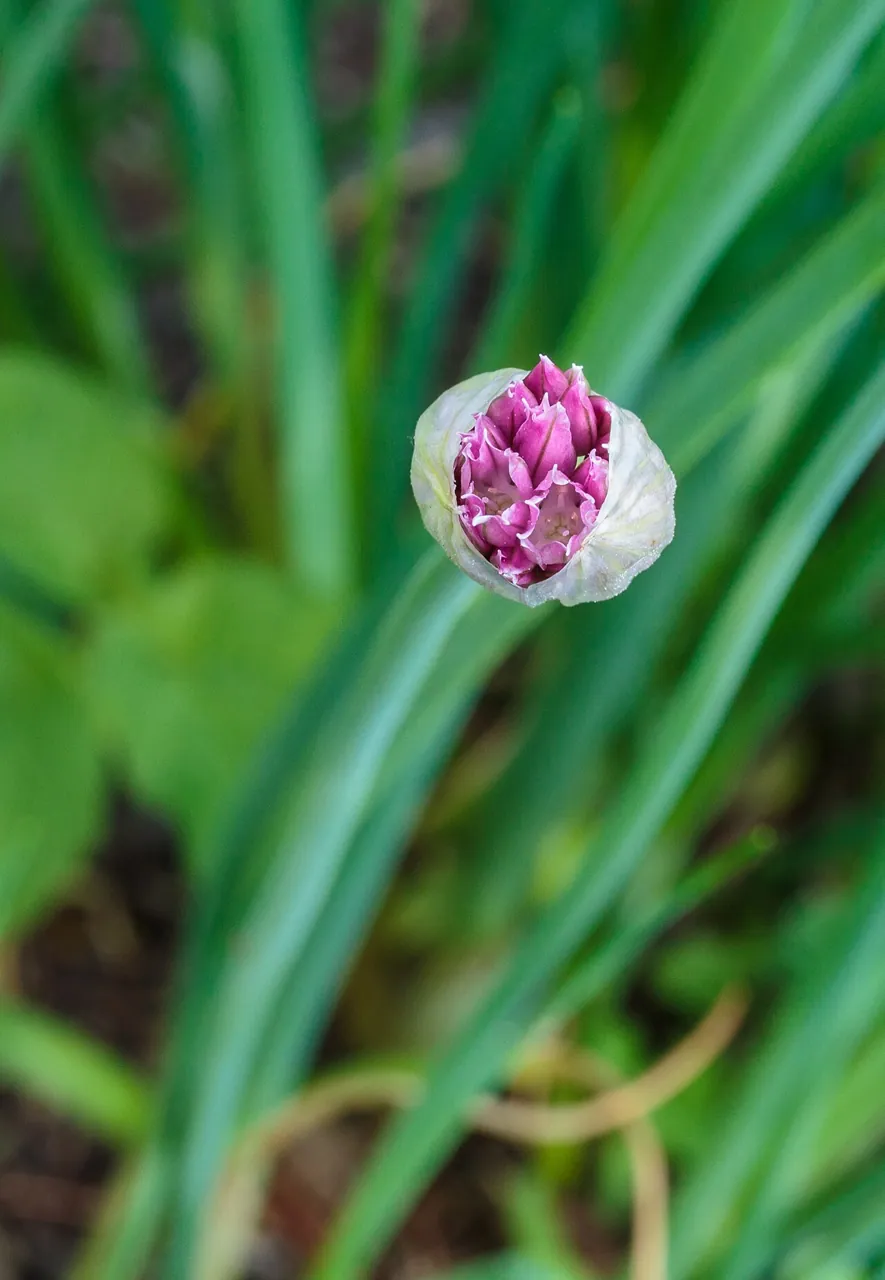
A chive clump can supply both flowers and fresh leaves for years. Divide congestion, rotate harvesting and allow renewed sections time to establish before heavy cutting.
The edible corner
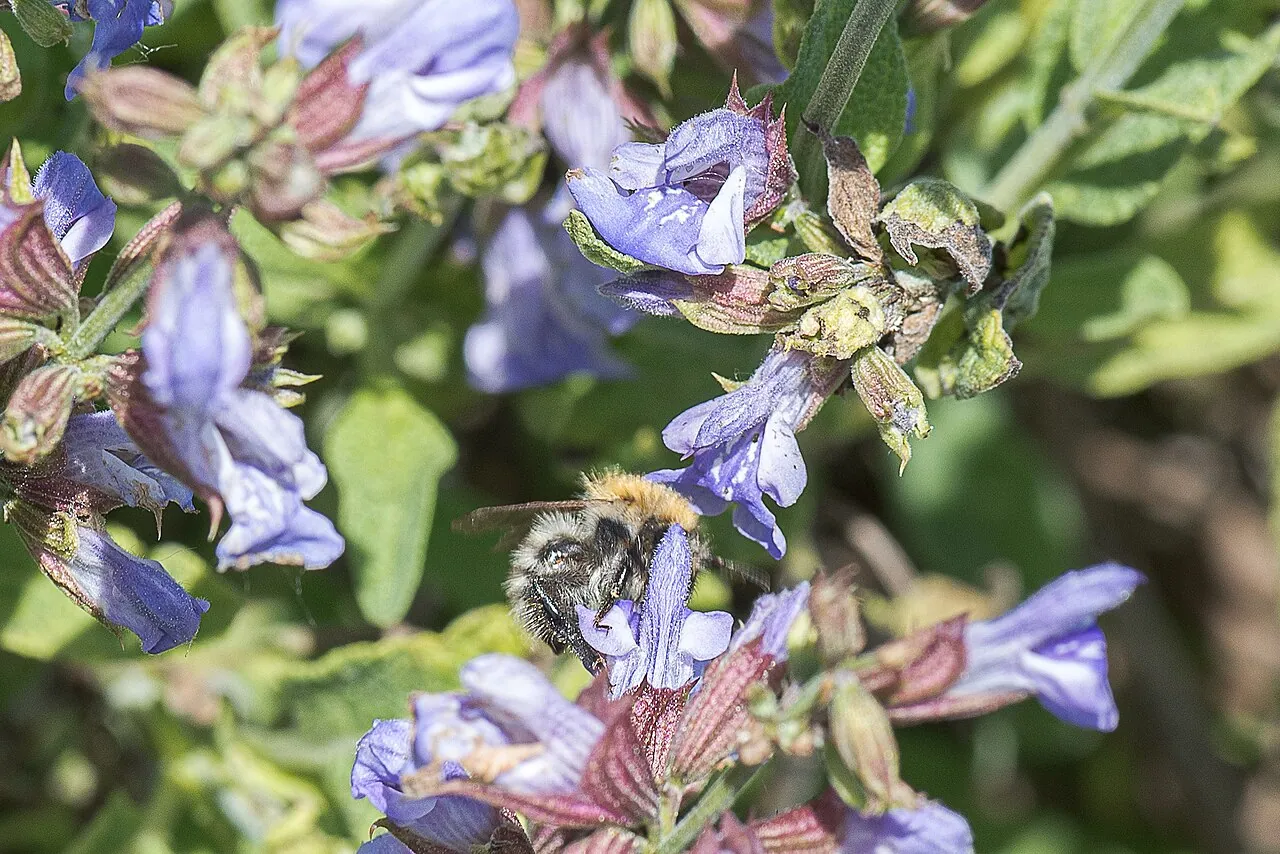
Common sage responds to careful shaping while leafy growth remains. Trace each branch before pruning, preserve living shoots and renew an ageing plant without relying on drastic cuts.
The edible corner
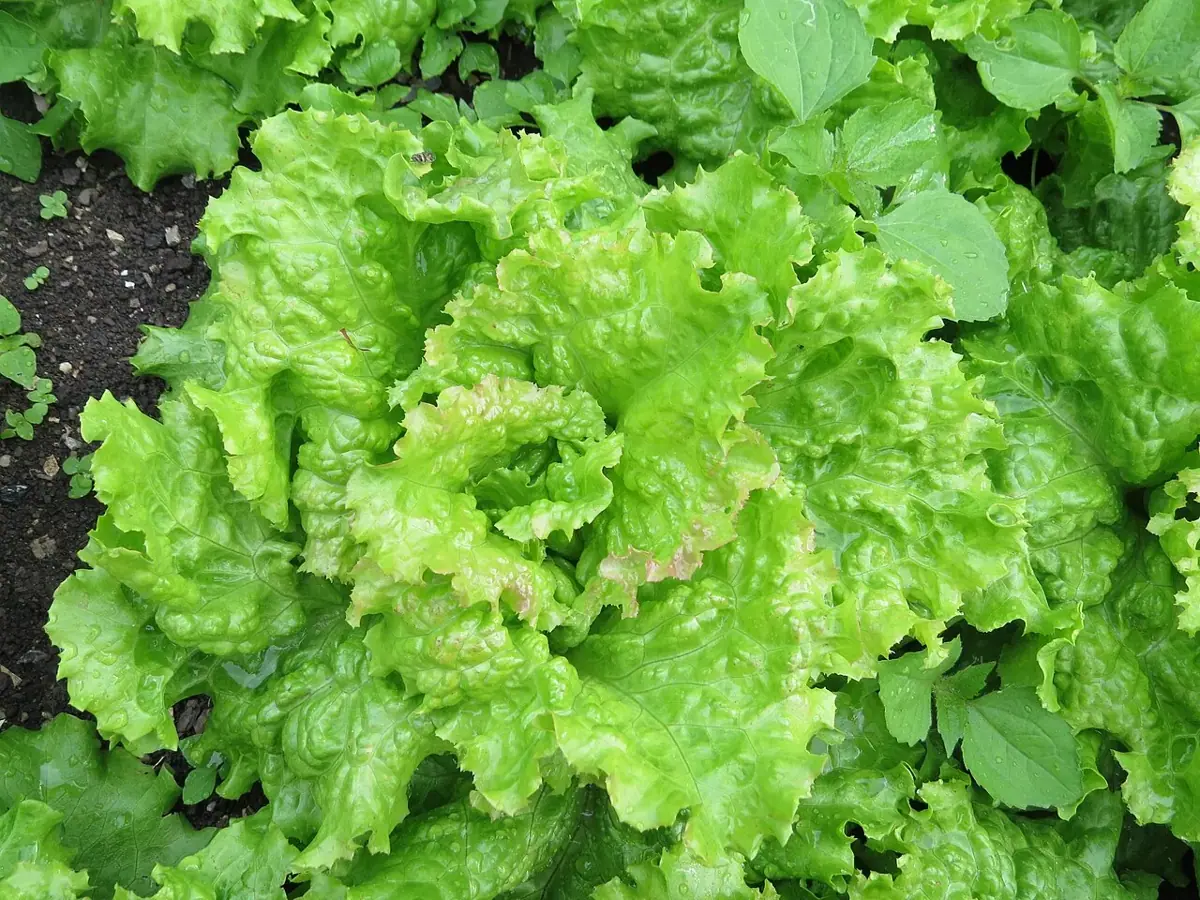
A modest growing box can provide useful lettuce leaves when its depth, moisture and harvest style agree. Choose a leaf crop and keep the next sowing ready.
The edible corner
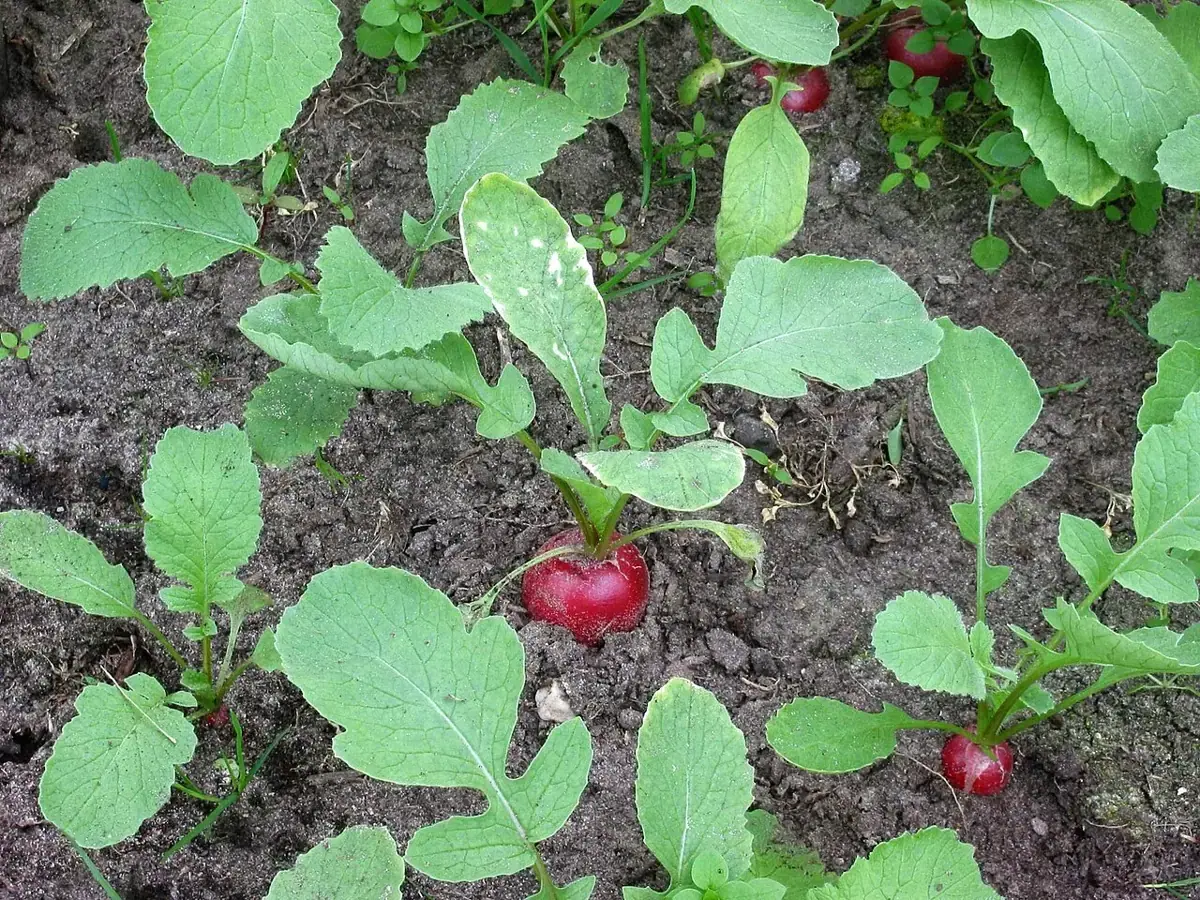
Radishes are quick crops with a short window of tenderness. Choose the correct seasonal type, avoid crowded seedlings and begin checking roots before the whole row looks impressive.
The edible corner
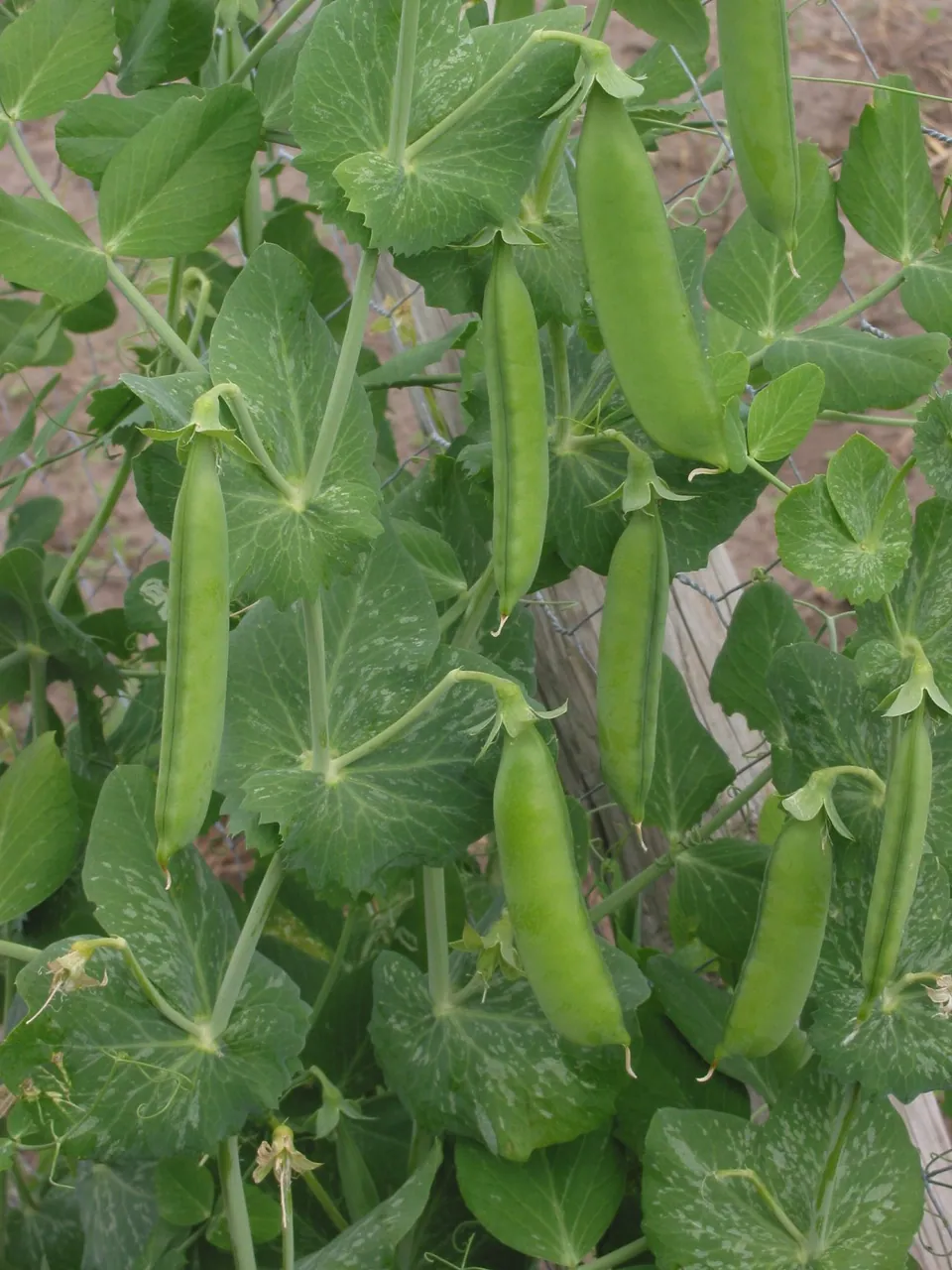
Peas climb more neatly when their tendrils find support early. Match the structure to the variety, leave harvesting access and distinguish the different stages of edible pods.
The edible corner
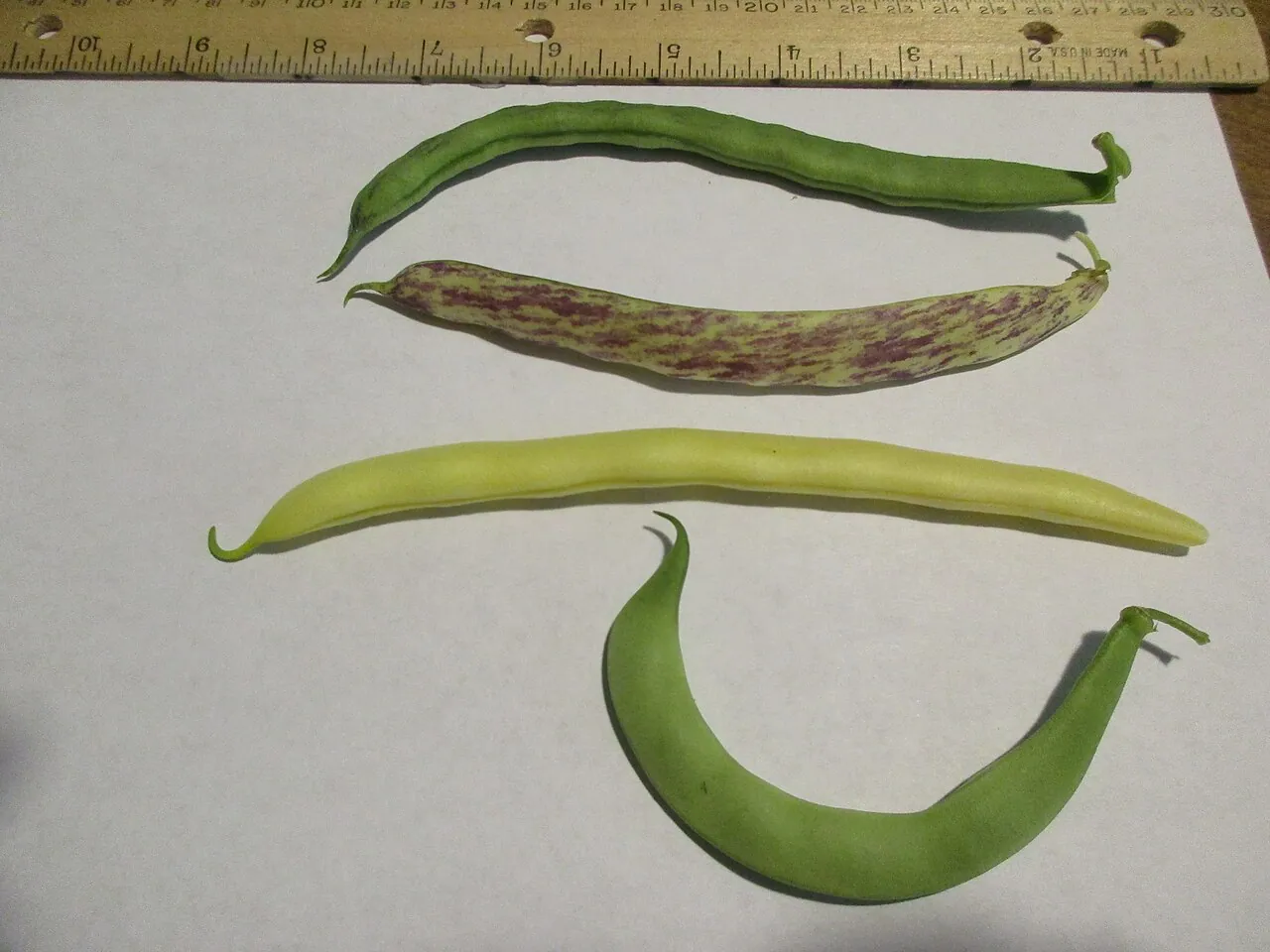
A climbing bean frame must carry a mature, rain-soaked crop. Plan stability and harvesting reach before planting, then help young stems find their route upward.
The edible corner
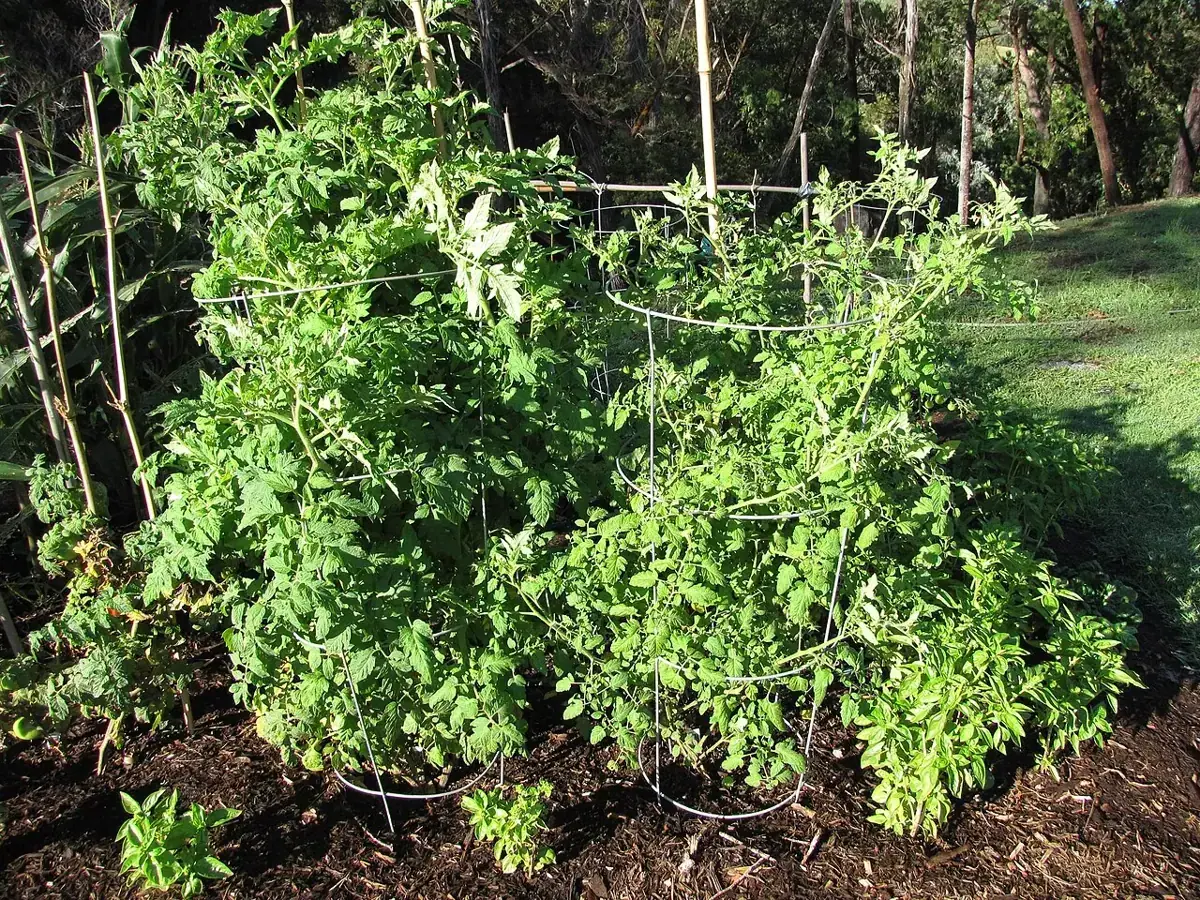
Tomato pruning begins with the plant's growth habit. Identify bush or cordon types before removing shoots, and give each the support and space its structure requires.
The edible corner
Chillies need enough growing time as well as warm weather. Choose a suitable variety, protect early growth and follow the fruit's own colour changes through ripening.
The edible corner
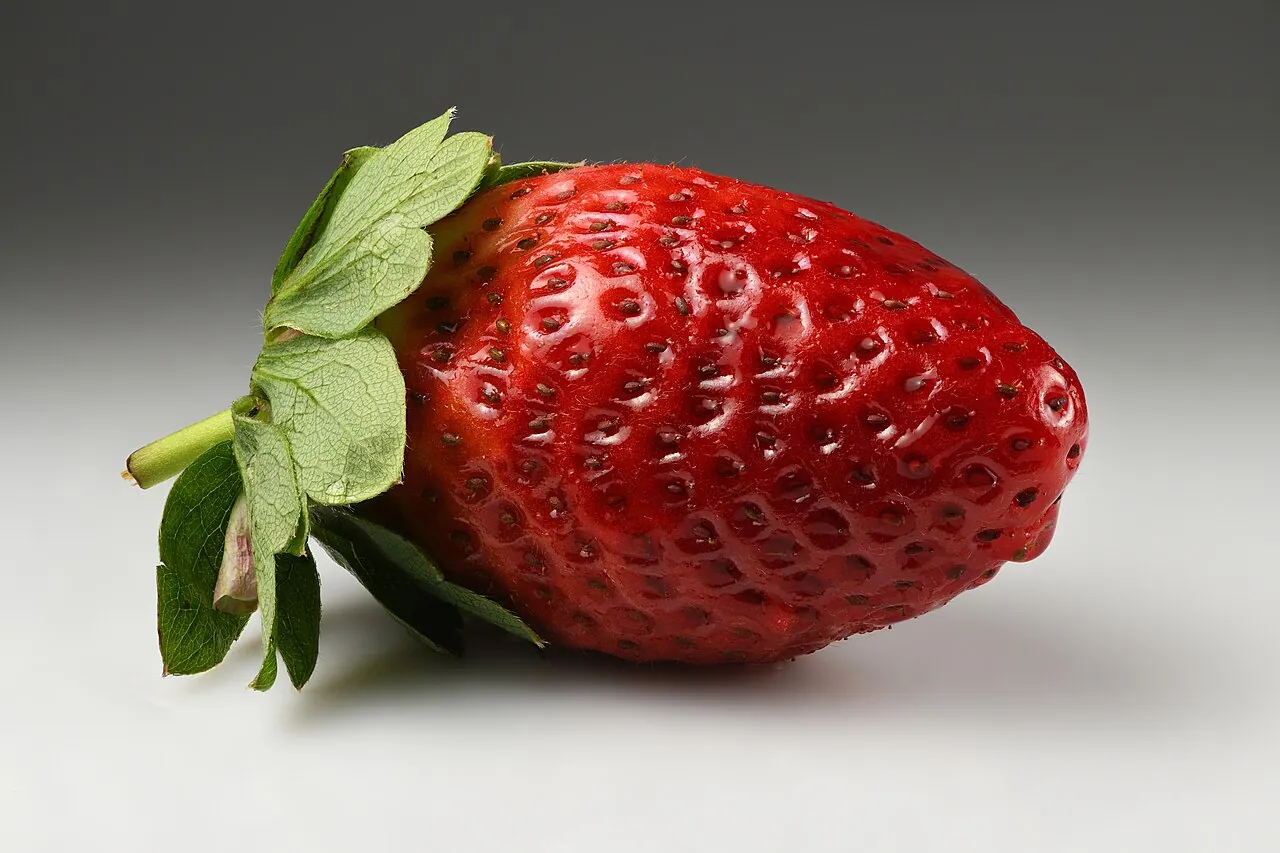
Hanging strawberries keep fruit visible but make watering and access more demanding. Build the display around a secure support, reachable plants and a root zone that stays evenly moist.
The edible corner
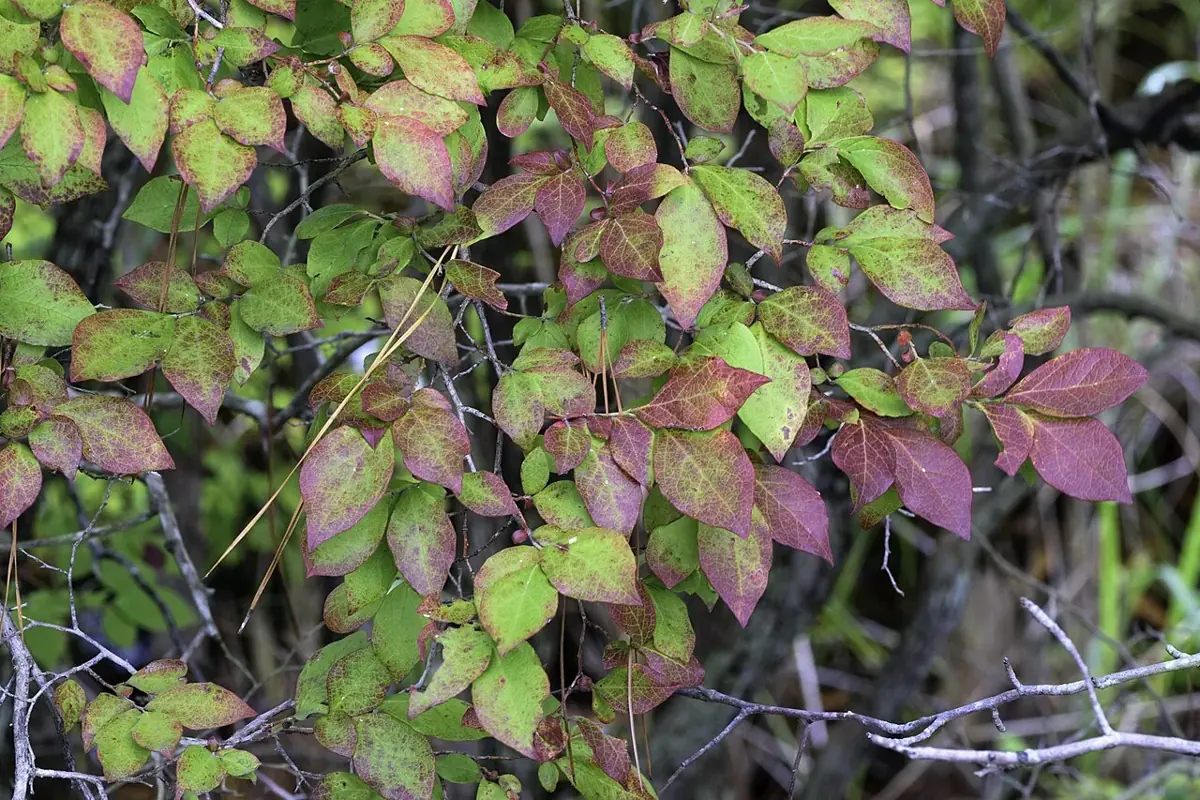
Blueberries depend on a suitable acidic root environment. Plan the growing medium and water supply together, then watch moisture and growth before reaching for corrective products.
The edible corner
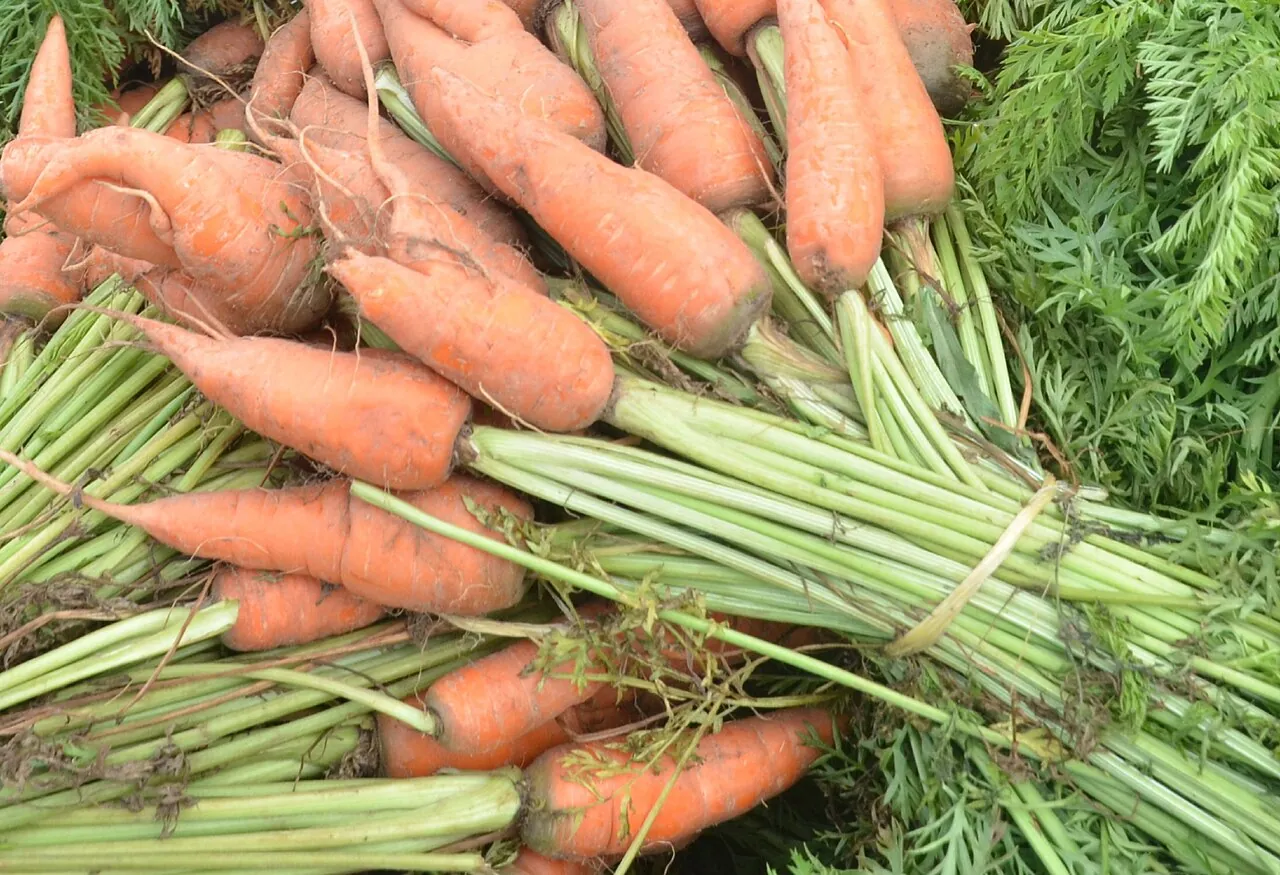
Container carrots need an uninterrupted path below the surface. Match root length to usable depth, sow where they will grow and protect the slow-emerging seedlings from drying out.
The edible corner
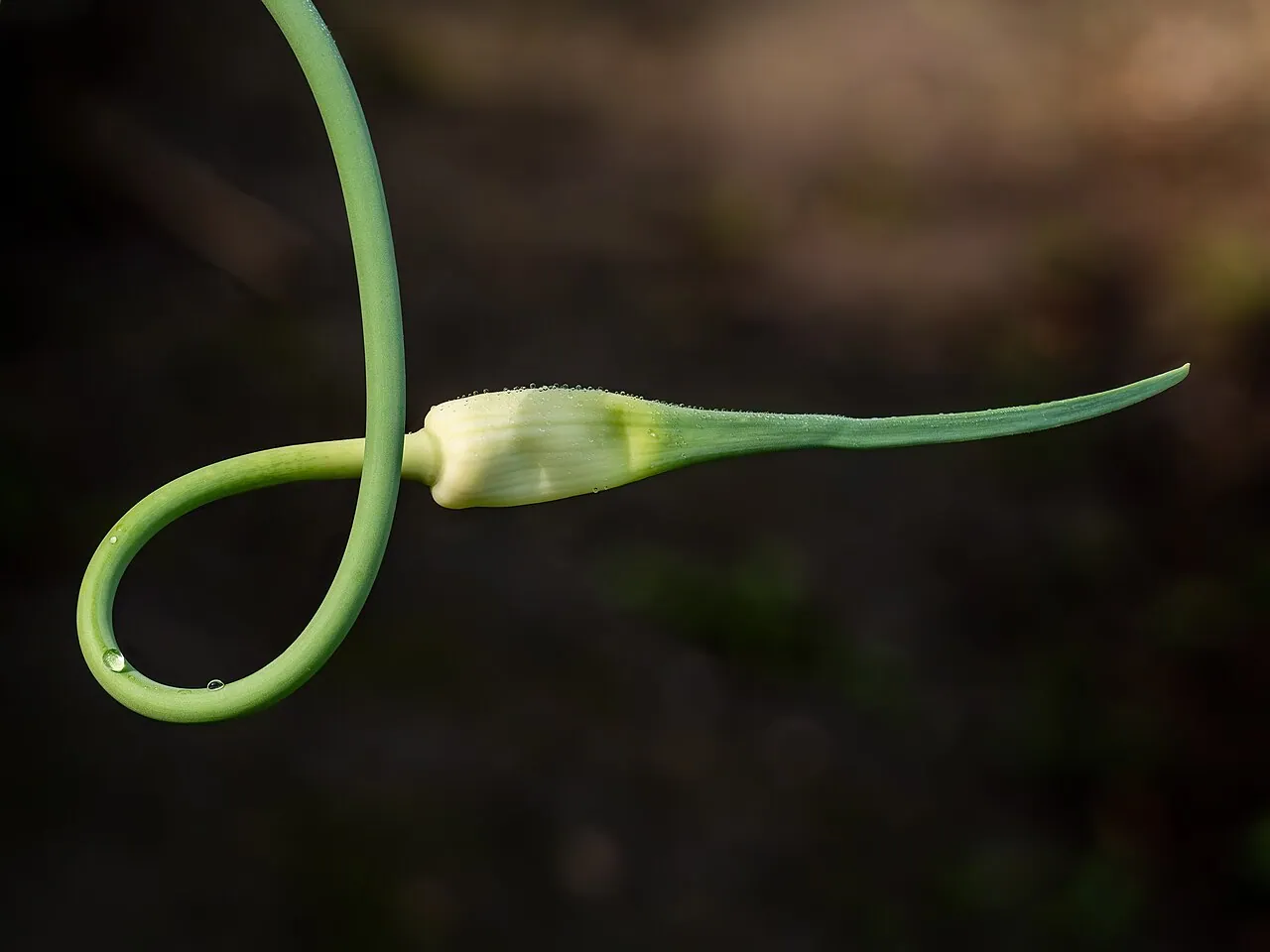
Garlic is a long crop with a careful finish. Choose planting stock suited to the season, keep the bed readable and cure harvested bulbs before putting them away.
The edible corner
One well-placed courgette can be more useful than several crowded plants. Plan around mature leaves, choose an appropriate variety and make frequent harvesting easy.
Small-space design
A small garden gains character from clear decisions about use, movement and planting. Begin with one meaningful purpose, then let the remaining space support it.
Small-space design
A single-colour border can hold plenty of variety. Use differences in tone, flower shape and season, then let green foliage create the pauses between them.
Small-space design
Three planting layers can give a compact border depth without excessive crowding. Think in terms of background, middle and edge, with deliberate gaps between their strongest shapes.
Small-space design
A planted balcony should still work as an outdoor room. Reserve the walking route, account for wet container weight and keep watering access clear from the start.
Small-space design
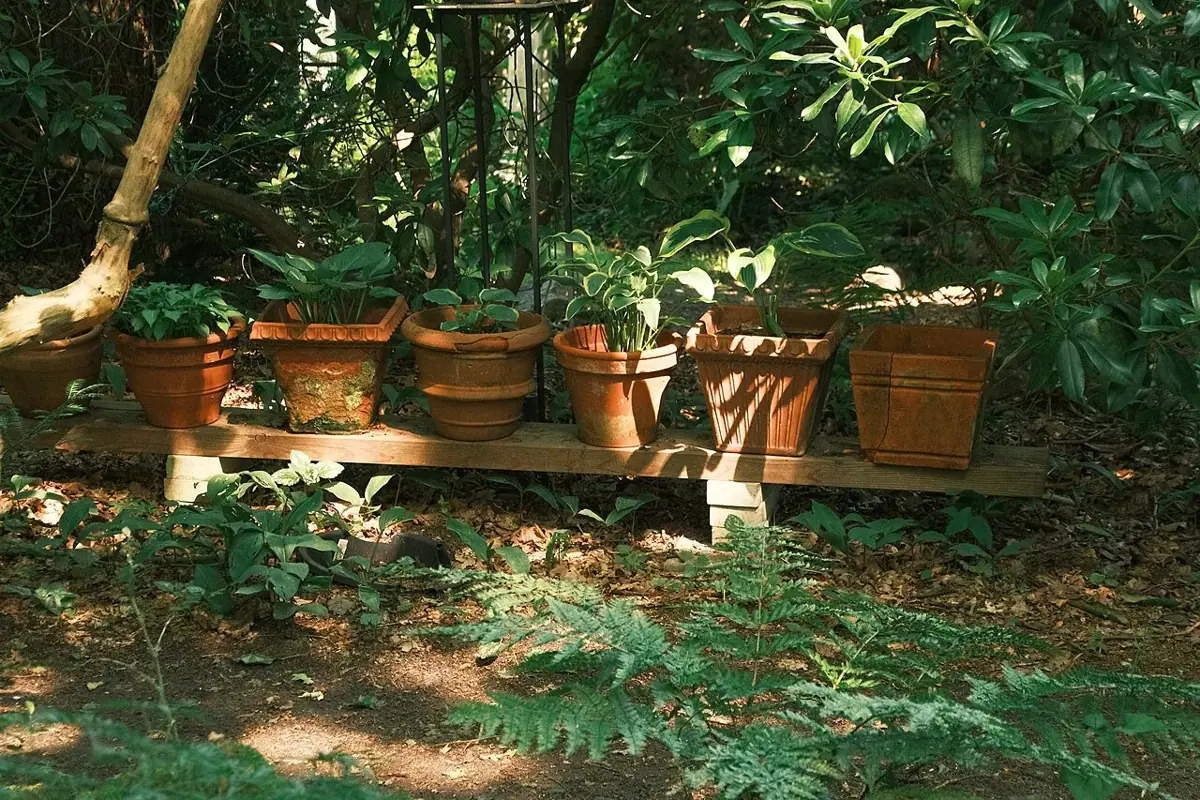
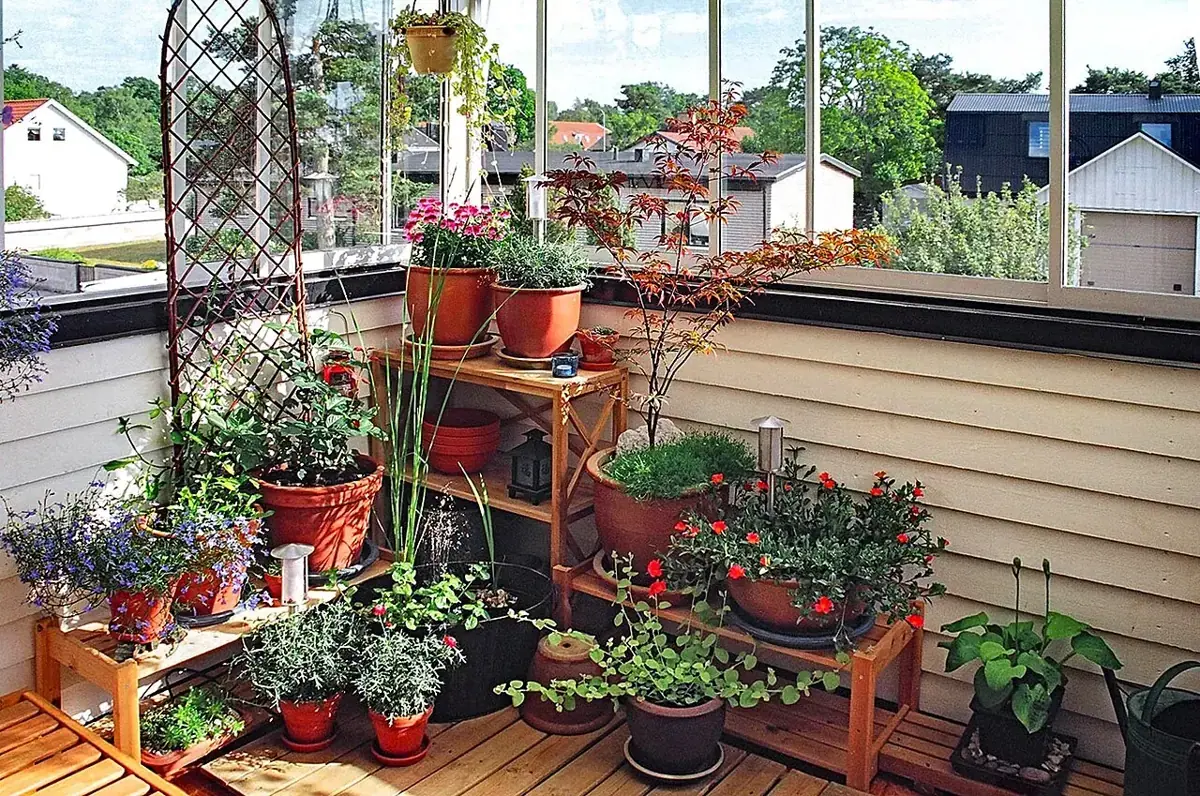
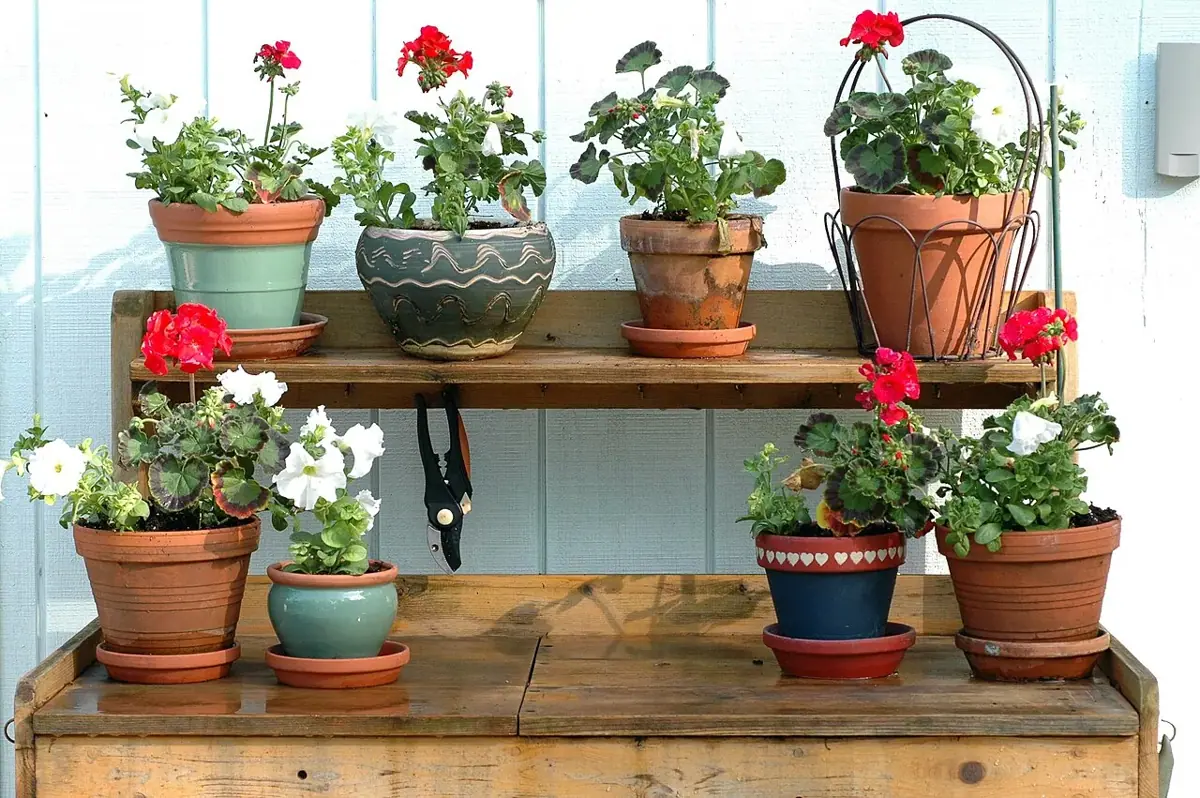
A group of pots is easier to maintain when its plants need similar care. Build visual harmony with containers while allowing light and moisture to determine placement.
Small-space design
An east-facing corner is defined by more than its compass direction. Track morning sun, nearby shadows and moisture to choose plants that suit the actual conditions.
Small-space design
A shaded courtyard can feel rich through leaf shape, scale and texture. Identify dry or damp shade first, then arrange contrasts that remain visible without abundant flowers.
Small-space design
Plants can soften paving and raised edges without making them difficult to use. Choose controlled spread, preserve drainage and decide exactly where a little overhang belongs.
Small-space design
A trellis should suit the mature climber, its attachment method and the structure behind it. Plan the load before planting and keep future maintenance within reach.
Small-space design
Repetition can connect a garden without making every planting identical. Repeat a shape, material or colour already present, then let plants vary with their growing conditions.
Small-space design
The kitchen window frames a garden you see every day. Design from that real viewpoint, balancing a clear focal point with useful seasonal changes and practical outdoor access.
Small-space design
A narrow border can feel generous when plants have clear shapes and compatible proportions. Use selective height, repeated groups and an honest allowance for mature spread.
Small-space design
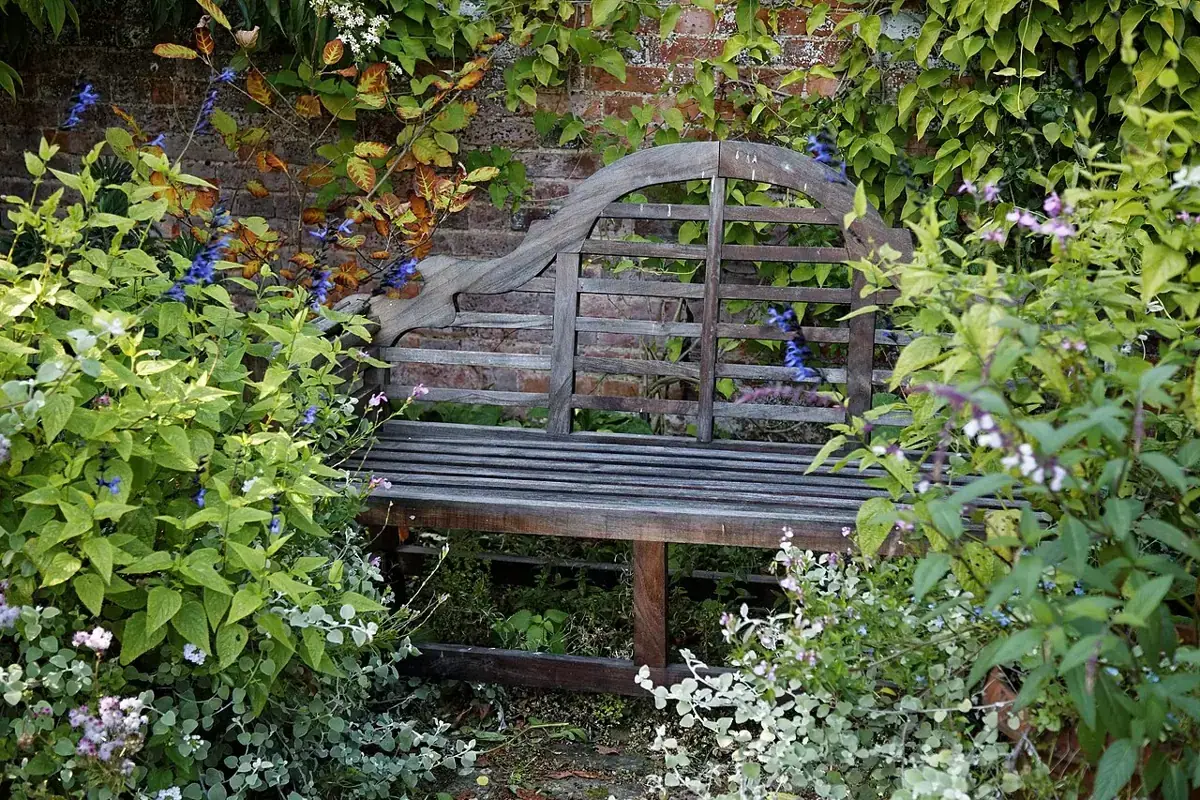
Planting around a garden seat should make sitting more inviting. Test comfort, shade and movement first, then place scent, foliage and flowers where they can be enjoyed closely.
Small-space design
Silver leaves can connect flower colours and brighten a planting. Choose them by their growing needs, then use different leaf shapes and measured repetition to keep the effect subtle.
Small-space design
White flowers can remain noticeable as evening light softens. Plan the view from your seat, include green structure and choose plants that contribute at different times of year.
Small-space design
Wind changes moisture loss, plant shape and container stability. Map the exposed places, choose suitable plants and use secure, permeable shelter where it will make a practical difference.
Small-space design
One generous container can simplify a small planting display. Choose its position, root space and wet weight carefully, then resist filling it with more plants than it can support.
Small-space design
A front-door planting should welcome people without obstructing daily movement. Choose durable structure, manageable seasonal colour and a watering routine that works even on busy mornings.
Small-space design
A rented garden can feel personal through movable planting and thoughtful arrangement. Keep changes reversible, plan for eventual transport and preserve the practical features already in place.
Small-space design
A crowded collection can hide the plants you value most. Review each specimen's role, care needs and available space, then edit the arrangement in small, deliberate stages.
Water & everyday care
A watering reminder is useful as a prompt to inspect. Let root-zone moisture, plant type and changing weather decide whether the can needs to come out.
Water & everyday care
A short, attentive plant round can prevent small problems from becoming large ones. Follow a repeatable route, look beneath leaves and make only the changes supported by what you find.
Water & everyday care
Yellowing foliage has many possible causes. Locate the affected leaves, check the root environment and use the pattern of change before deciding that a plant needs treatment.
Water & everyday care
Very dry potting mix can send water straight past the roots. Rewet it patiently, verify the centre and change the routine that allowed the dry pocket to develop.
Water & everyday care
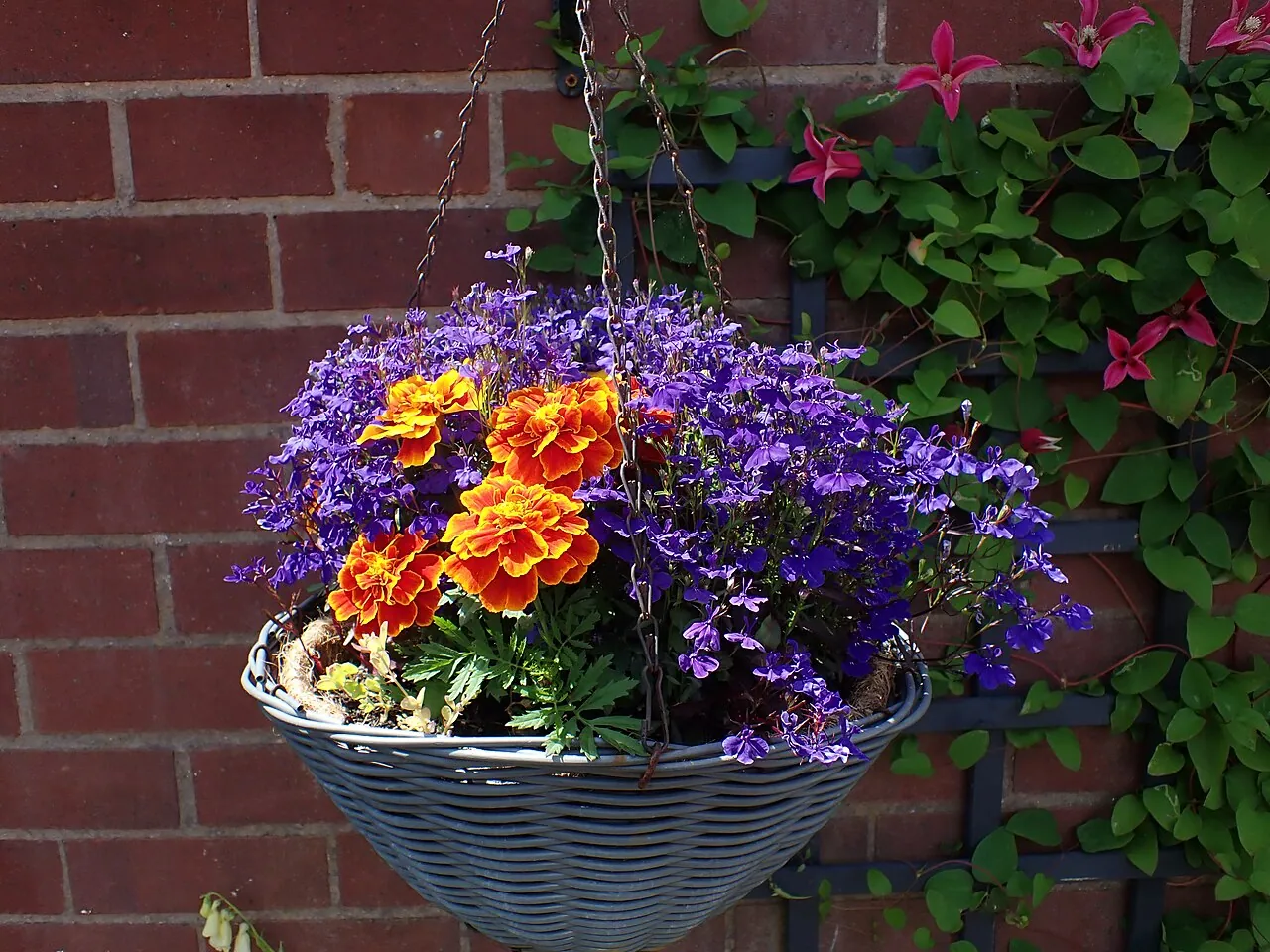
Watering a hanging basket means reaching its root ball, not simply wetting the flowers. Use a safe working position, slow delivery and checks that reveal hidden dry areas.
Water & everyday care
A week away is easier on plants when the watering plan is tested beforehand. Prioritise vulnerable containers, simplify instructions and leave a practical backup for changing weather.
Water & everyday care
A small drip system is only useful when each outlet reaches the intended roots. Plan compatible watering zones, test delivery and keep filters and connections accessible.
Water & everyday care
A rainwater store works best with a clean collection route and convenient access. Plan the stand, lid and overflow, then use and maintain the supply regularly.
Water & everyday care
Morning is often a convenient time to water, but moisture and weather still decide the job. Aim water at roots and respond promptly when a plant is genuinely dry.
Water & everyday care
Dusty leaves usually need gentle cleaning rather than a cosmetic coating. Match the method to the leaf surface, support delicate stems and use the opportunity to inspect for pests.
Water & everyday care
Removing spent flowers can improve a display, but every seedhead need not disappear. Choose between repeat bloom, seed collection and winter structure before making the cut.
Water & everyday care
Pinching can encourage branching in suitable plants, but it also changes timing and shape. Identify the growing tip, preserve healthy leaves and avoid treating every seedling alike.
Water & everyday care
Supports are easiest to install while growth is still manageable. Match the structure to the plant's mature weight, protect roots and leave stems enough room to move and thicken.
Water & everyday care
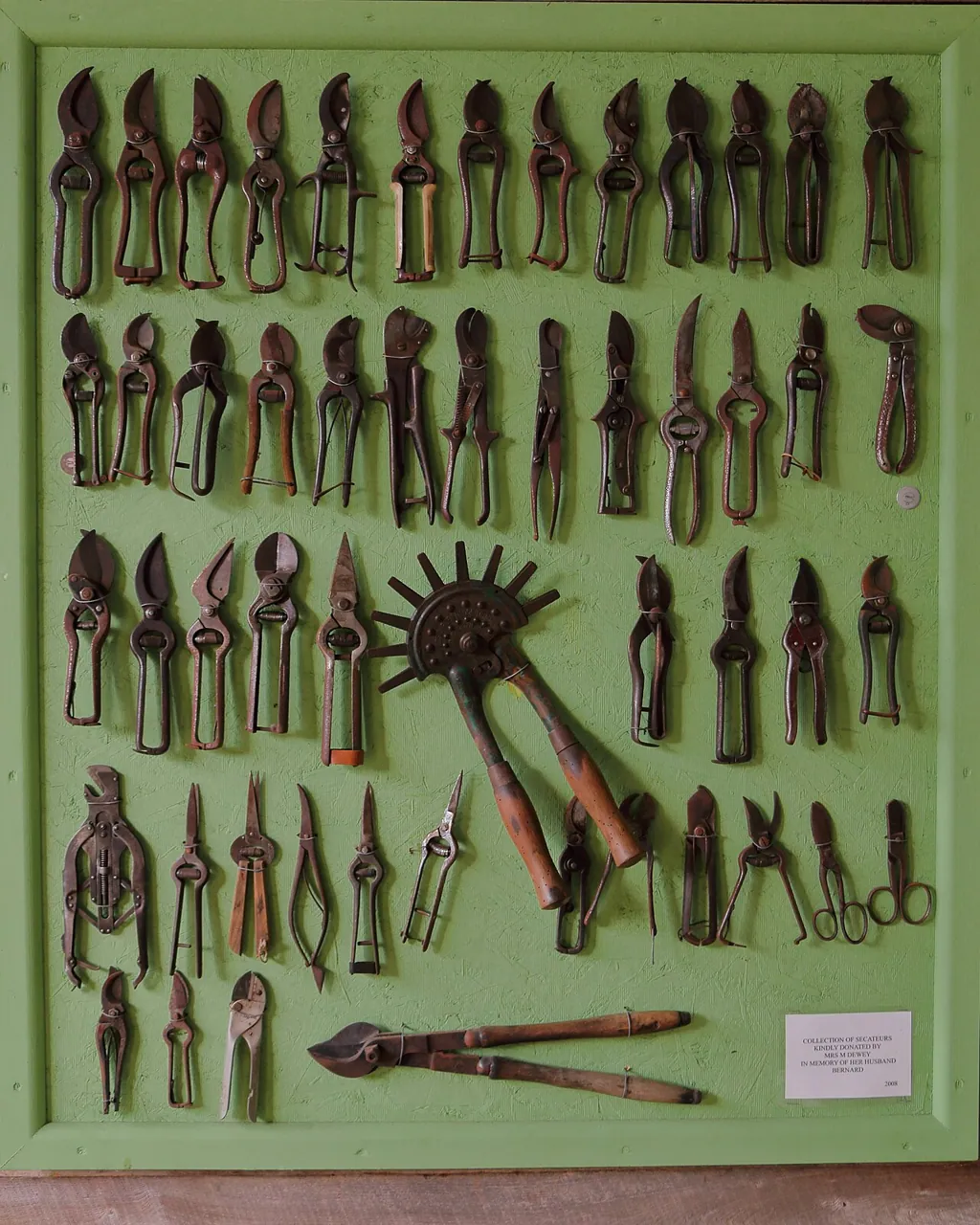
Clean cutting tools protect both plants and the quality of the cut. Remove visible debris first, choose an appropriate disinfectant when needed and keep maintenance easy to repeat.
Water & everyday care
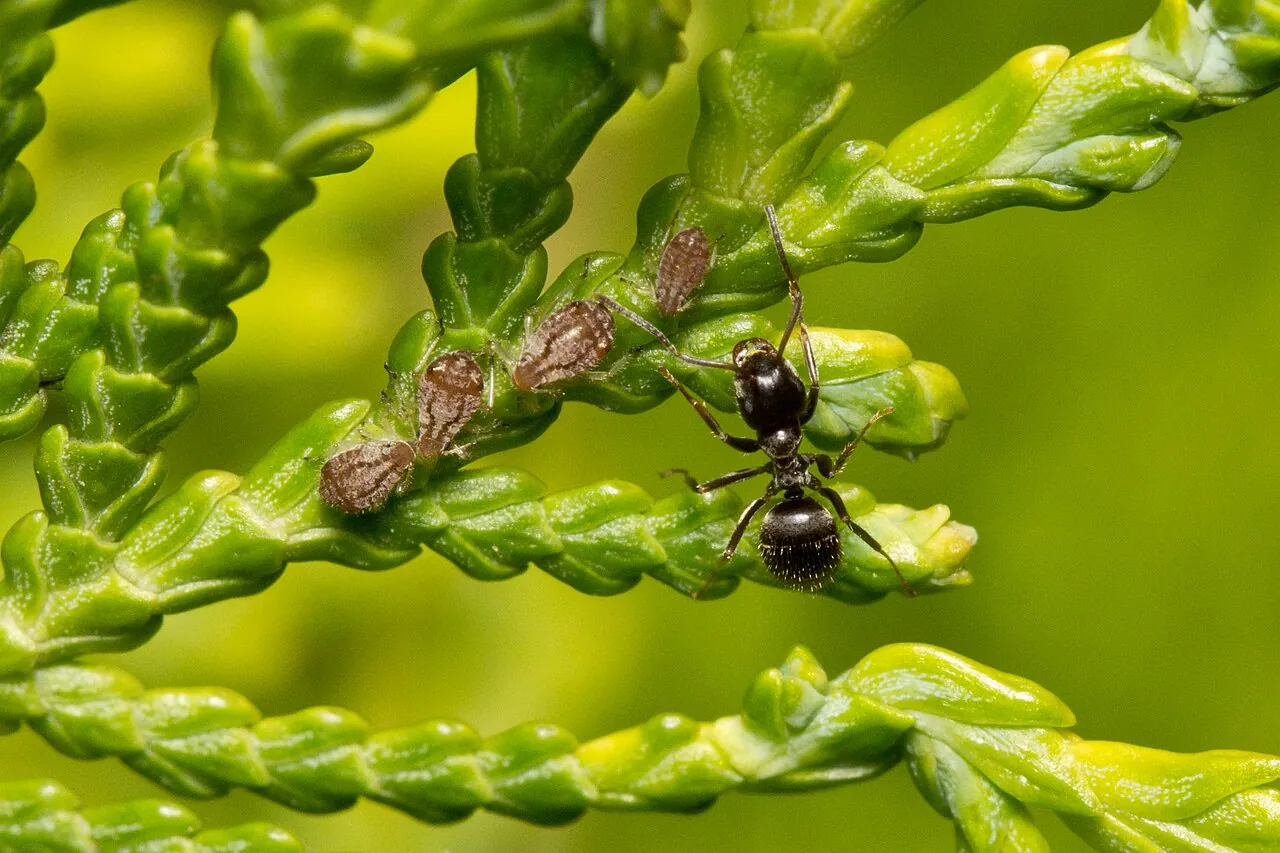
Aphids are easier to manage when identified early and assessed in context. Look for colonies, plant damage and visiting predators before deciding whether intervention is necessary.
Water & everyday care
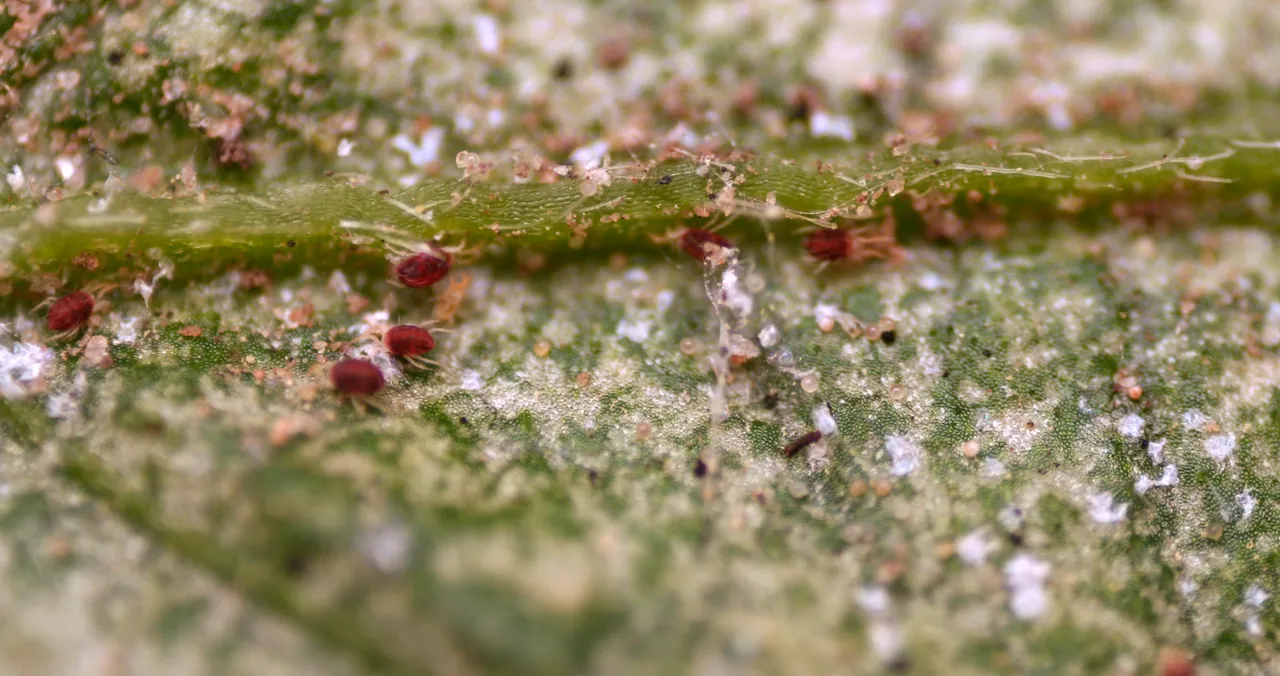
Fine leaf speckling can be an early clue to spider mites. Inspect beneath leaves with magnification, separate suspect plants and follow new growth rather than expecting damaged tissue to recover.
Water & everyday care
Small flies around a pot often point to a persistently damp growing medium. Confirm fungus gnats, protect vulnerable seedlings and adjust moisture without drying the plant beyond its needs.
Water & everyday care
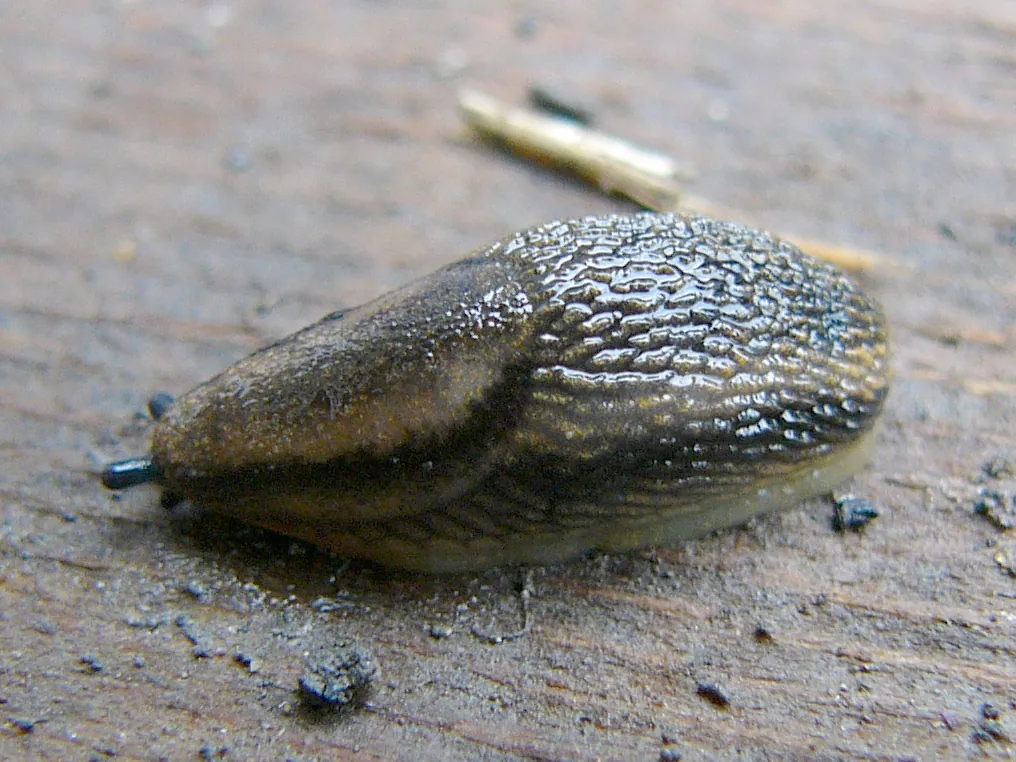
Young plants need focused protection where slug damage is confirmed. Inspect at useful times, improve establishment and choose targeted measures without treating every garden slug as the same problem.
Water & everyday care
A white coating on leaves needs identification before treatment. With powdery mildew, review crowding and root stress, then judge progress on fresh growth rather than old marked leaves.
Water & everyday care
Leaves grown in sheltered light can scorch after an abrupt move. Reduce the exposure, check roots and acclimatise gradually while judging recovery through healthy new growth.
Through the seasons
As the growing season slows, make the potting bench a place for sorting, observing and preparing rather than another list of urgent jobs.
Through the seasons
Rainy weather does not guarantee a moist root ball. Check shelter, foliage and drainage before deciding whether an outdoor pot needs water in winter.
Through the seasons
A small, ready-to-use protection kit is more useful than a hurried search for covers after a cold night has already arrived.
Through the seasons
Moving indoors changes light, temperature and airflow at once. A staged move helps you inspect plants and choose a position they can actually use.
Through the seasons
Spring tidying works best as a sequence of small decisions. Find new shoots, sleeping plants and useful standing stems before cutting the whole border back.
Through the seasons
A date on the calendar cannot tell you that a plant is ready for more nutrients. Look for active growth and check what is already in the pot.
Through the seasons
During hot weather, the container and its position matter as much as the leaves. Plan for root temperature, water access and practical shade before the peak heat.
Through the seasons
A heavy shower can leave one pot saturated and another dry inside. A short drainage check helps you see what the rain actually changed.
Through the seasons
After strong wind, assess supports, containers and roots before trying to straighten every stem. A careful first look prevents a small problem from becoming a larger one.
Through the seasons
Adding spring bulbs to an established border takes a little mapping. Preserve existing roots and leave enough information to find the new bulbs next year.
Through the seasons
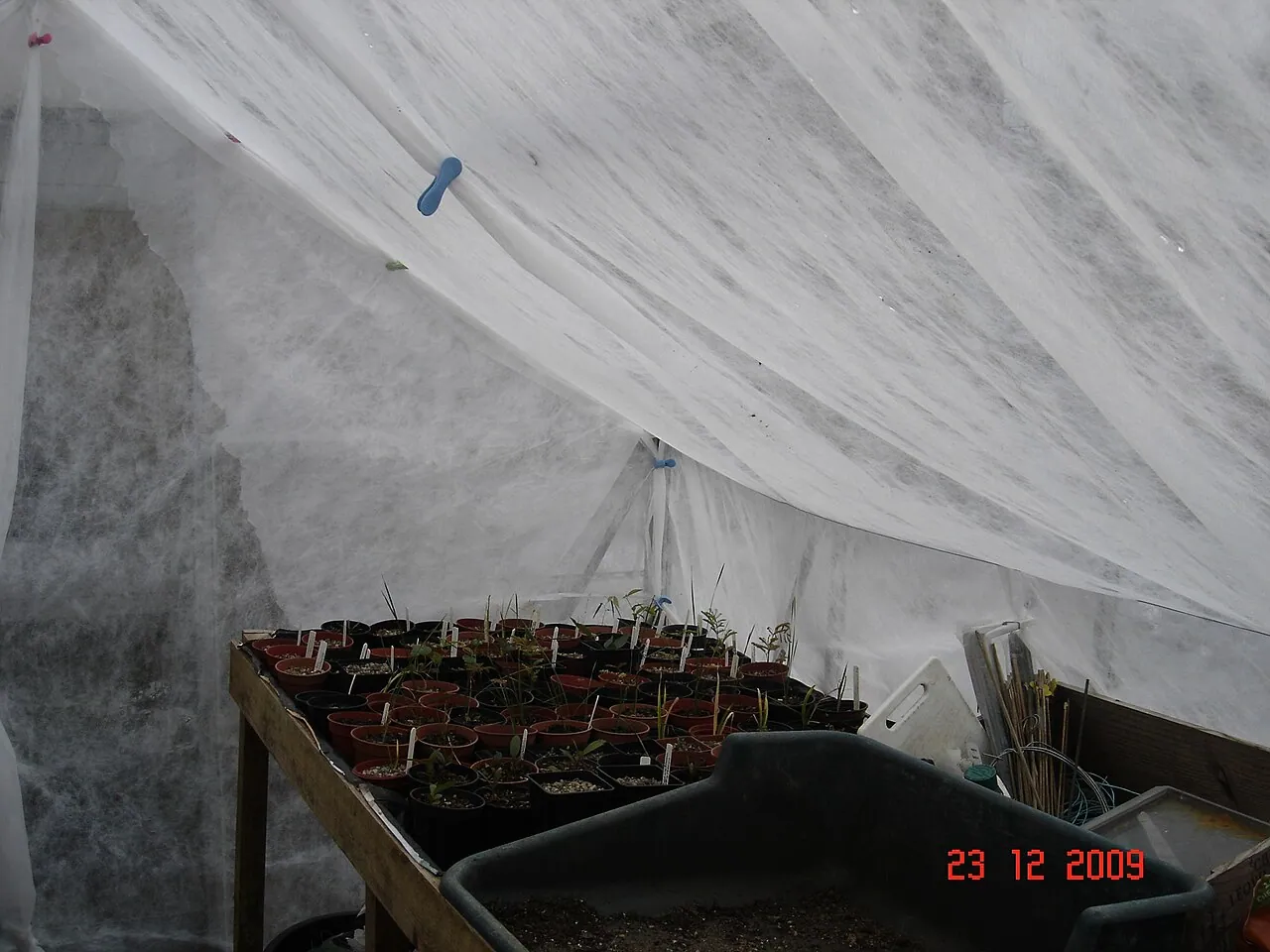
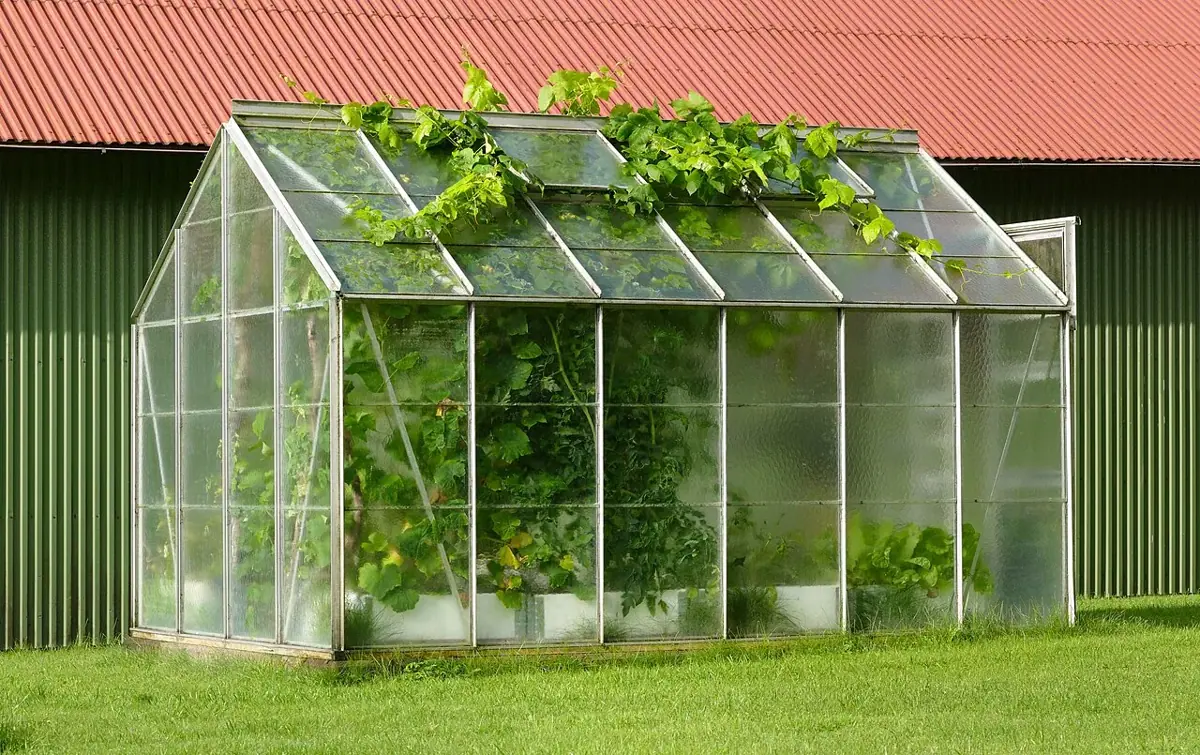
A closed greenhouse can stay damp long after the air outside has changed. Balance protection from cold with opportunities for fresh air and regular inspection.
Through the seasons
Snow can bend a plant without permanently damaging it. Consider the weight, the temperature and your own access before trying to help a branch.
Through the seasons
A bloom calendar is most useful when it records your own garden. Map the quieter intervals before adding more plants to an already busy season.
Through the seasons
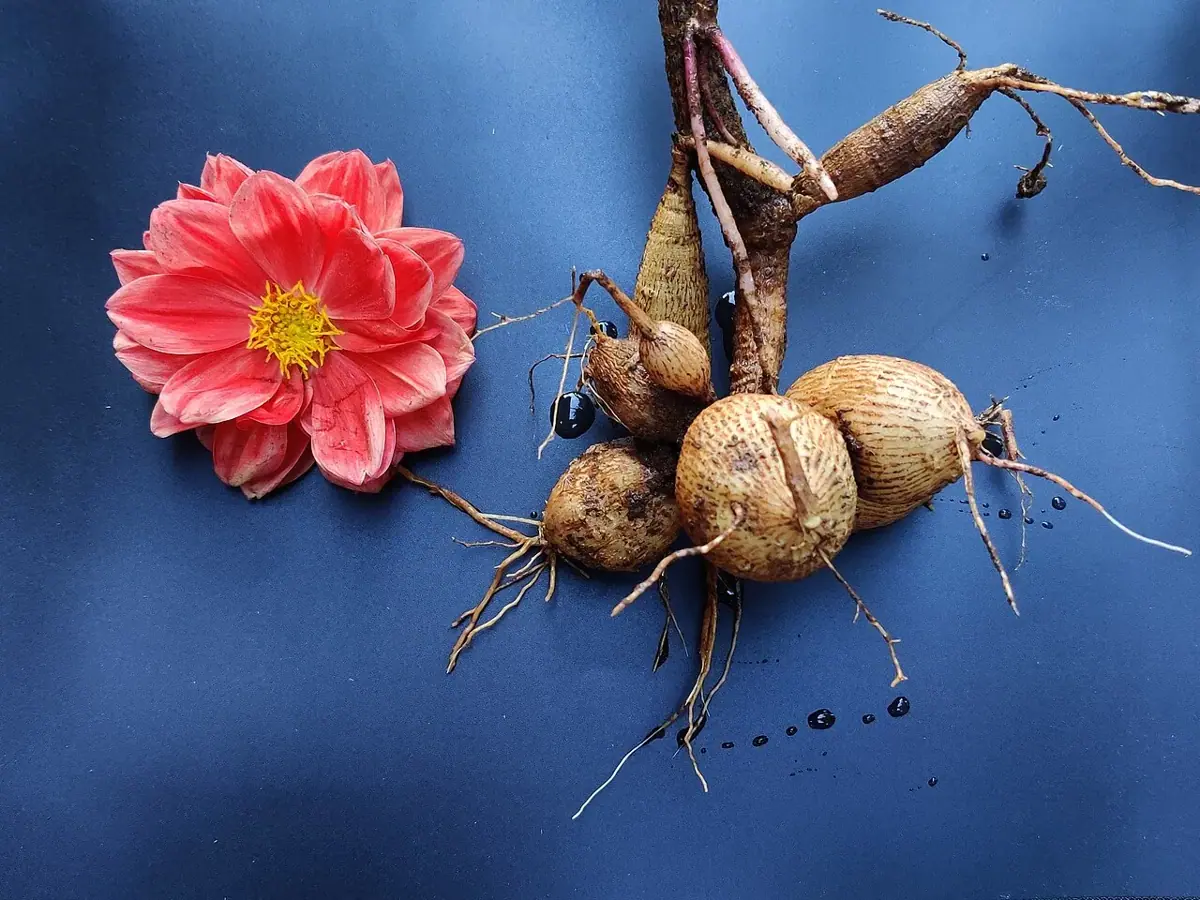
A stored dahlia clump needs a careful inspection before spring growth begins. Labels, firm tissue and an intact connection to the crown matter more than size alone.
Through the seasons
Bare-root roses arrive without the familiar pot to guide you. Prepare the site, protect the roots and follow planting advice suited to your climate and rose.
Through the seasons
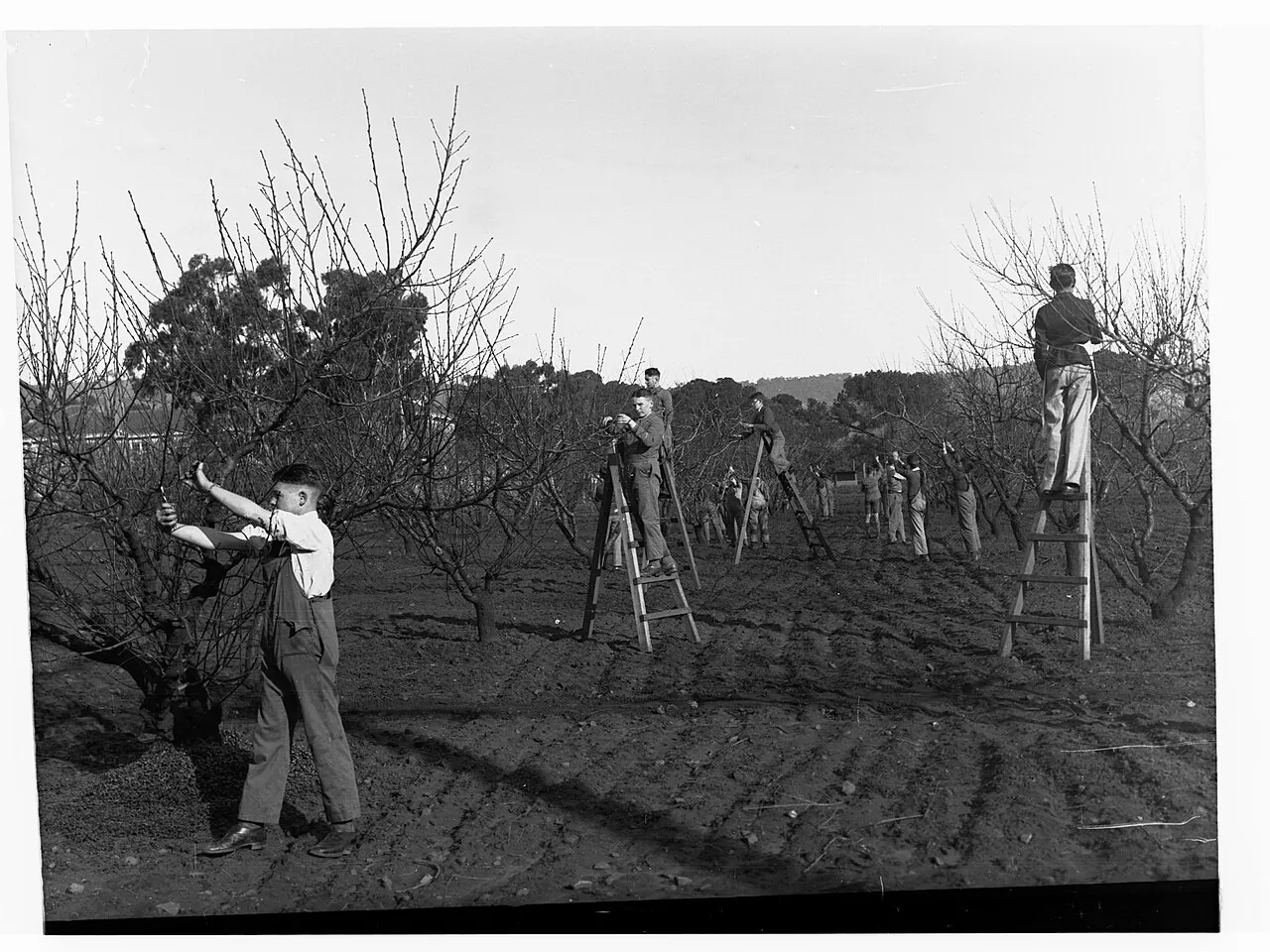
The season of a pruning cut changes its purpose and effect. Identify the plant, its flowering habit and the result you want before borrowing a winter routine.
Through the seasons
Moving a perennial is easier when its new home is ready first. Choose a suitable season, preserve useful roots and plan the aftercare before lifting.
Through the seasons
A collection of summer pelargoniums can quickly exceed the available winter shelf. Choose healthy plants and a workable method before cold weather forces the decision.
Through the seasons
An autumn border does not need one uniform treatment. Leave useful structure where it is sound, and clear only the material that has a good reason to go.
Through the seasons
A useful annual review records the plants that fitted your life, not just the ones that looked best in a photograph. Keep it small enough to influence next year.
A living garden
Flower shape, access and flowering season all affect what a planting offers visiting insects. Look beyond the colour on the nursery label when choosing blooms.
A living garden
A garden can be full of flowers in one month and offer very little the next. Follow the gaps in your own flowering sequence before adding another summer favourite.
A living garden
A small undisturbed patch of suitable soil can be valuable habitat. Protect access to the ground without turning the garden into an experiment that needs constant digging.
A living garden
A shallow water source can be a useful part of a garden, provided it stays stable, clean and easy to leave. Build the cleaning routine into the design.
A living garden
Seedheads can keep a border interesting after the flowers fade. Choose which ones to retain by their structure, position and observed use, rather than leaving every stem indiscriminately.
A living garden
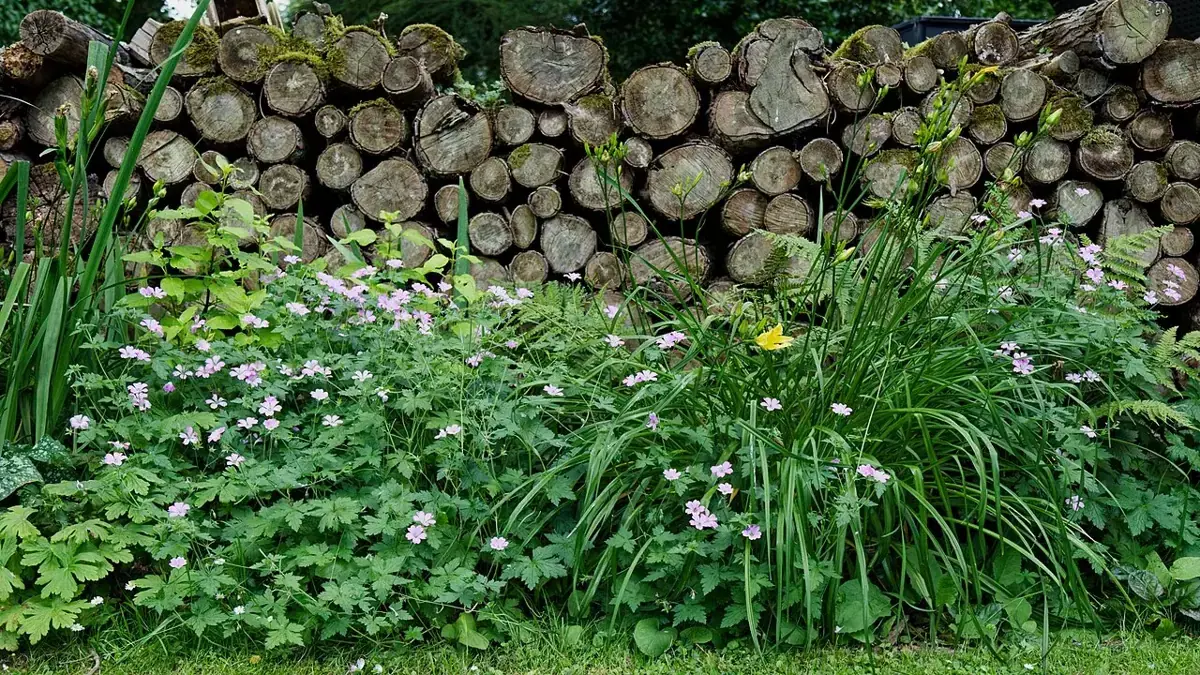
A log pile can be both a quiet habitat and a deliberate garden feature. Choose the position once, build it securely and resist the urge to keep rearranging it.
A living garden
A wildlife-friendly plant choice should fit both the local ecology and the growing conditions. Start with regional guidance rather than assuming a familiar label means the same thing everywhere.
A living garden
Night lighting can reach much farther than the path it is meant to illuminate. Review what each fitting does, then keep only the light that serves a clear purpose.
A living garden
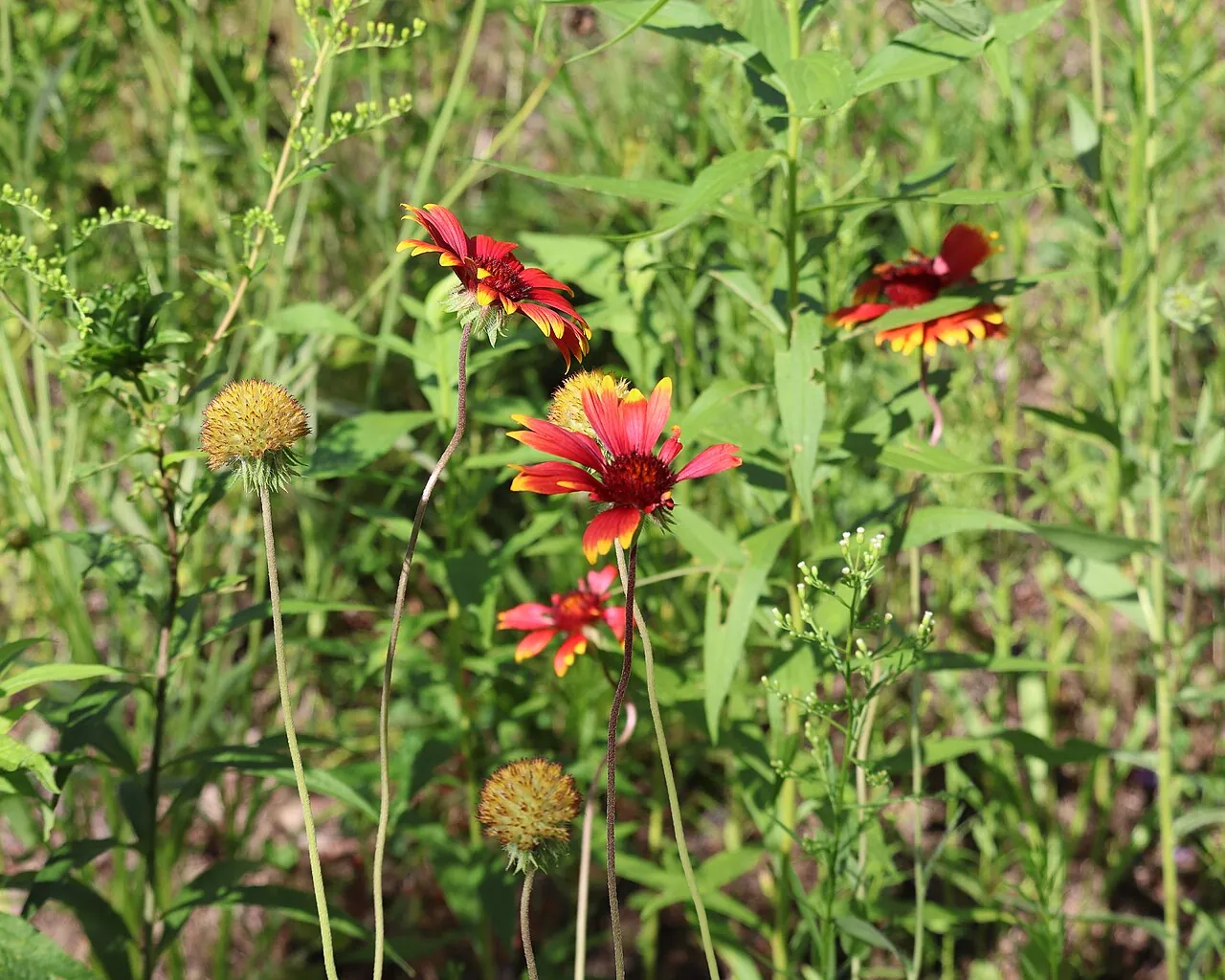
A small meadow needs a clear idea of its plant community and maintenance. Read the seed mixture carefully before replacing a patch of lawn or bare soil.
A living garden
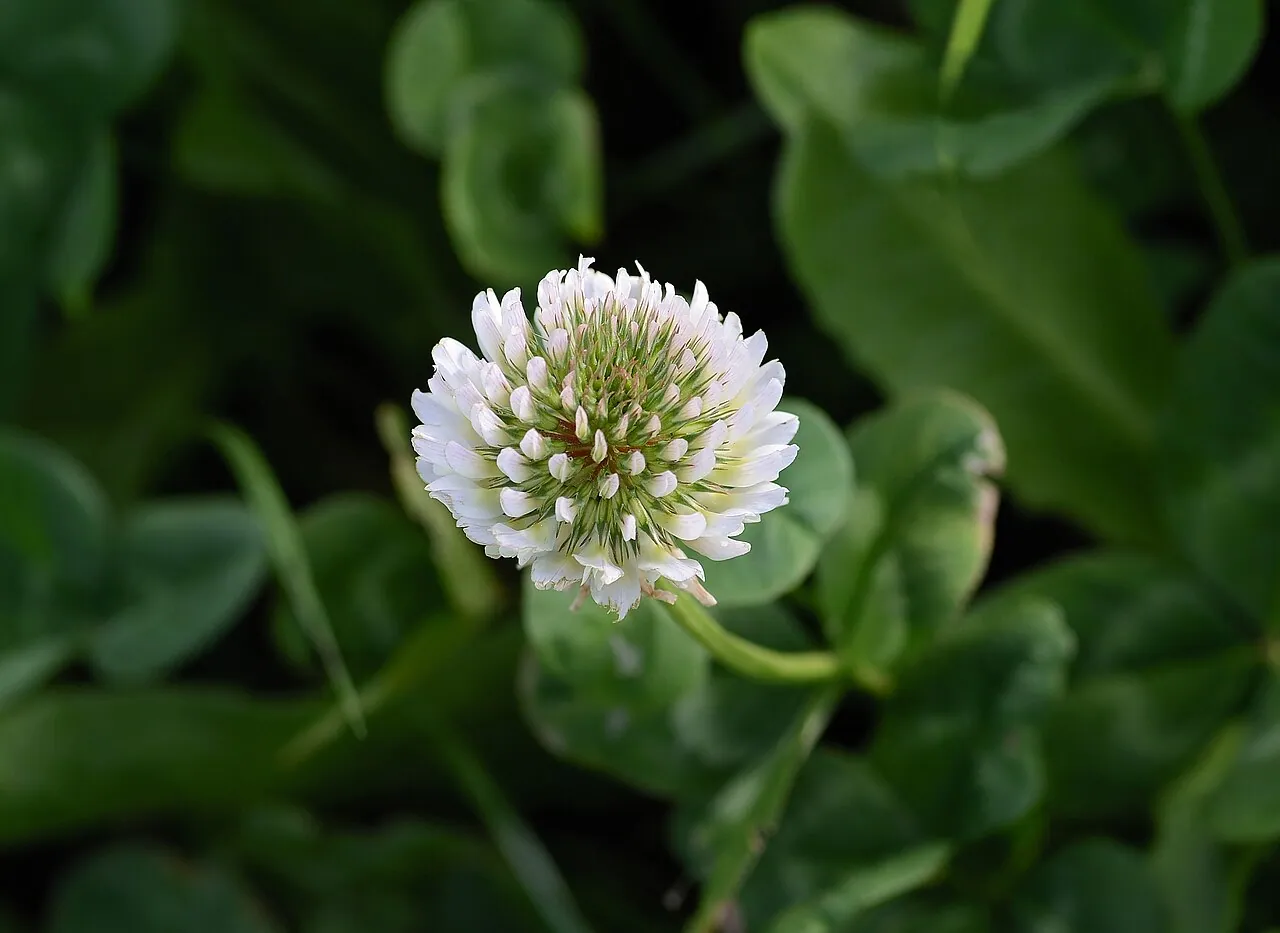
White clover can belong in a relaxed lawn, but its spread, flowers and use underfoot should fit the way the space is shared.
A living garden
A hedge is both a boundary and a living structure. Choose its species and maintenance pattern together so that it remains manageable without losing all seasonal interest.
A living garden
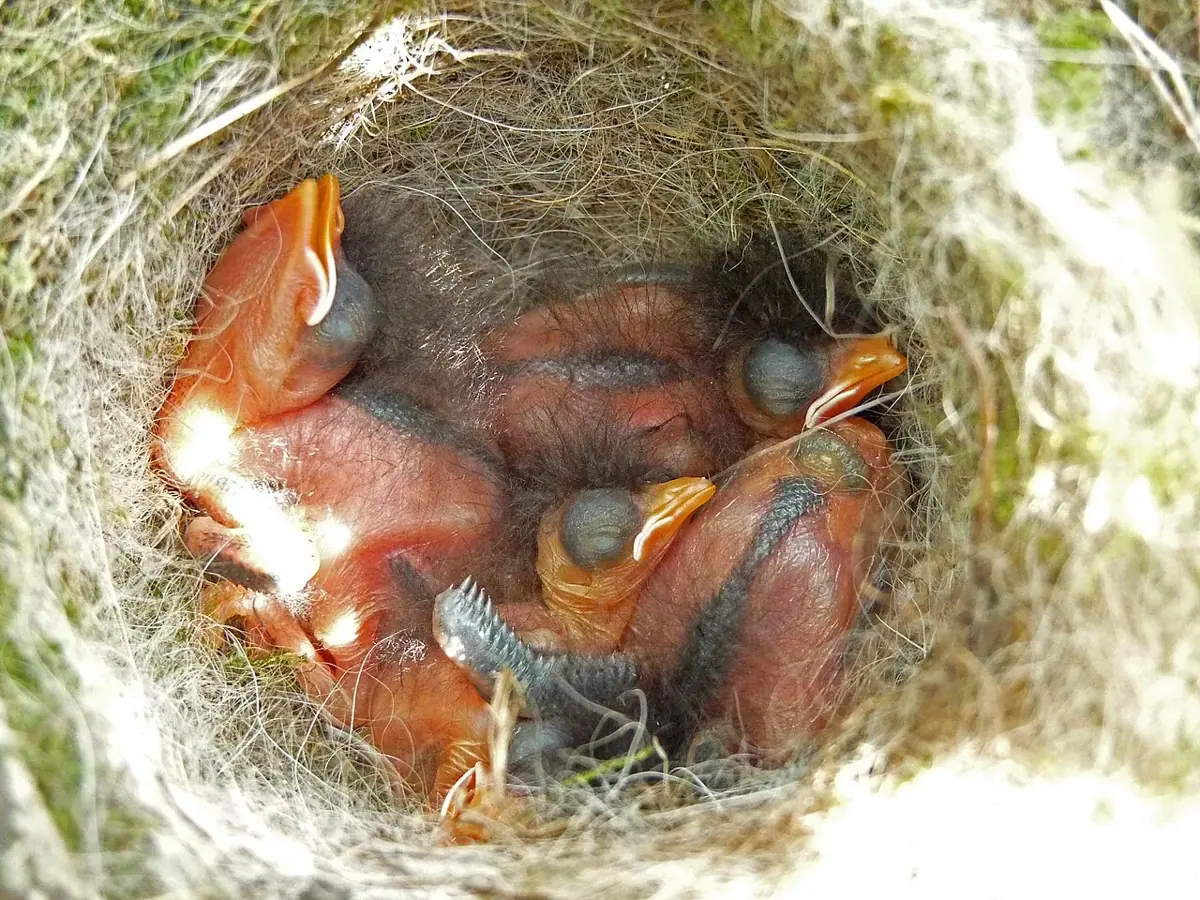
A hedge can look still while birds are using it. Build a calm observation period into pruning plans, and let signs of activity change the schedule.
A living garden
A small pond can add a new kind of life to a garden. Plan safe access, stable edges and suitable planting before choosing the decorative finish.
A living garden
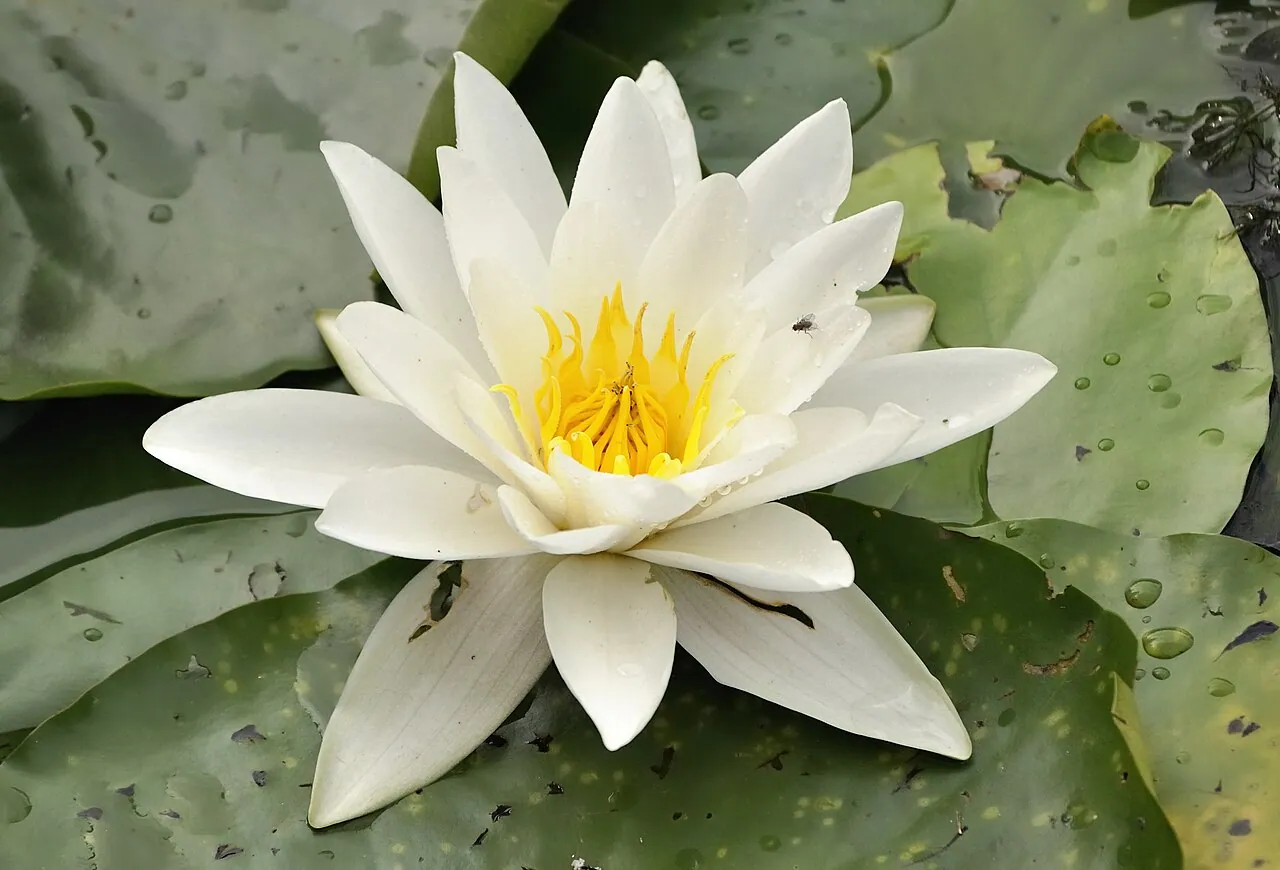
Aquatic plants occupy different depths and grow at very different speeds. A balanced small pond begins with matching each plant to its place rather than filling every open patch.
A living garden
A quiet leaf-litter corner can connect planted areas and shelter small life. Choose where leaves can stay, while keeping paths, drains and sensitive plants clear.
A living garden
A damaged leaf is a reason to investigate, not an automatic instruction to spray. Identify the organism, the extent of injury and the options before choosing a response.
A living garden
Adult butterflies and their caterpillars need different resources. A useful butterfly garden considers the whole life cycle, including the leaves that may be eaten.
A living garden
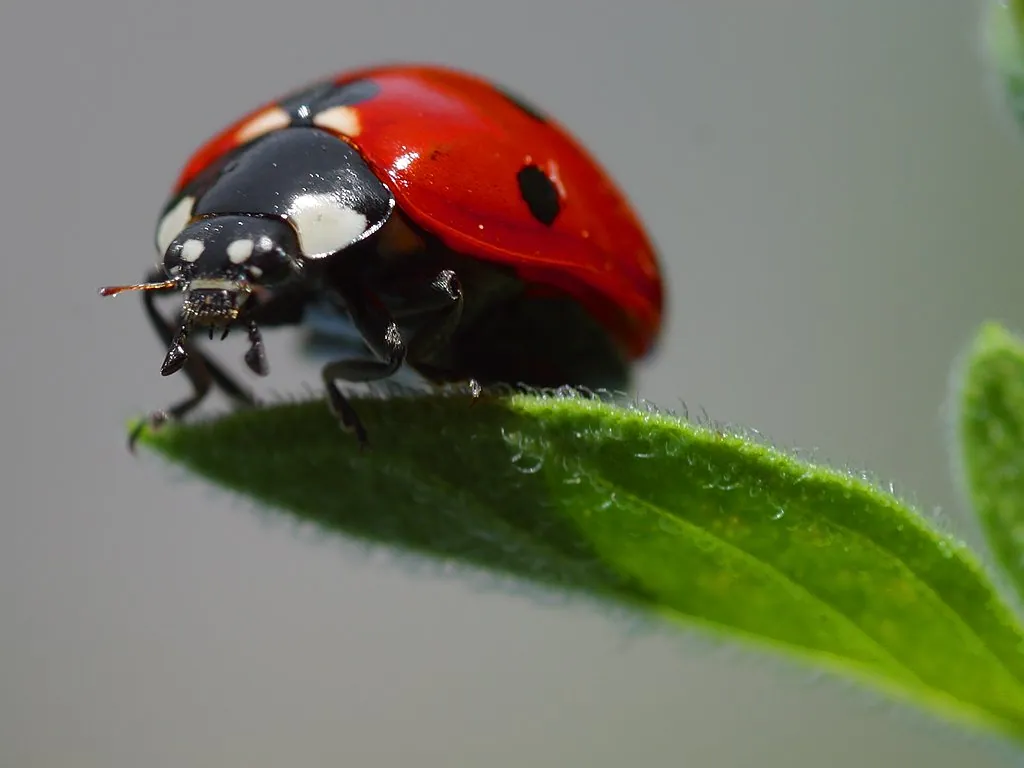
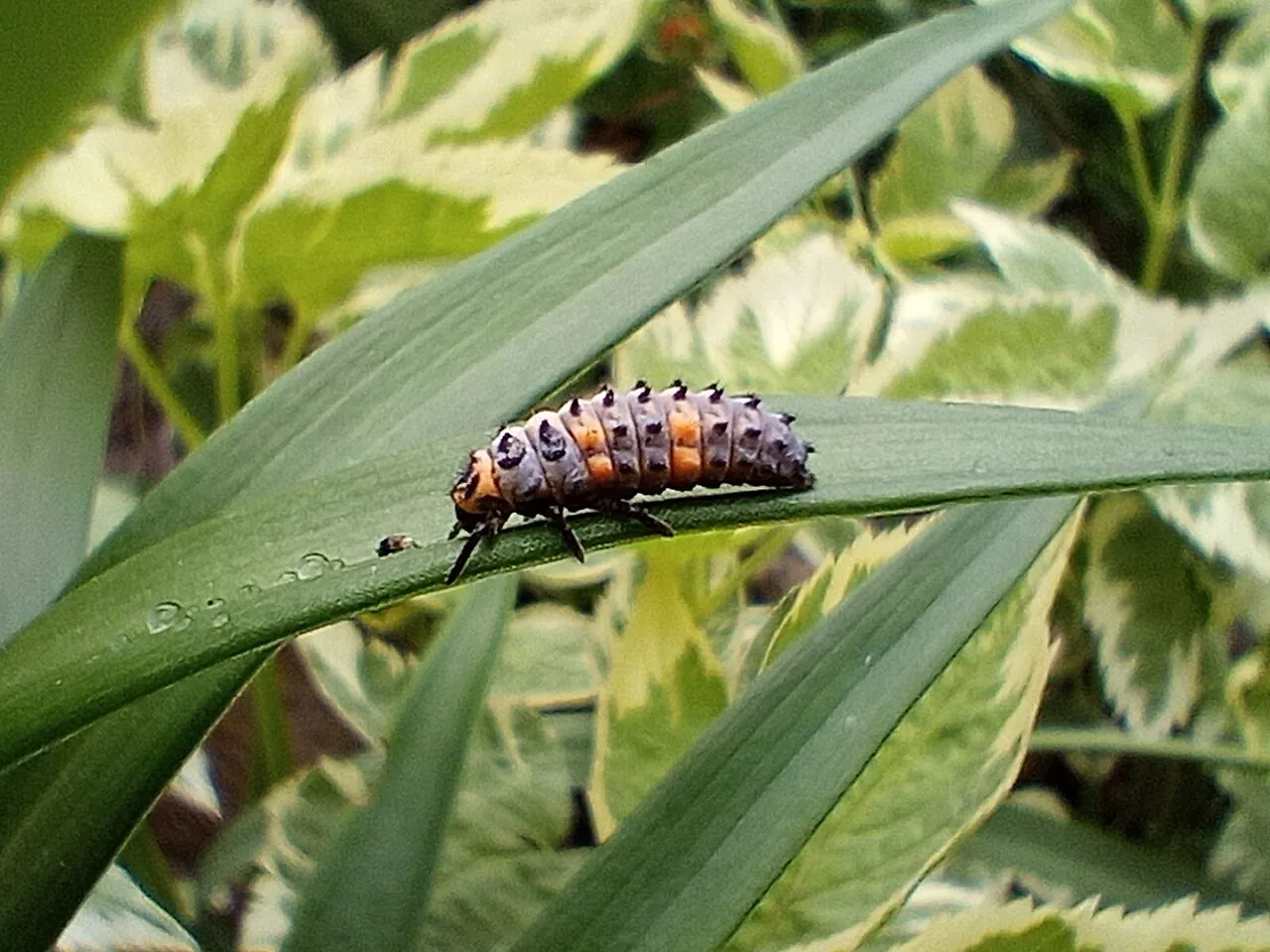
The young stage of a familiar insect may look unfamiliar. Pause before removing a dark, active larva from a plant, and compare its features with a reliable guide.
A living garden
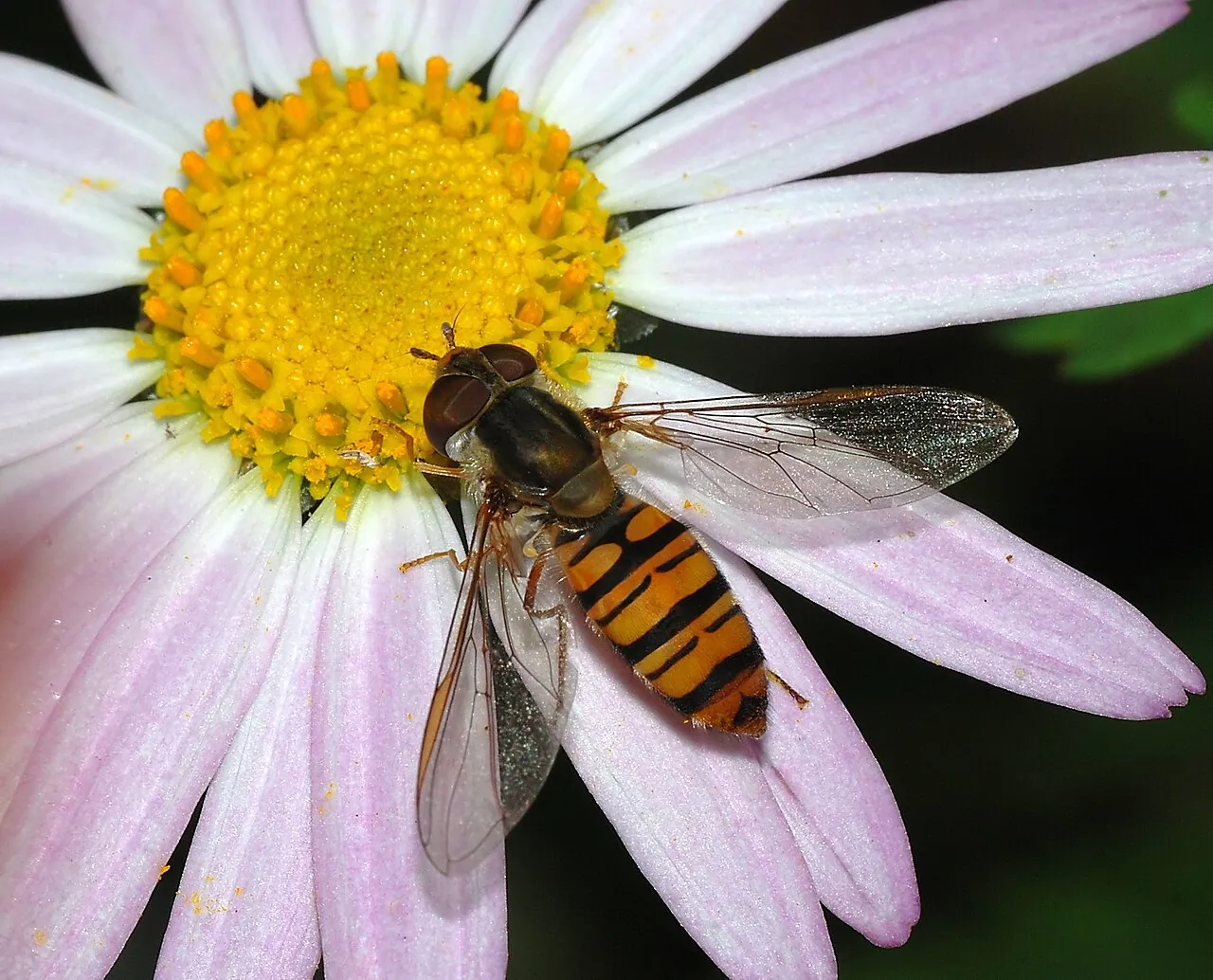
Hoverflies are easy to overlook beside more familiar bees. Provide suitable flowers and learn to recognise their visits without assuming every striped insect is the same.
A living garden
A wildlife notebook becomes more useful when the observations are comparable. Choose a small area, a repeatable watch and a clear way to record uncertainty.
The potting table
A useful growing journal begins with a handful of observations that answer your next gardening question.
The potting table
A consistent photograph can reveal growth, flowering and gaps that disappear from memory between garden visits.
The potting table
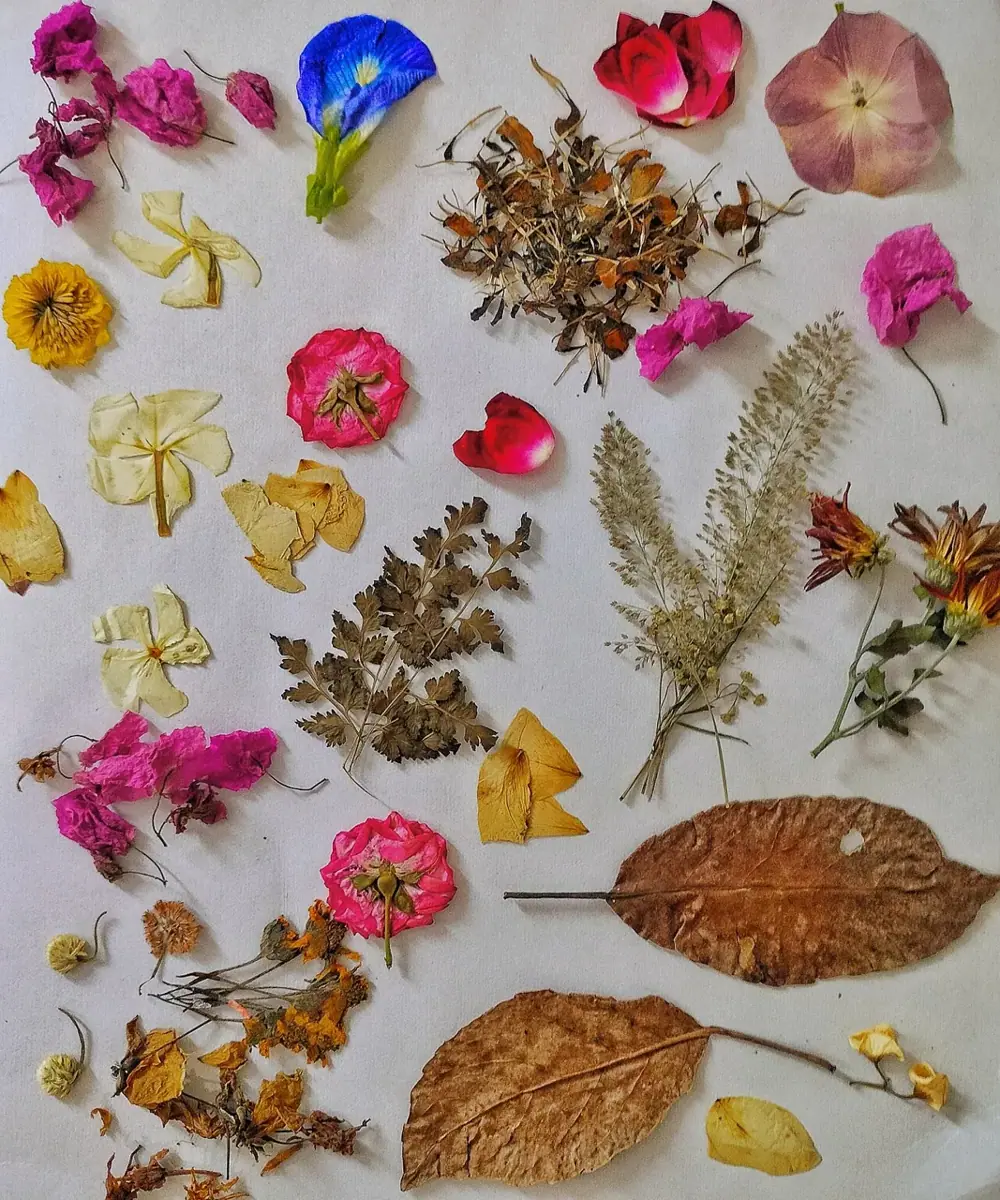
Dry surfaces, thin layers and a little attention at the beginning make pressed flowers easier to keep.
The potting table
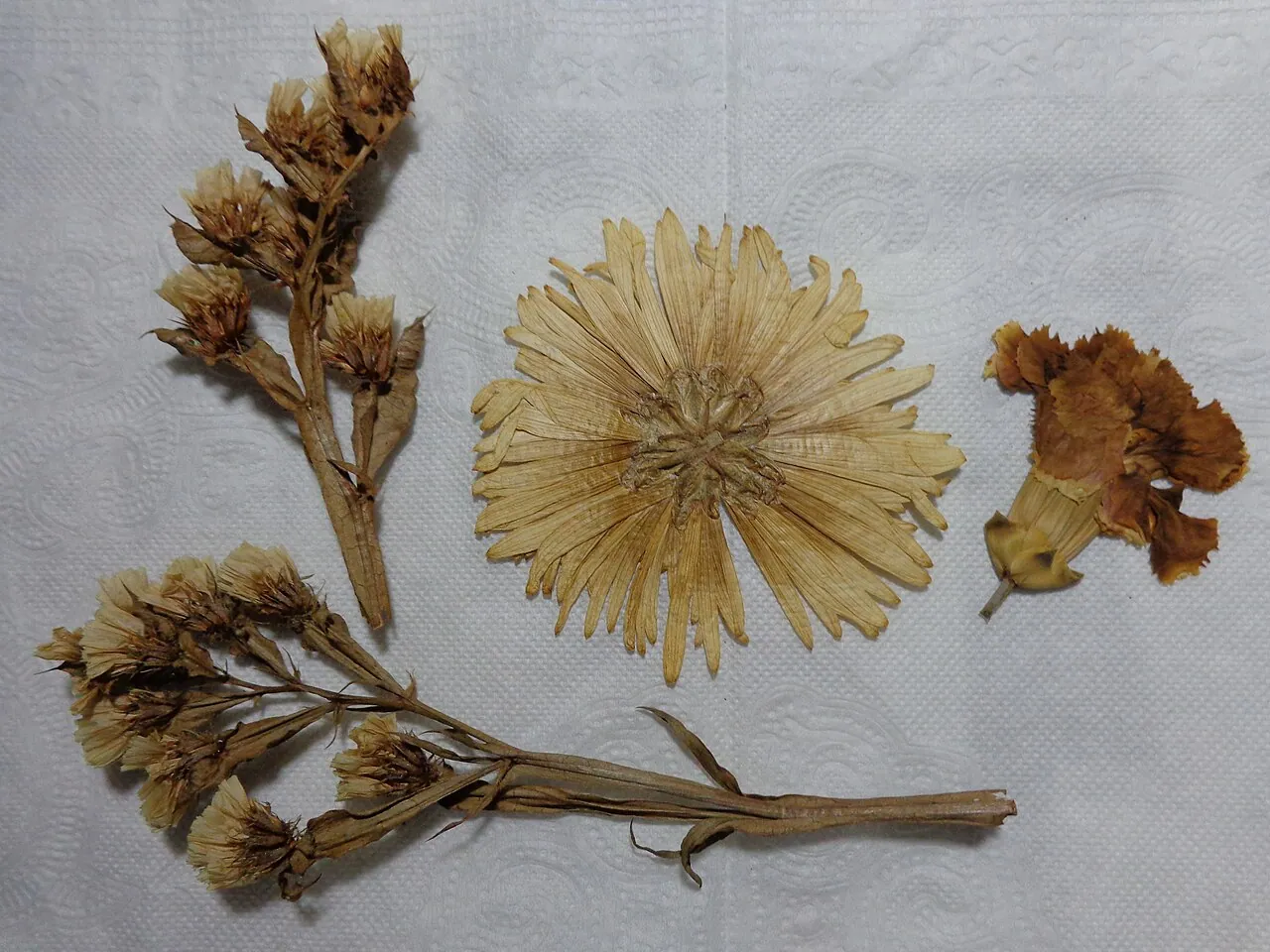
Small, airy bundles preserve texture well and are easier to dry evenly than one crowded harvest.
The potting table
The journey from border to bucket matters as much as the final position of your vase.
The potting table
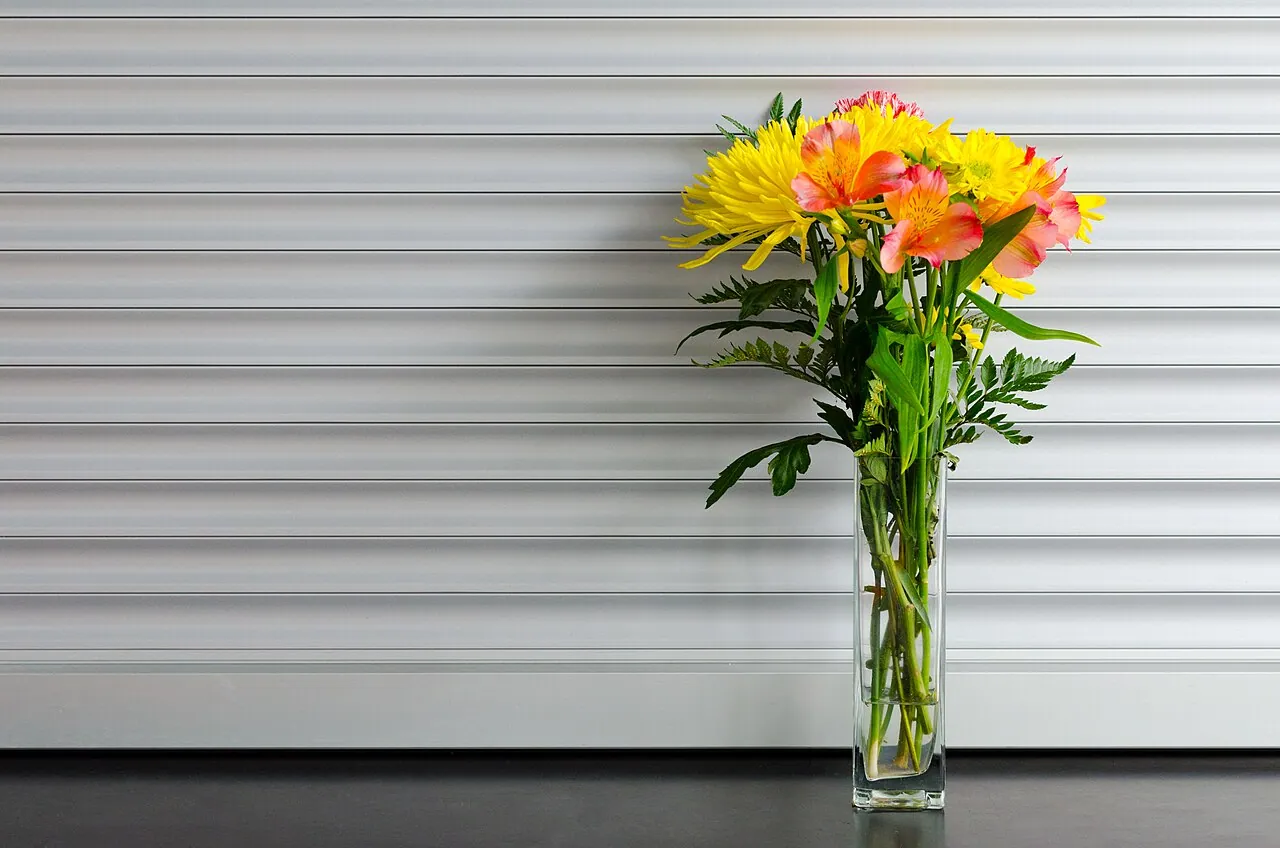
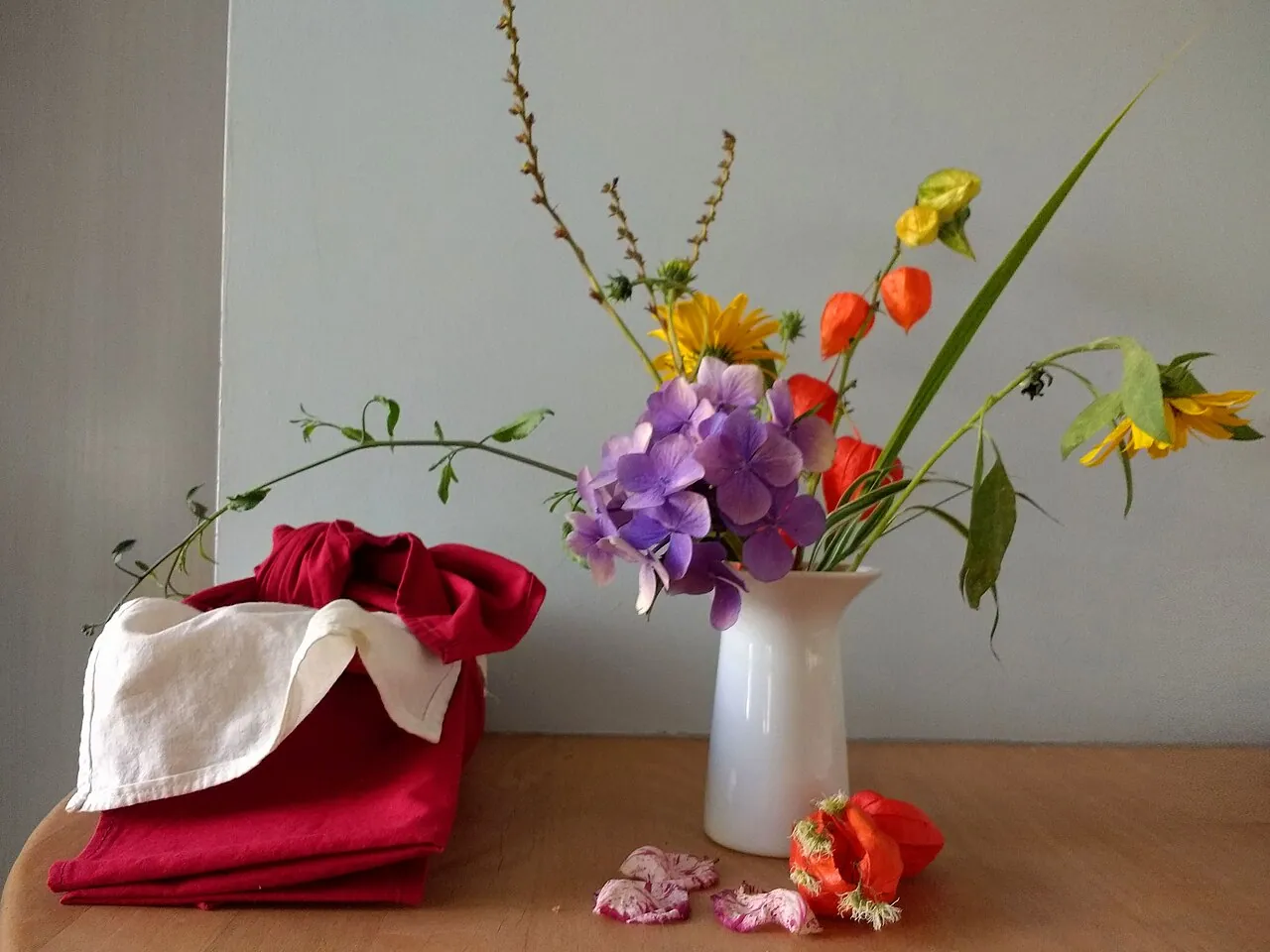
A small jug gives a handful of garden stems enough structure to look considered without becoming formal.
The potting table
Removing the old residue gives the next bouquet a clean place to start, especially in narrow-necked containers.
The potting table
A clear label needs a durable writing surface, a useful name and a second record somewhere sheltered.
The potting table
A useful bench leaves enough clear space to handle a pot and makes the frequently used tools easy to return.
The potting table
Flowers attract attention in a nursery, but roots, foliage and the conditions at home decide what happens next.
The potting table
A separate settling place gives you time to notice problems before a new plant joins the main collection.
The potting table
A successful plant swap passes on a healthy specimen and enough honest information to give it a fair start.
The potting table
The best plant gift fits the recipient’s space, while a short care card makes the first few decisions easier.
The potting table
An inventory helps you see what is already growing, where it belongs and which names still need checking.
The potting table
Count the space for young plants as carefully as the space for the flowers you hope to grow.
The potting table
An empty tray can still produce a useful result when you record what happened closely enough to change the next attempt.
The potting table
A colour notebook records which flowers are actually open together, rather than which colours merely share a catalogue page.
The potting table
A quick support check can prevent a loose loop from becoming a rubbed stem or a constricting knot.
The potting table
A short journey is easier on a plant when the pot cannot tip, foliage is protected and unloading is planned.
The potting table
A clear assessment can separate a recoverable plant from a project that no longer suits your space or attention.
Nothing matches this view. Try a shorter search or save a guide using its bookmark button.