Confirm the orchid type
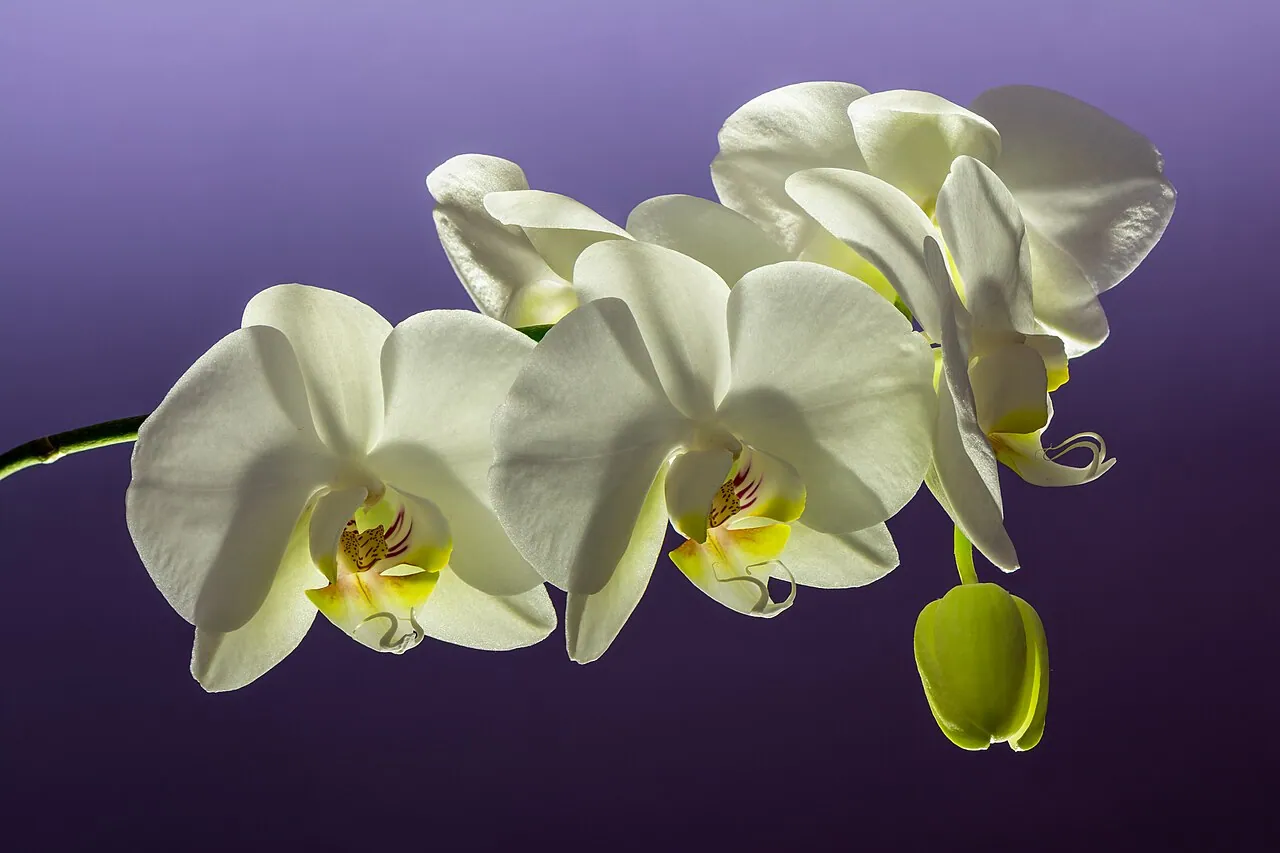
This aftercare applies to common Phalaenopsis, or moth orchids, rather than every plant sold as an orchid. Other genera have different storage organs and flowering habits. Keep the original label and take a photograph of the plant's base and leaves. A finished flower display is not evidence that the plant has completed its life. Healthy leaves and living roots can support future growth, while a weak plant may need a recovery period before another flowering effort.
Decide what to do with the spike
A brown, dry flower spike can be cut back with a clean tool. A green spike may sometimes branch after trimming above a suitable node, but another bloom is not guaranteed. If the plant is weak, removing the spike can simplify the display while attention shifts to vegetative recovery. Avoid treating a particular node count as a universal rule. Examine the plant's condition first, and keep the cut clear of the crown and emerging roots.
Inspect the medium rather than the calendar
Look through a clear pot if available and assess root firmness, crowding and the condition of the bark or other medium. Healthy roots can change appearance with moisture; colour alone is less useful than firmness and context. Broken-down, compacted medium may stay wet too long. Repot when appropriate for the plant's growth and medium condition, using a suitable orchid mix rather than ordinary dense potting soil. Remove only clearly dead roots with clean tools and avoid damaging firm living ones.
Prepare the next growth cycle
Give the plant appropriate filtered light and water thoroughly when its medium needs it, allowing complete drainage. Keep water from remaining in the crown, especially in cool conditions. Observe new root tips and leaf development as signs of progress. Record the end of flowering, any repotting and the appearance of fresh growth, without promising a new spike by a fixed holiday. Different hybrids and home conditions vary. A sound root system and healthy leaves make a better foundation for the next display than repeated attempts to force flowers from an exhausted plant.
A little further reading
Match these general notes to your plant variety, climate and local conditions.