Distinguish a path from a habitat
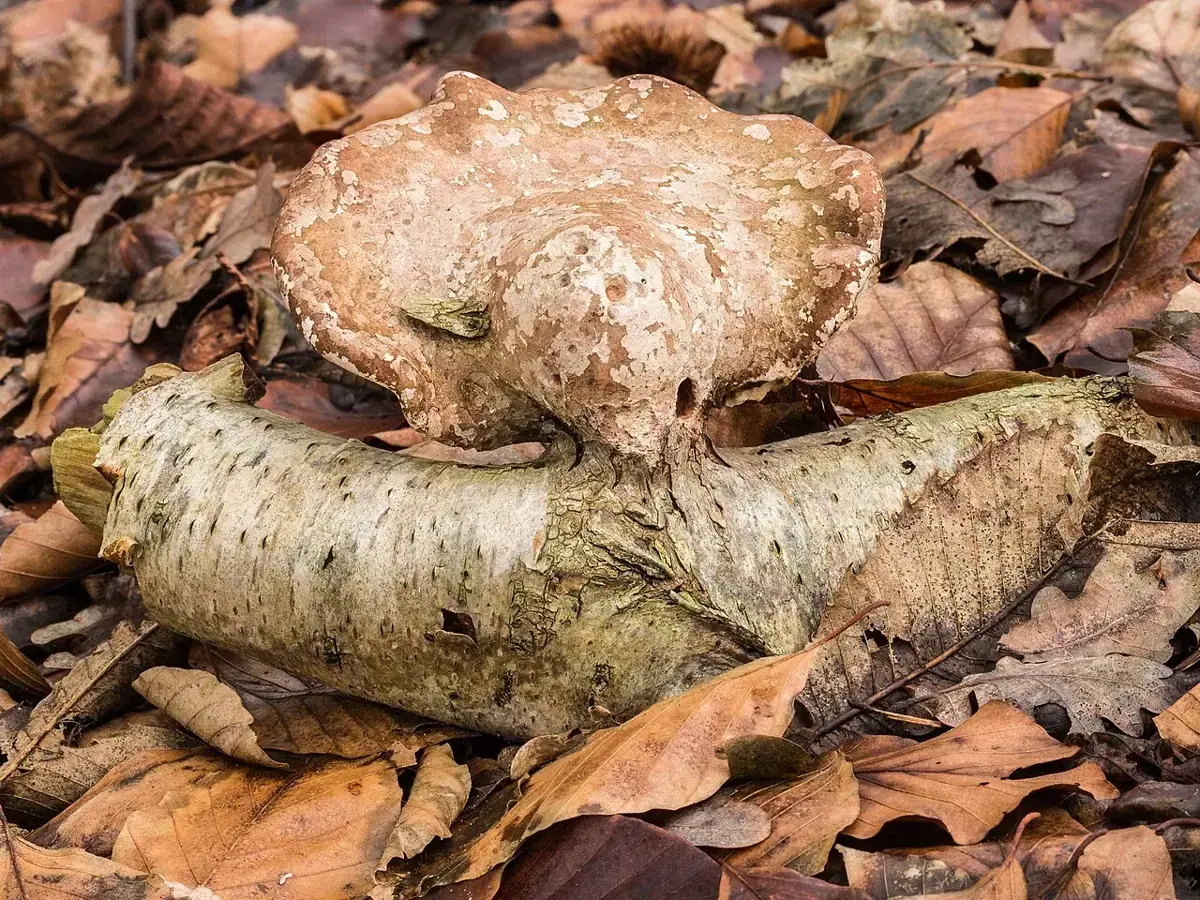
Walk through the garden and identify surfaces where fallen leaves create a slipping problem or block drainage. Clear those practical routes, then choose a quieter planted area where some leaves can remain. The decision does not have to be all or nothing. A boundary under shrubs may tolerate a natural litter layer while a small alpine plant nearby needs a different treatment. Observe the plants already growing in the proposed area before moving a large quantity of leaves there.
Keep the layer appropriate
Avoid smothering small crowns beneath a dense, wet heap simply because the material is natural. Spread or retain leaves in a way that suits the location and plants. Large quantities from paving may be better managed separately for leaf mould rather than dumped into one corner. Check for litter, ties and other debris mixed with the leaves. A habitat feature should not become a hiding place for plastic waste or sharp objects that are difficult to see later.
Make the boundary understandable
Use a path edge, low planting or a simple note in the garden plan to show where the retained area begins. This helps other people maintain the garden without accidentally clearing it every week. Avoid enclosing the leaves so tightly that small creatures cannot move between neighbouring patches. Keep the area away from tasks that require repeated lifting or turning. Its usefulness often depends on continuity and quiet, not on looking freshly arranged whenever someone visits the garden.
Observe changes through the year
Notice how the leaves settle and break down, and whether the plants beneath remain healthy. Check from the edge rather than constantly rummaging through the layer. If material needs moving, do so thoughtfully with awareness of possible occupants and suitable seasonal guidance. Record where retention worked well and where it caused difficulties. The aim is a maintainable mosaic: clear routes for people, appropriate conditions for plants and some undisturbed places where the garden can recycle its own fallen material.
A little further reading
Match these general notes to your plant variety, climate and local conditions.