Watch the transition from flower to seed
Notice which plants develop sound seedheads and which collapse quickly. Photograph the border from the same position as the season changes. The shape that matters in winter may be a fine branching outline rather than a bright mass of colour. Keep the identity of each plant in your notes. Some self-seed freely, so decide whether retaining seed fits the way you want to manage the bed. A useful winter display can still have clear boundaries and a practical maintenance plan.
Leave a group that reads as intentional
Retain a modest patch where the stems stand securely and do not obstruct a path. Repetition helps the shapes look deliberate, especially against a simple background. Remove damaged or hazardous material separately. Consider how the stems will behave after rain and wind, not only on a calm dry day. If a tall clump repeatedly falls over, a suitable support or a different position next year may be more effective than trying to preserve each damaged stem through winter.
Observe wildlife use without assumptions
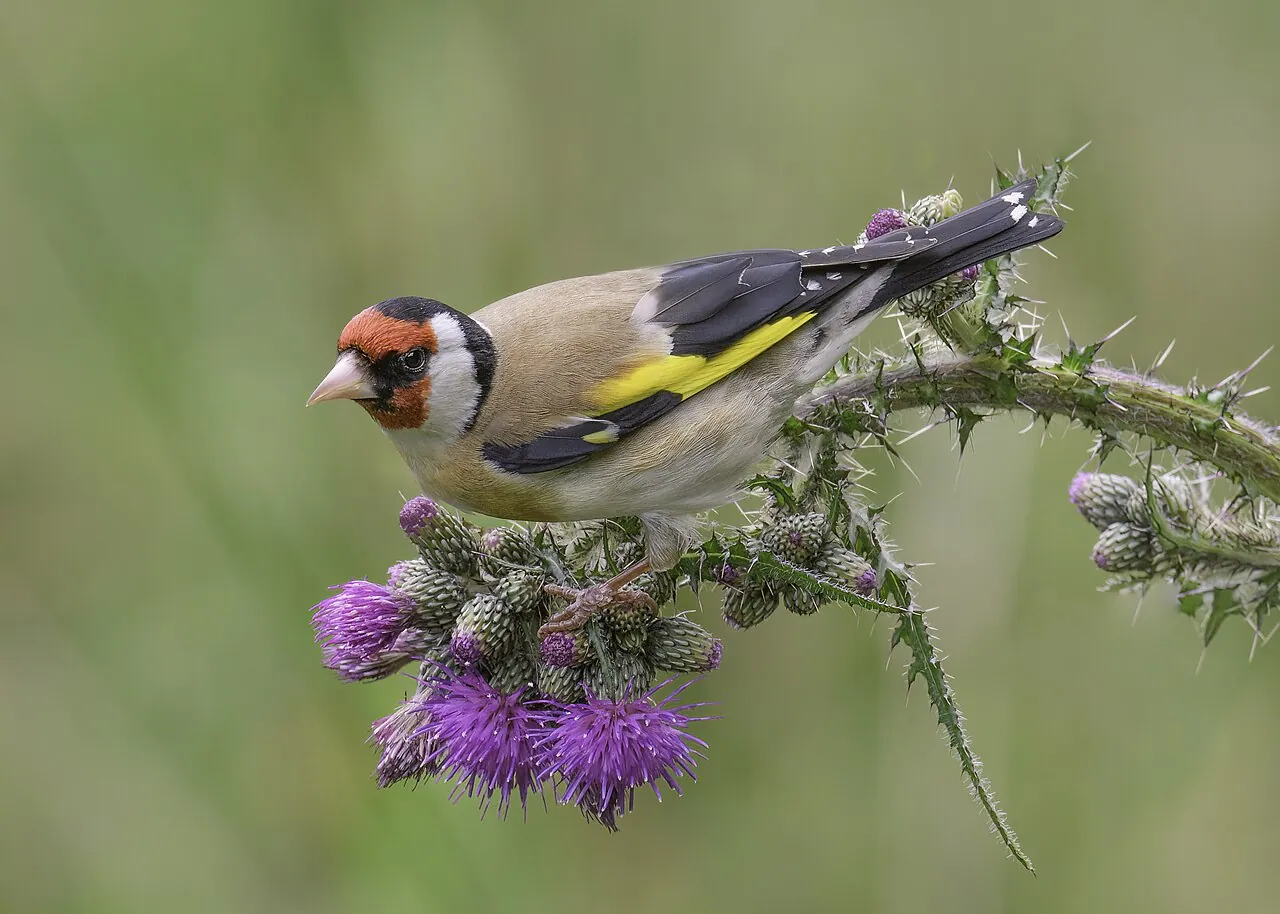
Look for birds feeding or insects using the retained structure, but do not expect every seedhead to attract the same visitors. Seed size, ripeness, plant species and the local wildlife community all matter. Record what you actually see, including the date and approximate conditions. A quiet observation does not mean the feature is useless; it is simply one observation. Avoid treating decorative retention as a promise that a particular species will appear in your garden.
Plan a careful spring transition
Revisit the patch as new growth begins, checking for occupied stems or other wildlife before cutting. Keep the plant's own needs in mind and avoid burying emerging shoots under the removed material. Where appropriate, place retained stems in a quiet habitat area instead of shredding everything immediately. Mark the date and compare the next winter's display. The goal is a continuing cycle of useful structure, manageable self-seeding and room for the plant's next season of growth.
A little further reading
Match these general notes to your plant variety, climate and local conditions.