Start with the place the pot will live
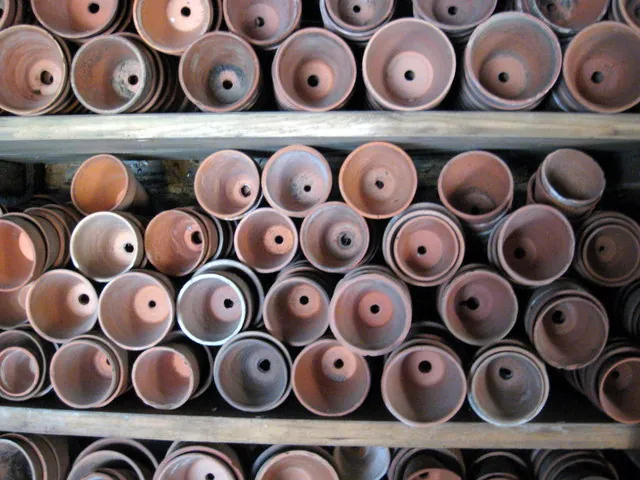
An exposed balcony, a sheltered patio and an indoor windowsill create different demands. Unglazed terracotta is porous and can lose water through its walls, while plastic generally retains moisture longer. In a hot windy place, that difference may mean more frequent checks for a terracotta pot. In a cool indoor setting, faster drying may be helpful for some plants. Neither material is universally healthier; the right choice depends on the whole growing arrangement.
Include weight in the decision
Terracotta adds weight and can make a top-heavy plant more stable, but it also makes moving a large wet container harder. Plastic is lighter and useful where pots need regular relocation, though a tall plant may require a more stable overall setup. Test the empty vessel's shape and the route it must travel before filling it. If using a lightweight nursery pot inside a heavier decorative container, remember that the outer pot can trap drainage water unless it is checked routinely.
Consider the less visible differences
Porous clay can be vulnerable to cracking when retained water freezes, depending on the pot's quality and rating. Check suitability for outdoor winter use rather than assuming all terracotta is frostproof. Plastic quality also varies, with some products becoming brittle after prolonged exposure. Dark containers can become hot in strong sun, so colour and position matter alongside material. Inspect drainage holes and internal dimensions in both options; a thick decorative wall can reduce the actual root volume more than the exterior measurement suggests.
Run a fair small comparison
If unsure, compare similar plants in pots of similar size and shape with the same mix and position. Record watering need and stability over several weeks. Do not compare a tiny terracotta pot in sun with a large plastic pot in shade and attribute every difference to material. Keep the result specific to your conditions. The practical winner is the pot that lets you maintain suitable moisture, move or protect the plant when necessary and inspect roots and drainage without turning ordinary care into a difficult chore.
A little further reading
Match these general notes to your plant variety, climate and local conditions.