Take a photograph before moving anything
Photograph the collection from the place you usually see it. Look for plants whose outlines disappear, pots that block access and specimens hidden behind taller neighbours. Make a simple list with three columns: plants you particularly enjoy, plants that are useful and plants you keep mainly from habit. A plant may belong in more than one column. This is not a judgement of its worth; it is a way to see whether the current arrangement still matches your interests and available time.
Give the favourites enough space
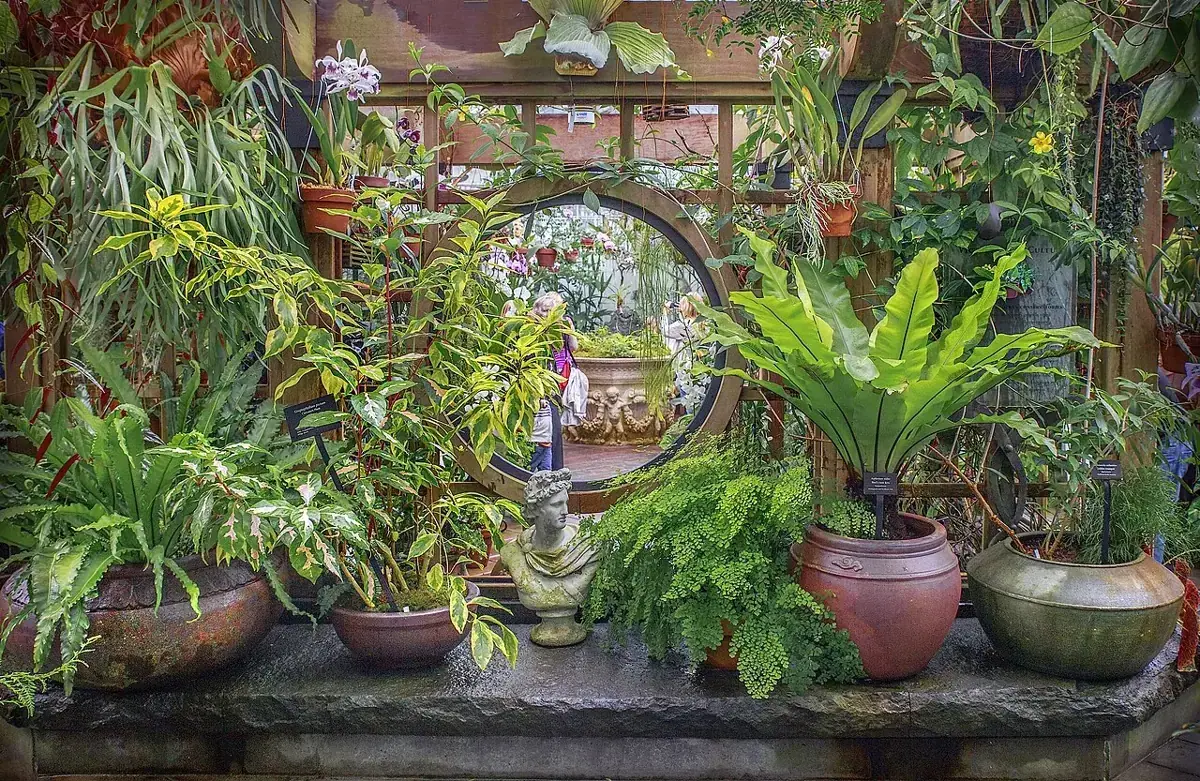
Choose a small number of plants to become the collection's anchors. Move surrounding pots temporarily so their shapes can be seen and their care is easy to manage. Check whether the change improves light and airflow as well as appearance. Avoid immediately filling the newly open gaps. Live with the simpler arrangement for several days. A favourite plant can become more satisfying when it is visible and healthy, even though the total number of plants in the display has decreased.
Assess the difficult specimens honestly
For each struggling plant, identify whether its needs can realistically be met in your space. Repeated rescue work may indicate unsuitable light, temperature or watering demands rather than insufficient effort. Keep diseased or pest-affected plants separate while assessing them. Healthy duplicates can be shared with accurate identification and growing notes. Do not pass on a problem without disclosure. If a plant needs a different home, making that decision can free both space and attention for specimens that suit the conditions you actually have.
Set a rule for future additions
Use a simple purchase check: where will it live, what role will it serve and how will it be cared for at maturity? Photograph the edited collection and keep the image as a reference. If a new plant would obscure the arrangement again, decide what will move before buying it. Review the collection seasonally rather than waiting for every shelf to be full. Editing becomes easier when it is a normal part of growing, allowing the collection to change with your experience while keeping its strongest plants clearly in view.
A little further reading
Match these general notes to your plant variety, climate and local conditions.