Design around the material you actually have
List the regular inputs from your household and garden: vegetable trimmings, coffee grounds, soft plant waste, dry leaves and plain shredded cardboard. The common terms greens and browns describe their role more than their literal colour. A household producing mainly wet kitchen material needs a reliable source of drier carbon-rich ingredients. Keep that reserve close to the bin in a covered container, so balancing a fresh addition becomes a simple habit rather than a separate search through the garden.
Add small mixed portions
Chop or tear large material into manageable pieces where practical and mix additions through the upper layer. Avoid dumping a thick slab of grass clippings or compacting everything to make more fit. The bin needs air spaces as well as moisture. Check the texture of material from inside, not only the dry surface. If it is very dry, moisten appropriately; if it is wet and matted, introduce suitable dry structure and loosen the mixture. Adjust from observation rather than treating one volume ratio as exact for every ingredient.
Keep the system within its capabilities
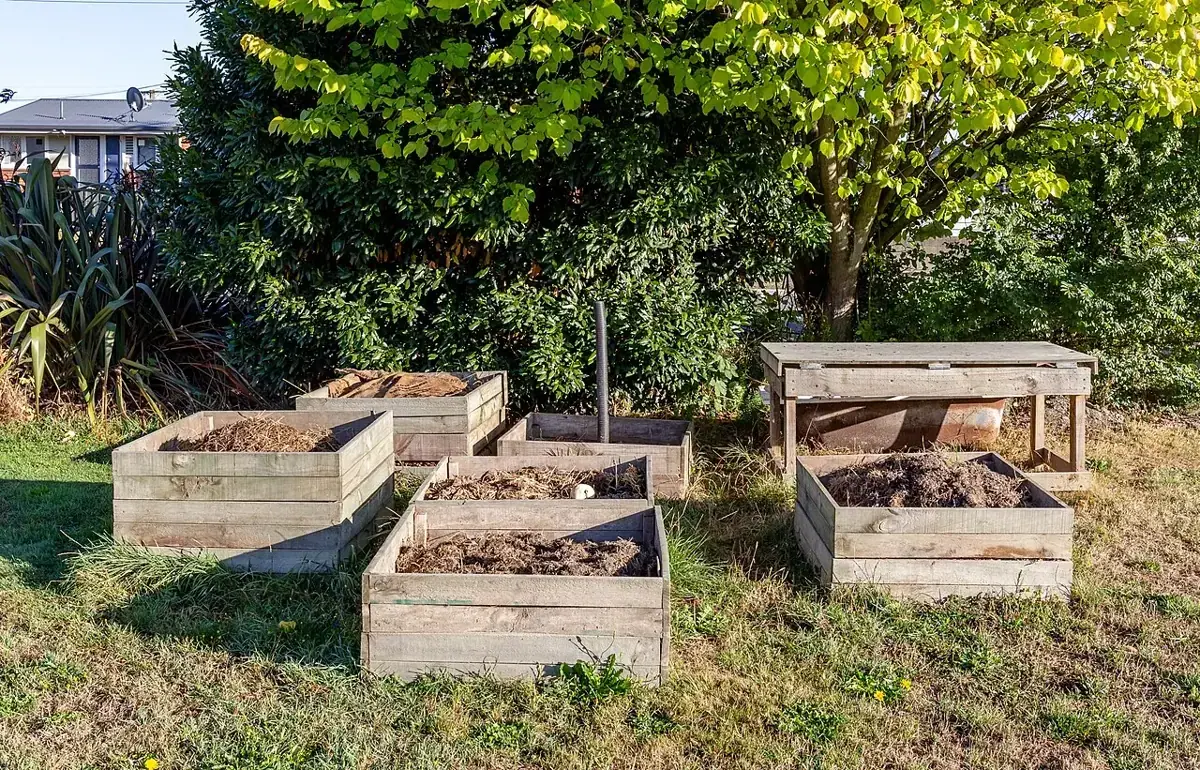
A small home bin is not necessarily a hot composting system, so do not assume it reliably destroys all weed seeds, persistent roots or plant pathogens. Keep problematic material out when the process cannot manage it. Avoid meat, dairy and oily cooked food in a basic open garden system that may attract pests. Place the bin where additions and occasional mixing are convenient, with enough room to remove finished compost without dismantling the surrounding planting.
Separate feeding from finishing
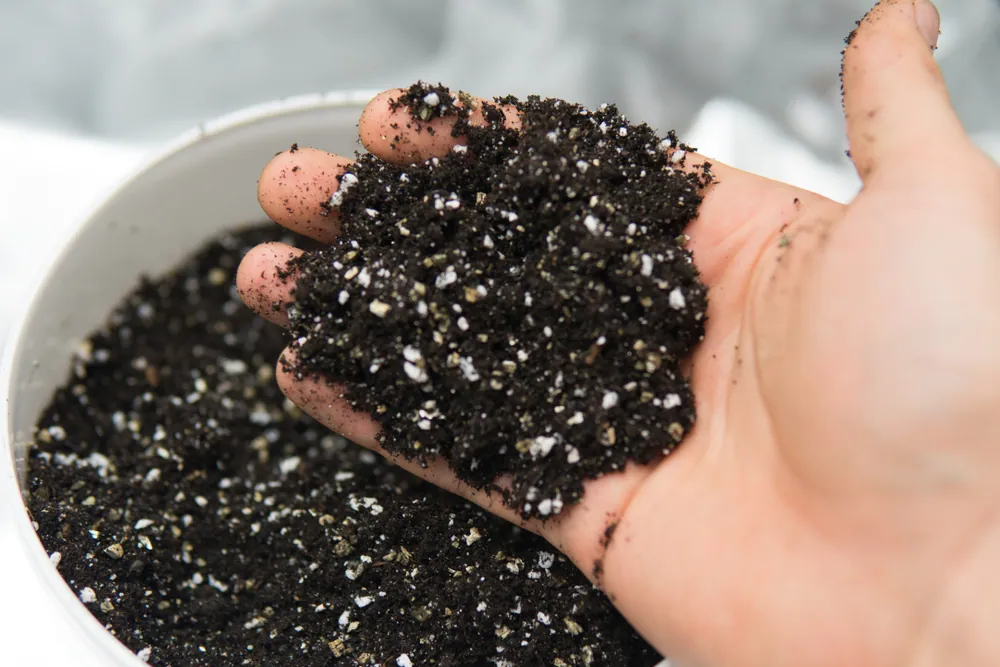
If fresh material is added continually, some contents will always be less decomposed than the rest. Plan a way to let a batch finish, whether by using a second container or removing mature material from a suitable lower section. Label the approximate start of the resting period and inspect texture before use. Finished compost should be sufficiently broken down and stable for its intended purpose. Record which ingredient was repeatedly missing during the year. That single supply problem is often the most useful improvement to make before buying a larger or more complicated compost bin.
A little further reading
Match these general notes to your plant variety, climate and local conditions.