Find the existing visual thread
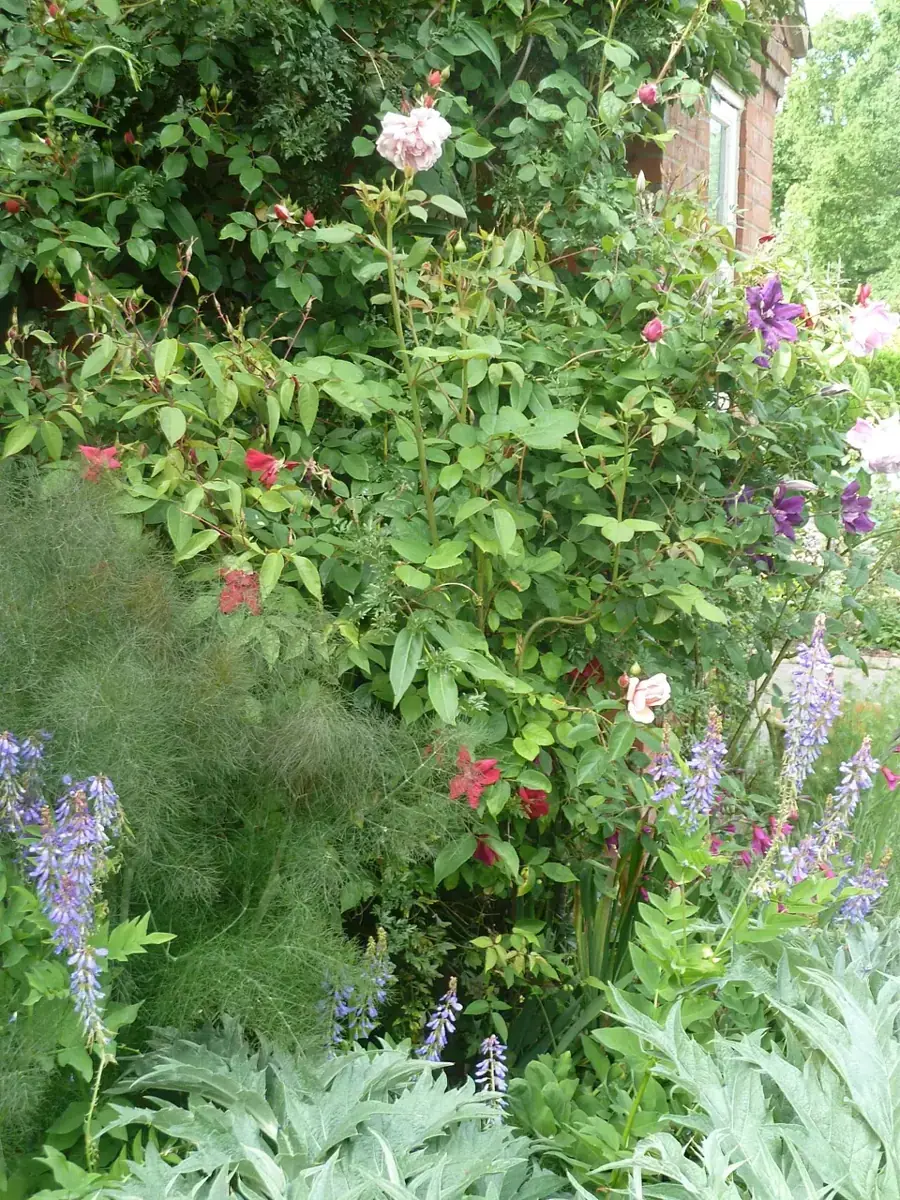
Walk through the garden and list details that already recur: rounded pots, upright flower spikes, silver leaves, a terracotta colour or a curved edge. Choose one that you enjoy and that can be repeated without much effort. This creates a starting point more personal than buying several identical plants because a diagram says to use groups. Photograph the space and mark where the chosen detail is currently visible. Gaps in that visual rhythm may be more useful than a completely regular pattern.
Repeat a role rather than an exact plant
A sunny border and a shady corner may need different species, yet both can carry a similar rounded mound or upright accent. Select plants suited to each position and connect them through form. This avoids forcing one favourite into unsuitable light simply to maintain symmetry. Compare their mature dimensions so the repetition remains proportionate. The relationship should be visible at normal viewing distance; a tiny shared flower detail may be meaningful close up but contribute little to the overall arrangement.
Use objects you already own
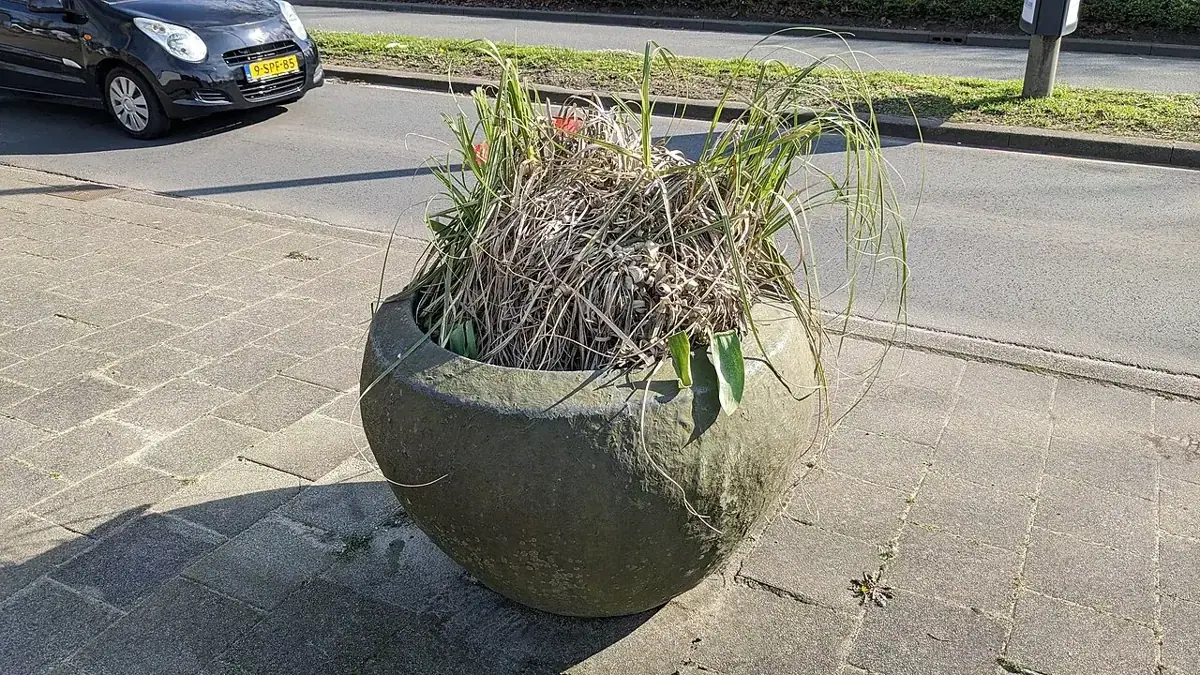
Move matching or related pots into positions where they can connect separate plant groups. Repeating a material can be enough, even if the vessels differ in size. Try the arrangement before buying anything. A bench colour might be echoed by a modest painted container, while a gravel surface might relate to a stone pot. Keep the number of repeated ideas limited. When every colour and texture is repeated everywhere, the composition can become busy and the original thread is difficult to recognise.
Check rhythm without demanding symmetry
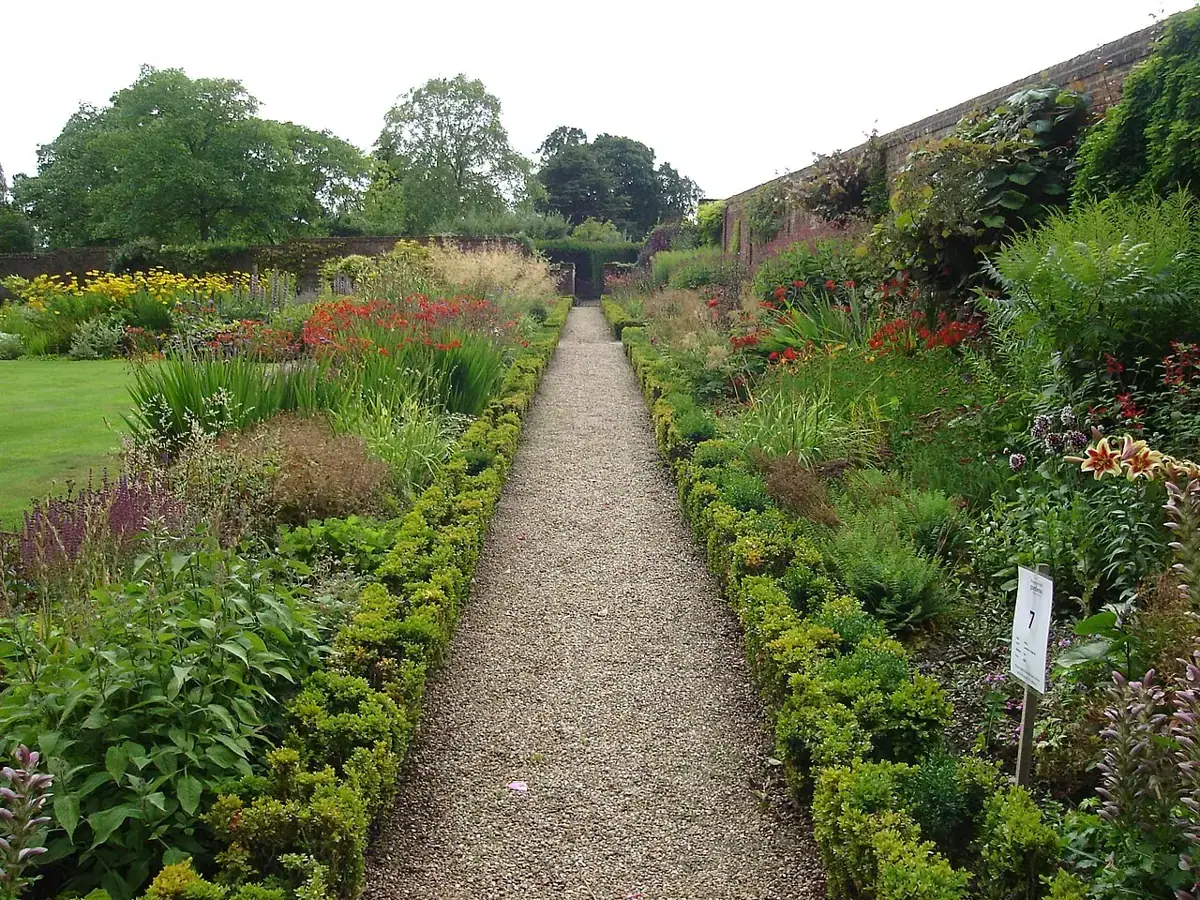
Look from the main doorway and along the most-used path. Does the eye move comfortably between the repeated elements, or does one dominate because it is much larger or brighter? Adjust spacing and scale before adding more copies. Allow a deliberate interruption where a special plant deserves attention. Revisit the arrangement after seasonal growth changes its balance. Repetition is useful when it helps different parts of the garden belong together, while leaving enough variation for each place to respond to its own conditions and purpose.
A little further reading
Match these general notes to your plant variety, climate and local conditions.