Choose the collection point thoughtfully
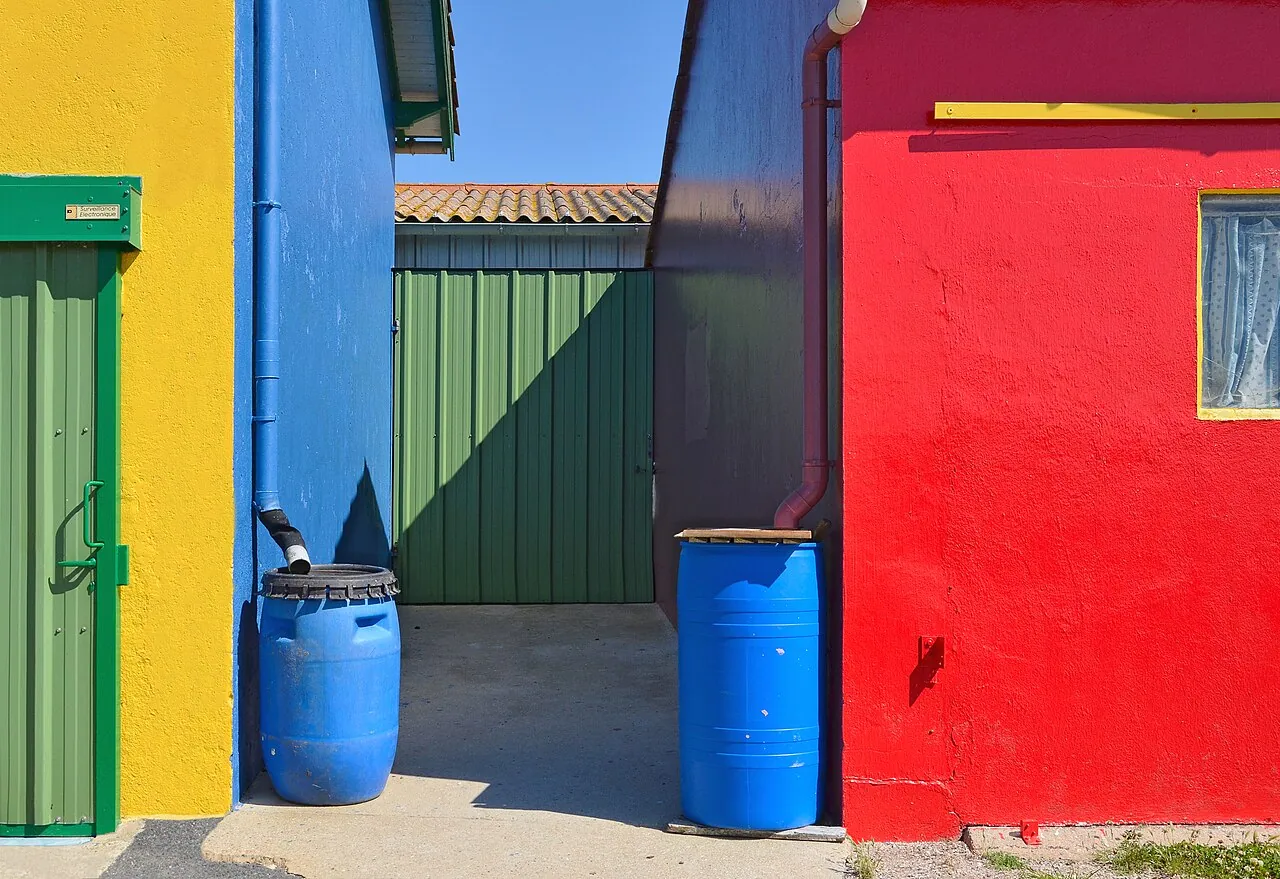
Look at the roof and gutter that will feed the store. Avoid treating every runoff source as equally suitable; debris, unsuitable roof materials or contamination can affect the water. Select an accessible downpipe and a container designed for the purpose. Work out where overflow will go during heavy rain before installing anything. Keep the arrangement clear of routes and doorways. The useful system is one you can inspect and use easily, rather than a large barrel hidden where cleaning and filling a can become awkward.
Support the full container securely
Water is heavy, so use a firm, level base and a stable stand appropriate to the container. Allow enough clearance beneath the tap for the watering can you actually use. Fit a secure lid and suitable screening or filters to reduce debris and access by animals. Check connections and the overflow during the first substantial rain. Do not climb on the stand or improvise unstable stacks to gain height. Resolve the layout while the container is empty, when adjustments are safer and easier.
Keep the supply moving and clean
Use stored water regularly and inspect gutters, filters and the tap for debris. Schedule cleaning at a convenient low-water point, following the container's guidance. If the water becomes unpleasant or heavily contaminated, investigate and clean the source of the problem rather than adding arbitrary chemicals. Avoid creating a fine mist from warm stagnant stored water. Direct the water toward the soil with a can or suitable coarse delivery. Keep hands and equipment clean, particularly when moving between stored water and sensitive propagation work.
Assign the water where it is most useful
Established container plants and acid-loving plants can make good use of suitable rainwater. Use a clean appropriate supply for vulnerable seedlings where stored water could introduce plant pathogens. Record how quickly the store empties during a dry period. That practical measurement helps you decide whether additional capacity would be useful or whether improving watering efficiency should come first. A larger tank is not automatically better if the collection area is small or access is inconvenient. Build the system around regular use, inspection and a clear overflow route.
A little further reading
Match these general notes to your plant variety, climate and local conditions.