Separate resemblance from genetic identity
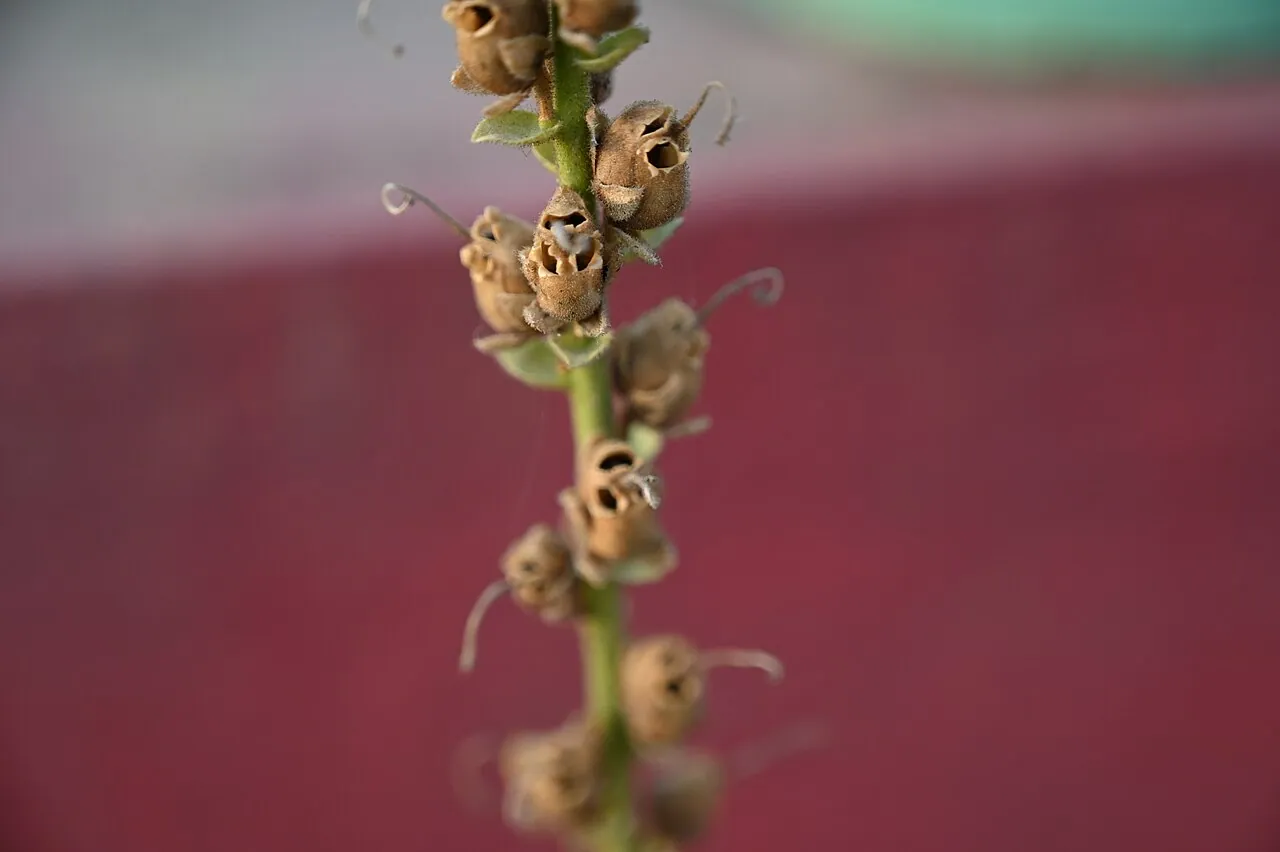
Plants raised from seed result from sexual reproduction and can vary from their parents. Open-pollinated selections may remain fairly consistent under suitable pollination conditions, while seed from many hybrids can produce a wider range of traits. A familiar flower colour does not prove genetic identity. Decide what matters before collecting: perhaps any healthy pink cosmos is welcome, or perhaps a particular compact habit is essential. Those two aims call for different expectations and sometimes different propagation methods.
Consider who supplied the pollen
The visible parent provides the seed, but nearby compatible plants may contribute pollen. Pollination biology varies greatly between species, so look up the plant rather than assuming all flowers behave like tomatoes or peas. Distance, insects and other gardens can complicate attempts to keep a strain consistent. Label a home collection honestly with the known parent and any uncertainty. Avoid presenting seed from a mixed planting as a guaranteed reproduction of one named cultivar.
Give seedlings room to reveal themselves
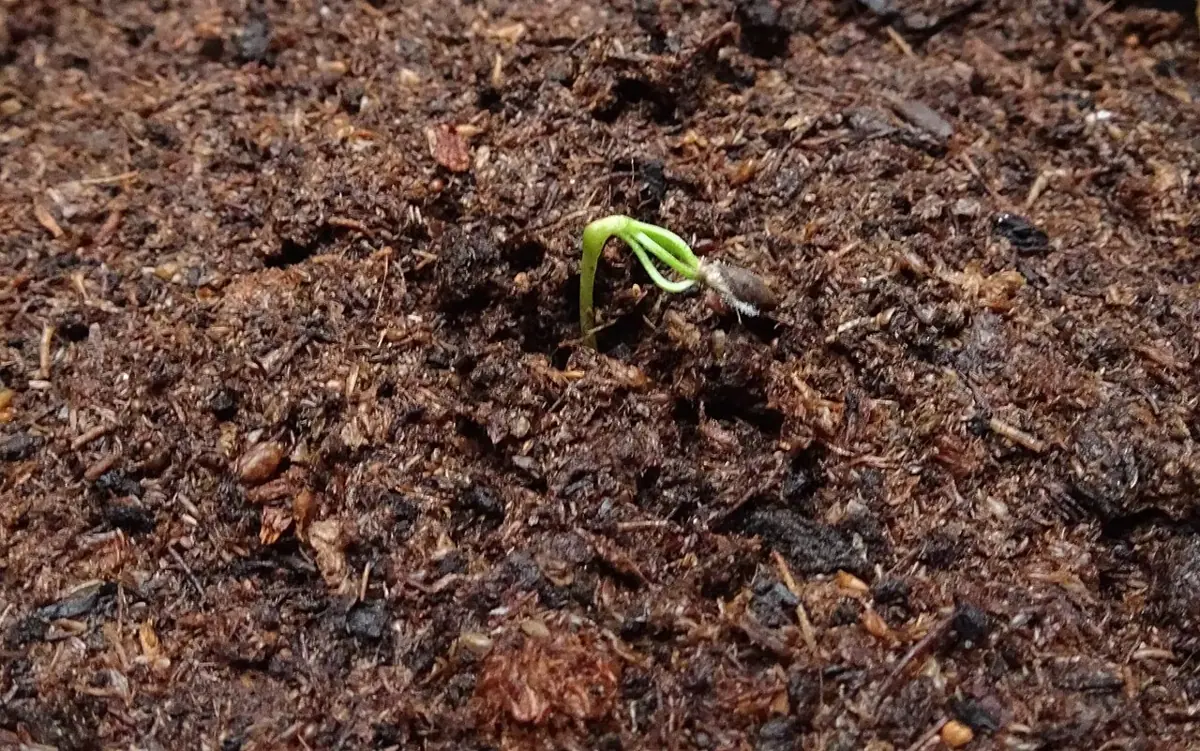
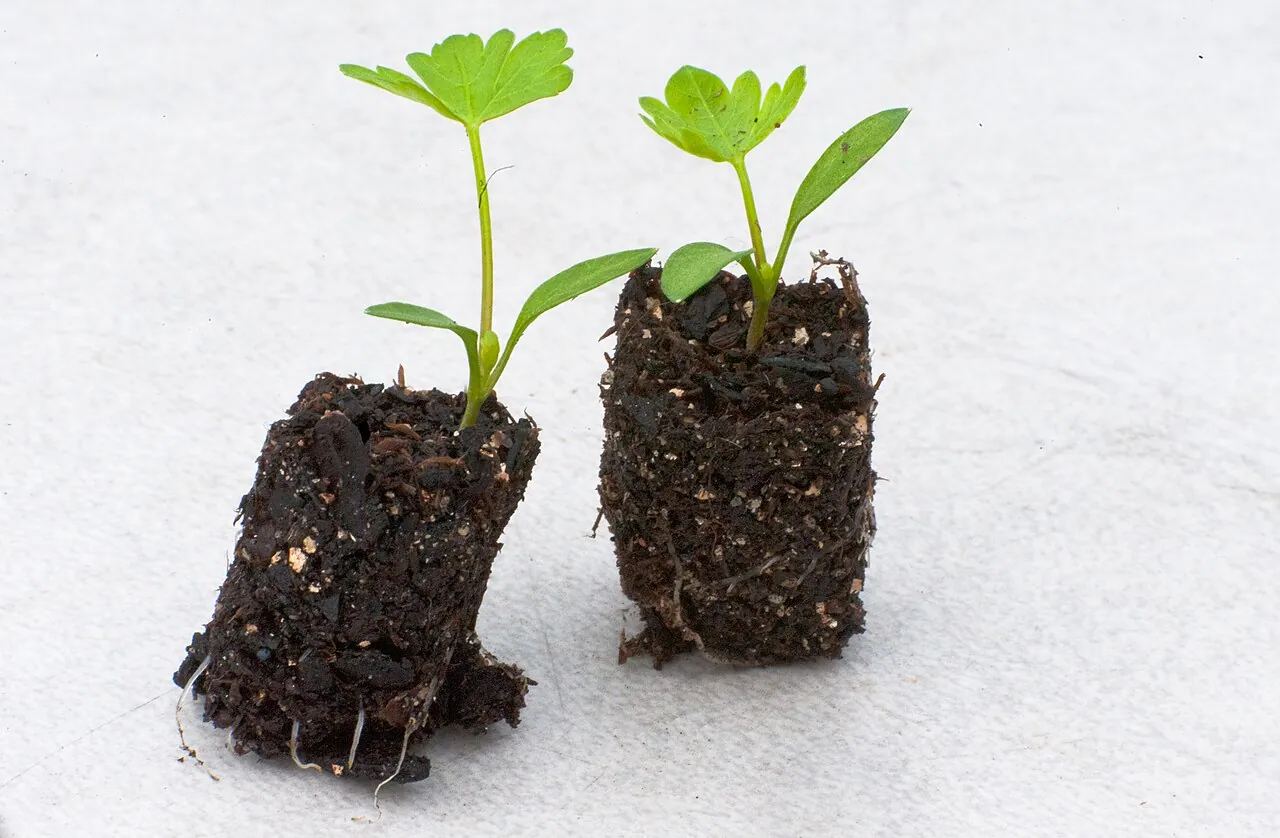
If variation is part of the interest, grow a manageable number and label the family group. Record differences in flowering time, height, colour and vigour instead of judging only the first bloom. Take comparable photographs and retain notes about the conditions, since environment can also change appearance. Decide which traits are useful in your actual garden. A surprising seedling is worth keeping when it performs well and fits the space, not simply because it looks different from the packet illustration.
Choose cloning when the exact form matters
Cuttings, division and other suitable vegetative methods generally preserve the parent's genetic identity more closely than seed. The correct method depends on the plant, and some special forms or grafted plants require additional care. Use healthy parent material and check propagation restrictions where relevant before commercial distribution. For an ordinary home collection, keep seed experiments and named clonal plants labelled separately. That simple distinction preserves the pleasure of variation without allowing an uncertain seedling to replace the identity of a carefully selected plant in the garden record.
A little further reading
Match these general notes to your plant variety, climate and local conditions.