Choose the species for the winter
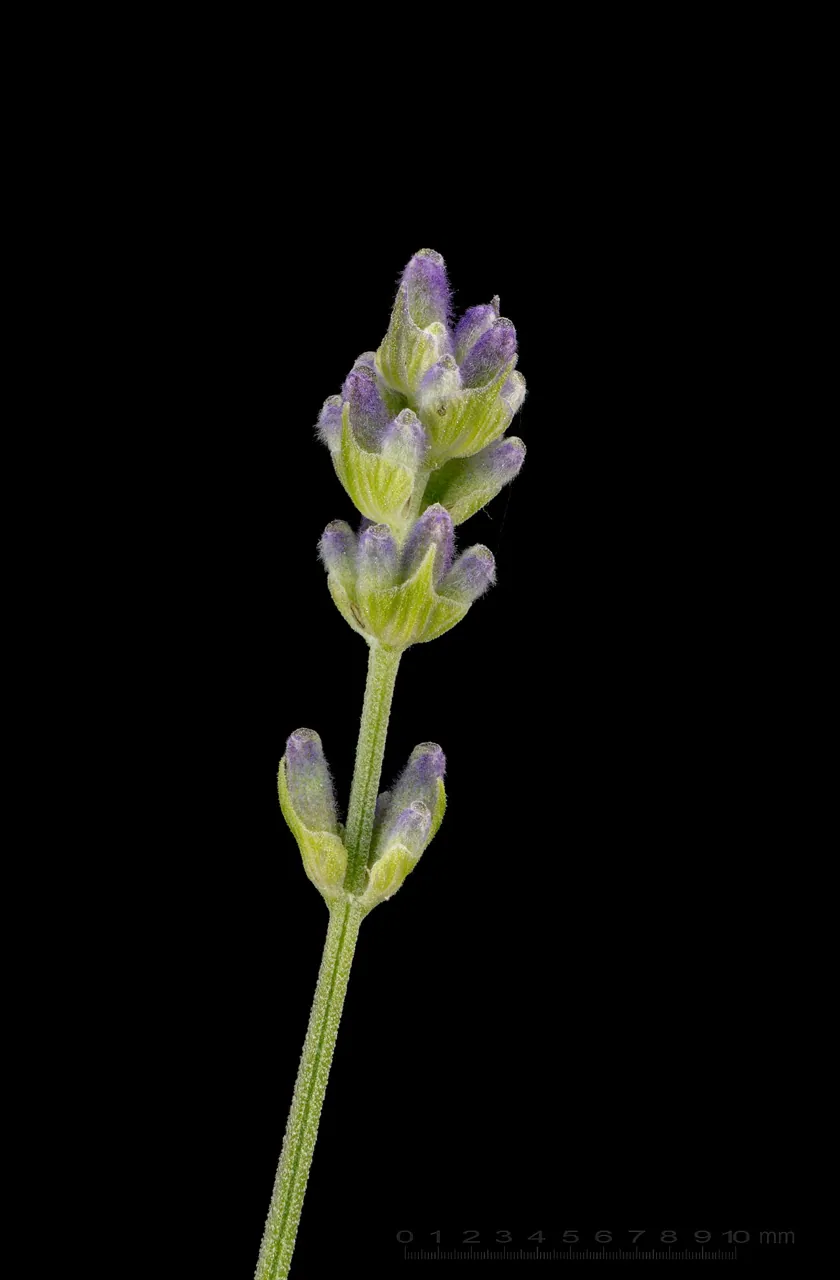
English lavender and some related hybrids tolerate colder conditions than many tender lavender types, but winter wet can still be troublesome. Read the botanical name and hardiness information instead of choosing solely by flower colour. A sheltered container can be moved or protected more easily than a long permanent hedge. Before buying, observe the intended spot after prolonged rain. If water lingers there, another position or a different plant may be a better decision than repeatedly replacing lavender.
Keep the base visible
Plant in a sunny position with appropriate drainage and avoid crowding the crown with moisture-holding mulch or sprawling neighbours. A plant that is open above but buried below is not receiving the intended conditions. In a pot, use a suitable freely draining medium and confirm that the drainage holes remain open. Do not assume a layer of stones compensates for an unsuitable mix. Lift the container from its decorative sleeve after watering to check that it is not standing in trapped runoff.
Trim with the living outline in view
Regular pruning helps maintain a compact plant, but lavender does not reliably recover from severe cuts into old, leafless wood. Study where healthy leafy shoots remain before picking up shears. Work a little at a time and follow species-appropriate timing for your region, avoiding a late treatment that encourages vulnerable growth before winter. A badly woody plant may need gradual improvement or replacement. Photograph it from above first so the living outline is easier to compare with the shape you want.
Judge the whole planting after rain
Walk past the lavender after a wet spell and note which plants dry slowly, lean into neighbours or accumulate fallen leaves around the base. Those small differences often explain uneven performance along a hedge. Record pruning dates and take a photograph after flowering each year. If one end consistently declines, inspect shade and drainage there before blaming the entire variety. The aim is to maintain a sustainable shape in suitable conditions, rather than force a lavender to behave like a shade-loving, moisture-demanding border perennial.
A little further reading
Match these general notes to your plant variety, climate and local conditions.