Ask what problem the new pot would solve
Roots filling the existing container, unusually rapid drying and a plant becoming unstable can justify a closer look. A single root at a drainage hole does not necessarily mean the entire pot is congested. Slow growth can also reflect season, insufficient light or poor root health. Write down the actual problem before buying a larger vessel. If the issue is a dark location, more potting medium may simply hold additional water around roots that are already growing slowly.
Inspect with minimal disturbance
When the plant and medium are in a workable condition, ease the root ball from the pot while supporting it. Look for the proportion of roots to medium, circling roots and any soft or decaying tissue. Root colour varies by species and medium, so firmness and overall structure are useful alongside colour. Photograph the root ball before making changes. If it is not congested and appears healthy, returning it to the same pot may be the sensible decision.
Choose the next size for the roots
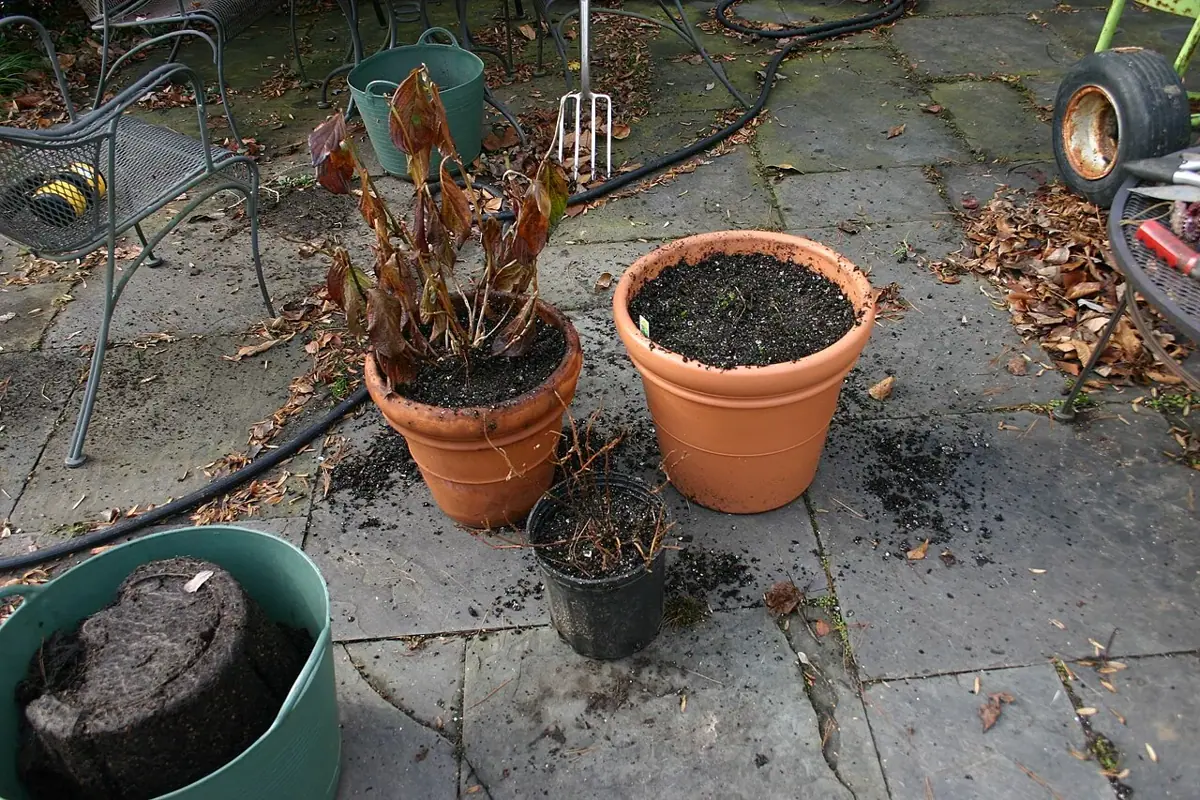
If repotting is appropriate, select a container only moderately larger, with drainage holes and a suitable shape. A dramatic increase leaves more unused medium that can remain wet. Test the plant's position in the empty pot and plan the final soil level. Use suitable evenly moistened potting mix, keeping the crown or stem base at the correct depth. Settle the mix gently around roots without compressing it into a dense block, and leave practical space for watering at the rim.
Relearn the watering interval
After repotting, water as appropriate and allow drainage, then observe how the new container dries. Do not assume the previous schedule still applies. Keep the plant in suitable conditions and avoid combining repotting with several other major changes. Note the date, old and new pot sizes, and the reason for the move. During the following growth period, assess whether the original problem improved. This record turns repotting into a targeted intervention rather than an annual ritual that keeps increasing container size regardless of what the roots actually need.
A little further reading
Match these general notes to your plant variety, climate and local conditions.