Draw the reach, then the planting
Four square metres could be a two-metre square, but that shape is awkward if only one edge is accessible. Sketch the bed and stand beside it with an empty bucket. Mark the area you can comfortably reach without stepping onto soil. A narrow rectangle beside an existing path may deliver more usable growing space than a square divided by an internal path. Put the bucket down where it will not crush emerging plants.
Give each group a different job
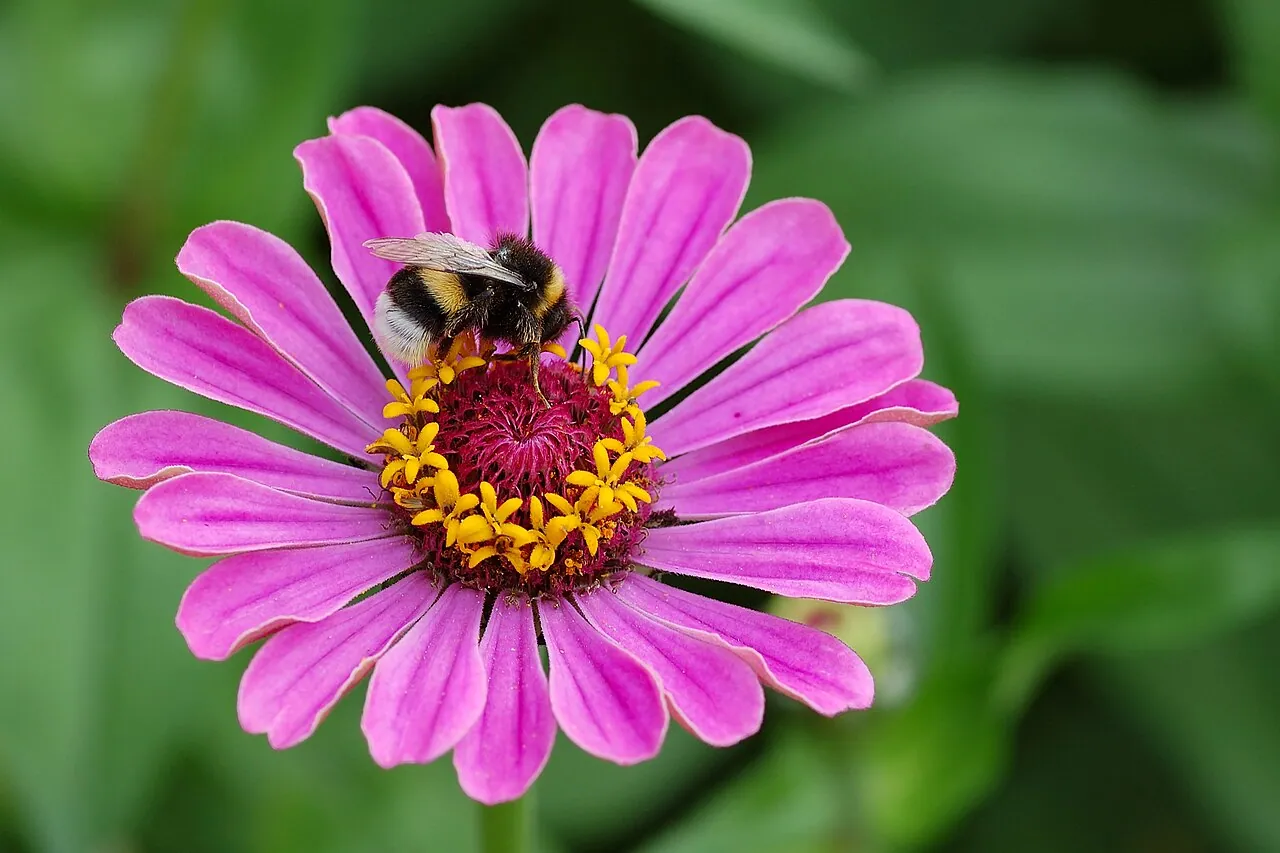
Choose a modest cast rather than one plant from every packet. For example, an early group of calendula can supply small faces, a summer group of zinnias can supply stronger focal flowers, and cosmos can offer a looser shape later. Check each cultivar's mature spread before allocating positions. This is a design example, not a universal planting prescription: local heat, frost dates and available sun decide whether those choices belong together in your garden.
Leave a deliberate opening
Use part of the bed first, and keep a labelled section for a later sowing or young replacement plants. The empty area has a purpose; do not fill it impulsively with spare seedlings. On your sketch, write the expected planting window and the crop that will occupy it. If the first group flowers much later than expected, move the replacement date accordingly. Install supports for taller selections while their positions are still visible, before stems knit into an inaccessible thicket.
Measure a bouquet, not a photograph
During harvest, note which stems actually fit your usual vase. A beautiful plant with only a few short stems may deserve a border position rather than valuable cutting space. Compare the number of usable stems with the space each group occupies, while allowing some flowers to remain for insects. At the end of the season, circle one useful performer, one awkward choice and one gap in timing. Those three notes are enough to make next year's tiny patch more productive without making it more complicated.
A little further reading
Match these general notes to your plant variety, climate and local conditions.