Separate awakening from feeding
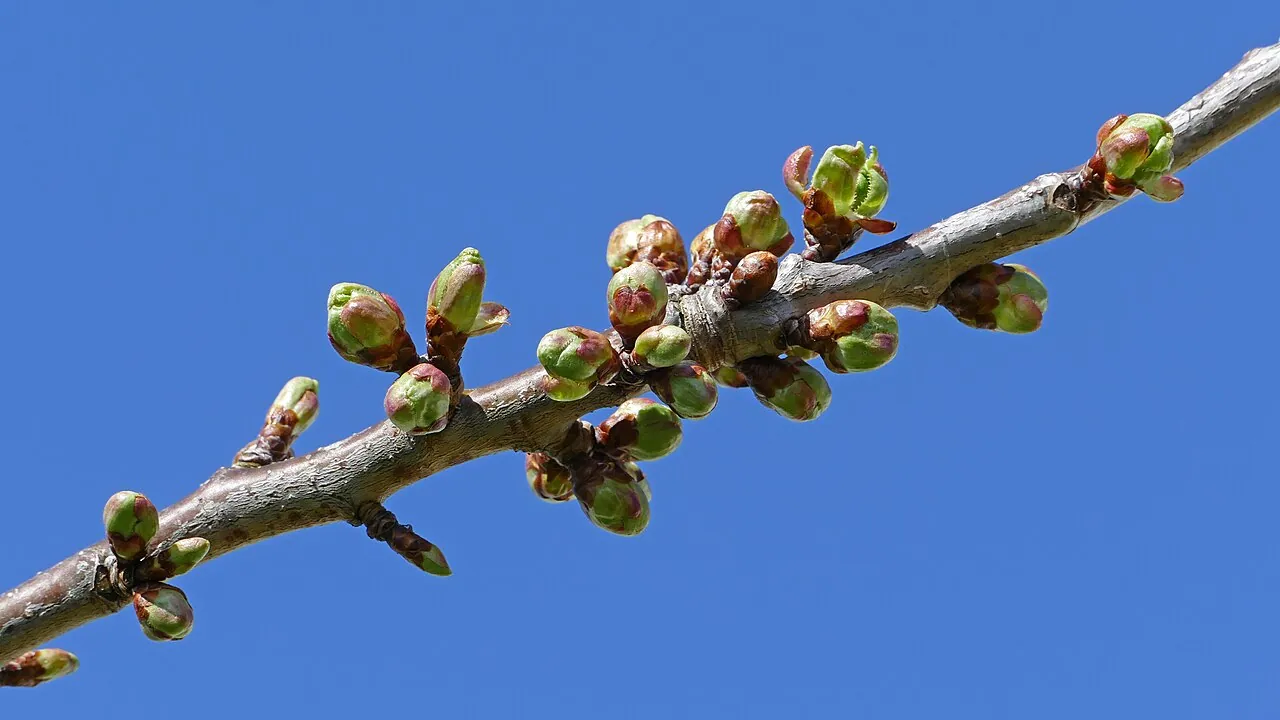
Watch for expanding leaves, developing shoots and increasing water use. These observations help you understand whether a plant has resumed active growth. They do not mean that every new shoot needs an immediate feed. A recently repotted plant may already have nutrients in its fresh mix. Read the packaging or your repotting notes before adding another product. Dormant plants, weak roots and poor light cannot all be corrected by increasing the amount of fertiliser available.
Check the whole growing setup
Inspect drainage, the condition of the root ball and the plant's light exposure. If new growth is pale or weak, consider these conditions alongside nutrition. A plant kept too dark may produce poor growth even when its pot contains adequate nutrients. Compare several signs rather than diagnosing from a single leaf. For garden beds, use a soil test where appropriate to guide amendments. Guessing at deficiencies can lead to unnecessary additions and a more confusing growing environment.
Read one product carefully
Choose a feed suited to the plant and follow its instructions for dilution, frequency and timing. Keep the measuring utensil with the product so a future application is consistent. Do not combine liquid feed, slow-release granules and additional supplements without accounting for their overlapping nutrients. Record the product name rather than just writing 'fed'. If the label describes different uses or concentrations, note which one you used and whether the mix was appropriately moist beforehand.
Judge the following growth
Assess the quality of subsequent growth over a suitable interval, not an immediate change in older leaves. Healthy growth should suit the plant's normal habit and the available light. If the plant continues to struggle, pause and reassess rather than shortening the feeding interval. Keep notes concise: date, product, dose and a later observation. These details make it easier to repeat a routine that worked and to avoid accidentally doubling an application when someone else helps with the plants.
A little further reading
Match these general notes to your plant variety, climate and local conditions.