Count the food already present
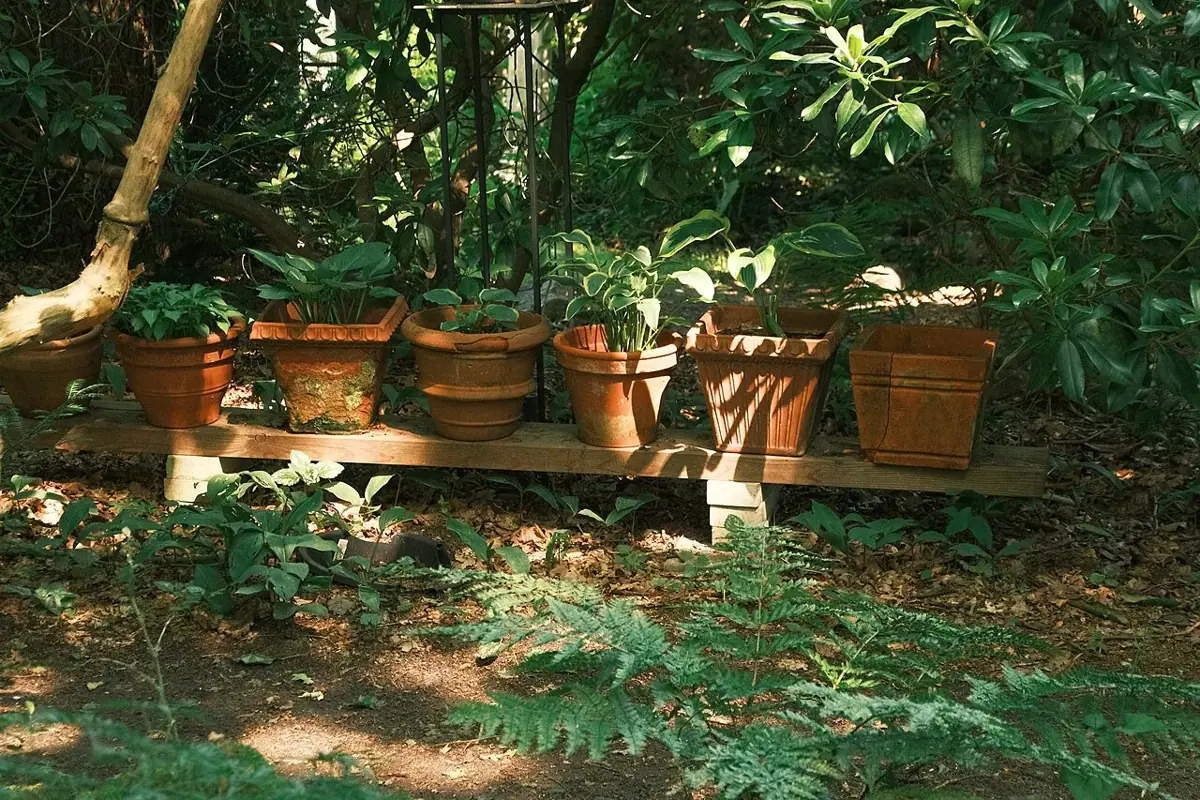
Start with the potting-mix label and any granules added during planting. Some mixes contain a starter supply, while others require feeding earlier; product instructions are more useful than a universal number of weeks. Write the planting date and existing feed on the back of the plant label. This prevents a second person from adding a full programme on top of yours. A container can look hungry because its roots are too wet or too cold, even when nutrients are already available.
Separate watering from feeding decisions
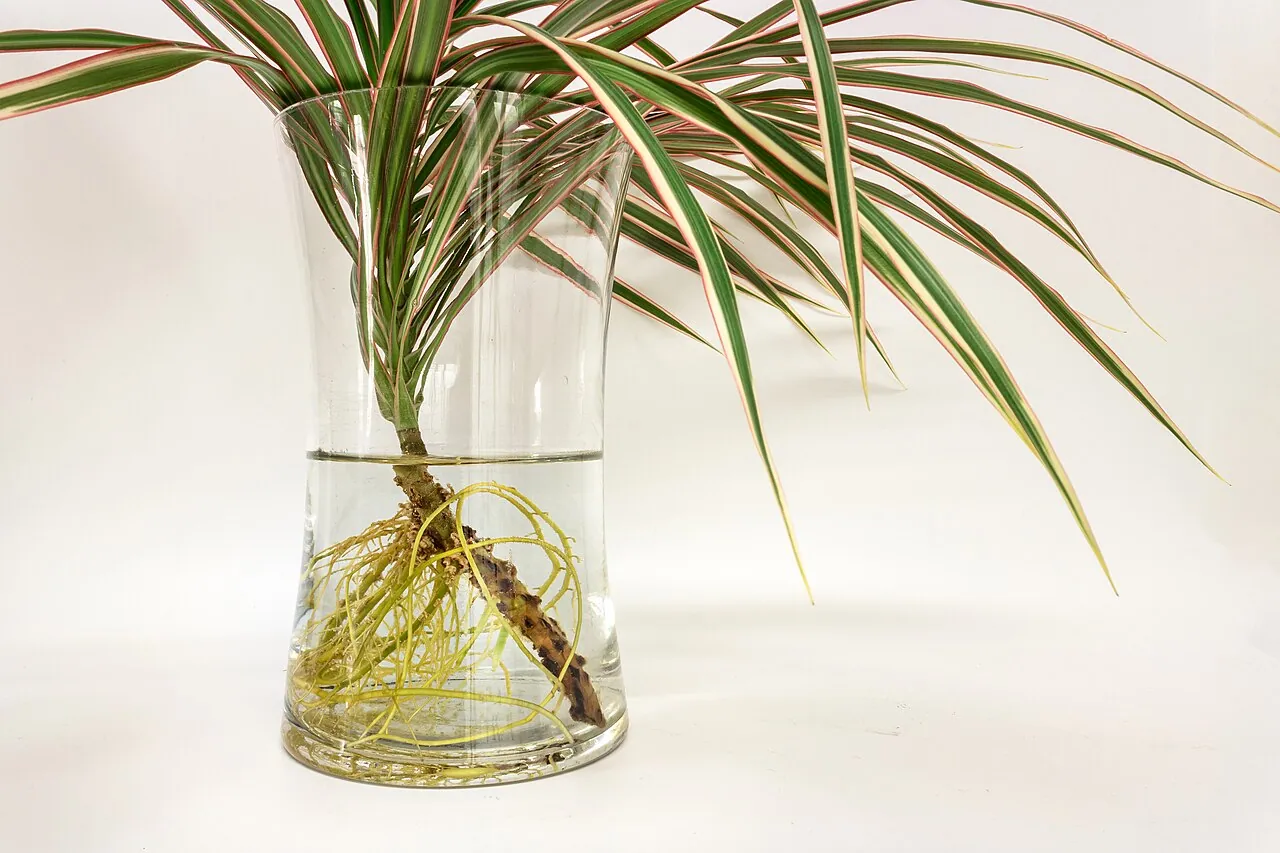
Check whether the plant needs water before preparing a liquid feed. Applying feed simply because the calendar says so can keep an already wet pot saturated. Conversely, concentrated solution is not a remedy for a severely dried root ball. Restore appropriate moisture first, then follow the fertiliser instructions when feeding is suitable. Keep distinct notes for watering and feeding if the collection is large. Those records reveal accidental repeated doses much more clearly than a vague memory that everything was cared for recently.
Measure the actual water volume
A watering can's advertised capacity is useful only when it is filled to that volume. Mark a practical fill line and use the supplied measure or another clearly graduated tool. Read whether the product is a concentrate, soluble powder or ready-to-use solution. Do not transfer an old capful rule to a new brand. Mixing several products can also duplicate nutrients, even when their marketing names suggest different purposes. Use one clearly understood programme unless there is a specific, supported reason to combine treatments.
Watch the response without chasing speed
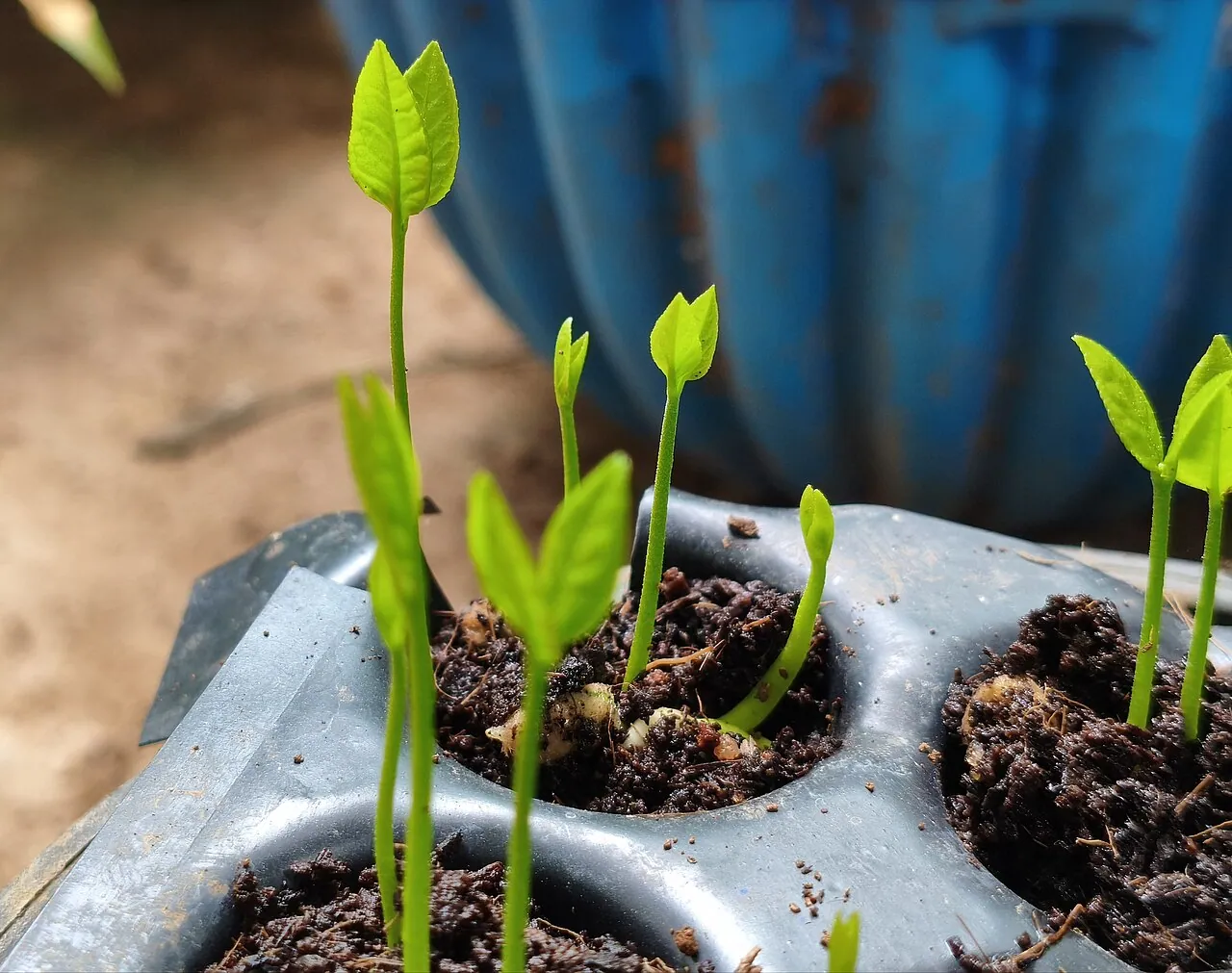
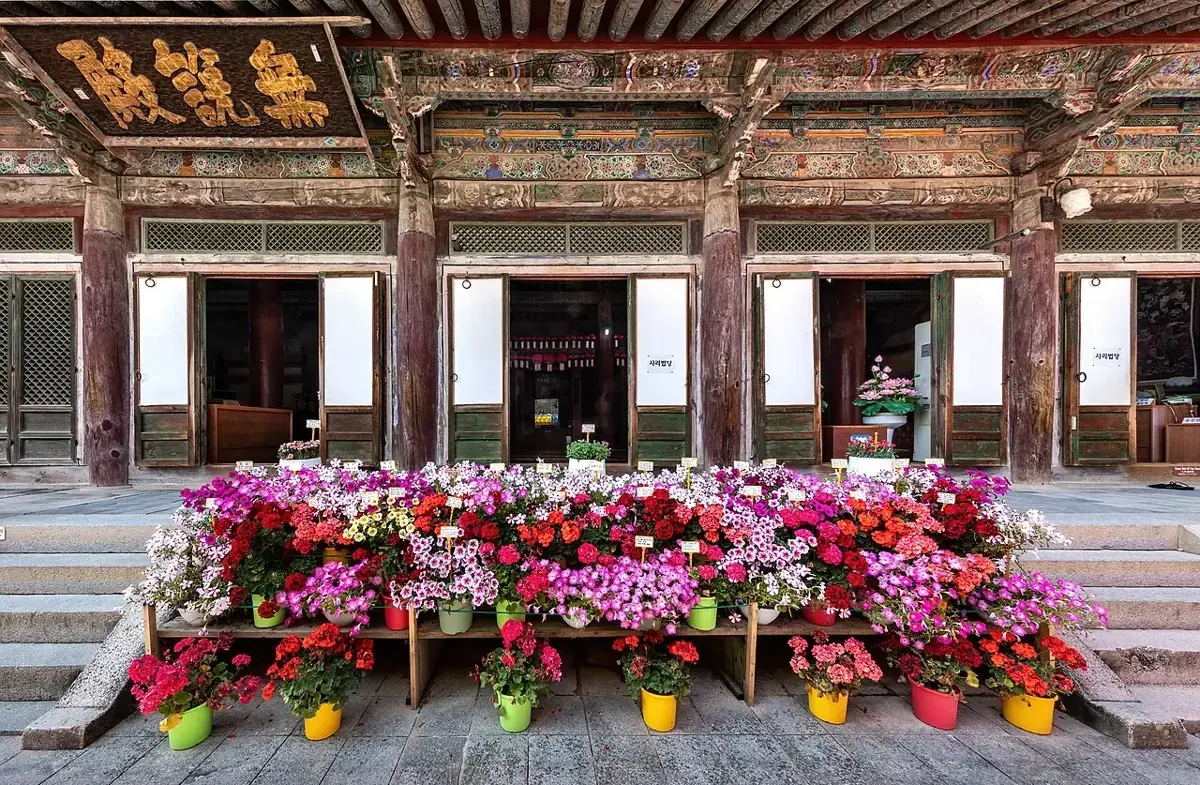
Assess new leaves, flowering and overall vigour over an appropriate period for the plant. A slow-growing species should not be forced to match a vigorous annual. Reduce unnecessary inputs when growth slows, and check drainage and root health if symptoms worsen after feeding. Keep runoff away from drains and ponds where practical. At the end of the season, record the programme that worked, including omissions. Often the most useful discovery is that a simpler routine maintained the display without extra products or repeated rescue applications.
A little further reading
Match these general notes to your plant variety, climate and local conditions.