Choose a stable, reachable position
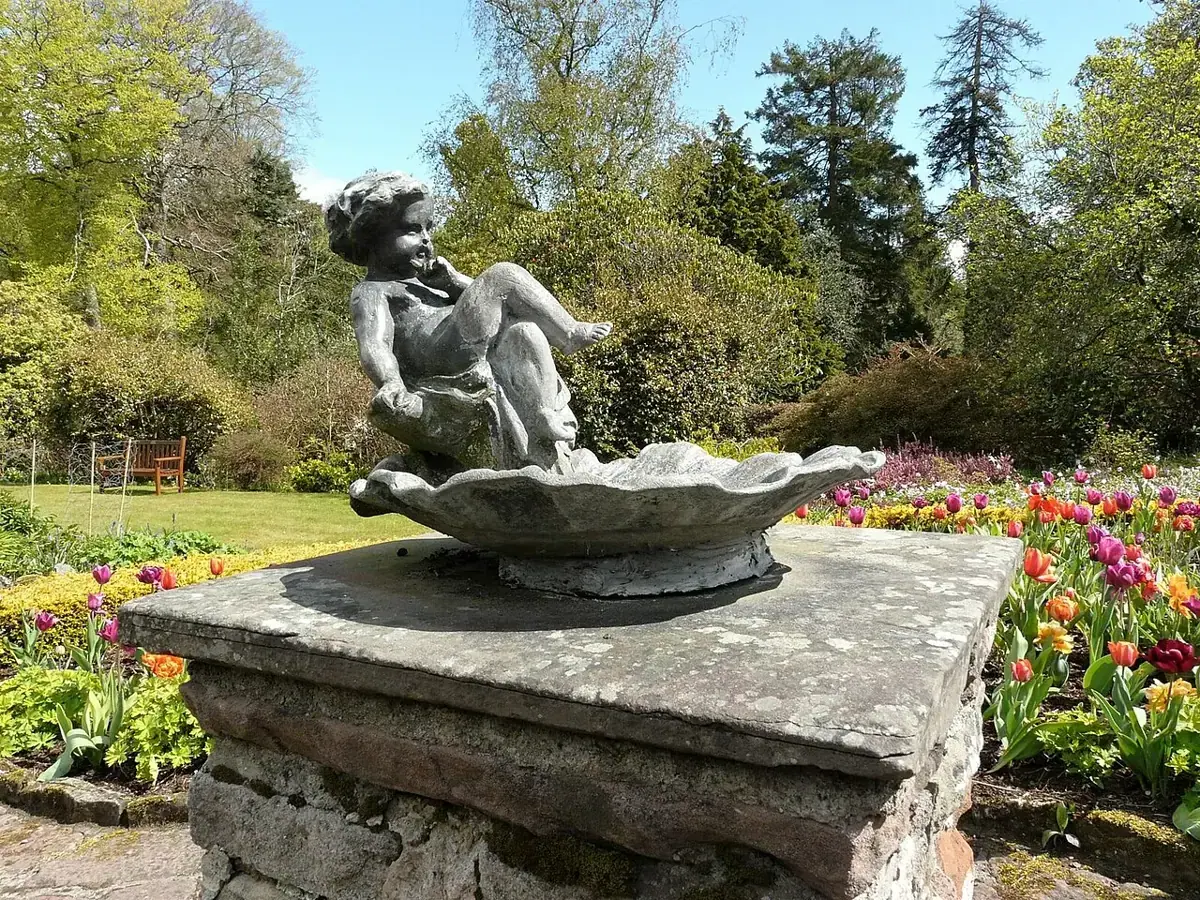
Use a shallow container that will not tip easily and place it where you can refill and clean it without stepping through dense planting. Think about both the visitors and the people using the garden. Avoid putting it where a person could trip or where spilled water creates a slippery route. Consider nearby cover and visibility, rather than hiding the dish in a spot where approaching predators are difficult to detect. No single placement suits every garden, so observe how the chosen site works.
Provide routes out of the water
Use a gently sloping surface or stable rough stones that rise above the water and remain usable as the level changes. Check that small gaps do not create traps. A smooth steep-sided bowl can be difficult to leave, especially when water drops below the rim. Test the arrangement with your hands before filling it and make sure the stones cannot roll. Keep the setup simple enough to dismantle for cleaning; an elaborate decoration that cannot be washed easily is less practical.
Refresh rather than simply top up
Check the dish regularly for debris and fouling. Replace the water and clean the container appropriately instead of continually adding fresh water to a dirty base. Use a dedicated cleaning tool and rinse thoroughly. Follow local wildlife-health guidance where disease concerns affect bird baths or shared water sources. In warm weather, a small dish can change quickly. Set an inspection reminder based on the conditions rather than assuming a weekly routine will always be sufficient.
Observe without crowding the visitors
Watch from a distance and note when the water is used. Keep access routes clear and avoid repeatedly moving the dish simply to obtain a better photograph. If it is not used, review stability, exposure and cleanliness before adding more ornaments. In cold weather, follow suitable advice for maintaining water without introducing chemicals. The useful feature is not the bowl itself but a dependable, accessible source of water maintained as part of the garden's ordinary routine.
A little further reading
Match these general notes to your plant variety, climate and local conditions.