Define a colour family, not a paint chip
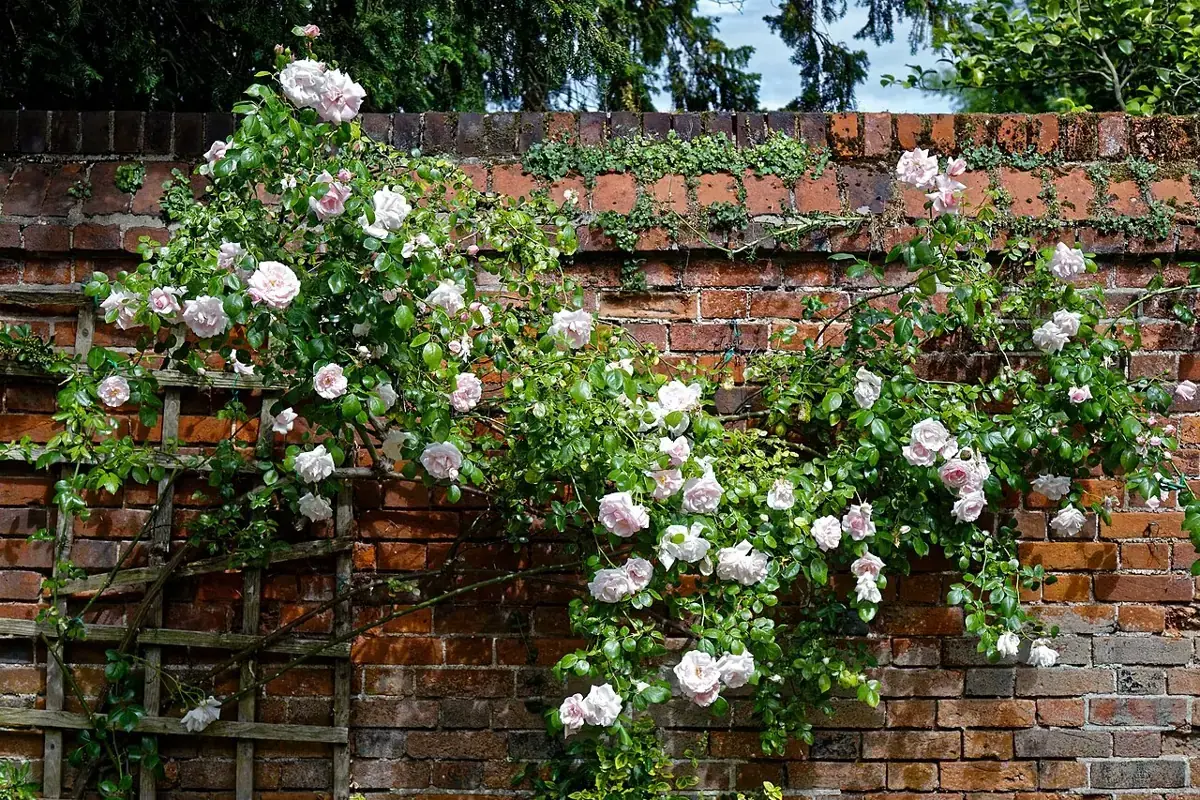
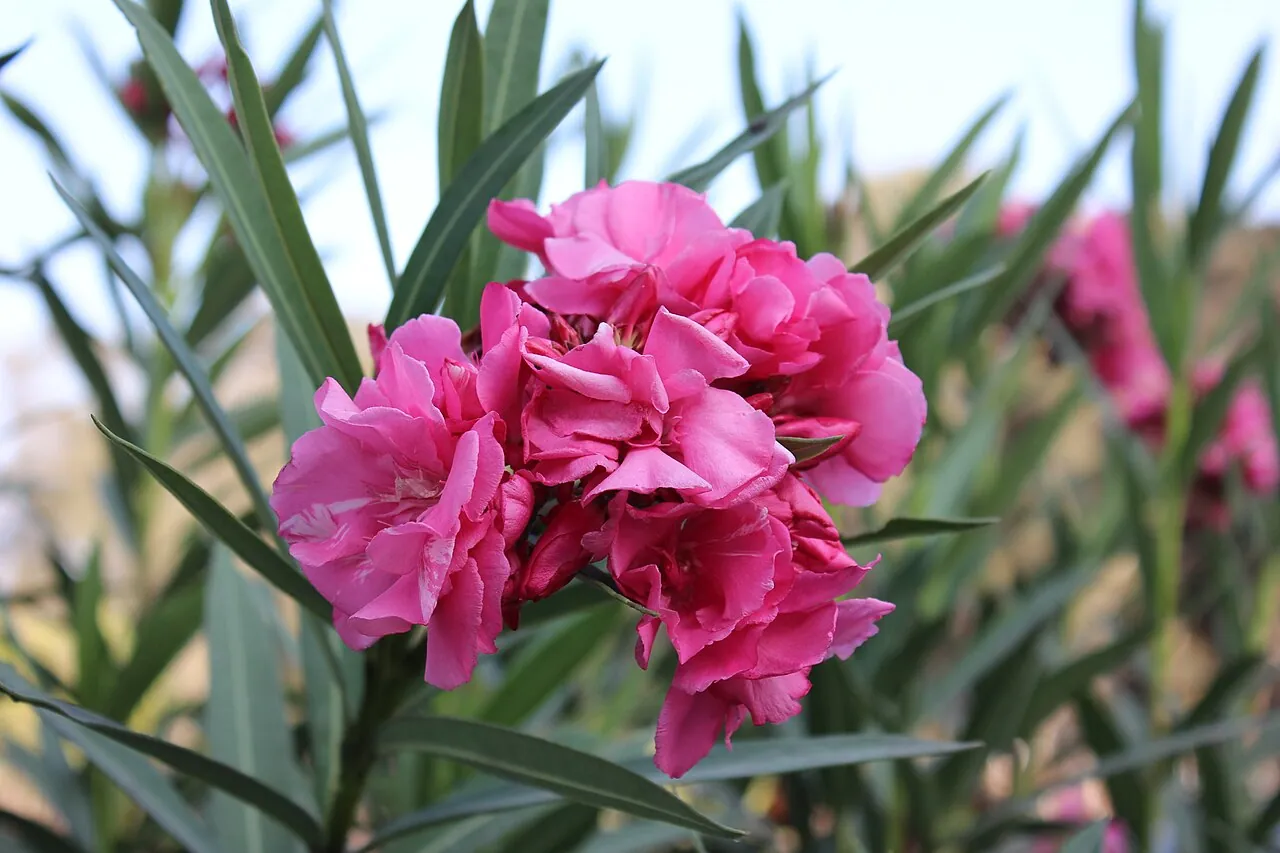
Choose a broad family such as warm pink, violet-blue or creamy white, then collect photographs of plants you already like. Notice that flowers change as they open and fade, and that sunlight alters their appearance. Arrange the images into darker, middle and lighter tones rather than demanding an exact match. Keep foliage in the comparison. A border made from living plants will always vary, so a flexible colour family is easier to maintain than a rigid promise that every bloom will be identical.
Contrast shape within the palette
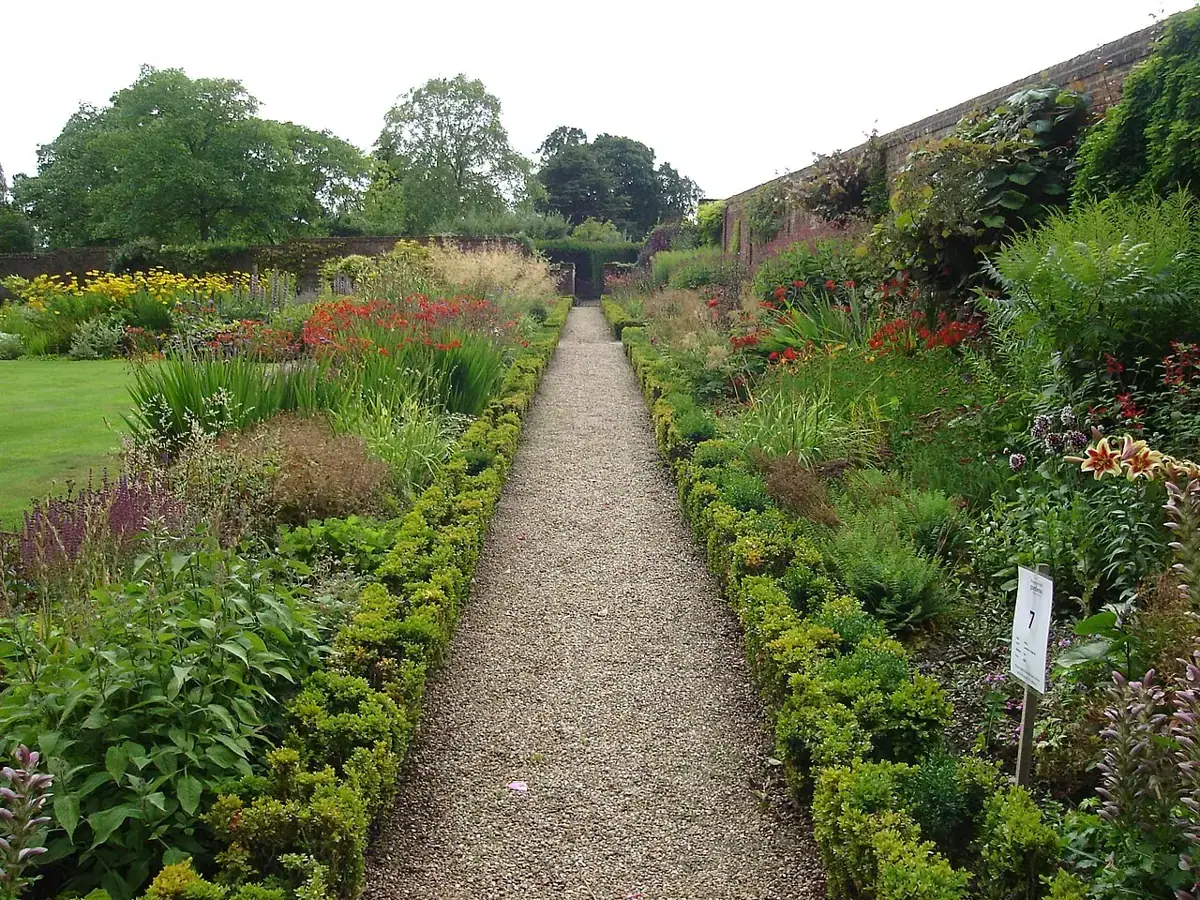
Look for different flower forms that suit your site: upright spikes, open daisies, rounded clusters or light sprays. Sketch how those shapes will sit together at mature height. A limited palette becomes more interesting when the silhouettes differ, while too many similar-sized blooms can merge into one undifferentiated band. Choose plants with compatible growing needs before refining the colours. The most beautiful combination in a photograph will be difficult to sustain if half its plants need a wetter or shadier root environment.
Spread the colour across the season
Make a simple month-by-month chart using local flowering information, then mark the plants you are considering. Check whether all the strongest colour arrives at once and leaves the border empty later. Include foliage, seedheads or structure where flowers are absent. Do not buy a plant solely to fill one blank month without considering its appearance during the rest of the year. A modest recurring colour can connect the season more effectively than a succession of unrelated peak displays.
Test the real flowers together
Before permanent planting, place nursery pots near one another in the intended light and look from the normal viewing distance. A combination that feels subtle at arm's length may disappear from the house. Photograph it in colour and in black and white; the latter helps reveal whether all the tones have similar visual weight. Adjust by moving a darker or lighter element rather than buying more of everything. Keep a note of combinations that work when flowers are fading as well as when newly open.
A little further reading
Match these general notes to your plant variety, climate and local conditions.