Plan a supply rather than a single pot
Estimate how much coriander you use in a week, then sow a modest amount instead of emptying the packet. Leave space or spare containers for later batches. Mark each sowing date clearly and keep a simple list of which batch is germinating, harvestable or flowering. This makes gaps visible before the kitchen runs out of leaves. A beautiful full pot can be misleading if every plant in it is the same age and will move into flowering together.
Protect the early root environment
Direct sowing into the final container or a suitable prepared bed avoids unnecessary disturbance. Follow the variety's spacing advice and thin crowded seedlings so they have room to develop. Keep the surface from drying while seedlings establish, but ensure excess water can drain. A container against hot paving may experience much harsher conditions than the air temperature suggests. Compare two practical positions if summer crops repeatedly struggle, and note whether afternoon shade produces a longer useful leaf harvest in your setting.
Read the change in foliage
As coriander prepares to flower, new leaves become finer and stems extend. Warm, dry conditions can hasten this change. Harvesting and removing early flower stems may extend the leafy stage, but it cannot keep an annual plant young indefinitely. Start the next batch while the current one still looks useful. Choose a variety described as suitable for leaf production if that is your main aim, while remembering that slower bolting means a tendency, not immunity from the plant's natural life cycle.
Keep a place for seed plants
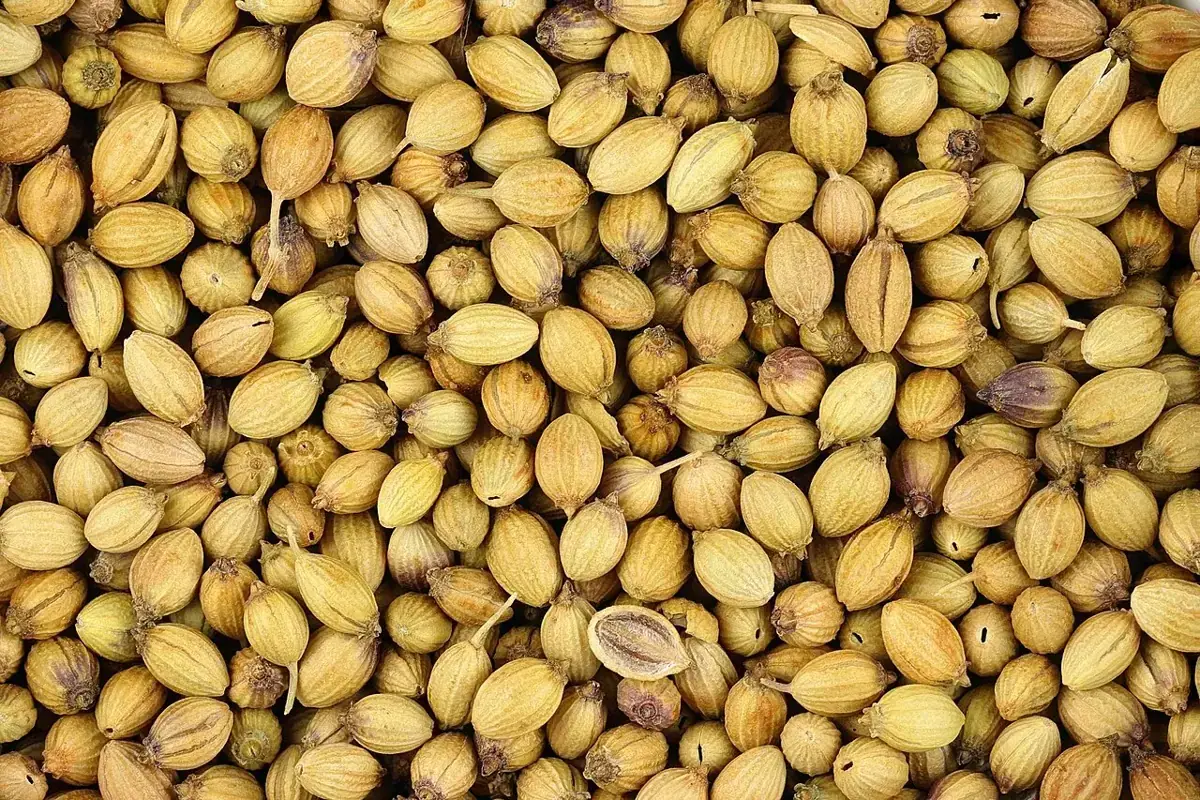
A few plants can be allowed to flower and form seed if you have the space. Mark them separately so their changing appearance is part of the plan. The seed crop needs time to mature, making its schedule different from a quick leaf crop. Record which sowing gave the best leaves and which matured useful seed. At season's end, retain the successful intervals in your notebook and adjust them for weather. The system works through overlapping stages, not through forcing one ageing pot to restart.
A little further reading
Match these general notes to your plant variety, climate and local conditions.