Follow the water to an exit
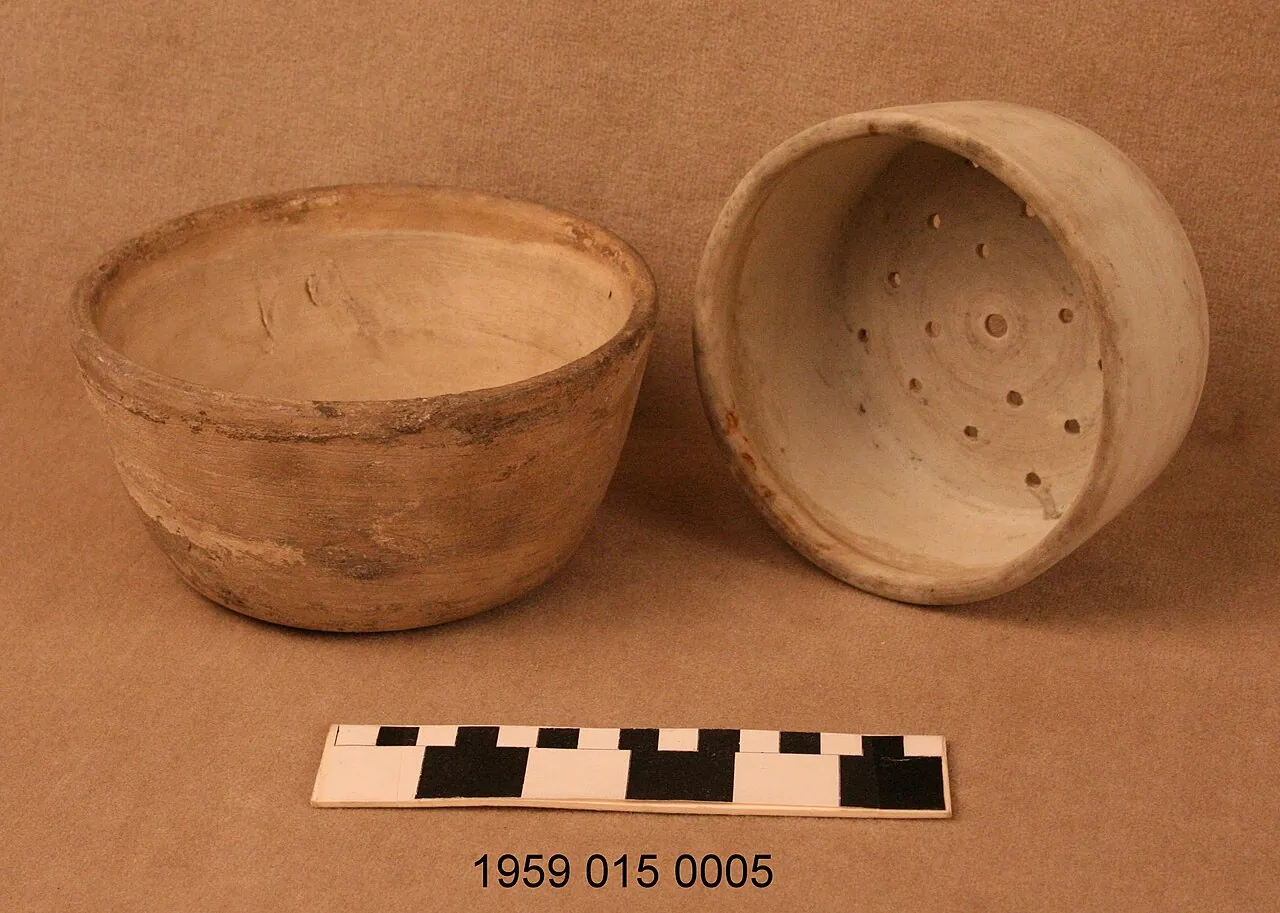
Before planting, turn the empty container over and inspect its base. A sealed ceramic bowl has no exit, regardless of what is placed inside. Stones may create a visible space beneath the growing mix, but they do not remove water from the vessel. Pour a small amount into an empty container if the opening is difficult to identify. Also check whether a tightly fitting saucer, blocked hole or flat paving surface prevents an existing outlet from doing its job.
Keep useful root space
A thick layer of stones takes away space that could hold roots and potting mix. It also adds weight, which matters when a plant must be lifted for watering. The movement of water between materials is more complicated than the gaps between stones suggest; a coarse layer is not a reliable substitute for a suitable mix and an open outlet. Choose the container around the plant's needs rather than compensating for an unsuitable vessel with progressively more hidden layers.
Use the decorative pot as a cover
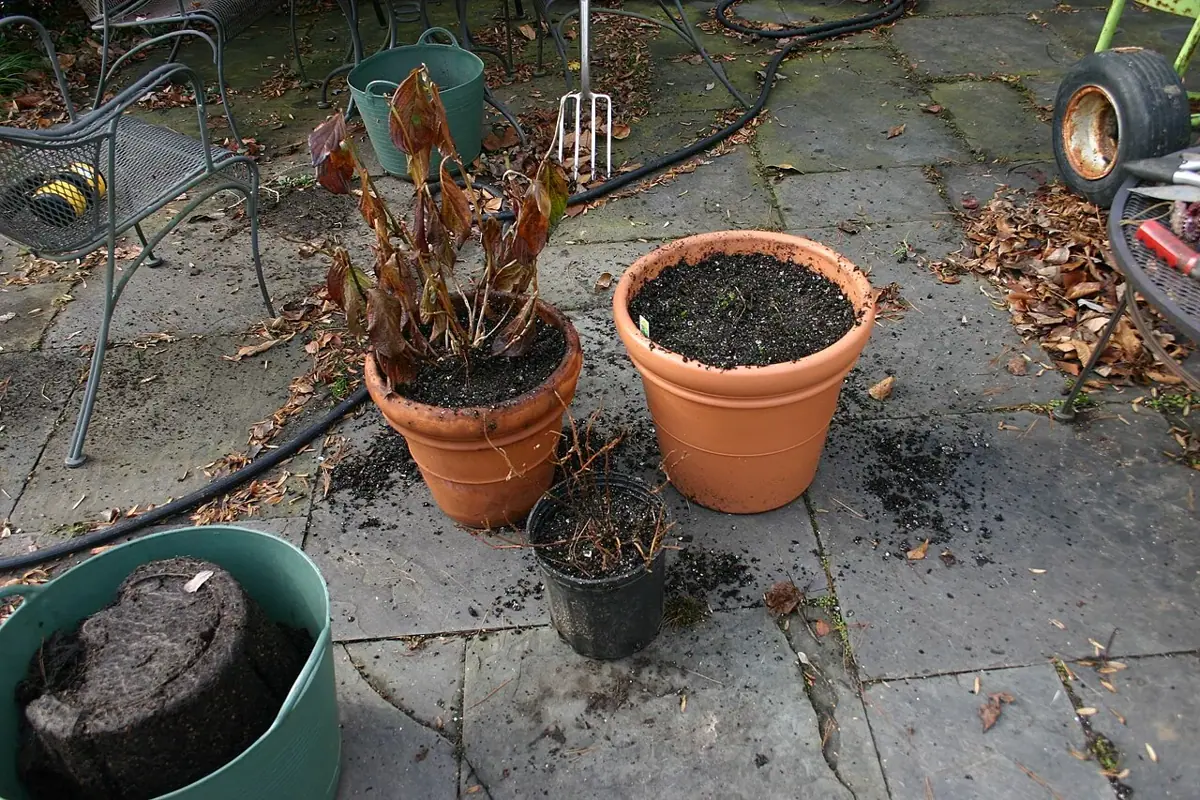
A practical arrangement is a plant in a draining nursery pot placed inside an ornamental outer pot. Make sure the inner pot can be removed without pulling the plant by its stems. Water it where excess can escape, allow it to drain and then return it. If watering in place is necessary, inspect and empty the outer pot afterward. A small gap around the liner makes inspection easier and avoids discovering several weeks later that the roots have been standing in water.
Make inspection part of the design
For a large display, decide how you will check the bottom before filling it. Access matters more than hiding every piece of functional equipment. Keep a note of which containers are double-potted so another person can water them correctly. If a plant already occupies a sealed vessel, plan a careful transfer into a draining container rather than simply reducing every watering to a nervous teaspoon. Assess the roots during that move and adjust the pot size to the healthy root system you actually find.
A little further reading
Match these general notes to your plant variety, climate and local conditions.