Look where tender growth gathers
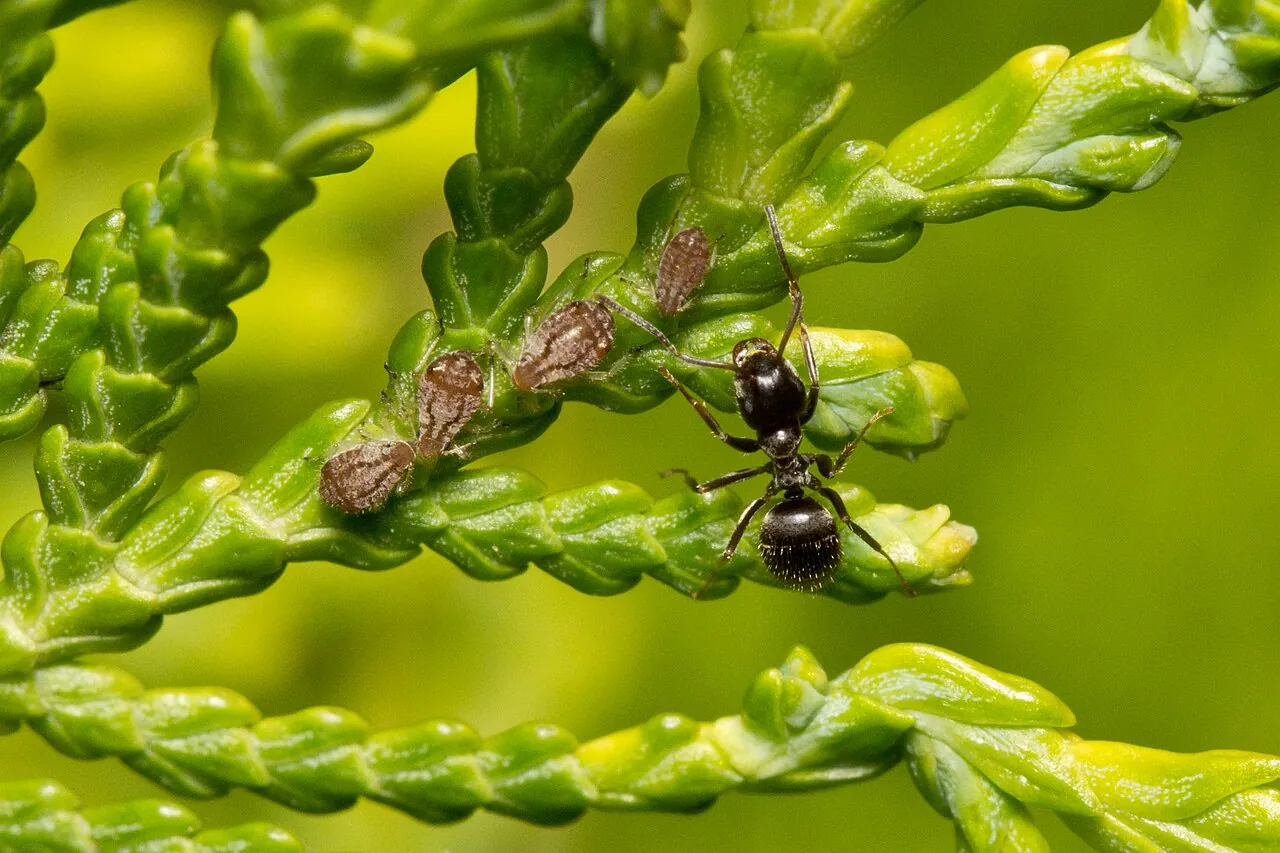
Inspect shoot tips, flower buds and the undersides of young leaves. Aphids can be green, dark, pinkish or other colours, so colour alone is not a reliable identification. Look for groups of small sap-feeding insects, shed skins and sticky honeydew. Compare what you see with a dependable identification guide. Curled leaves may conceal a colony, but distorted growth can also have other causes. Take a clear close photograph and one showing the whole plant before choosing a response.
Measure the effect on the plant
A few aphids on a vigorous outdoor plant may have little lasting impact, while a dense colony on a small seedling deserves closer attention. Note whether new growth is developing normally and whether the affected area is expanding. Inspect nearby plants rather than assuming the entire garden is involved. Mark the shoot you are watching so the next check is a genuine comparison. This helps separate a temporary population from a developing problem and prevents each sighting from triggering a new treatment.
Check for the insects already helping
Look for ladybirds and their larvae, hoverfly larvae, lacewings and other natural enemies around the colony. Learn their immature forms, which may look unfamiliar. Broad, unnecessary treatment can remove these visitors along with the aphids. Where action is needed, consider a targeted physical response suitable for the plant, such as removing a heavily affected tip or dislodging a small colony carefully. Avoid damaging tender growth with a forceful jet. Keep the response proportional to the plant's condition and the scale of the infestation.
Follow the new growth after intervention
Reinspect the marked shoot and nearby fresh growth rather than judging success from old curled leaves, which may remain distorted. Record what was done and when. If the problem persists or the plant shows unusual symptoms, seek species-specific guidance, since some aphids can transmit viruses and not every situation is equivalent. Use any approved control only according to its label and the identified need. The aim is a plant that continues to grow well within a living garden, rather than a promise that no aphid will ever appear again.
A little further reading
Match these general notes to your plant variety, climate and local conditions.