Follow the speckles to the underside
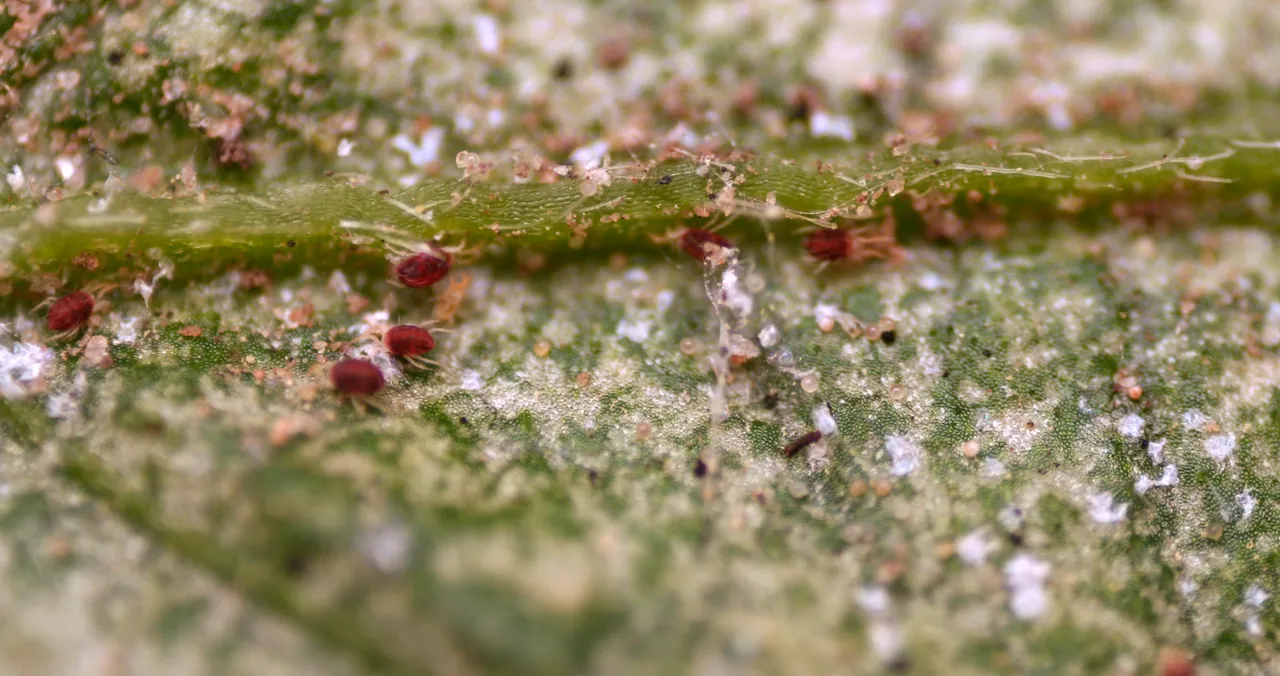
Look for fine pale mottling on the upper leaf surface, then turn the leaf over carefully. A hand lens can reveal tiny moving mites, eggs or shed skins that are difficult to distinguish unaided. Fine webbing may become visible in heavier infestations. The common name red spider mite is misleading because the mites are not always red. Photograph the affected surface and inspect several leaves, including apparently healthy ones nearby. Dust, natural markings and other injuries should not be mistaken for a confirmed infestation.
Map the affected plants
In an indoor collection, move a suspect plant away from close contact with others while you investigate. Check the plants that touched it and those sharing the same warm, dry position. Label the affected area or take a reference photograph so you can compare changes. Do not carry a contaminated cloth from one plant to the next during cleaning. The pattern across the collection may reveal both the extent of the problem and an environmental setting that repeatedly favours it.
Choose a plant-appropriate response
A gentle rinse may help remove mites from suitable sturdy foliage, but it is not appropriate for every plant and may need follow-up. Avoid saturating the potting mix while washing leaves. Biological controls can be useful in suitable enclosed growing conditions, but their temperature, humidity and treatment requirements must be checked. If using a labelled control product, confirm that it is suitable for mites and for the plant involved. Random household mixtures or repeated incompatible treatments can injure the foliage without resolving the infestation.
Inspect again on a planned interval
Record the chosen action and schedule follow-up according to the control method's guidance. Check both old affected leaves and newly developing growth. Existing speckles will not disappear merely because mites are reduced, so look for fresh damage and living mites rather than cosmetic recovery. Review overcrowding, excessive heat and other plant stresses while keeping conditions appropriate to the species. A sustained series of careful checks is more useful than one dramatic wash followed by several weeks without inspection, especially in a closely packed indoor collection.
A little further reading
Match these general notes to your plant variety, climate and local conditions.