Look for fresh evidence near the damage
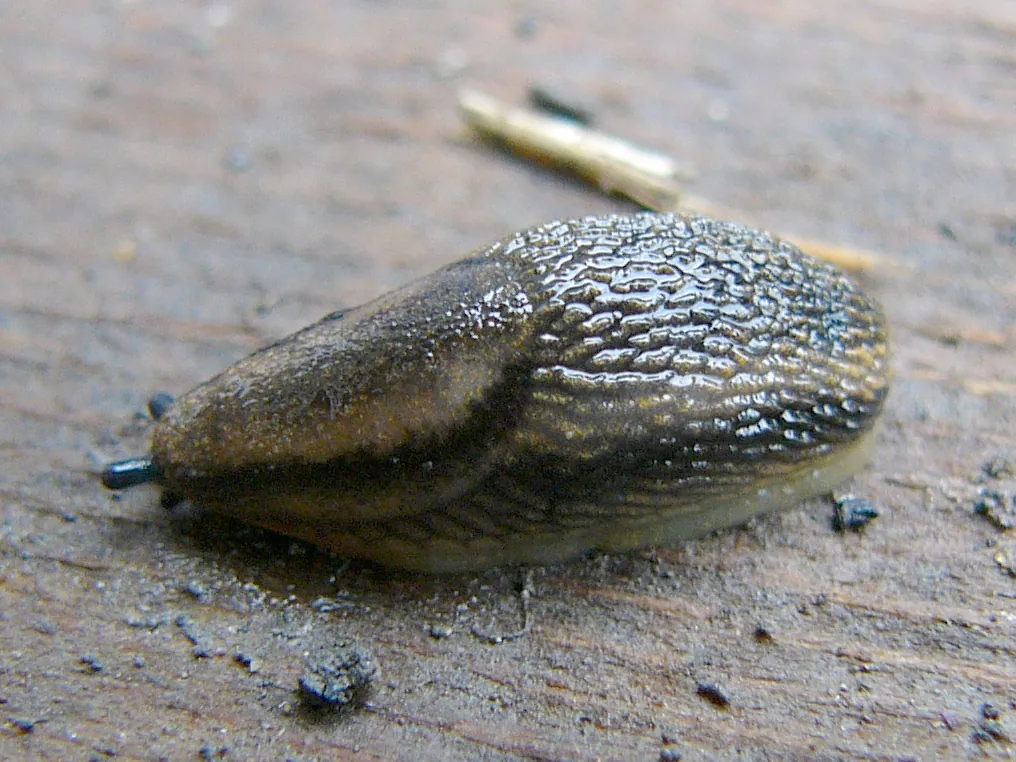
Inspect seedlings for newly eaten edges, missing growth and slime trails, then check nearby hiding places. An evening visit or a look after damp weather can reveal activity that is absent during a dry afternoon. Other animals also eat plants, so do not assume every hole proves slug damage. Photograph the affected plant and mark the date. Comparing fresh damage is more useful than repeatedly reacting to an old torn leaf that has remained unchanged for a week.
Protect the most vulnerable stage
A small seedling can lose most of its leaf area quickly, while an established plant may tolerate some feeding. Prioritise newly planted specimens and particularly susceptible crops. Where appropriate, grow young plants on to a sturdier size before planting out. Keep their roots well established and avoid placing tender growth beside an unnoticed shelter full of feeding slugs. Inspect the immediate planting area carefully, but preserve habitat elsewhere in the garden rather than stripping every quiet corner of useful organic material.
Choose measures with evidence behind them
Hand collection during active periods can be practical around a small number of valuable plants. Physical barriers vary in effectiveness and require checking for bridges made by leaves or debris. Do not rely on a ring of arbitrary sharp material as a guaranteed defence. If a biological control or locally permitted product is justified, follow its conditions and label precisely. Avoid improvised chemicals or salt around plants and soil. A targeted response around vulnerable seedlings is easier to assess than spreading a treatment across the entire garden.
Review what survived and why
Keep a brief record of plant size, position, weather and the protection used. If one location repeatedly loses the same crop, change the timing, establishment method or planting choice rather than repeating an unsuccessful defence. Remember that many slugs and snails help break down decaying matter and are part of garden food webs. The practical aim is to get vulnerable plants through their most sensitive stage. Some leaf damage can remain acceptable in a mature planting that otherwise grows and flowers well.
A little further reading
Match these general notes to your plant variety, climate and local conditions.