Know which marigold you are growing
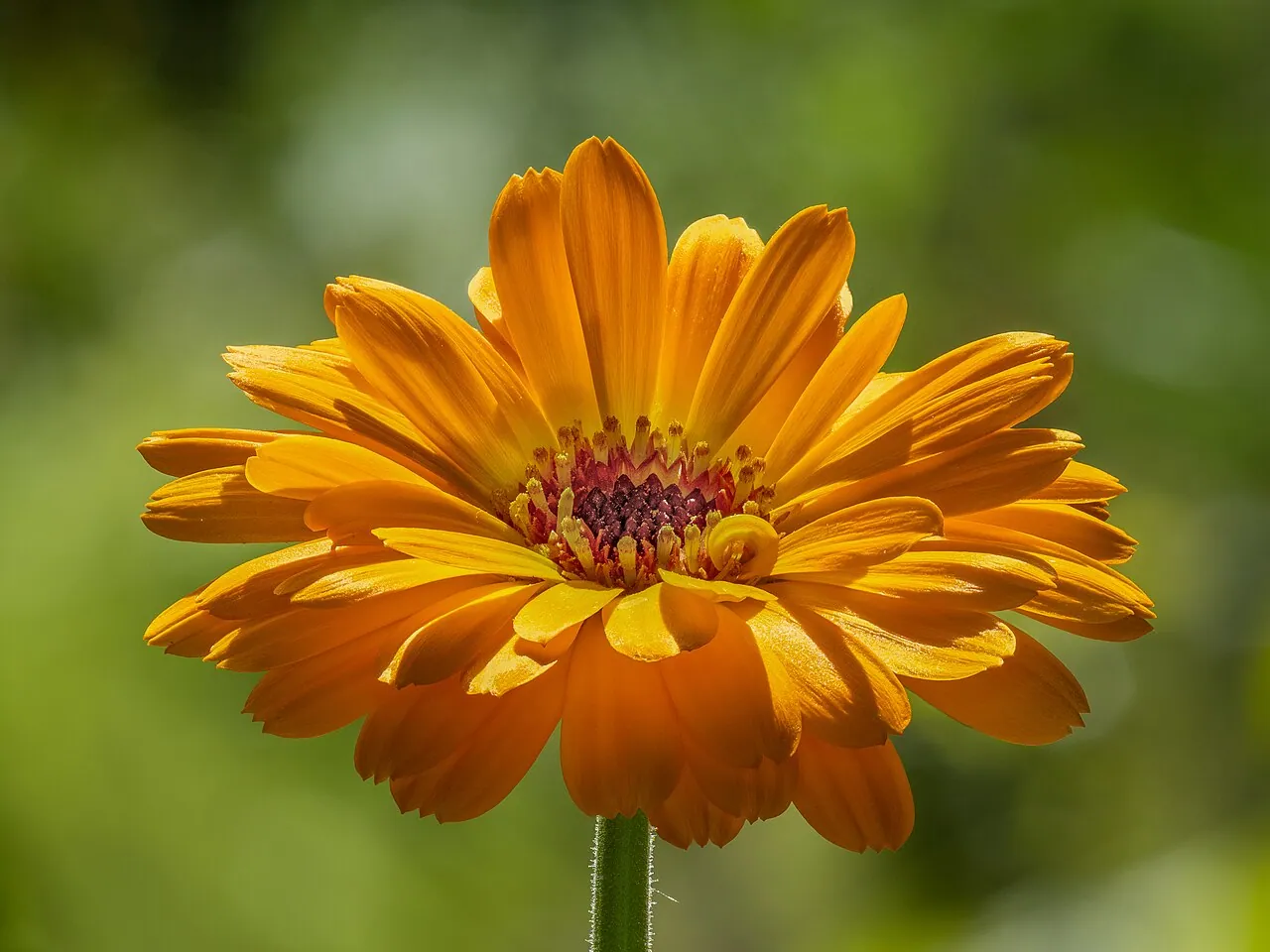
Calendula officinalis is commonly called pot marigold, but it is not the same plant as Tagetes bedding marigolds. Keep the botanical name on the label so sowing and seasonal advice remain relevant. Calendula is particularly useful in cooler parts of the growing season and can become tired in sustained heat. A plant slowing in midsummer is not automatically hungry. Compare recent weather, leaf condition and soil moisture before responding with additional fertiliser.
Cut back the spent stem, not just petals
When a flower fades, trace its stem down to a healthy side shoot or leafy junction and make a clean cut. Work around the plant in small steps so you can still see its overall outline. Remove badly damaged material separately from ordinary spent flowers. If the centre is crowded with old stalks, identify them one by one rather than shearing the whole plant blindly. Leave enough healthy foliage to support renewed growth when conditions become more favourable.
Keep a replacement in mind
A fresh sowing can produce a cleaner later display than repeated attempts to rejuvenate a very old plant. Choose timing from local conditions and the seed packet, leaving enough growing season for seedlings to establish. In a small border, reserve one visible gap rather than scattering seed throughout established plants where seedlings will be difficult to distinguish from weeds. Label the new group and note its emergence date. That makes it possible to compare a younger plant with the trimmed older group later.
Choose between flowers and seed
Deadheading encourages further flowering, while retaining mature heads allows seed to develop. You do not have to choose one approach for the entire patch. Mark a few healthy plants or stems for seed and continue grooming the others. Calendula seed has a distinctive curved shape; collect only when mature and dry, then label the envelope with the parent plant's identity. At the season's end, note whether heat, drought or simply age ended the strongest flush. This distinction helps you schedule the next sowing more intelligently than assuming every gap in bloom needs more feeding.
A little further reading
Match these general notes to your plant variety, climate and local conditions.