Compare the whole tray
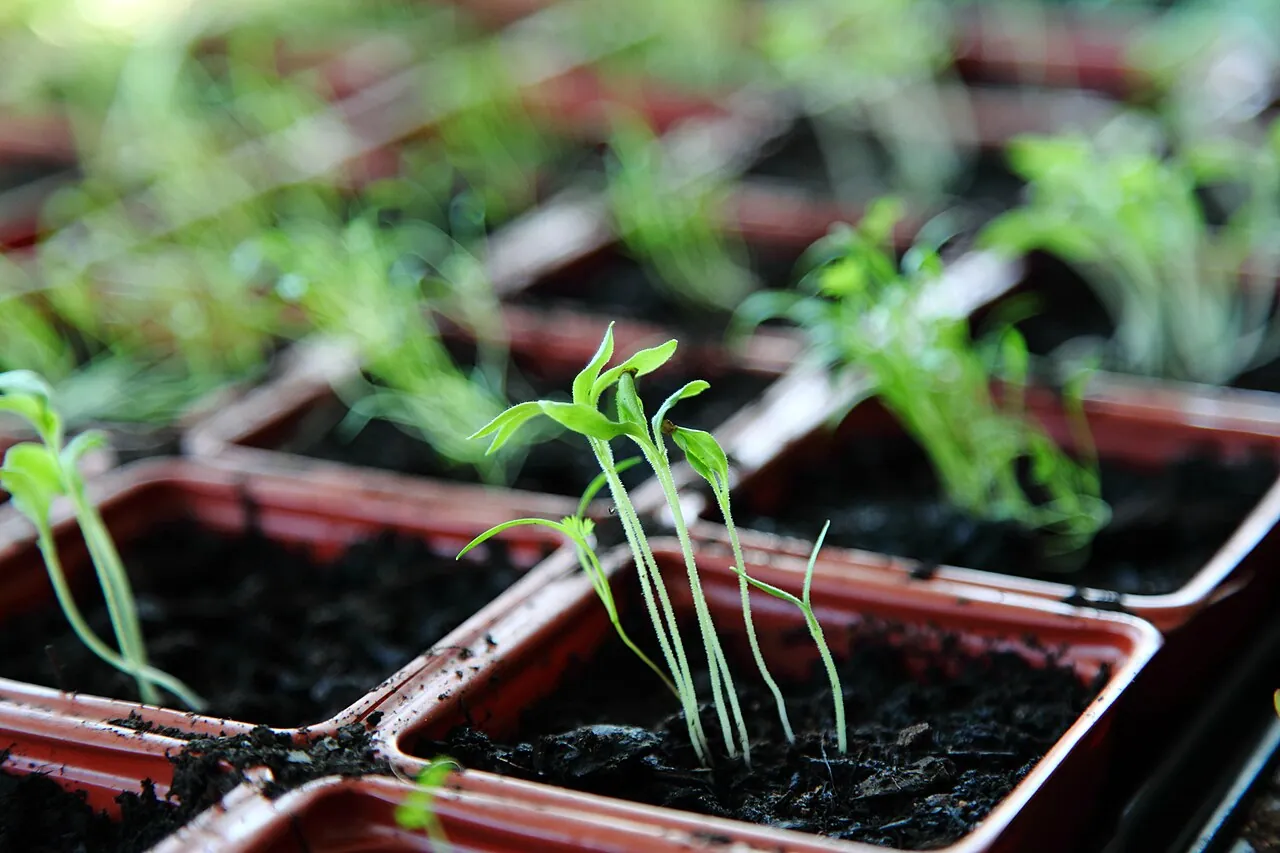
Look for a shared pattern: are all seedlings leaning toward the window, or only those at the shaded edge? Are stems long and pale while leaves remain small? Note whether a warm germination location was retained after emergence without providing enough light. Photograph the tray from the side and above. The arrangement of weak plants can reveal a positional problem more clearly than a close-up of one seedling that happens to be the tallest.
Correct light without creating a new stress
Move seedlings to suitable stronger light or use an appropriate grow-light setup. Follow the light manufacturer's placement guidance and check coverage across the whole tray rather than only its centre. Avoid an abrupt move from dim indoor conditions into strong outdoor sun. Review temperature as well, since excessive warmth combined with insufficient light can encourage weak growth. If a humidity cover is still in place after emergence, assess whether it should be removed or ventilated for the crop's current stage.
Thin and support only where useful
Crowded seedlings compete and become difficult to handle, so select enough healthy plants for your actual needs. Thin or transplant at an appropriate stage, taking care with fragile stems and roots. Some species, such as tomatoes, can tolerate deeper planting under suitable conditions, but that is not a universal remedy for every elongated seedling. Check the species before burying a long stem. Small temporary support may prevent damage, yet it should not become a substitute for correcting the environment.
Decide whether restarting is more sensible
After improving conditions, watch the next leaves and stem section. Existing stretched growth will not shrink, but stronger new growth may make a seedling worth keeping. If plants are extremely weak and sufficient season remains, a fresh sowing can be the more practical choice. Record the sowing date, emergence date and the delay before adequate light was provided. That timeline identifies a preventable cause for next time. The purpose of diagnosis is to produce sturdy plants, not to preserve every struggling seedling simply because time has already been spent on it.
A little further reading
Match these general notes to your plant variety, climate and local conditions.