Check the soil before choosing the site
Blueberries require acidic conditions, so test garden soil before planting directly into it. A healthy-looking border is not proof that it suits this crop. Where the existing soil is unsuitable, a container with an appropriate ericaceous mix offers a more controllable starting point. Read the named variety's requirements and eventual size before selecting the pot. Keep the test result and planting information together, so later yellowing leaves can be assessed against known conditions rather than an uncertain memory of what was used.
Treat water as part of the medium
In hard-water areas, repeated use of alkaline tap water can gradually influence a container's root environment. Collecting suitable rainwater is therefore particularly useful for blueberries. Plan storage and access before the plant becomes dependent on frequent summer watering. If no alternative is available during a dry spell, do not leave the plant dangerously dry while waiting for ideal water. Record the source used and consider its long-term effect as part of the growing system, rather than judging every watering in isolation.
Keep roots moist without sealing them in
Use a container with effective drainage and inspect moisture beneath the surface. Blueberry roots should not repeatedly dry out, but a water-filled saucer is not a reliable solution. A suitable surface mulch can help moderate conditions while the crown remains clear. Position the pot where it can be reached for checks and where summer heat will not become excessive around its walls. Monitor a newly planted shrub especially closely, because its original root ball can behave differently from the fresh mix surrounding it.
Read the crop and the foliage together
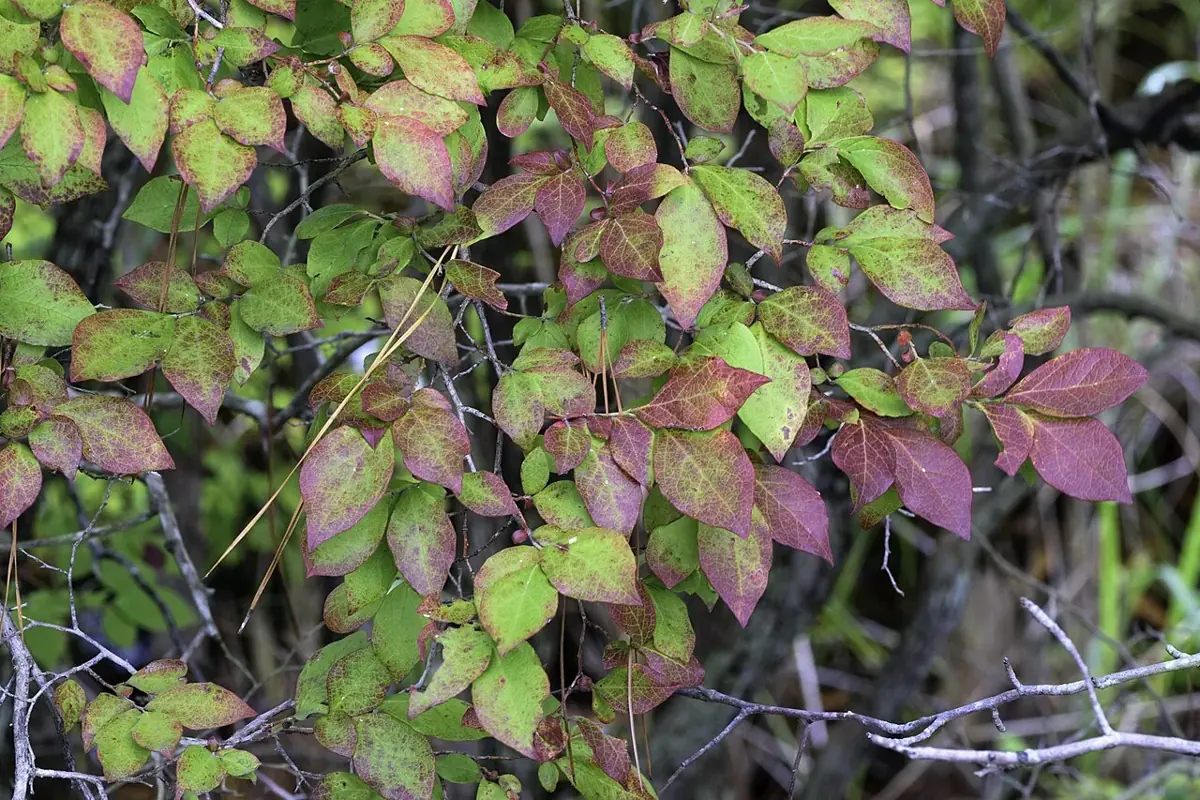
Keep notes on new growth, flowering and fruit development instead of diagnosing from leaf colour alone. If feeding is appropriate, use a product intended for acid-loving plants at the stated rate. Avoid stacking several corrections onto an untested problem. Consider flowering overlap and pollination advice when choosing more than one variety. Protect ripening fruit with a carefully installed, regularly checked barrier if needed. At the season's end, review whether the container, water reserve and variety choice supported a practical crop, then improve the weakest part of that arrangement.
A little further reading
Match these general notes to your plant variety, climate and local conditions.