Give each note a future job
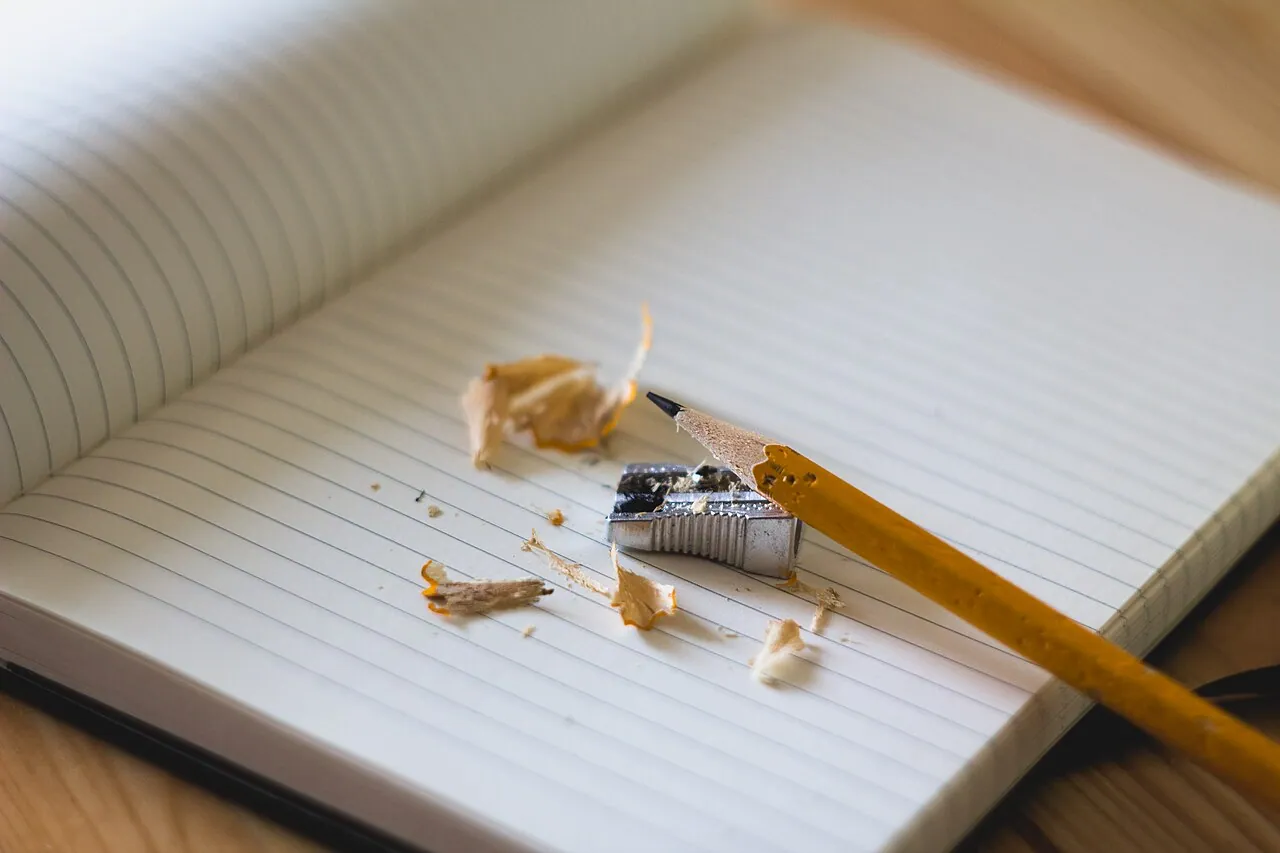
Before choosing a notebook, decide what you keep forgetting. It might be the name of a successful tomato, which window suited a cutting, or whether a pot dried out before the weekend. Put that question on the first page. A record organised around decisions is easier to maintain than a diary that expects an entry every day. Leave room for small discoveries, but do not require yourself to describe the whole garden before one observation is allowed to count.
Use a short, repeatable entry
Write the date, plant name, location and what happened. Then add the action you took, if there was one. For example, record that the terracotta basil pot felt light and its compost was dry below the surface, followed by watering and drainage. That is more informative than writing that the basil looked unhappy. Distinguish an observation from a guess: drooping is visible, whereas a possible cause still needs checking. A photograph can supply detail that would take several sentences to describe.
Keep decisions beside outcomes
When you try something new, reserve a little space below the entry for the result. A change of position deserves a later note about new growth; a sowing deserves an emergence date. You can use a question mark beside entries that need a follow-up, then cross it out when you have checked them. Avoid scattering the first experiment in one app and the result in another. A small linked record lets you discover which changes actually helped, including those that made no difference.
Review one page before buying anything
At the end of a growing period, read your notes with three headings in mind: repeat, adjust and stop. Select one entry for each heading. Perhaps a flower performed well but needed a larger pot, while a fashionable plant never suited your available light. Translate these observations into next season's plan before adding items to a shopping list. Keep a photo of the most useful page on your phone so the lesson is available when you are standing in a nursery.
A little further reading
Match these general notes to your plant variety, climate and local conditions.