Select a suitable dormant shoot
Many deciduous shrubs and climbers can be propagated from hardwood cuttings during the dormant season, but not every woody plant responds well. Check the species and use healthy mature growth from the recent season. Avoid damaged stems or material that would distort the parent unnecessarily. Set aside enough time to prepare and insert cuttings on the same day. A bundle forgotten in a warm room can dry before it reaches the propagation bed.
Mark which end is up
Once a long stem is divided into several pieces, orientation can become surprisingly difficult to remember. Use a consistent cutting convention, such as a straight basal cut below a bud and a sloping upper cut above a bud, following species guidance. Keep pieces aligned on the bench while working. Labels should identify the parent and date, with separate bundles for different varieties. Do not rely on bark colour alone to distinguish plants after several months outdoors.
Insert into a prepared, draining place
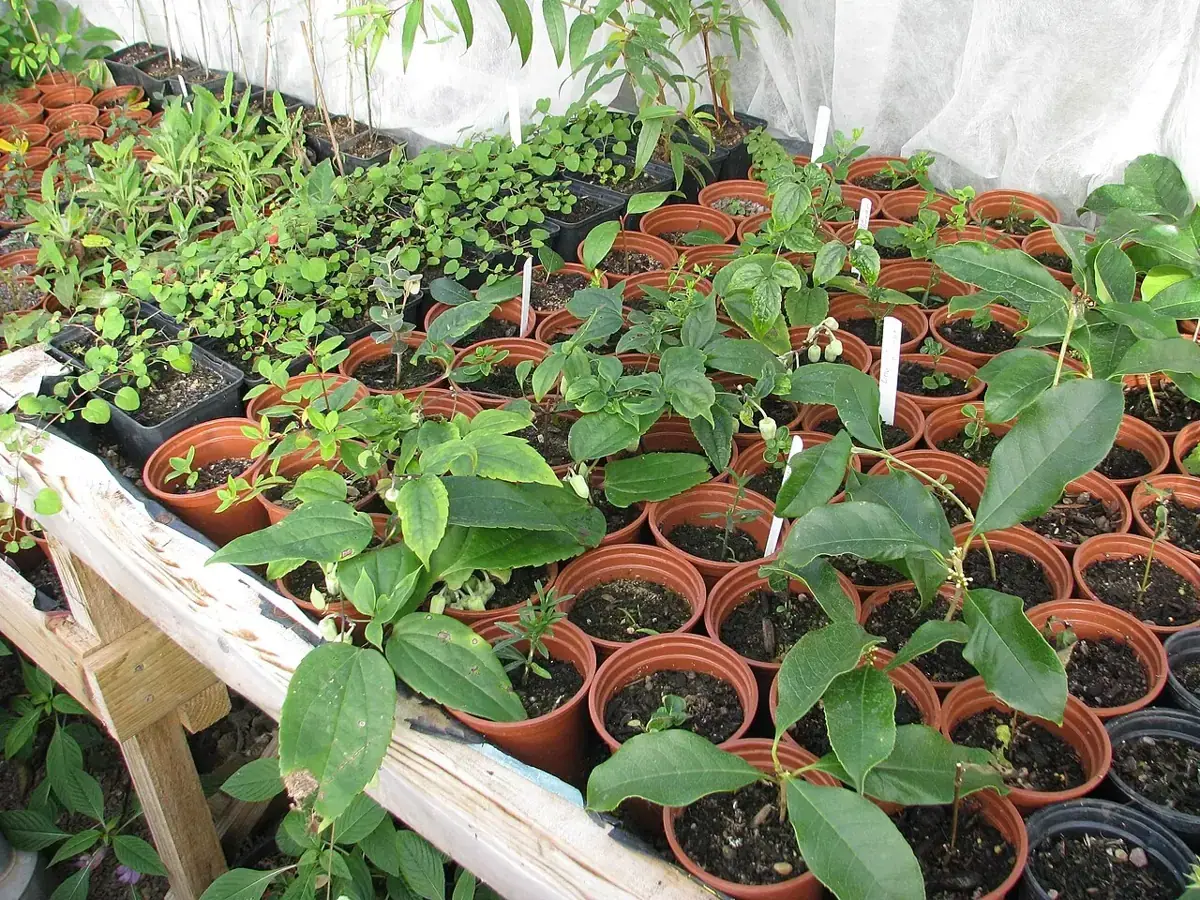
Choose a suitable outdoor nursery bed or container with appropriate medium and drainage. Insert each cutting to the depth recommended for the plant, leaving the necessary buds above the surface. Firm gently so the base has good contact rather than sitting in a loose air pocket. Space cuttings to allow roots and shoots to develop without immediate crowding. Make a simple plan of their positions, especially if labels could be displaced by weather, animals or routine garden work.
Be patient after buds open
Fresh leaves can develop from stored reserves before a strong root system exists, so early shoot growth is not proof that a cutting is ready to move. Maintain suitable moisture through dry periods and keep competing weeds under control. Avoid repeatedly lifting cuttings to inspect progress. Follow the plant's expected rooting and transplanting timetable, often allowing a substantial growing period before relocation. At lifting time, record the number with useful roots and compare their original stem quality. Those observations refine the next batch more effectively than assuming the quickest budbreak identified the strongest future plant.
A little further reading
Match these general notes to your plant variety, climate and local conditions.