Watch the light arrive and leave
Note when direct sun first reaches the corner and when buildings or trees block it. Repeat on several days and again in another season if possible. An east-facing wall can receive useful morning light, yet an overhang or nearby building may leave its base surprisingly dim. Draw the sunlit patch rather than labelling the whole space identically. The top of a tall container and the soil at its feet can experience different conditions, which matters when arranging plants of several heights.
Check whether the corner is dry
Shade does not automatically mean moist soil. Walls, eaves and neighbouring roots can reduce the water available to plants even where the air feels cool. Inspect the ground or potting mix after rain and compare it with an open area. Record where runoff falls and whether water accumulates at the base of the wall. A sheltered dry corner calls for different choices from a cool, moist one. This simple distinction narrows the plant list more effectively than the word east-facing alone.
Choose a modest trial combination
Select plants whose published needs fit the measured light and moisture. Combine one structural element with a few compatible seasonal plants rather than filling the corner immediately. Keep them in movable pots initially if the conditions are uncertain. Place the most light-demanding plant where it receives the longest direct exposure, while avoiding assumptions that morning sun is always weak in every climate. Observe leaf quality and flowering over time instead of moving plants daily in search of a perfect position.
Use the morning view deliberately
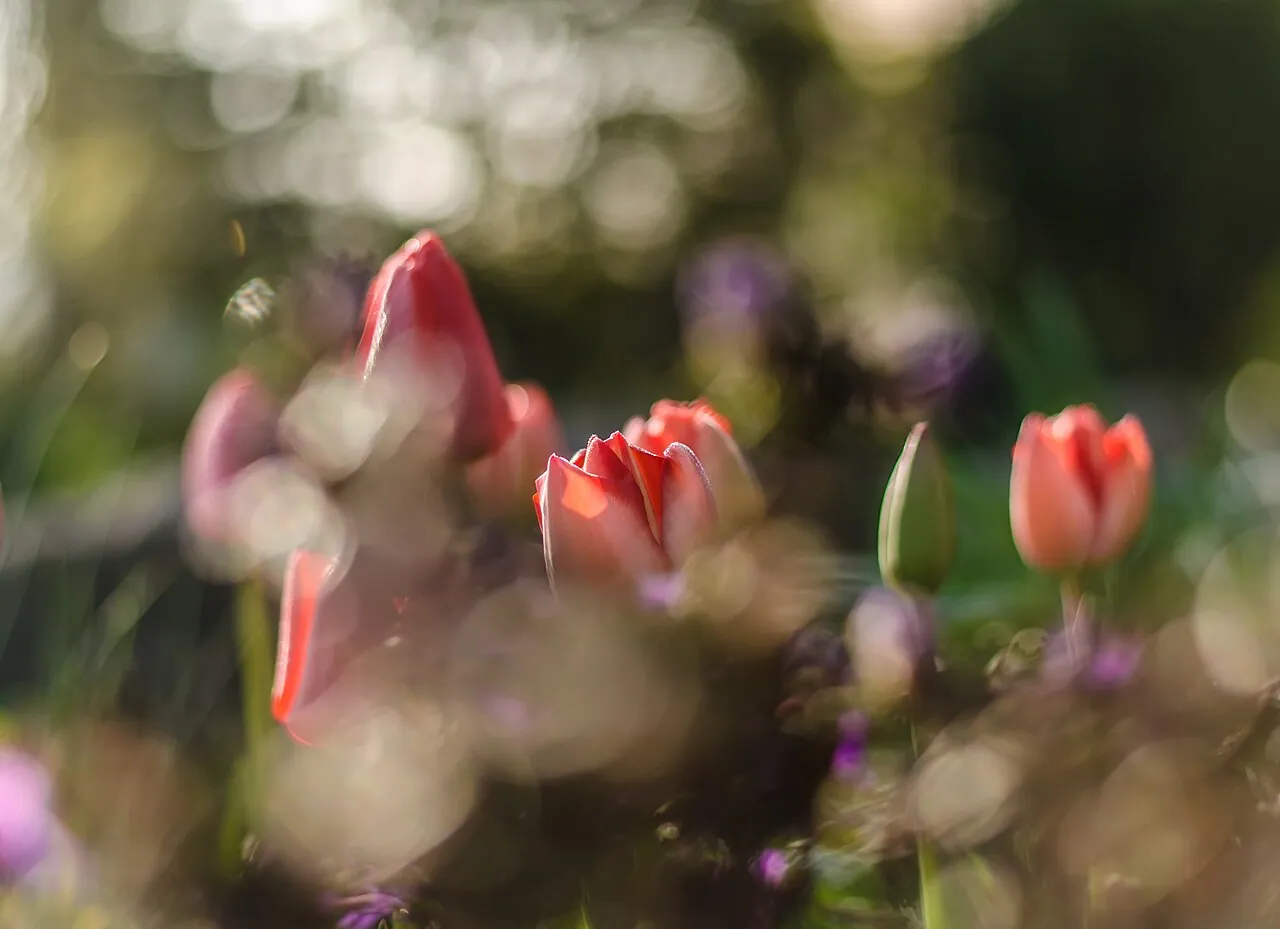
Look at the corner during the hours when you normally see it. Backlit leaves, pale flowers or a textured pot may be more noticeable in early light than they are in afternoon shade. Photograph the arrangement at the same time on several occasions. If the composition feels empty later, add enduring foliage or a simple structural shape rather than demanding continuous flowers from unsuitable plants. Keep the best observation notes with the plant list so future purchases respond to the corner's actual behaviour.
A little further reading
Match these general notes to your plant variety, climate and local conditions.