Decide whether the plant is quiet or declining
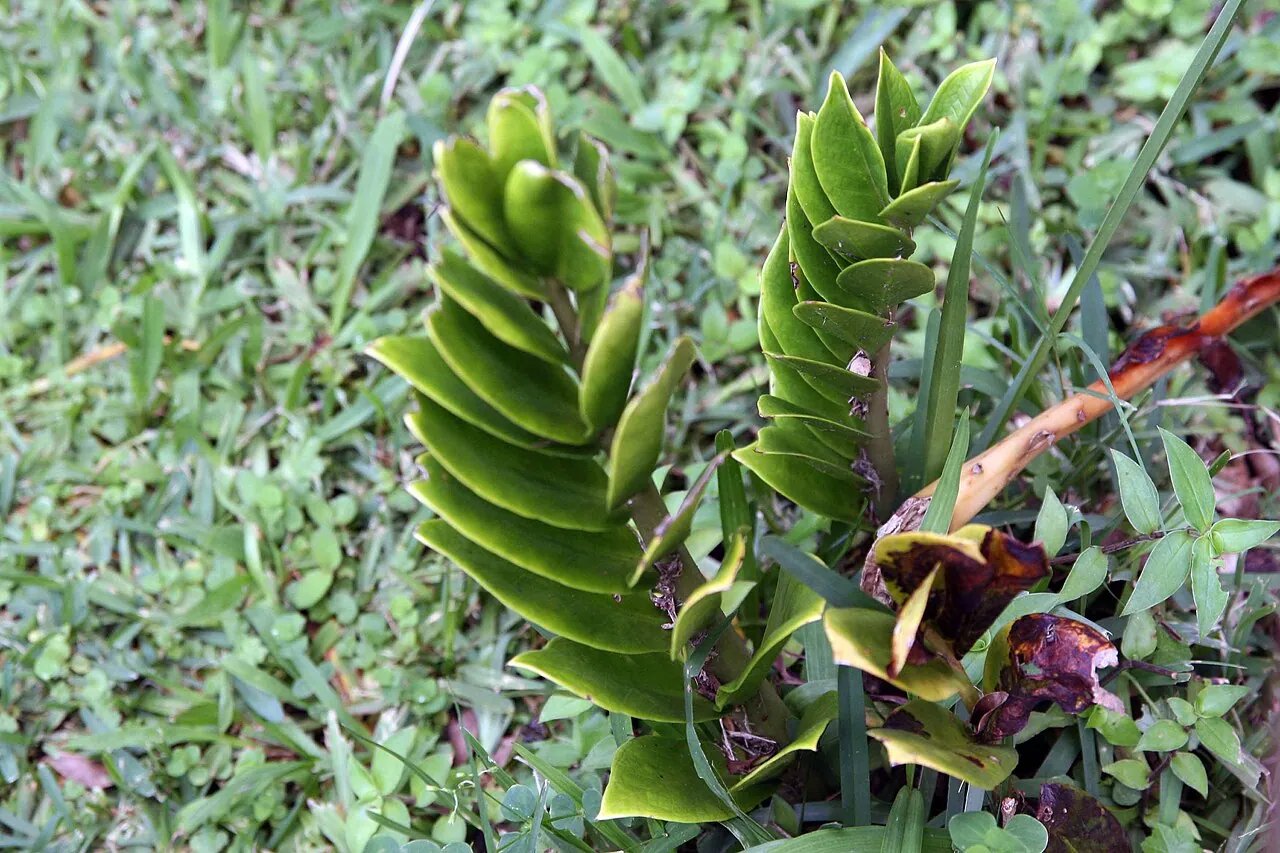
A ZZ plant with firm upright growth and healthy leaflets may simply be growing slowly. That is different from yellowing stems, soft bases or a pot that remains wet indefinitely. Photograph the whole plant and count the existing stems before making changes. New growth can arrive in a noticeable burst after an apparently inactive period, so a week without a new shoot is not meaningful evidence of failure. Compare over a suitable growing season rather than day by day.
Remember the underground storage
ZZ plants have fleshy rhizomes that store water, which helps explain their tolerance of dry intervals. Those reserves do not protect the plant from continuously wet medium. Check the pot's weight and deeper moisture before watering, and allow excess water to drain freely. If the container has become distorted, the expanding rhizomes may be pressing against it. Assess the roots during an appropriate repotting rather than assuming every slow plant needs a much larger pot.
Give light a fair trial
Although ZZ plants can persist in dim positions, suitable bright indirect light generally offers a better setting for active growth. Move gradually from a very dark location to avoid sudden exposure to harsh sun. Keep the new position consistent while observing the next growth cycle. Avoid changing light, pot size and feeding all at once, since you will not know which change helped or harmed. A simple note of window distance and the date of the move is enough to make the trial useful.
Feed in proportion to activity
Use modest feeding appropriate to the plant and product directions during active growth, accounting for any nutrients already in fresh potting mix. Fertiliser cannot replace light or repair oxygen-starved roots. If no growth appears, review the plant's condition and season before adding another dose. At the end of several months, compare stem count, colour and firmness with the original photograph. A ZZ plant that remains healthy and slowly adds growth is fulfilling its role; it does not need to match the speed of a vigorous pothos beside it.
A little further reading
Match these general notes to your plant variety, climate and local conditions.