Read the inside conditions
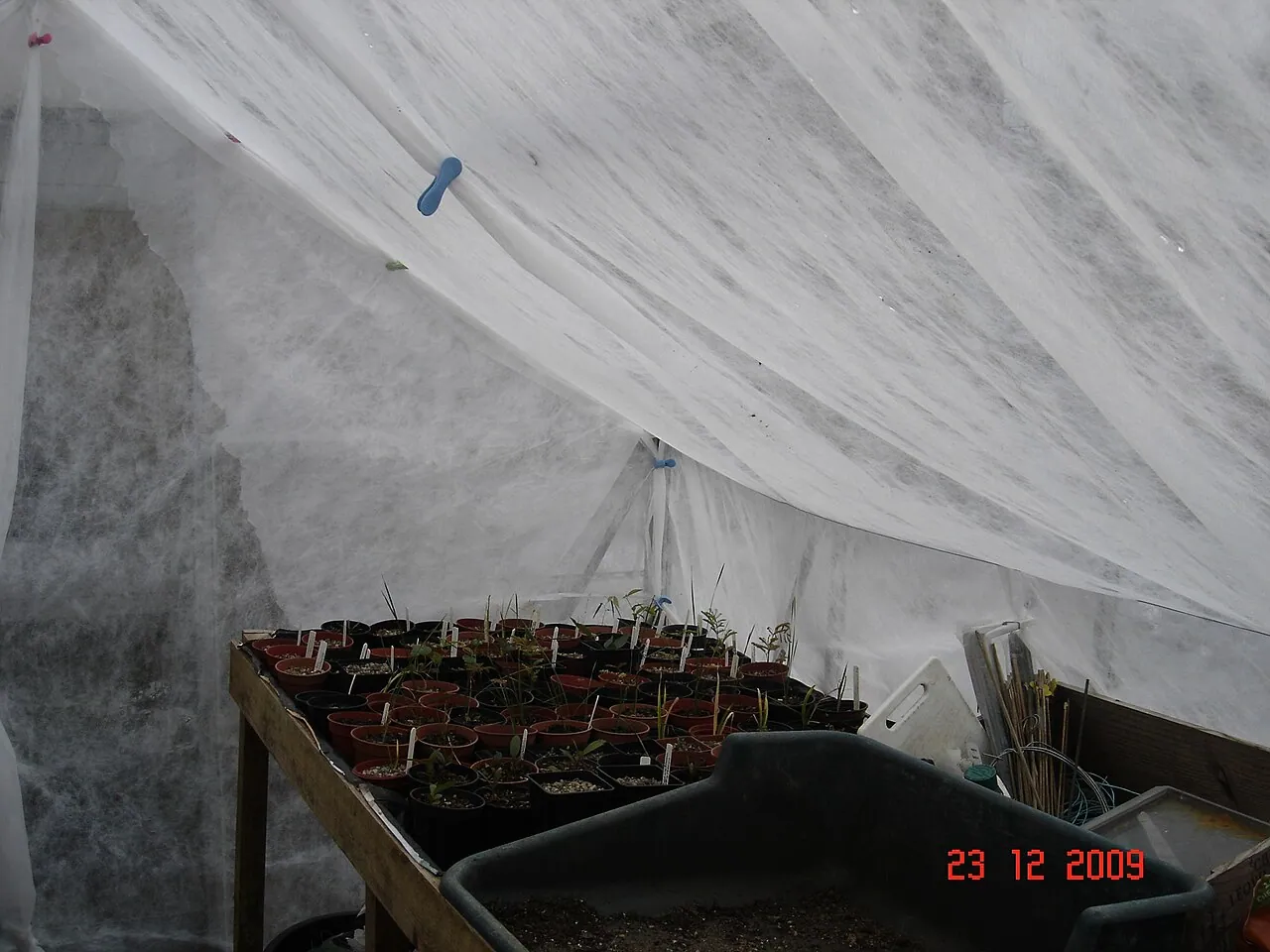
Put a thermometer where it measures the growing space rather than direct sun against the glazing. Note condensation, standing water and how closely plants are packed. A greenhouse described as unheated does not offer the same conditions every hour. Sunshine can warm it quickly, followed by a sharp fall after dark. Write down the approximate range on a few different days. This is more useful than assuming the enclosure is always just a little warmer than outdoors.
Use suitable ventilation windows
On appropriate mild days, open vents or doors enough to exchange air without exposing tender plants to a strong cold draught. The right amount depends on the structure, weather and occupants. Check automatic vent equipment and understand its operating range. Do not leave a door loosely propped where wind can slam it or damage plants. Set a reminder to reassess before evening if a manual opening must be closed. Ventilation should fit the day's conditions, not a fixed seasonal rule.
Reduce avoidable dampness
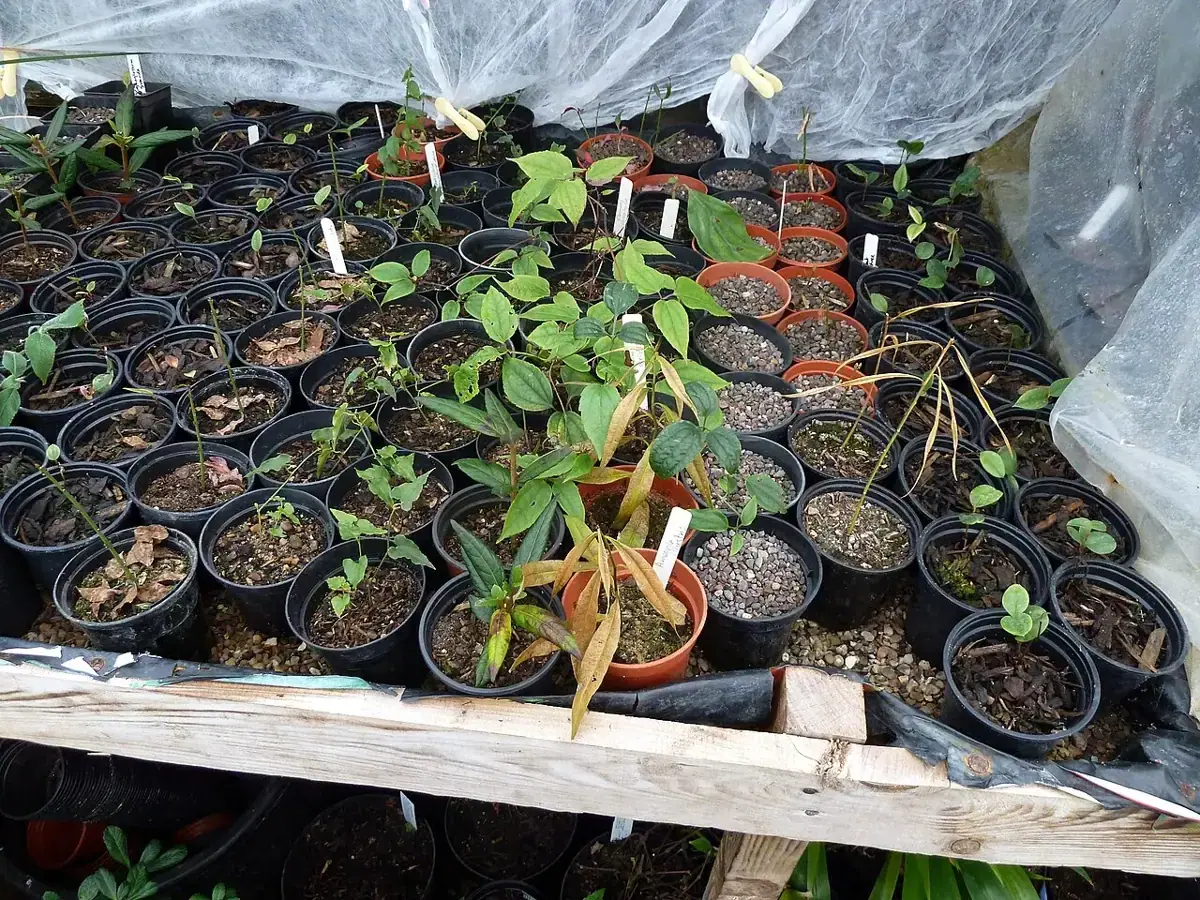
Remove dead plant debris, empty unnecessary standing water and space pots so you can inspect their sides. Water according to plant needs, allowing time for drainage. A winter greenhouse is not improved by keeping every surface continually wet. If insulation covers part of the glazing, check whether it prevents useful ventilation or makes inspection difficult. Keep pathways clear enough to carry a pot without brushing every neighbouring plant. Good access makes early signs of decay easier to find.
Make one adjustment at a time
If condensation is persistent, compare conditions before and after a modest ventilation or spacing change. Record whether the air cleared and whether plant temperatures remained suitable. Avoid responding by immediately installing heat without considering the enclosure and the plants it contains. Heating, if needed, requires equipment intended for the environment and appropriate installation. For a small collection, keeping fewer plants in a well-managed protected area may be easier than trying to maintain a crowded structure through winter.
A little further reading
Match these general notes to your plant variety, climate and local conditions.