Find the next pair of leaves
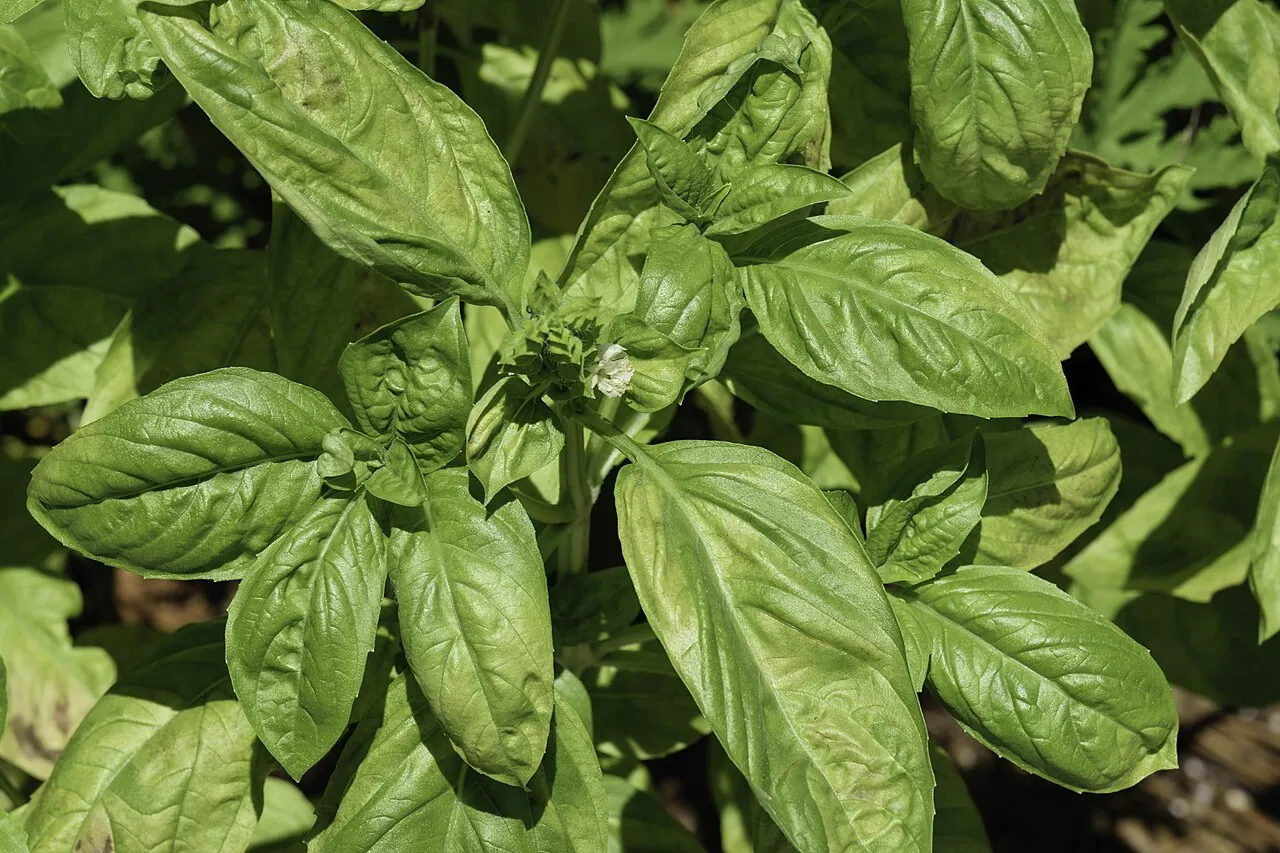
Follow a basil stem downward from its tip until you see a healthy pair of leaves with small shoots in their angles. A cut just above that point leaves growing opportunities below it. Taking isolated large leaves from the bottom can gradually produce a bare stem with a small tuft at its end. Before harvesting, turn the pot and identify several possible cuts. Choose a few tips from across the plant rather than stripping one side for a single meal.
Let a young plant establish
A newly transplanted basil needs time to resume active growth before supplying a large bowl of leaves. Start with modest pickings once it is growing confidently and retains enough foliage to support itself. If the stems remain thin and stretched, investigate light before pinching repeatedly. Warmth also matters: a cool kitchen window or chilly outdoor night can slow recovery. Keep a second small plant if you frequently need a large harvest, so the demand does not fall entirely on one struggling specimen.
Notice the shift toward flowers
Look at the shoot tips during regular picking. Developing flower stems signal a change in the plant's growth, and removing them can help maintain a leafy kitchen crop. You may also choose to let a separate plant flower for visiting insects. Make that choice deliberately instead of expecting the same small basil to supply unlimited leaves and an undisturbed flower display. Harvesting habits work best when they have a clear purpose and acknowledge that plants eventually move through their natural growth cycle.
Build a harvest-and-recovery rhythm
After picking, check the moisture and return the pot to a bright, warm position. Do not compensate for a heavy harvest with an extra-strong feed. Record roughly how much you took and how long useful new shoots take to develop under your conditions. That interval will change with the season. If growth slows noticeably, reduce the size of the next harvest or start another sowing. A succession of manageable plants is often more dependable than trying to keep one heavily cropped basil productive indefinitely.
A little further reading
Match these general notes to your plant variety, climate and local conditions.