Wait for a workable handful
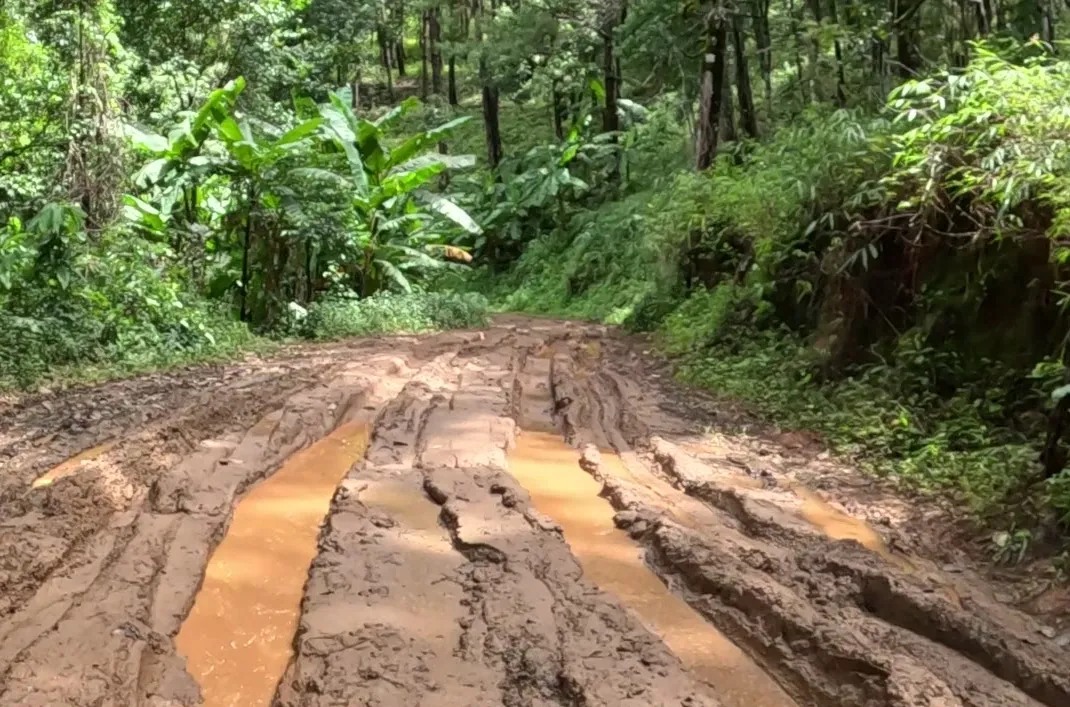
Take soil from just below the surface and squeeze it gently. If it smears into a shiny paste or clings heavily to tools, postpone cultivation. A dry-looking crust can conceal very wet ground underneath. Walk around the bed rather than across it while inspecting. Mark the places that remain wet longest after rain; these observations are more useful than assuming the entire garden behaves alike. A short delay can prevent compaction that persists far beyond the planting season.
Give feet a permanent route
Arrange beds so their centres can be reached from paths. Put harvesting routes where they will actually be used, including the direct journey from the gate to the compost heap. Temporary boards can spread pressure during necessary work, but they are not permission to dig saturated soil. In an established border, use a few reliable standing points instead of stepping between every plant. Access planning protects the spaces that roots and water need below the surface.
Improve the surface gradually
Apply mature organic matter around established plants, keeping it away from stems and crowns. Record the area covered and the material used so that improvement can be repeated sensibly. A modest bag of grit scattered across a clay bed rarely changes its fundamental texture. Neither lime nor gypsum is a universal clay treatment: soil chemistry and the particular clay matter. If drainage is seriously restricted, investigate the cause rather than creating an isolated planting hole filled with loose compost.
Choose plants for the ground you have
Look for plants suited to clay and the actual moisture level, not merely those described as robust. Clay in a sunny dry garden differs greatly from clay beside a shaded downpipe. Group permanent plants so routine digging is unnecessary. For a new border, photograph it after rain and again during a dry spell, then compare plant growth in those locations. Judge progress through easier working, healthier roots and fewer puddles across several seasons, rather than expecting the soil to become sandy.
A little further reading
Match these general notes to your plant variety, climate and local conditions.