Pick for the dried shape
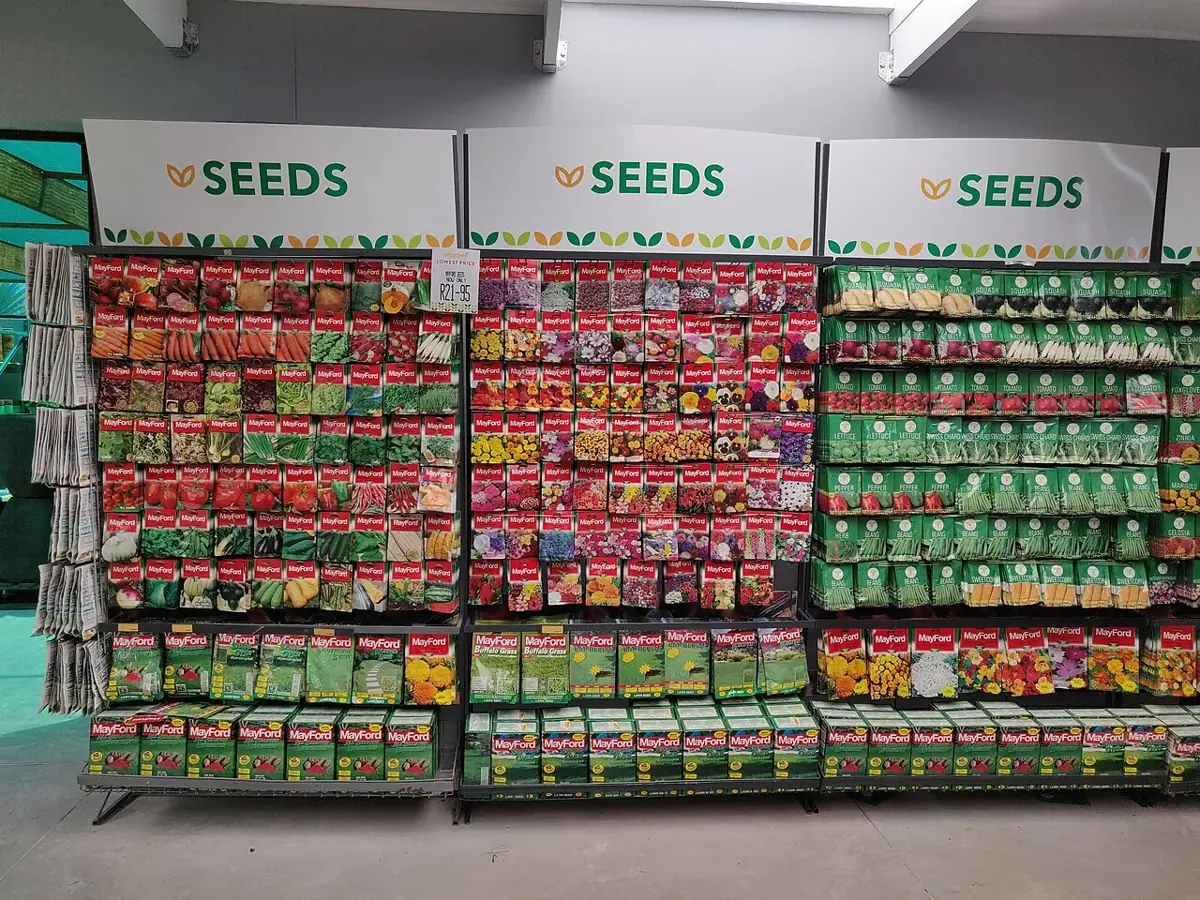
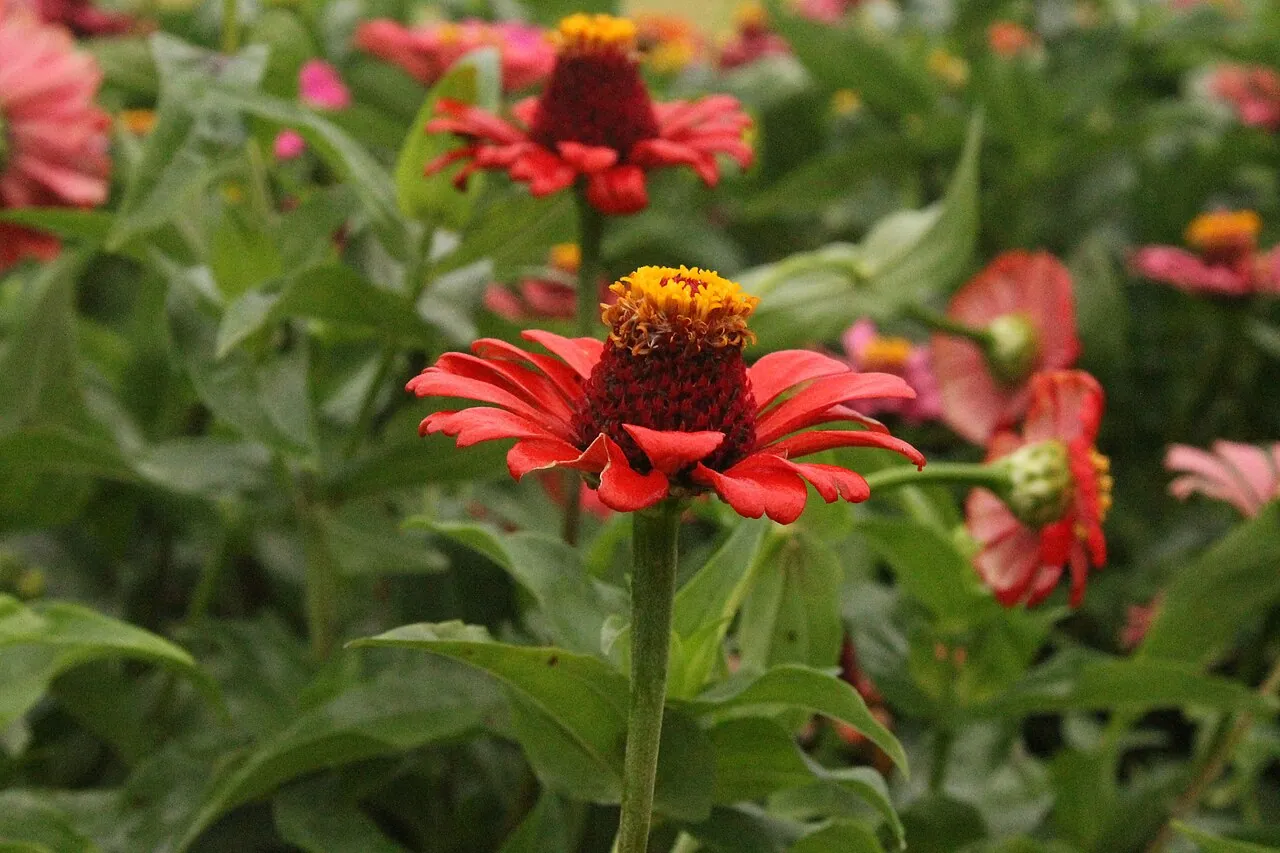
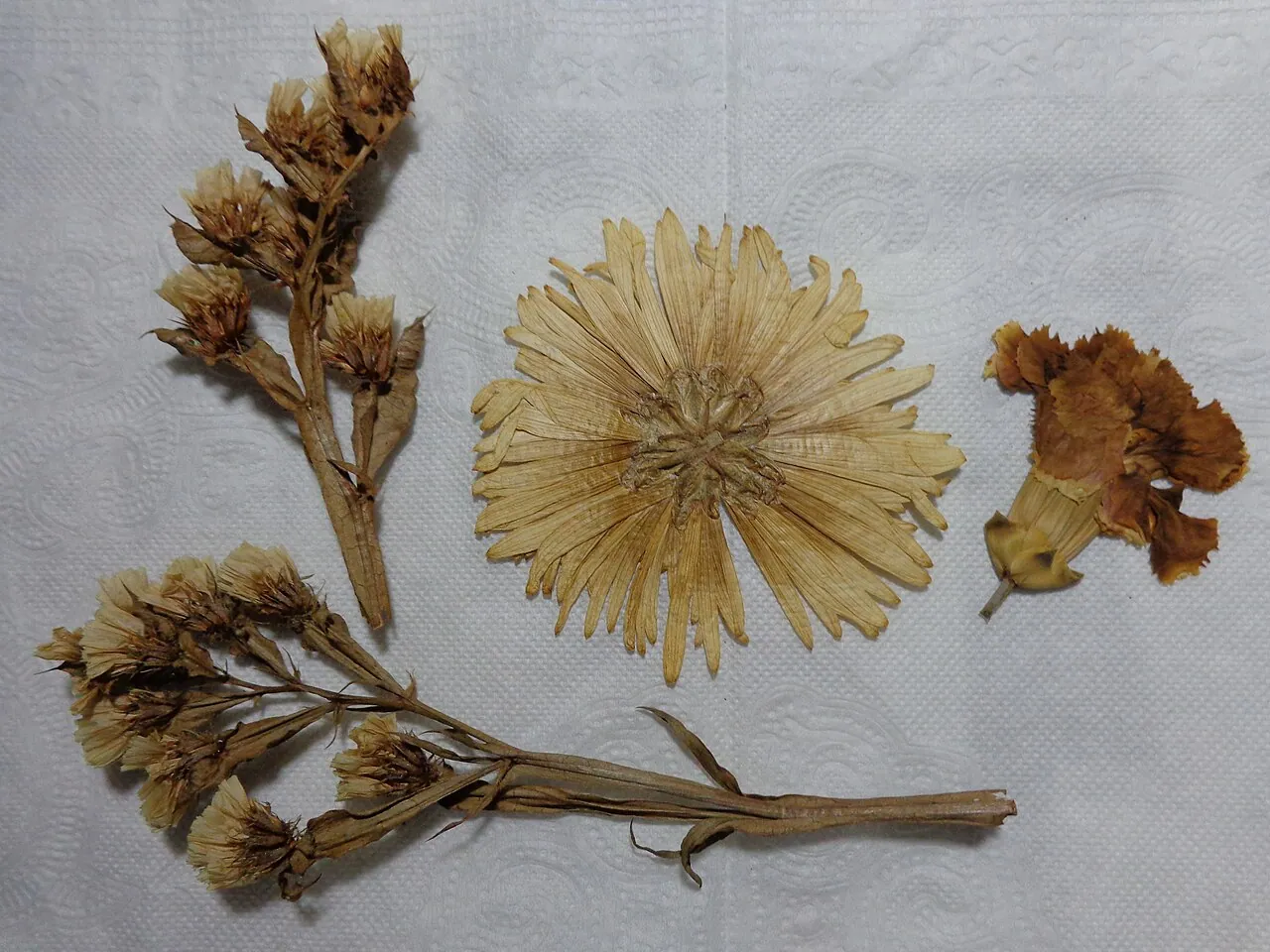
Look at the structure a stem will leave behind when its fresh softness disappears. Papery flowers, branching grasses and firm seed heads each bring a different texture to an arrangement. Gather a few examples from healthy plants and keep the first experiment small. Drying will not restore a damaged bloom, so leave badly bruised or fading material behind. Make a quick photograph of each fresh bunch and record its name. Those paired records will help you choose more confidently when you next harvest.
Leave air between the stems
Remove lower foliage and make loose, modest bundles rather than compressing everything into one dense bouquet. Secure them so the stems will remain held as they shrink, then hang them upside down in a dry, ventilated place with low light. Label each bundle on its tie. A sheltered indoor drying position is easier to monitor than a damp shed corner. Keep different types separate at first; a thick stem may need longer than a fine grass, and separate bundles are simpler to inspect.
Judge dryness by the material
Check the bundles regularly for damp patches, softened stems or mould. Remove affected material and reconsider the drying location if it remains humid. Many flowers air-dry over a few weeks, but neither a calendar date nor crisp outer petals prove that a thick centre is ready. Handle one stem gently and inspect the part hidden inside the bundle. Resist immediately enclosing the whole batch in a storage box. If you are unsure, give it more time with airflow before arranging or packing it.
Build an arrangement with breathing room
Choose a dry container and begin with the strongest branching stems, then place smaller flowers where their shapes remain visible. Turn the container as you work so the arrangement looks balanced from its intended viewing positions. A few gaps let delicate seed heads read clearly; filling every space can hide the very texture you preserved. Display the finished piece away from damp rooms and harsh direct light. Store unused stems separately, with their labels, so future arrangements can draw on a collection you actually understand.
A little further reading
Match these general notes to your plant variety, climate and local conditions.