Read the depth measurement correctly
Check how the supplier defines planting depth, often in relation to the top of the growing container or plant crown rather than the pond floor. Measure the water and the available shelves before buying. A plant intended for a shallow margin will not necessarily tolerate being placed on the bottom. Draw a simple section through the pond with the proposed planting positions. This can reveal a mismatch while changing the plan is still easier than lifting established aquatic growth.
Check identity and vigour
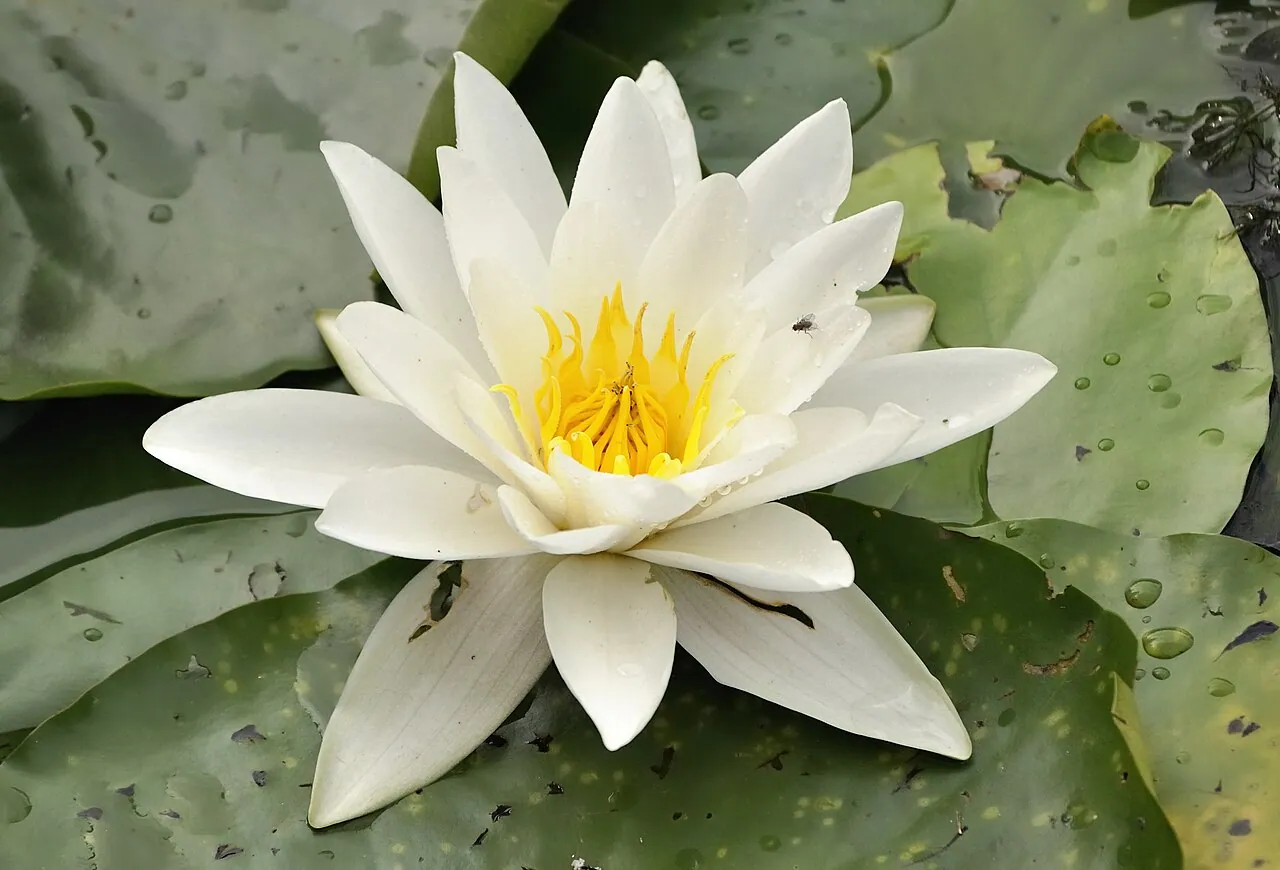
Keep the botanical name of every aquatic plant. Similar-looking species can differ greatly in size and regional suitability, and some can spread into natural waterways. Use local guidance to avoid invasive species and obtain plants from responsible sources. For a small pond, select forms that fit the actual water area at maturity. A small nursery pot is not evidence of a small eventual plant. Ask how the species spreads and how it is normally managed before giving it most of the available space.
Leave room to see the system
Begin with a modest planting and watch how light, shade and growth change. Open water, marginal cover and submerged planting perform different roles; the right balance depends on the pond. Avoid treating one fixed percentage from an unrelated example as a universal rule. Keep access to baskets or planting areas that may need later adjustment. Use appropriate aquatic planting materials rather than adding ordinary rich garden compost that may introduce excess nutrients into the water.
Manage excess growth responsibly
Identify what is spreading before removing it. Work in suitable stages and follow guidance that considers wildlife using the plants. Never discard unwanted aquatic plants into streams, drains or natural ponds. Check local disposal advice, especially for invasive species. Record which plants needed frequent intervention and reconsider their suitability. A pond that requires constant clearing may be telling you that the planting is too vigorous for its scale, not that you need a more elaborate maintenance routine.
A little further reading
Match these general notes to your plant variety, climate and local conditions.