Select a plantlet worth growing on
Inspect the offsets hanging from the parent and look for a small rosette with a recognisable base and emerging root nubs. Very tiny plantlets can be left attached longer rather than detached simply because they are present. Choose a few strong examples and decide where they will go before preparing pots. A mature spider plant can produce more offspring than a windowsill can accommodate, so selective propagation keeps the collection manageable.
Root beside the parent if practical
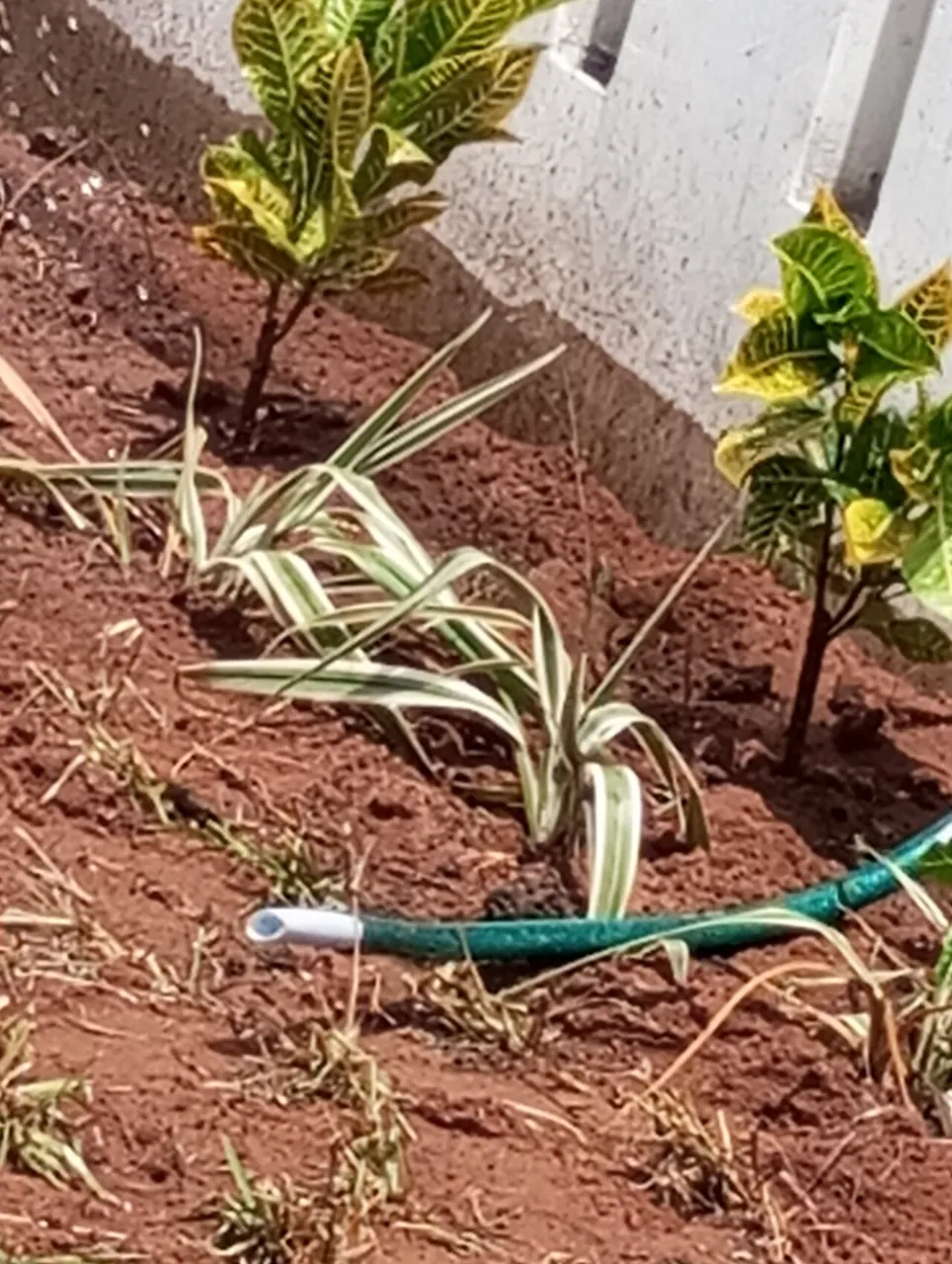
One straightforward method is to place a small pot of suitable medium beside the parent and rest the plantlet's base on the surface while it remains attached. Secure it gently if needed without burying the crown. Keep the medium appropriately moist and provide suitable indirect light. Once roots hold the plantlet and new growth indicates establishment, the connecting stem can be cut. Position both pots securely so moving the parent does not pull the small plant out of its new home.
Give detached offsets a small start
If rooting a detached plantlet, use a small container rather than a large decorative pot full of wet medium. Keep the leaf bases above the surface and avoid compressing the mix heavily around the crown. Label the start date and resist lifting it repeatedly to inspect roots. A gentle assessment of stability and the appearance of fresh growth are less disruptive. If rooting in water first, keep leaves out of the water and transfer carefully once a useful root system has formed.
Review the parent at the same time
Check whether the parent is drying unusually quickly or becoming root congested, and examine brown leaf tips without assuming one universal cause. Water quality, salts and moisture stress can all deserve consideration. Remove spent connecting stems when no longer needed and retain only the offsets that fit the intended display. Compare the parent before and after thinning its hanging nursery. A cleaner outline can make routine watering easier and let the remaining plantlets develop without becoming a tangled curtain that catches on furniture or curtains.
A little further reading
Match these general notes to your plant variety, climate and local conditions.