Match the box to the harvest
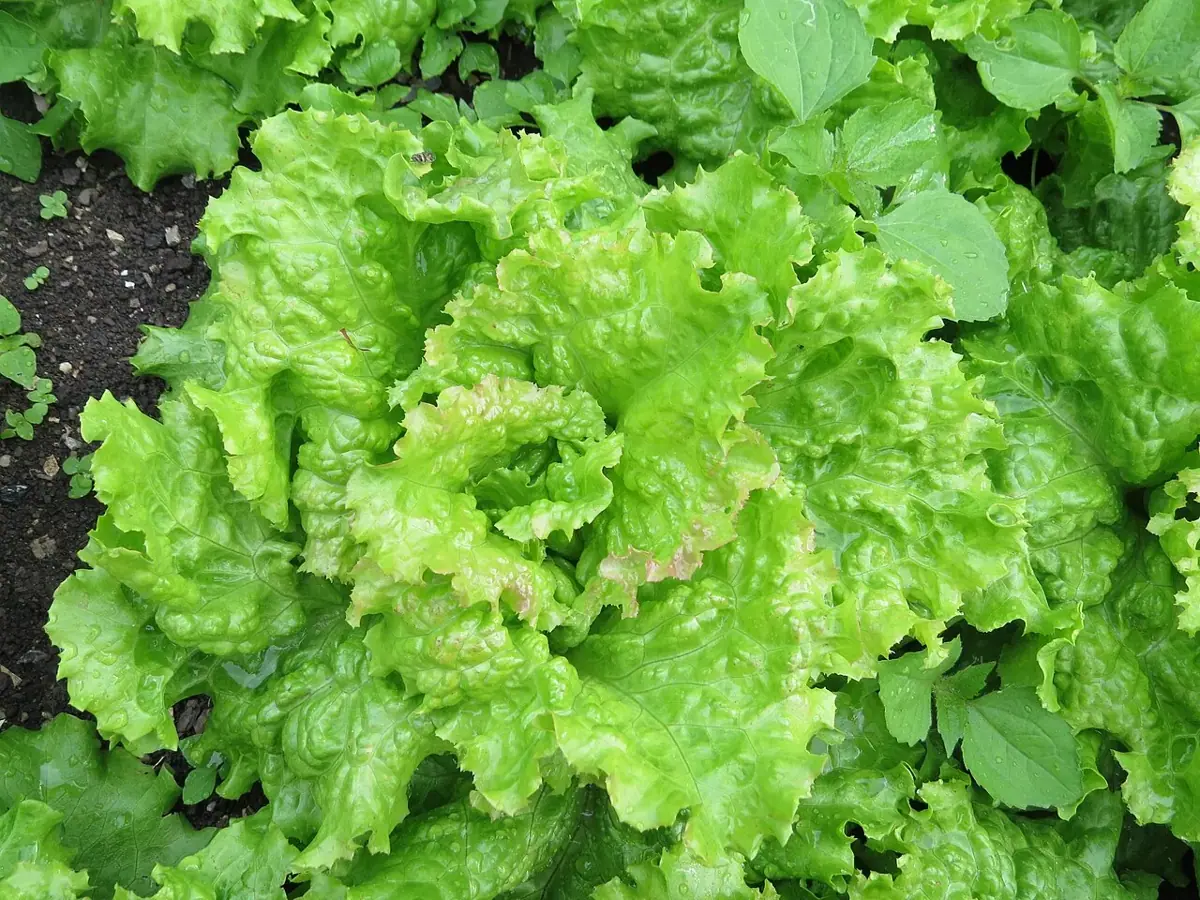
Loose-leaf lettuce and young salad leaves suit a compact box better than a crowded row of large heading varieties. Check the actual depth available after allowing space for watering below the rim. A decorative tray holding only a thin layer of compost will dry quickly and limit useful growth. Ensure drainage openings are clear and choose a suitable potting mix. Decide whether you want individual outer leaves or a young cut crop before sowing, because the required spacing differs.
Sow a readable pattern
Divide the box into small sections and sow only part at first. Label each section with the variety and date. A visible arrangement makes thinning easier and prevents later seeds from being scattered among older roots. Follow the packet's depth and spacing guidance rather than creating a dense green carpet. Keep the surface moist while seedlings emerge, using a gentle flow that does not redistribute them. If germination is uneven, record the pattern before resowing; it may reveal a dry edge or a shaded corner.
Check the exposed edges
A shallow container can dry first beside its walls while the centre still looks damp. Inspect more than one point before watering. Give the box useful light, but notice whether strong summer heat makes the crop wilt or move quickly toward flowering. A position with some protection from the hottest part of the day may be helpful in a hot setting. Keep the leaves off dirty surrounding surfaces and use clean tools for harvest, particularly where the box sits near a busy walkway.
Harvest while planning the replacement
Take suitable outer leaves without destroying the central growth, or cut a young crop according to the chosen variety and harvest method. Do not assume every cutting will regrow equally well. Leave enough growth for recovery and remove plants when quality declines. Sow the next section before the current crop finishes, adjusting the interval to actual growth. Record how many meals the box supplied rather than only its peak appearance. That measure helps you choose a useful sowing size without producing a brief glut followed by an empty container.
A little further reading
Match these general notes to your plant variety, climate and local conditions.