Stand where you normally stand
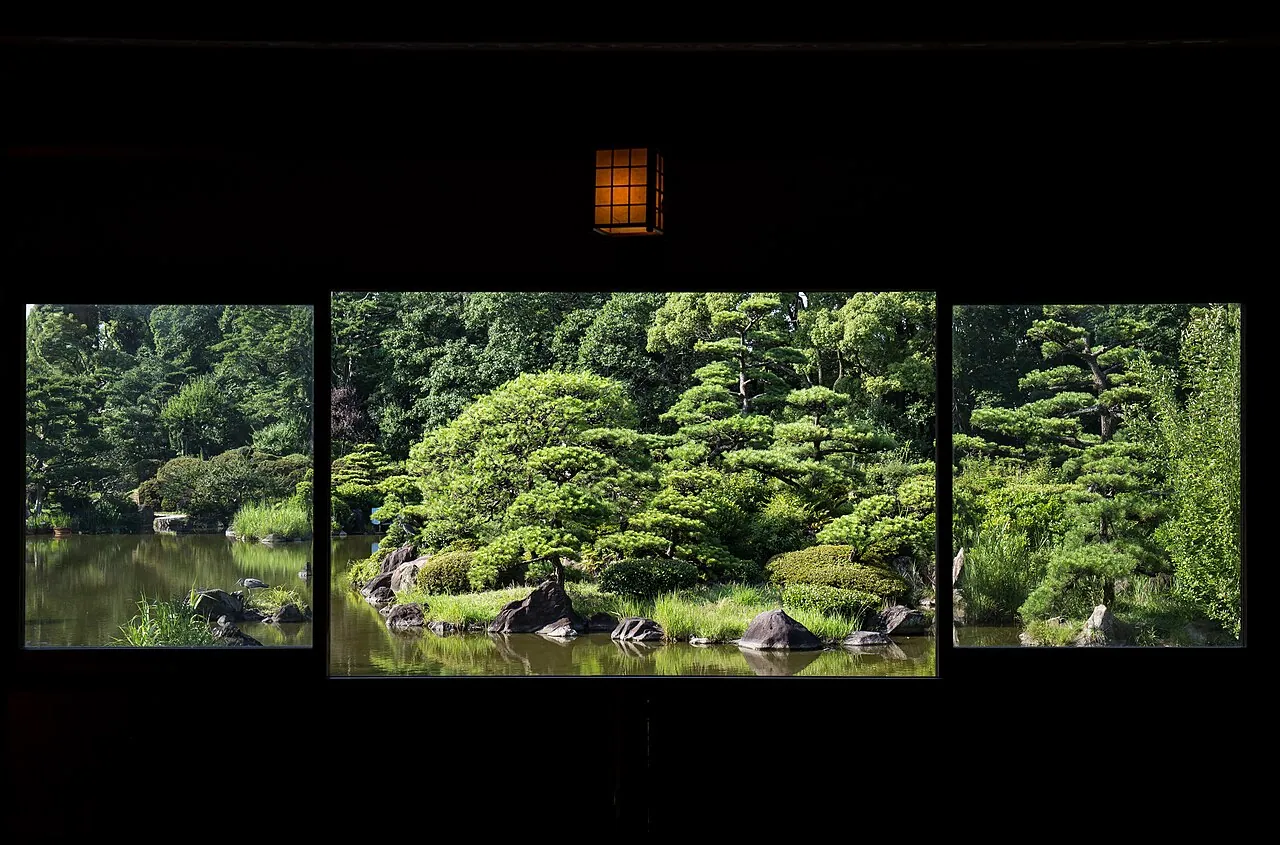
Look out from the sink, worktop or breakfast table rather than pressing your face against the glass. Take a photograph at that height and position. Mark the part of the garden actually visible, including areas hidden by the window frame. A carefully planted corner may contribute little if it sits outside the everyday view. Notice reflections and indoor objects that interrupt the sightline. The design begins with the view you regularly experience, not a wide-angle photograph taken from the patio.
Choose one quiet focal point
Select a plant, container or simple structure that deserves attention throughout much of the year. Place an empty pot or temporary marker in possible positions and compare them from indoors. It need not sit exactly in the centre of the window; an offset position may work better with the surrounding planting. Check mature height before choosing a tree or shrub. The focal point should give the view a destination without blocking daylight or concealing the rest of the garden as it grows.
Bring seasonal detail into the visible area
Use flowers, changing foliage or seedheads where they can be appreciated from the window. A small flower that looks exquisite at close range may disappear from several metres away, while a distinct silhouette remains readable. Keep a simple seasonal chart for the visible plants and note when the view becomes flat. Add interest to that period rather than increasing the already abundant peak season. Consider winter structure and the appearance of bare branches as part of the composition, not merely an absence of summer leaves.
Keep the working garden workable
The window view still contains real paths, bins, hoses and maintenance tasks. Arrange these thoughtfully rather than placing plants where they obstruct access to hide them temporarily. Check that the focal container can be watered and turned, and that taller planting can be pruned safely. Review the view with a monthly photograph from the original position. Over time, the sequence reveals which plants contribute consistently and which only looked useful on planting day, helping you refine the garden without redesigning every bed.
A little further reading
Match these general notes to your plant variety, climate and local conditions.