Describe the problem before mixing
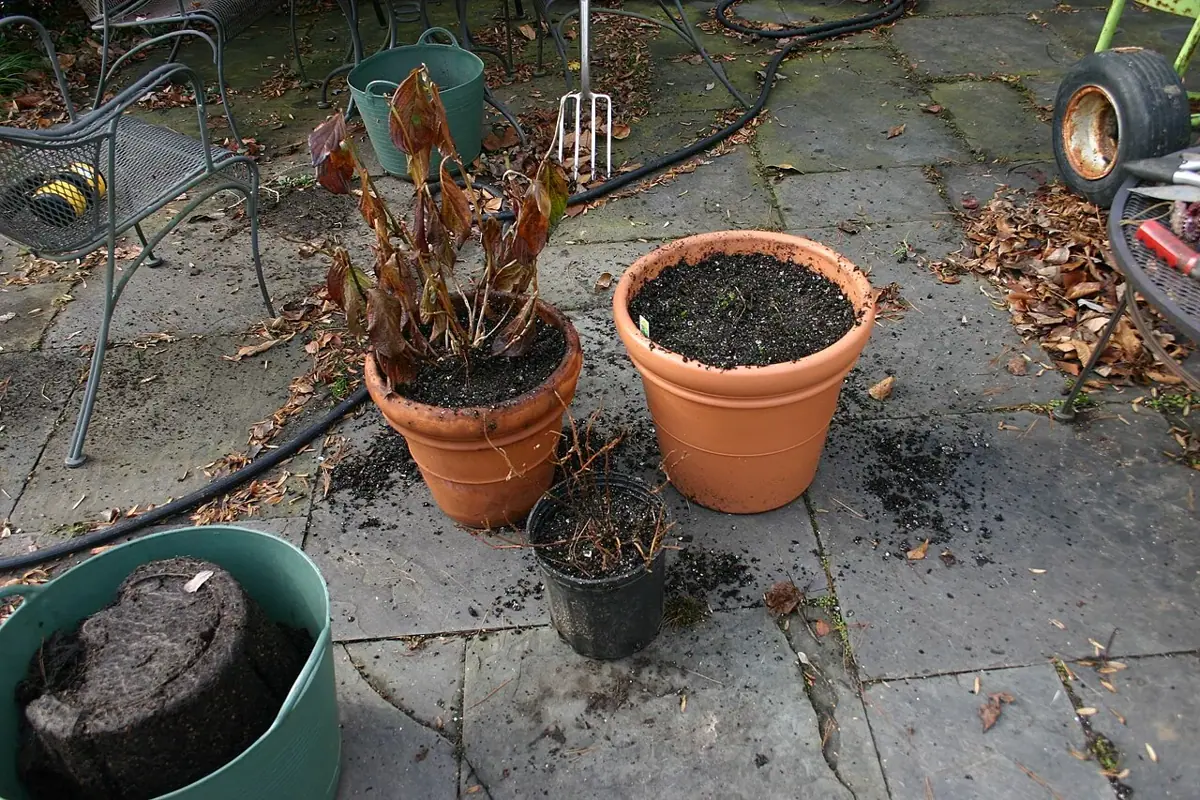
A container may stay wet because its mix is fine-textured, its drainage hole is blocked, its roots are small or its position is dark and cool. Adding another ingredient addresses only some of these causes. Write down what happens after watering: how quickly water enters, whether it drains and how long the middle remains moist. The same bag of compost can perform differently in a shallow bowl and a tall pot. Start with that observation instead of an attractive recipe found online.
Know what each ingredient changes
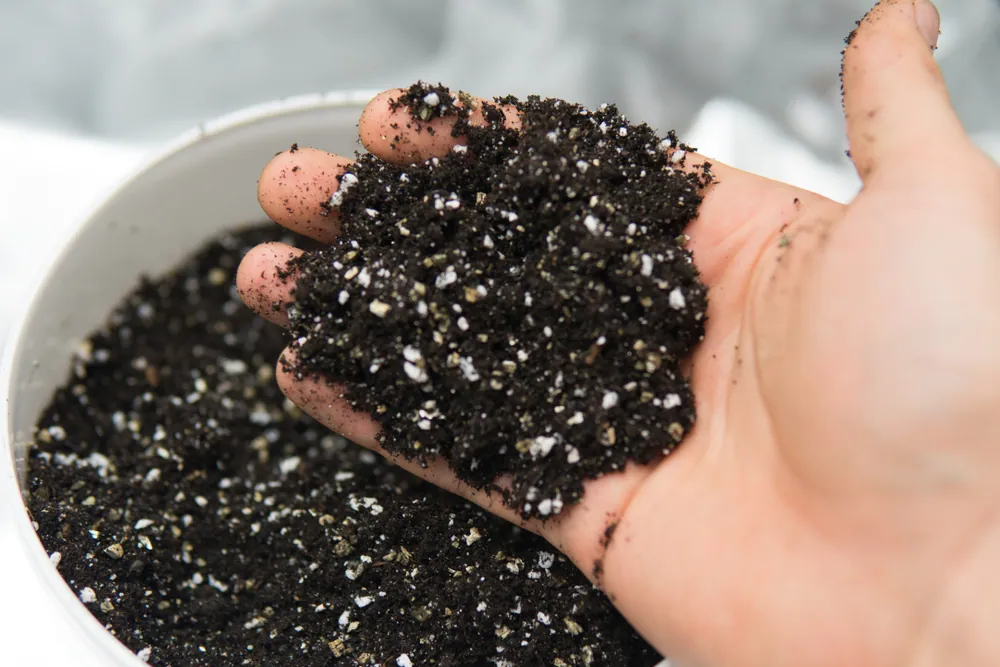
Perlite is light and porous; horticultural grit is heavier and available in different particle sizes. Their effects depend on the amount used and the material surrounding them. Fine particles can fill spaces between coarse particles, so adding a token handful is not guaranteed to create an airy mix. Choose clean horticultural materials rather than unidentified builders' waste. Consider the final weight as well as drainage, especially for shelves, hanging containers and pots that must be moved regularly.
Use a small comparison pot
If a standard mix repeatedly disappoints, test a modest adjustment with one or two suitable plants. Measure ingredients by a consistent container and record the proportions. Keep pot size, plant size and position comparable; otherwise you will not know which change mattered. Water the trial normally and check moisture beneath the surface. Avoid turning a whole collection into an experiment at once. A mix that dries pleasantly in summer may become too water-retentive in a cool room during winter.
Let roots and routine decide
A successful mix supports the plant while fitting the care you can provide. Very open blends may require more frequent watering; heavier blends may suit a long-term outdoor specimen better than a delicate indoor cutting. Check the nutrient and pH requirements separately, because added grit does not supply a complete feeding programme. If a specialist commercial mix already works, there is no obligation to complicate it. Retain the label and your observation notes so the useful result can be repeated when repotting becomes necessary.
A little further reading
Match these general notes to your plant variety, climate and local conditions.