Anticipate the weight of flowers and rain
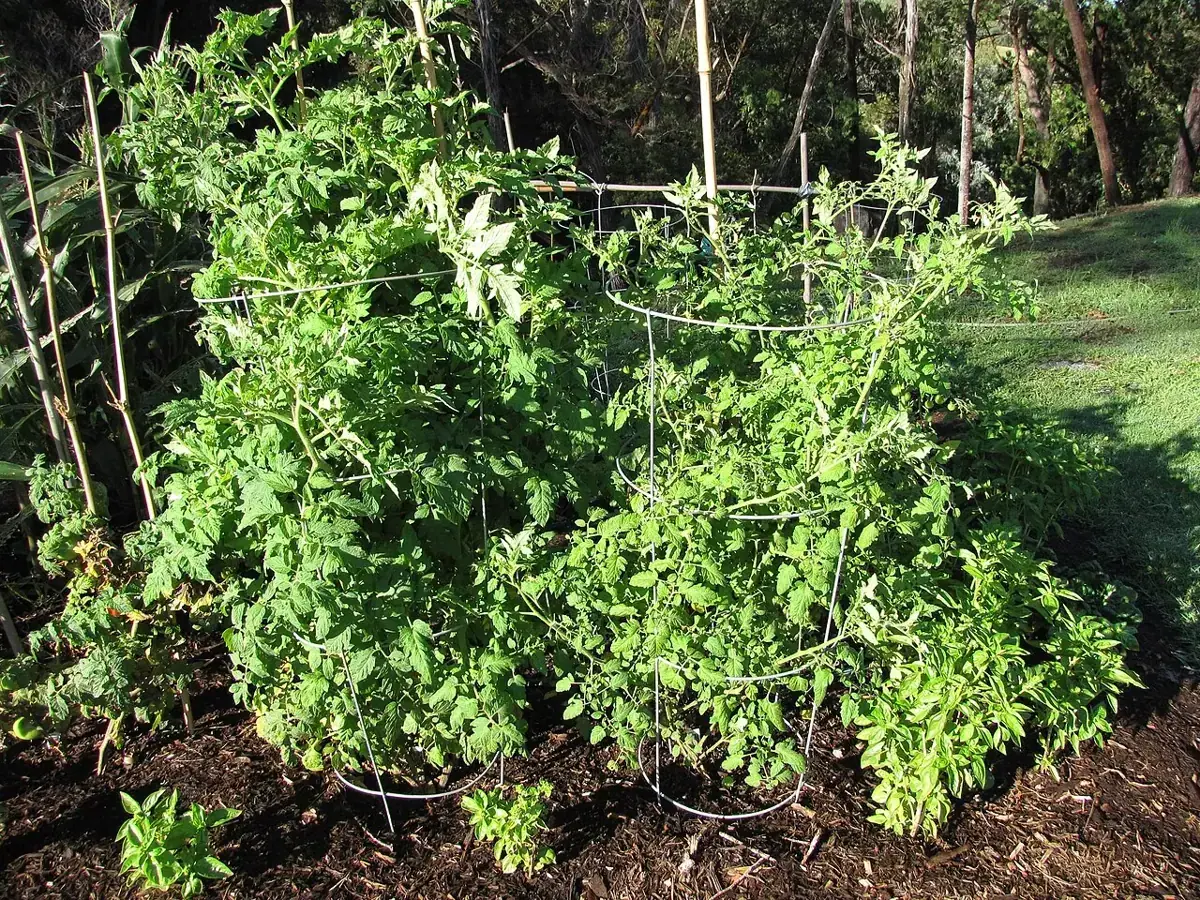
A plant that stands neatly in early growth may lean once flowers open or foliage becomes wet. Review last season's photographs and note which clumps collapsed. Check the variety's mature height and habit before selecting a support. Some compact plants need little help, while tall or top-heavy forms may benefit from rings, grids or individual stakes. The support should match the pattern of growth rather than gather every stem into a tight bundle after damage has already occurred.
Install while you can see the base
Place supports early enough to avoid forcing them through a dense canopy. Work carefully around roots, crowns and tubers, using knowledge of where the plant was set. Make sure the structure is stable and positioned to catch the expanding growth. A support placed too close to the centre can constrict the clump, while one too far away may offer little help. Inspect the arrangement from the path and leave access for watering and later adjustments. The best early installation becomes less noticeable as leaves develop.
Tie stems without fixing them rigidly
Use suitable soft ties and leave room for stems to thicken. Where appropriate, separate the stem from the stake so rubbing is reduced. Add support at useful points instead of cinching all the weight near the top. Check ties regularly, especially during rapid growth. A stem should not be forced into a sharp bend to reach a poorly placed stake. If the support no longer suits the plant, adjust it while the stem remains flexible rather than waiting until it has hardened in an awkward position.
Respond carefully after a collapse
Lift bent growth gently in stages where possible, accepting that some damaged stems may need removal. Do not pull a whole fallen clump upright with one tight cord. Assess whether the cause was wind, excessive shade, crowding or an unsuitable support. Record the height and type of structure that would have helped earlier. At the end of the season, clean and inspect reusable supports before storing them. The next year's improvement should begin with that evidence, so staking becomes planned maintenance rather than an annual rescue operation.
A little further reading
Match these general notes to your plant variety, climate and local conditions.