Ask a precise question first
Decide whether you are choosing plants for a new bed, investigating poor growth or checking a planned amendment. These are different questions, and a pH number answers only part of each. Soil pH describes acidity or alkalinity; it does not directly measure drainage, compaction or the total supply of every nutrient. Write down the affected plant, its location and the visible symptoms before sampling. A record prevents a test result from becoming the explanation for every difficulty in the garden.
Collect a sample that represents the bed
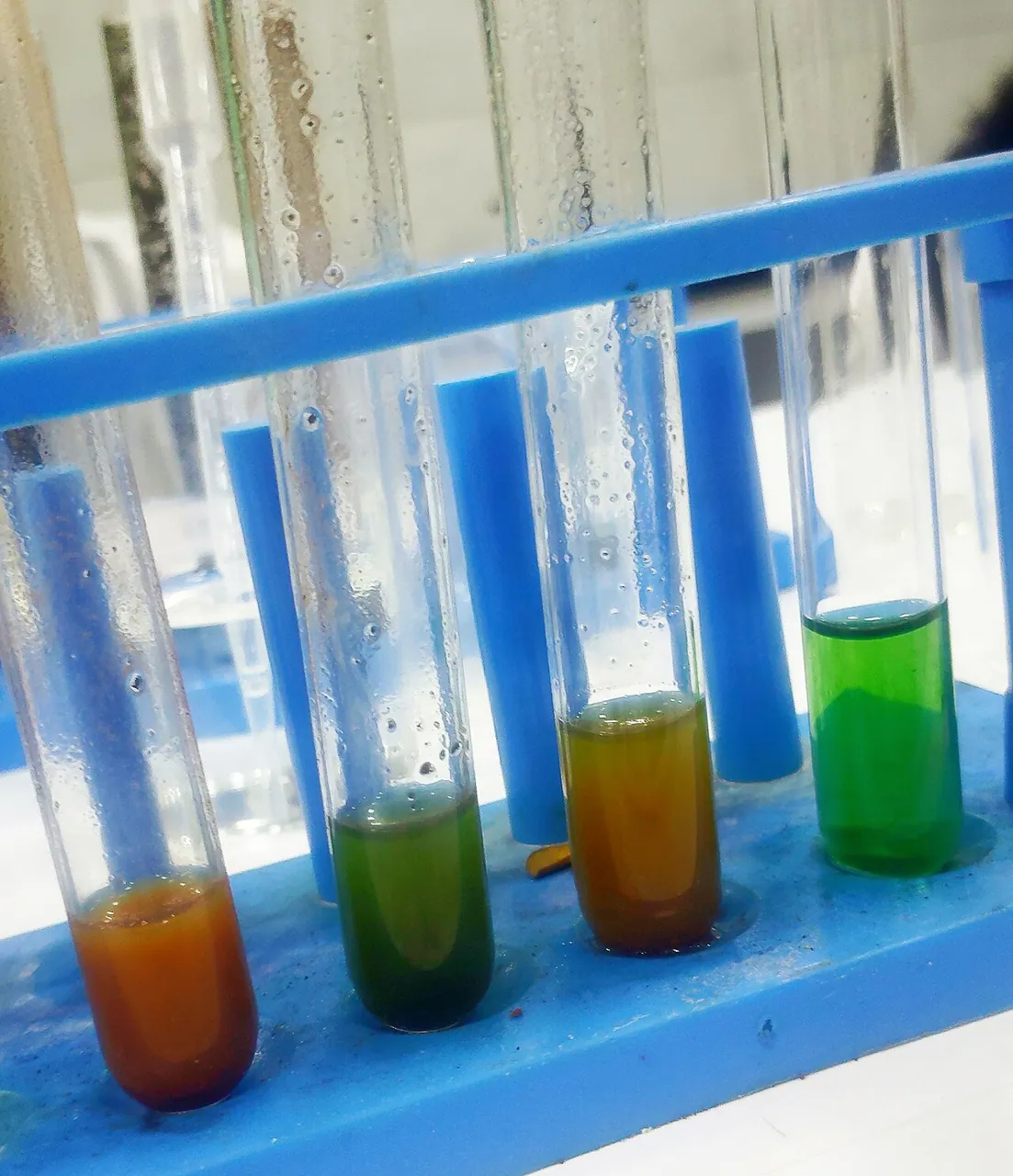
Follow the laboratory or test-kit instructions for depth, quantity and handling. Treat visibly different areas separately: imported topsoil beside a patio may differ from the original ground farther away. Avoid sampling a tiny patch where fertiliser or lime was recently spilled. Use clean tools and label each sample immediately. Include a simple sketch of collection points in your notebook, so that a later comparison represents the same area rather than a convenient handful taken somewhere else.
Interpret the result with the plant
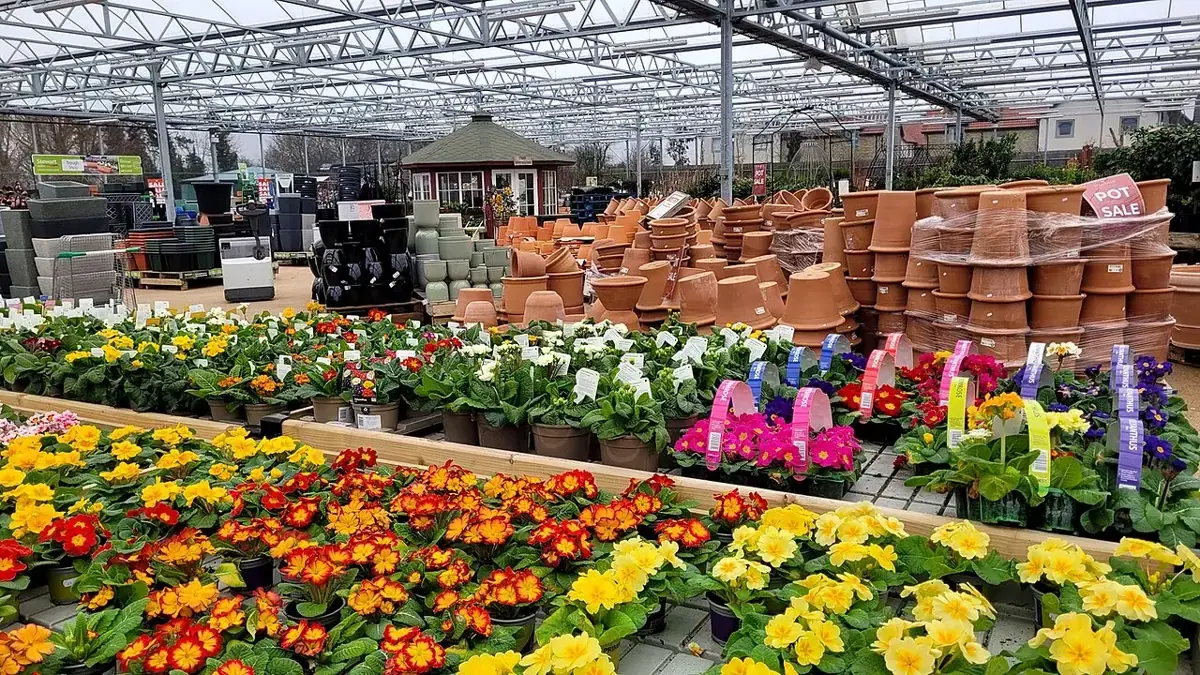
Compare the result with the requirements of the plant you intend to grow. A blueberry and a plant adapted to chalky ground will not make the same demands. If the result seems inconsistent with healthy existing plants, repeat the sampling before buying materials. Home kits are useful guides, while laboratory analysis can add context for an expensive planting scheme. A yellow leaf alone does not establish a pH problem; root damage, excessive moisture and other stresses can produce similar appearances.
Make a measured decision
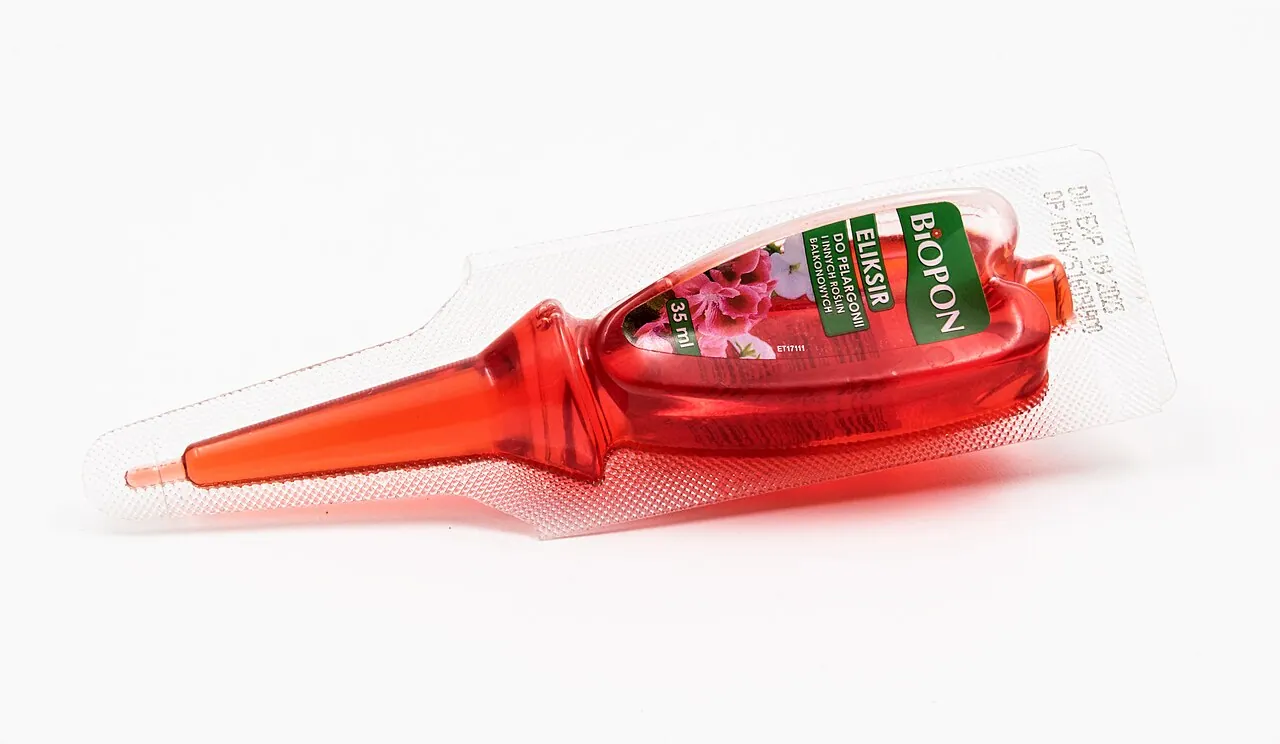
Changing pH can require repeated work, particularly where underlying geology keeps influencing the soil. Choosing compatible plants or growing an acid-loving specimen in a suitable container may be more manageable. If an amendment is justified, use a tested recommendation for the actual soil and area. Keep the package information and application date, then allow the advised interval before retesting. Do not alternate acidifying products and lime in response to small home-test variations. The useful result is a stable growing environment, not a perfect number pursued indefinitely.
A little further reading
Match these general notes to your plant variety, climate and local conditions.