Check whether this seedling should move
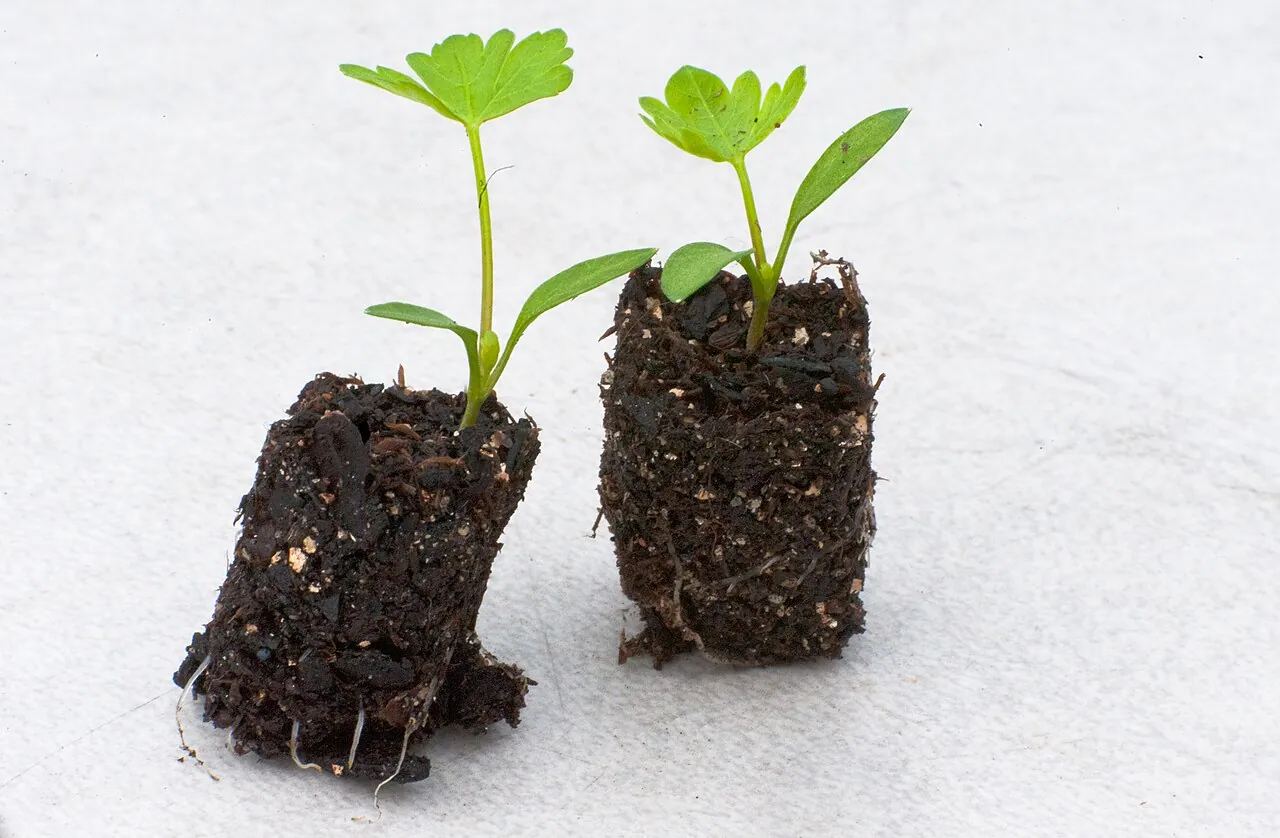
Some plants tolerate transplanting well, while others are better sown into individual cells or directly where they will grow. Confirm the species' preference before disturbing a crowded tray. For seedlings suitable for pricking out, wait until they are large enough to handle and follow the appropriate growth-stage guidance. Distinguish the first seed leaves from later true leaves. A seedling that is too tiny to hold safely may benefit from a little more time, provided crowding is not already causing damage.
Prepare every destination first
Fill small pots or modules with suitable medium, moisten it and make holes that can accommodate the roots without folding them sharply. Label the new containers before lifting plants. Arrange the original tray, tool and destination close together on a stable surface. Work in small batches so roots are not left exposed while you search for another pot. Keep the area sheltered from strong sun and drying wind, especially if the task is being done outdoors.
Lift from below and hold lightly
Use a dibber, plant label or similar small tool to loosen medium beneath the roots. Support the seedling by a seed leaf rather than squeezing its slender stem. Ease neighbouring roots apart with minimal force; if they are tightly tangled, preserving every seedling may cause more damage than selecting the strongest ones. Lower roots into the prepared hole and settle medium around them gently. Avoid using the stem as a handle to push the plant down to the desired level.
Give the transfer a quiet follow-up
Water carefully to settle the medium and place the seedlings in suitable light with protection from immediate harsh exposure. Check that the root zone remains appropriately moist without becoming waterlogged. Record the date and compare survival after several days, noting whether losses were concentrated in the most crowded part of the original tray. That observation can improve the next sowing more than refining the transplanting tool. A successful pricking-out session ends with enough healthy, well-spaced seedlings, not necessarily with every germinated plant saved at the cost of weak growth.
A little further reading
Match these general notes to your plant variety, climate and local conditions.