Turn the reminder into a check
Keep a regular inspection time if it helps you remember the plants, but do not make watering automatic. Compare the pot's weight, moisture beneath the surface and the plant's condition. Learn the difference between a recently watered container and one approaching its appropriate dry point. Use more than one clue, especially with a new potting mix. A pale dry surface can sit above moist material, while a brief shower can darken the top without reaching the roots below.
Know which roots you are supporting
A newly planted shrub still relies heavily on its original root ball, while an established plant may draw water from a much wider area. A seed tray needs a different approach from a mature succulent. Record these distinctions beside the plants rather than assigning every pot the same weekly interval. Check the actual root zone where practical. If a plant wilts while its mix remains wet, adding more water is not the obvious next step; drainage, root health and other stresses need attention.
Notice what changed since the last visit
Wind, heat, stronger light and rapid new growth can increase water use. Cooler weather, shorter days or a recently enlarged pot can slow drying. Moveable containers may also change behaviour after being placed beside a hot wall or beneath an overhang. Write down major changes for plants that repeatedly surprise you. The purpose is to understand a pattern, not to create a complicated diary for every leaf. A few useful observations can replace an unreliable schedule with a much more responsive routine.
Water with a result you can verify
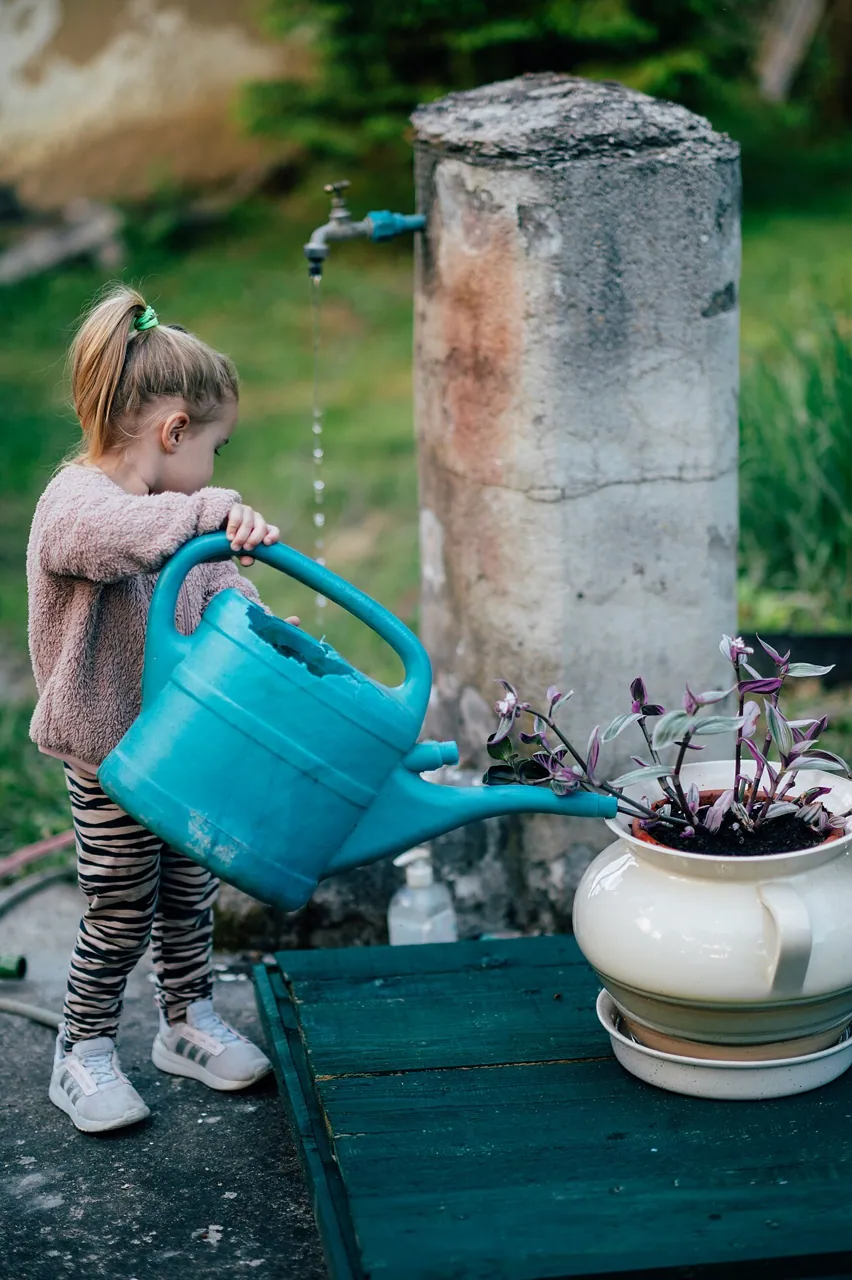
When watering is needed, deliver it slowly to the growing medium and check that the intended area becomes moist. Avoid endless runoff that wastes water without improving the root environment. Empty unsuitable standing water from cover pots and saucers. Note the result and the next time the plant needs attention. Over several cycles, you will learn the range of intervals under different conditions. That range is more useful than a fixed day of the week because it reflects the plant's changing circumstances.
A little further reading
Match these general notes to your plant variety, climate and local conditions.