Read the whole profile
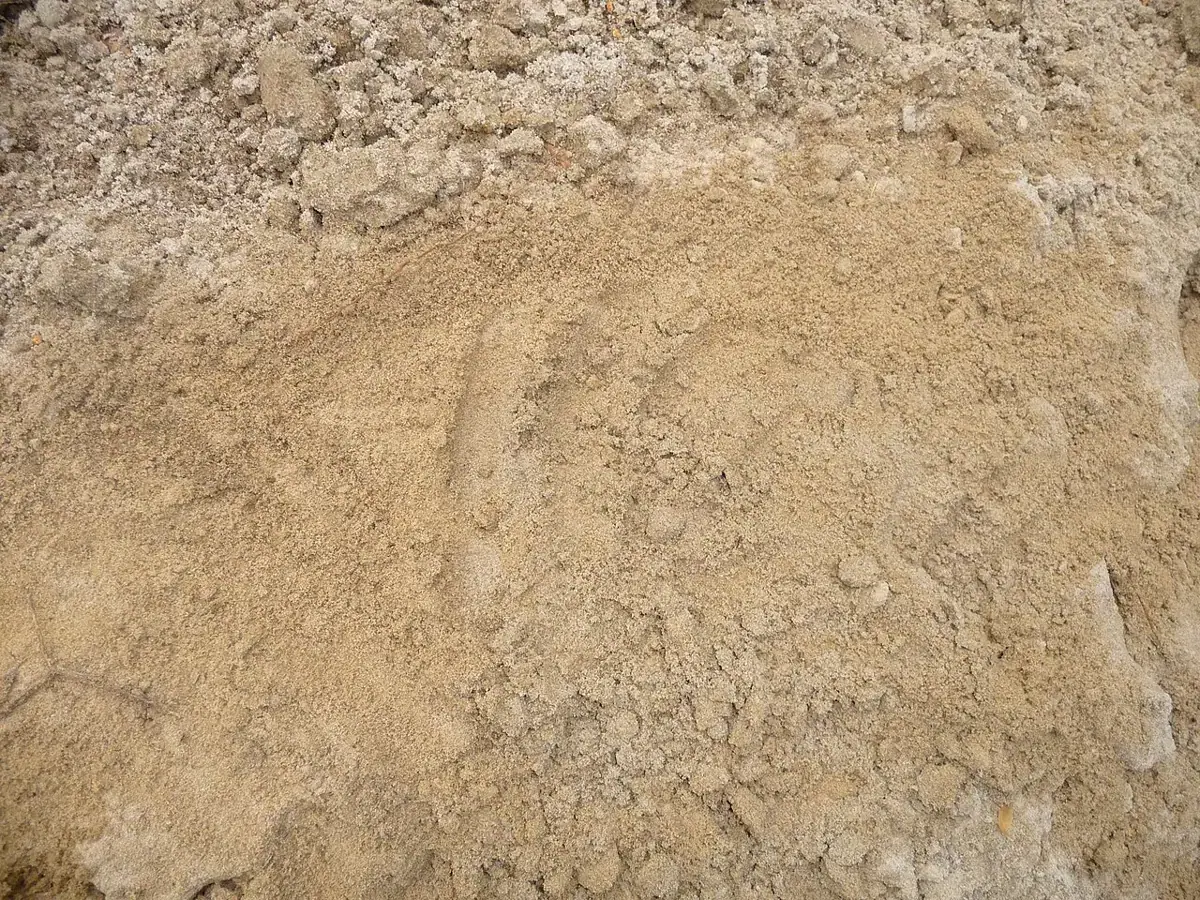
Sandy ground often feels gritty and falls apart easily, but the surface does not tell the whole story. Examine a small hole after rain to see whether water passes into the layer below. A compacted subsoil or buried building material can interrupt otherwise rapid drainage. Note which plants struggle first during dry weather and whether their roots are newly planted or established. This separates the normal behaviour of a light soil from a local obstruction that needs different attention.
Use organic matter as maintenance
Spread well-rotted garden compost or leafmould where roots are growing, rather than filling individual planting holes with a completely different material. Keep a simple record of each application and the area treated. Organic matter decomposes, so improvement is an ongoing habit rather than a one-time purchase. Avoid piling ever thicker layers around woody stems. A bed that already contains abundant compost may need less additional material than its pale colour or sandy texture seems to suggest.
Water into the root zone
Check moisture beneath the mulch before deciding to irrigate. Water slowly enough to wet the root area, then inspect a small section to learn how far it travelled. A quick splash can disappear from view without reaching deeper roots. New transplants require closer attention than established drought-tolerant plants. If water immediately runs beyond a narrow planting pocket, widen the watering area and adjust delivery instead of repeatedly soaking the stem alone. Observe the result before choosing a fixed interval.
Keep nutrients and expectations in proportion
Use a soil test when poor growth suggests a nutrient issue; sandy texture does not prove every nutrient is deficient. If feeding is needed, follow the crop and product guidance rather than applying a large reserve dose that may wash away. Select plants comfortable with free drainage and use thirstier choices only where their care is practical. Photograph one representative patch each season. Improvement may appear as more even growth and longer intervals between watering, while the soil still feels unmistakably sandy.
A little further reading
Match these general notes to your plant variety, climate and local conditions.