Empty the vessel completely
Take out the old stems and any loose leaves, then empty the water before bringing the vase to a clear washing area. Inspect the rim, base and inside surface. A ring near the old water level or a slippery film at the bottom deserves attention even when the glass looks clear from across the room. Remove any decorative filler that can hide debris. If a vessel is valuable, painted or unusually delicate, check how its material should be cleaned before treating it like ordinary kitchen glassware.
Reach the surfaces that matter
Wash a suitable vase with warm water and washing-up liquid, using a bottle brush where your hand cannot reach. Work around the base as well as the neck. Avoid wedging fingers into a tight opening or forcing a brush so hard that thin glass is stressed. Rinse thoroughly and inspect the interior in good light. If residue remains, repeat the appropriate cleaning method rather than assuming that a fragrant rinse or clear-looking water has removed it. Use cleaning products according to their labels and do not mix them.
Dry and store it ready for use
Allow the cleaned vase to drain and dry before returning it to a cupboard. Store the brush clean and dry too, with enough space around its bristles for air to circulate. A frequently used vase can live near the other flower-arranging supplies, but keep its opening protected from dust and loose potting compost. Check the vessel again before use, particularly if it has been stored for months. The aim is to make preparation straightforward, so a spontaneous garden cutting does not start with yesterday's dirty container.
Keep the new arrangement clean
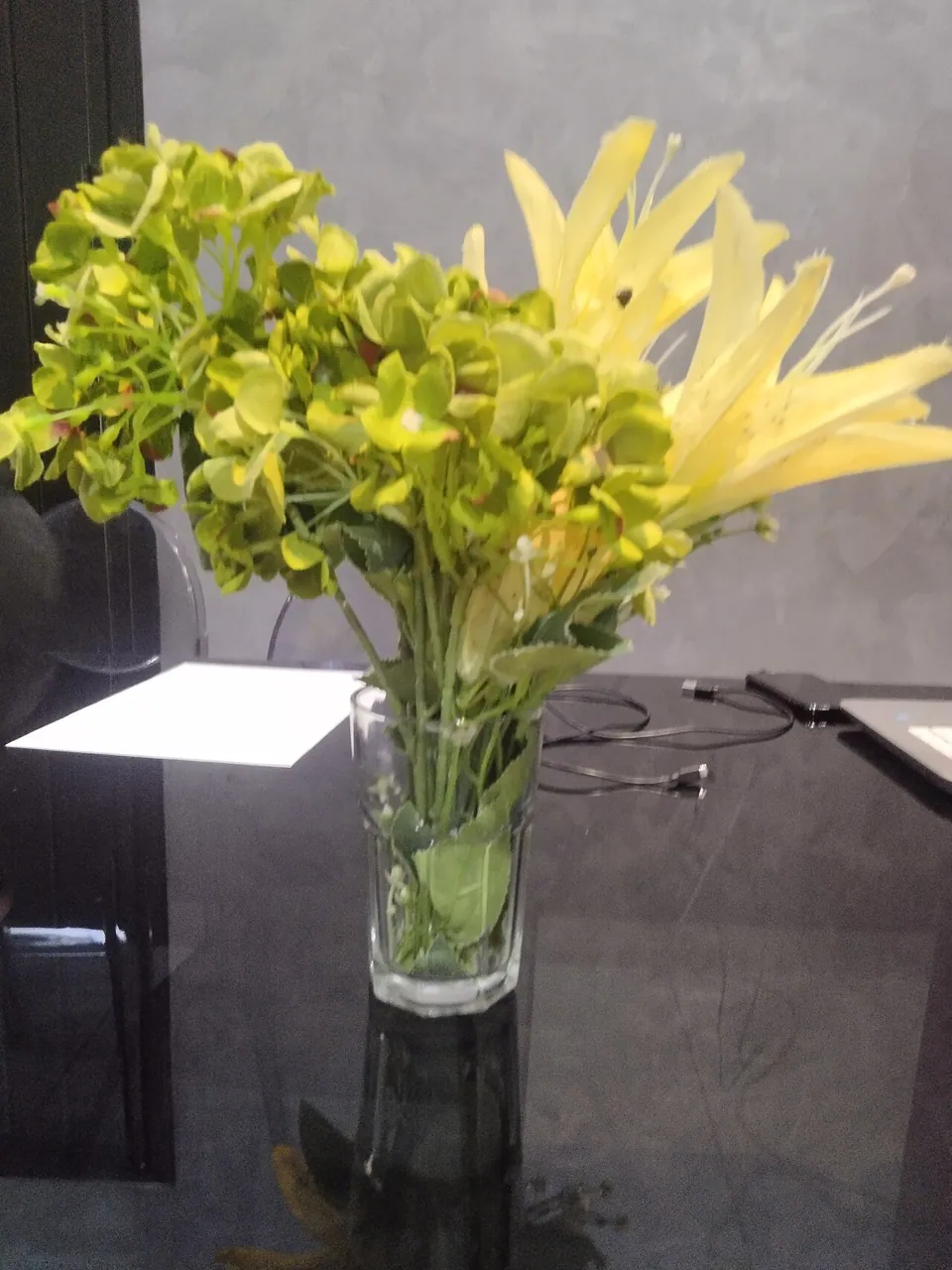
When the next bouquet arrives, remove foliage that would fall below the water line and use clean tools for trimming stems. Watch for fallen petals or leaves that slip into the jug after arranging. Refresh the water as needed and remove declining stems promptly. If the water quickly becomes cloudy, clean the vase again while the remaining flowers rest in a separate clean container. Keep a simple note of any vessel that is especially difficult to wash; a beautiful shape may work better for dried stems than for repeated fresh bouquets.
A little further reading
Match these general notes to your plant variety, climate and local conditions.