Choose the crop and the structure together
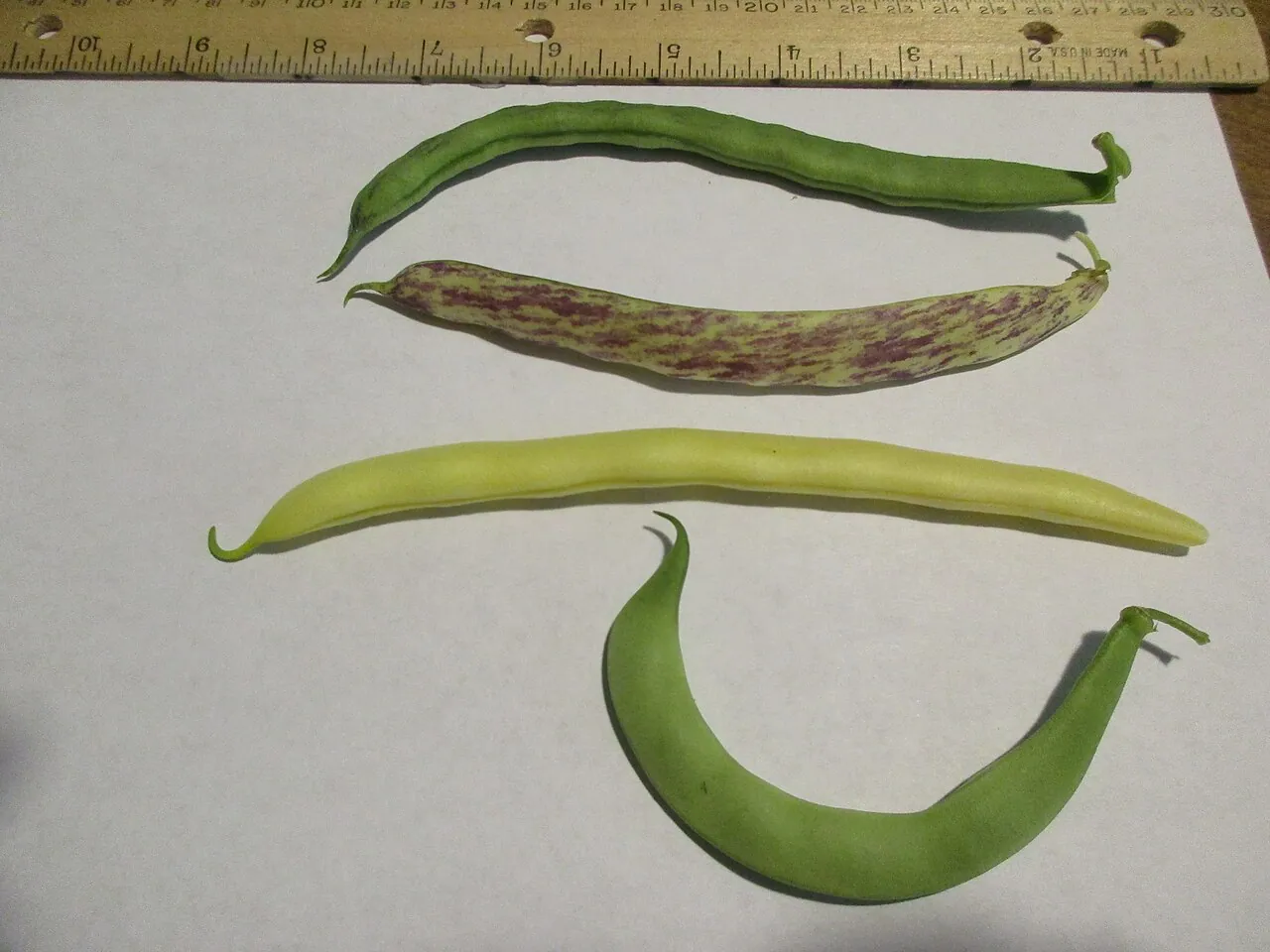
Runner beans and climbing French beans both use vertical space, but their varieties and growing needs are not identical. Keep the seed packet and note the expected height before deciding on a frame. A compact variety may suit a low support, while vigorous climbers can quickly exceed a decorative obelisk. Consider the wet weight of foliage and pods as well as the bare canes. A frame should remain serviceable at peak growth, when the plants obscure the connections you need to inspect.
Secure the footprint before sowing
Position supports where their bases can be firmly anchored and where the mature crop will not shade a smaller sun-loving planting. Check the frame for movement in several directions. Avoid relying on a shallow pot of loose mix to secure a very tall structure in an exposed place. Plan the path around it and the highest point you can harvest comfortably. If the top would require unsafe reaching, choose a different variety or a lower, appropriately supported arrangement before the plants begin climbing.
Guide young growth without strangling it
Young bean stems may need help finding their support. Lead them gently toward it and use loose ties only where necessary. Do not force stems sharply or bind them so tightly that later growth is constricted. Check after windy weather, when a shoot can be displaced before it has established its grip. Water at the roots as needed and watch the area beneath the canopy, where the soil can be drier than nearby exposed ground after a light shower.
Keep the harvest moving
Pick pods while they are at the tender stage appropriate to the variety, inspecting hidden sections as well as the outer face. Regular picking also makes it easier to notice loose ties, damaged stems and overcrowded growth. Leave a separately marked plant if you intend to save mature seed rather than accidentally abandoning pods throughout the crop. After clearing the frame, inspect each component before storing it. Record which parts bent or loosened under load so next season's structure improves before it is covered in leaves again.
A little further reading
Match these general notes to your plant variety, climate and local conditions.