Put a name beside the secateurs
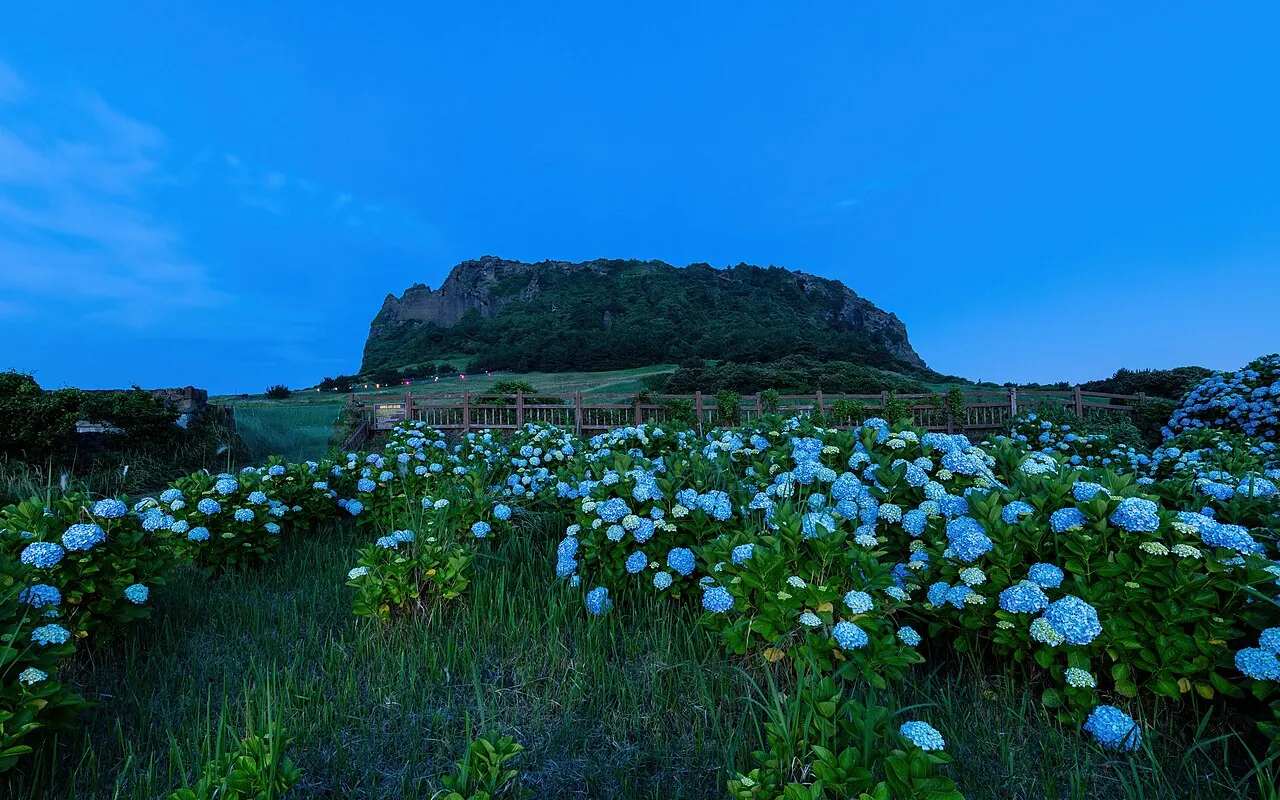
Common mophead and lacecap hydrangeas usually carry important flower buds on older growth, whereas Hydrangea paniculata and H. arborescens flower on the current season's shoots. Climbing hydrangeas have their own pruning approach. Some reblooming cultivars add further variation. Find the original label or identify the plant from reliable descriptions before following a generic instruction to cut everything back. If identification remains uncertain, photograph leaves, flowers and the whole framework and postpone major pruning until the habit is clearer.
Start with the least ambiguous cuts
Inspect for genuinely dead or damaged wood, then examine the buds on living stems. A bare stem in winter is not necessarily dead. On established mopheads, old flower heads can be removed in spring to a strong healthy pair of buds below, following local guidance. Work stem by stem so healthy growth is not lost in a hurried overall trim. Keep a few removed pieces beside the plant temporarily to check that the amount taken off matches your intention.
Make size reduction a separate decision
Reducing an oversized hydrangea is different from routine deadheading. With older-wood flowering types, a severe reduction can sacrifice flowers while new framework develops. Consider whether the plant is simply too large for its location before committing to annual hard cutting. For current-season flowering types, pruning can shape the framework and influence flower size, but harder is not automatically better. Match the approach to the species, desired height and the support its stems can provide in wind and rain.
Keep one season of evidence
After pruning, mark several representative stems loosely and note where new shoots and flowers emerge. A simple photograph at budbreak and another at bloom can be more revealing than a complicated diagram. Record winter damage and late frosts, since missing flowers are not always caused by the cut itself. If the plant blooms well, repeat the successful method rather than changing it because another hydrangea elsewhere receives different treatment. The plant's identity and observed response should guide the next year's work.
A little further reading
Match these general notes to your plant variety, climate and local conditions.