Watch the hovering habit
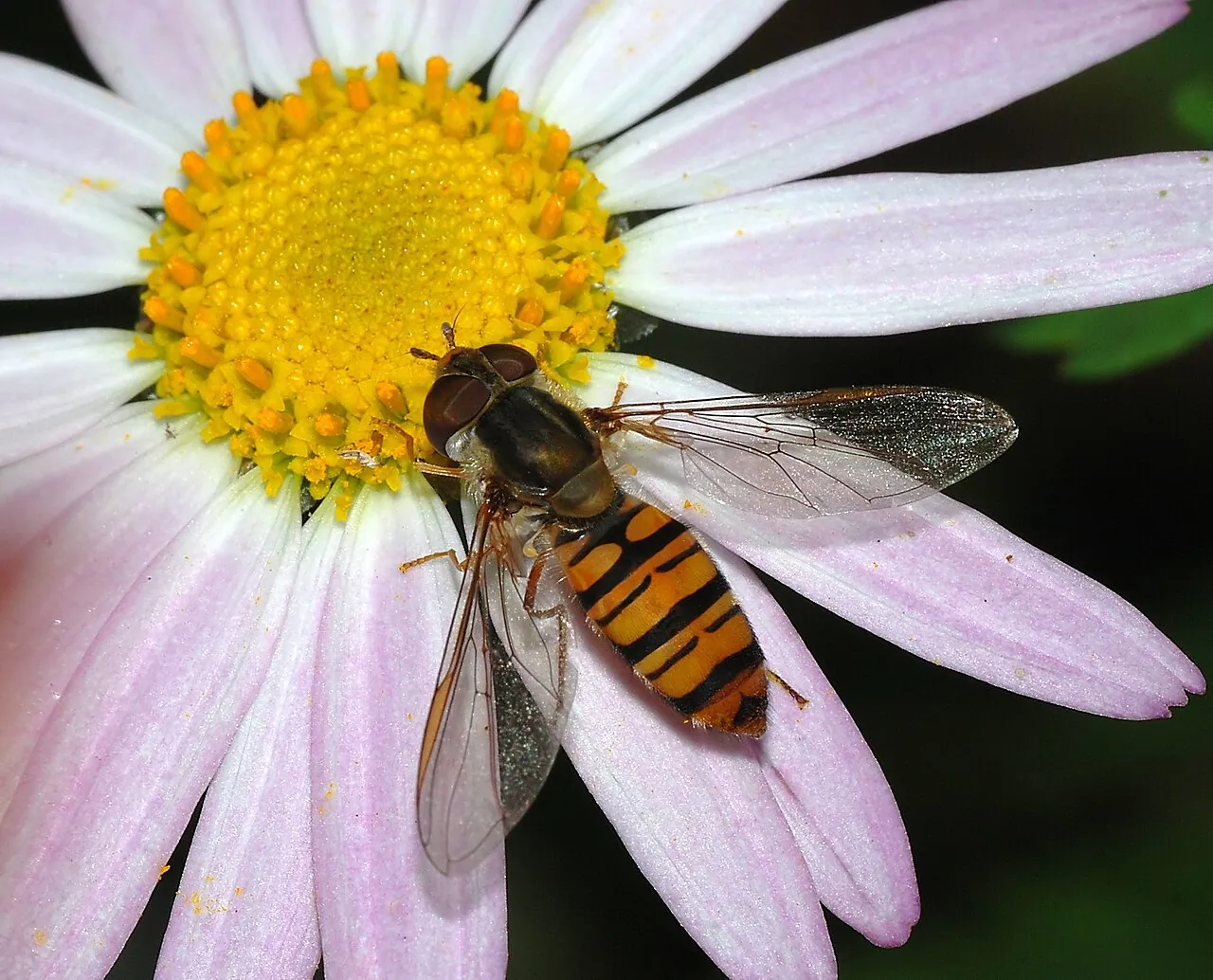
Spend a few minutes near flowering plants on a suitable calm day. Notice insects that hold position in the air, then move quickly to a bloom or another hovering point. Take photographs when they settle, using visible features and a reliable local guide for identification. Colour alone can be misleading because many insects share yellow-and-dark patterns. Keep uncertain records broad. A careful note saying 'possible hoverfly' is more useful than a precise species name selected from a superficially similar picture.
Offer accessible flowers over time
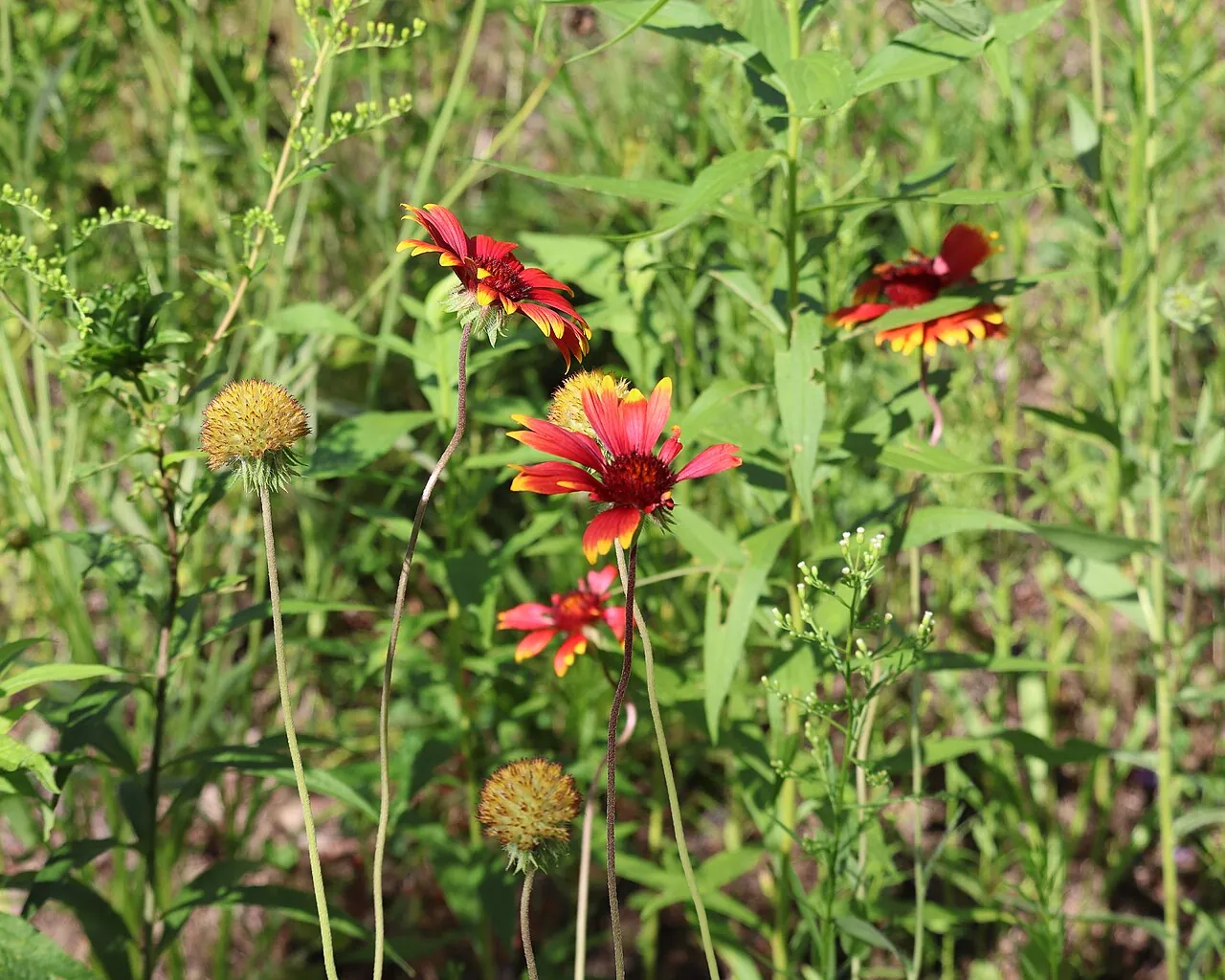
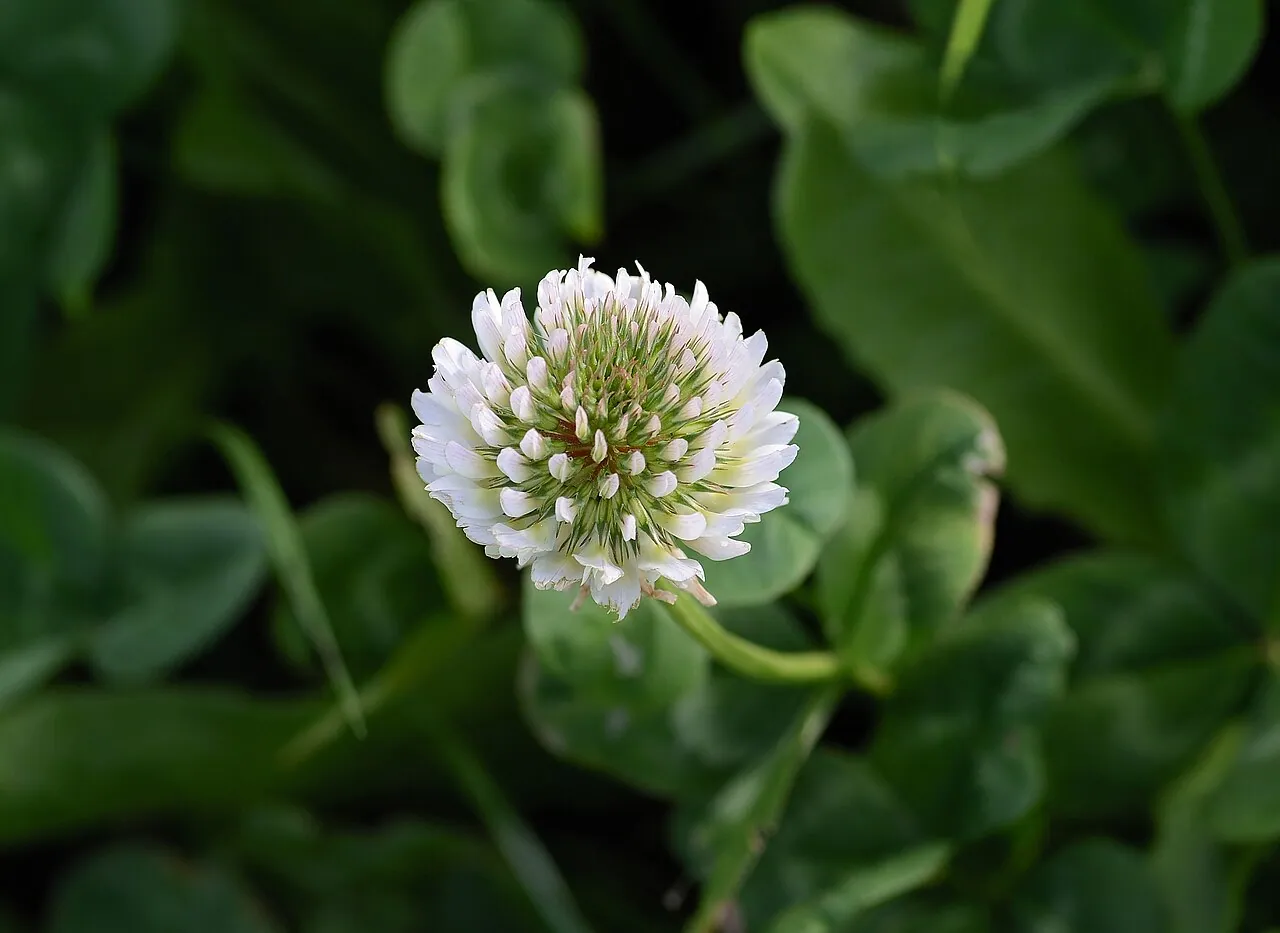
Choose locally appropriate flowers with structures that visiting hoverflies can use, and include a sequence rather than one brief mass of bloom. The plants must also suit the garden's light and moisture. Herbs allowed to flower can add interest in an edible area, but decide which plants you can spare from regular harvesting. Avoid crowding crops so much that access and airflow suffer. A few well-placed flowering plants can be observed and maintained more easily than a dense unplanned mixture.
Remember that larvae differ
Hoverflies are a diverse group, and their larvae do not all live or feed in the same way. Some are associated with aphid predation, while others use different organic habitats. Do not identify a larva solely because an adult hoverfly visited the plant. Consult a suitable guide before acting on an unfamiliar organism. Keeping some varied, undisturbed garden habitat alongside flowers can support a broader community than relying on a nectar planting as the only feature intended for wildlife.
Observe the vegetable patch as a whole
Record which flowers receive visits and whether the surrounding crops are growing well. Avoid claiming that a few hoverflies have solved every pest issue; the garden contains many interacting organisms and changing conditions. Continue normal inspection of crops and respond to verified problems proportionately. If a flowering strip works well, repeat its useful features next season, including timing and ease of access. The result can be a more varied edible garden that remains practical to harvest and care for.
A little further reading
Match these general notes to your plant variety, climate and local conditions.