Choose a view you can find again
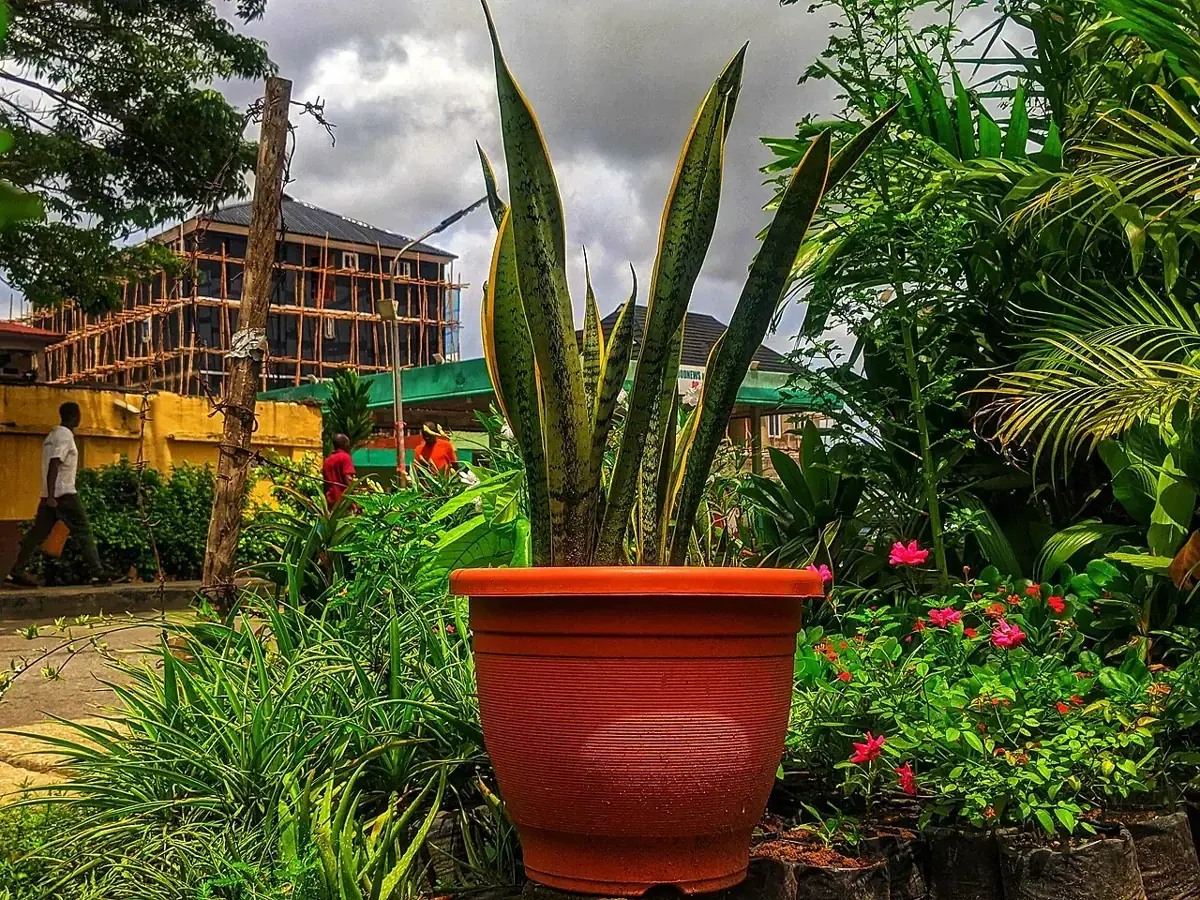
Pick a plant you can reach throughout its growing season. Stand where a fixed feature, such as a paving joint or fence post, helps you repeat the position. Take one photograph that includes the whole plant and a little of its surroundings. Save a second view only if a useful detail is otherwise hidden. The project becomes easier when you do not need to invent a composition each time, and a stable viewpoint makes changes in height and spread much more obvious.
Keep the comparison fair
Use the same camera lens or phone zoom setting when practical, and leave enough room around the plant for later growth. A cloudy day often makes details easier to compare than a mixture of deep shade and bright sunlight. Do not pull stems into a more attractive shape or remove neighbouring growth just for the record. If you prune, move the pot or turn it towards the window, note the change. Otherwise, a different silhouette may be mistaken for growth that never happened.
Photograph events as well as dates
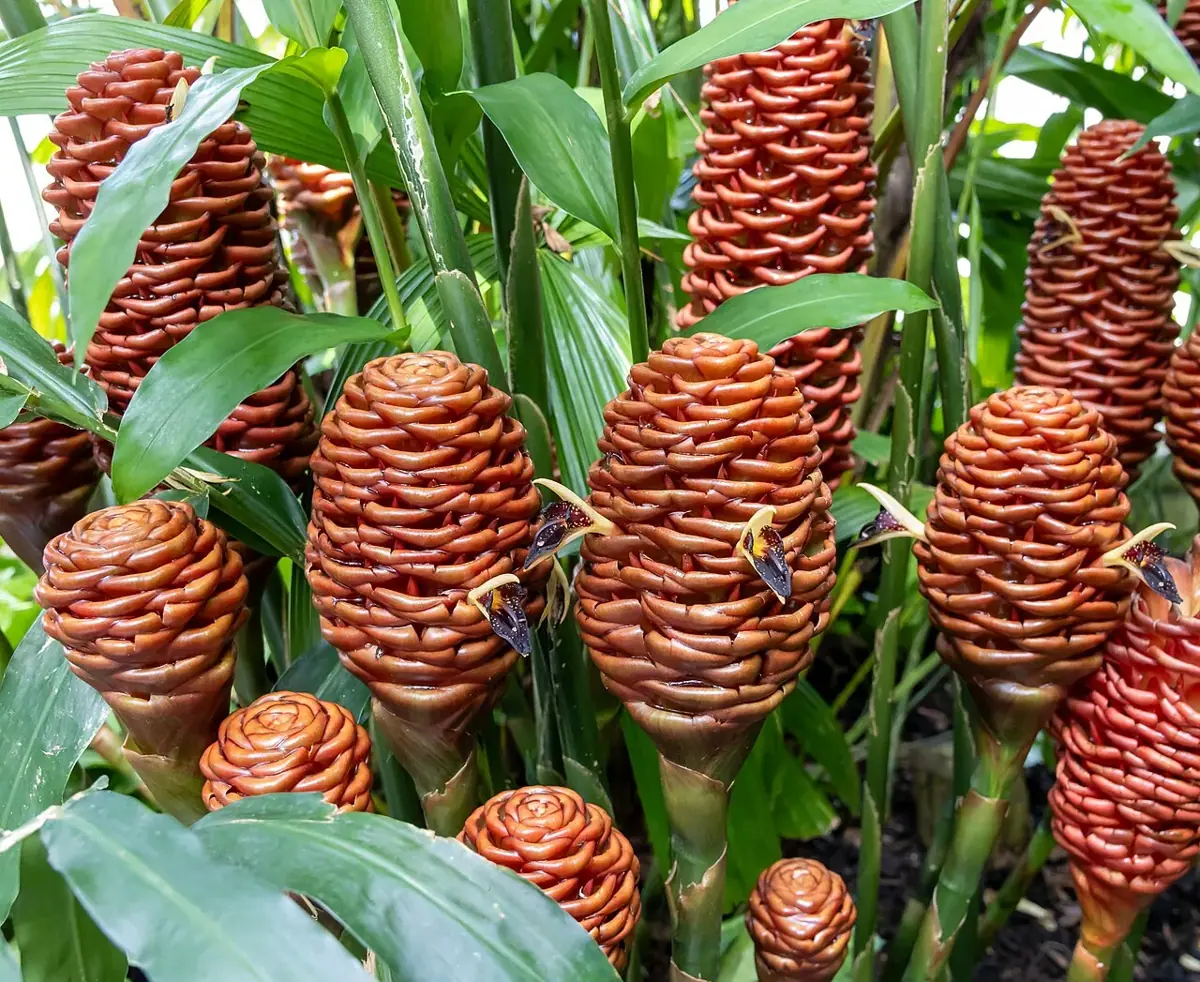
A regular reminder helps, but an event can be more informative than another scheduled picture. Capture the first visible bud, the beginning of flowering, a storm's effect, seed formation and the moment foliage starts to fade. Add a short caption with the date and what you noticed. Use a ruler in a detail photograph when size matters, while keeping the main image uncluttered. The resulting sequence can show both the attractive display and the less photogenic work that made it possible.
Make a small seasonal sequence
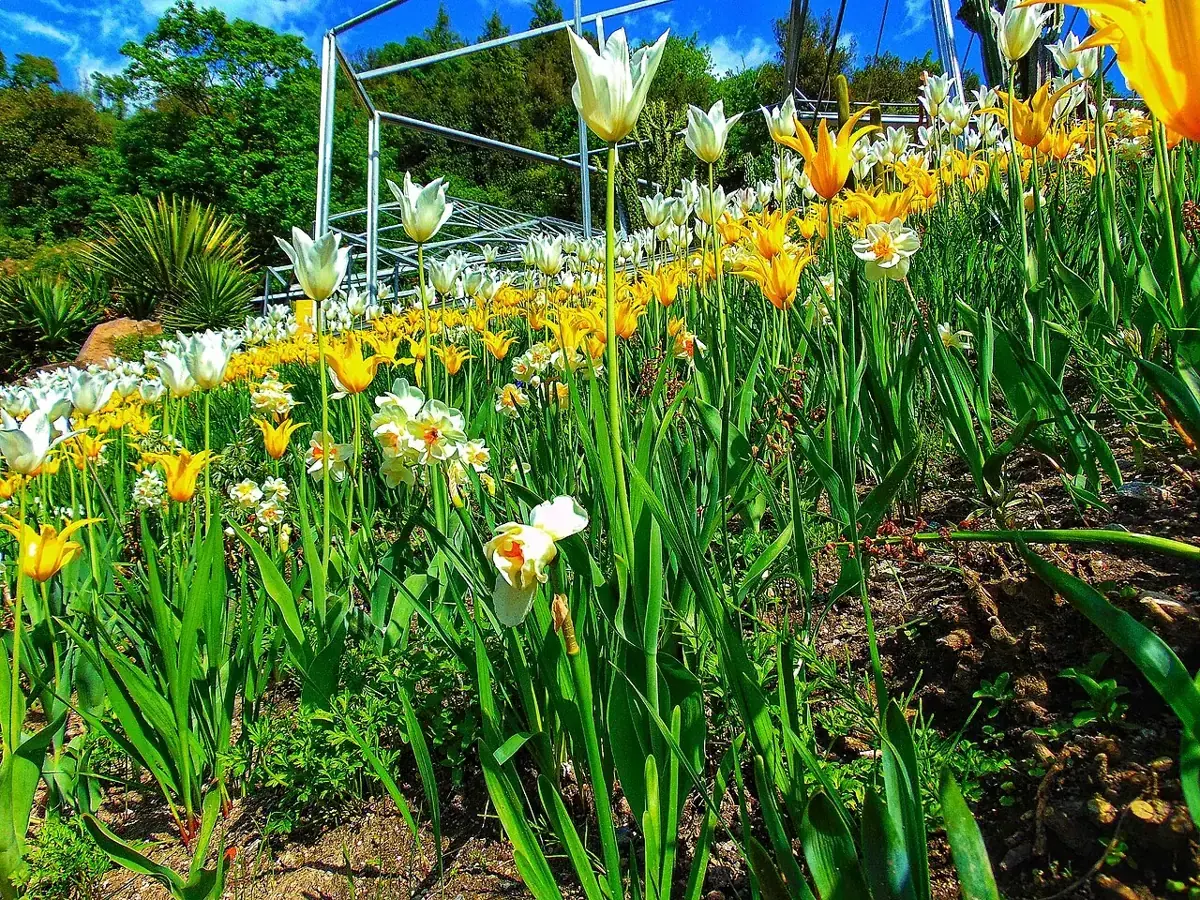
Create an album named for the plant and year, then select a manageable set of images rather than saving every near-identical shot as a favourite. Place early growth, peak display and late-season structure next to one another. Ask a practical question: did the plant cover the intended space, flower when a neighbouring plant did, or lean into a path? Keep the answer with the images. Your finished sequence can guide a planting decision without pretending to be a controlled scientific experiment.
A little further reading
Match these general notes to your plant variety, climate and local conditions.