Look at the actual silver
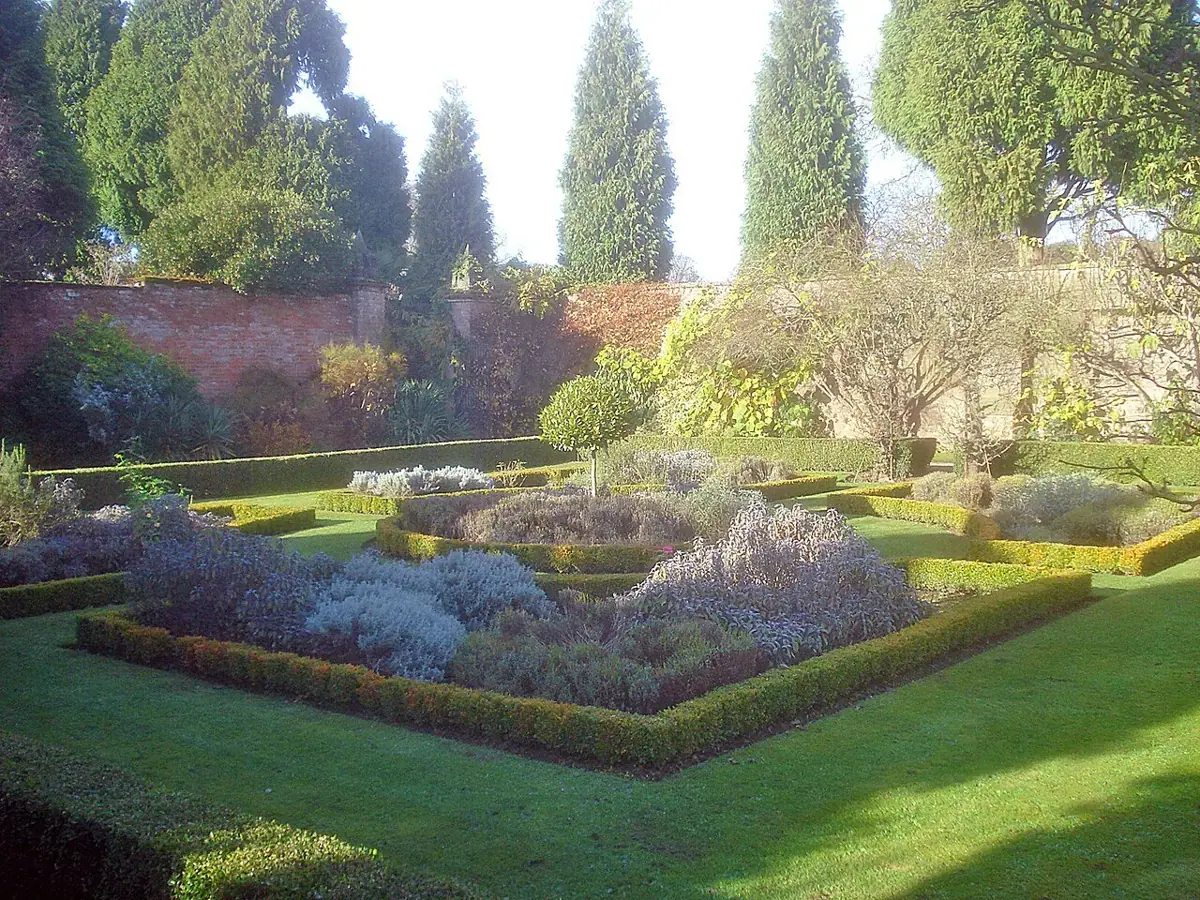
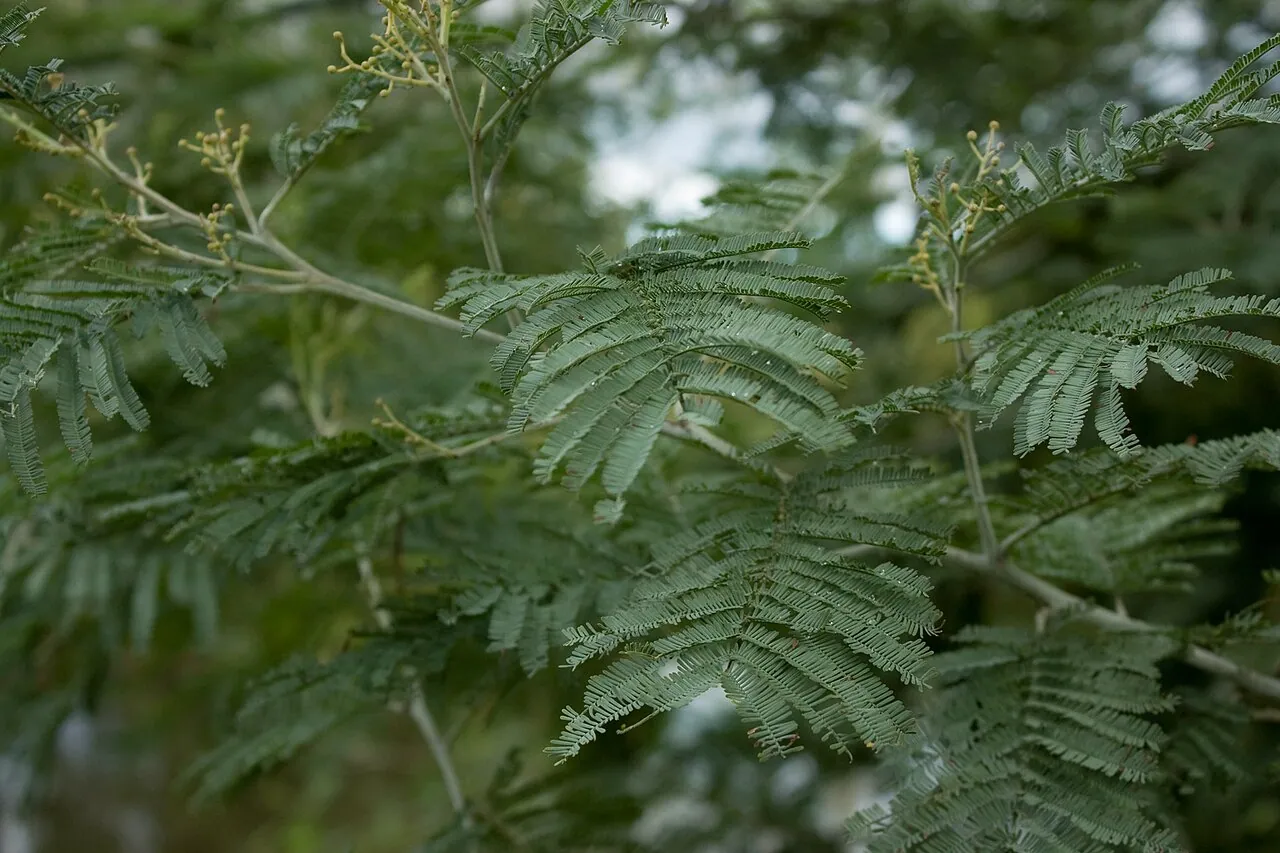
Silver foliage ranges from pale hairy leaves to smooth blue-grey surfaces and patterned leaves with green margins. Compare plants in the light where they will grow, because wet weather and shade can change their appearance. Take a close photograph and another from the normal viewing distance. The second shows whether the silver reads as a clear shape or merely a pale blur. Choose the effect you want before collecting several unrelated plants that happen to share the same description on a label.
Match the plant to its conditions
Many familiar silver-leaved plants enjoy sun and free drainage, but silver colour alone does not establish a universal care requirement. Read the species or cultivar information and distinguish dry-site plants from patterned shade plants. Place them according to those needs before refining the visual arrangement. A struggling silver plant rarely provides the intended calm connection between colours. Check mature spread as well, because some apparently modest perennials can become vigorous neighbours once they are comfortable.
Repeat a little, with changing texture
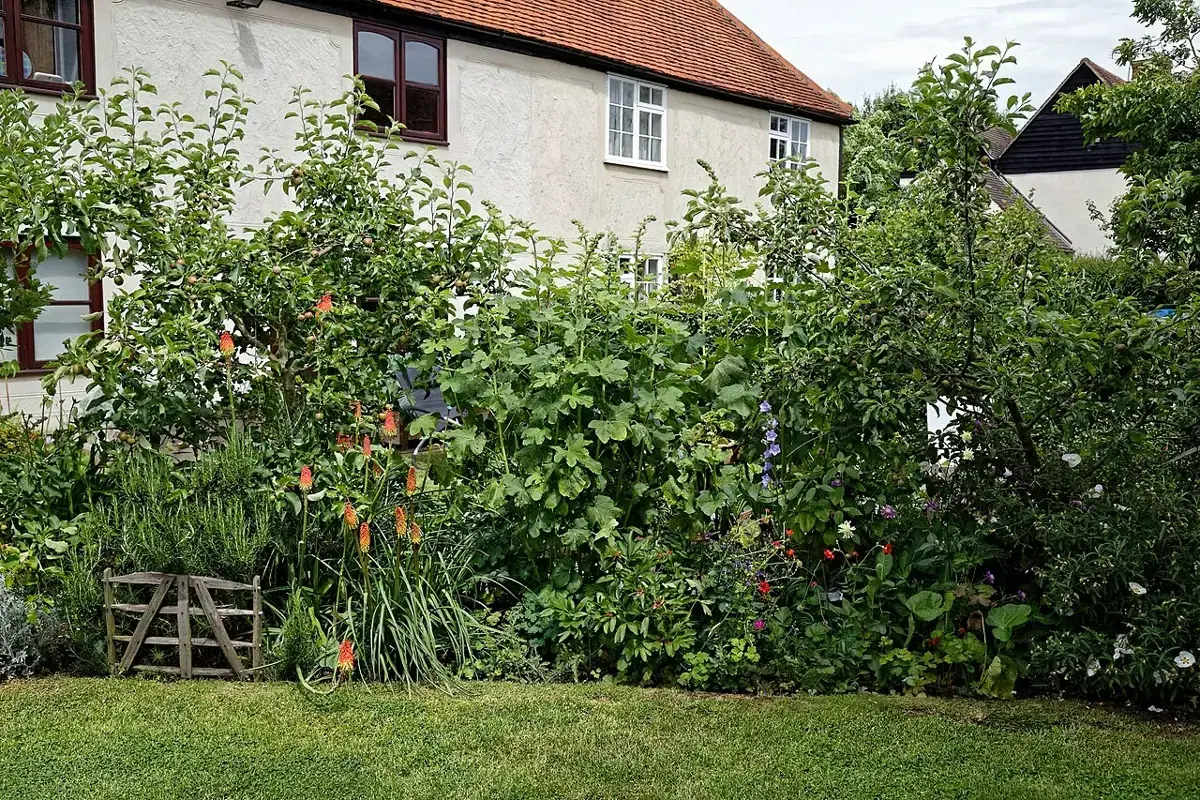
Use one or two silver elements to connect separate flower groups rather than filling every gap with pale foliage. Contrast broad leaves with finer or more upright forms where the plants are compatible. Leave green foliage around them so the difference remains visible. Try moving nursery pots between possible positions and photograph each arrangement. A small repeated silver note may be enough to link a warm flower colour with a cooler one without making the border look uniformly grey.
Maintain the feature you selected
If foliage is the main reason for growing a plant, learn the pruning or renewal method appropriate to that species. Do not copy a single trimming rule across all silver plants. Some need regular shaping, while others are best left to form their natural outline. Remove damaged growth selectively and observe whether shade or crowding is reducing the effect. At the end of the season, compare the original placement photograph with the mature border. Retain the silver plants that improve the whole composition, rather than those that were attractive only in isolation.
A little further reading
Match these general notes to your plant variety, climate and local conditions.