Read the standing shapes
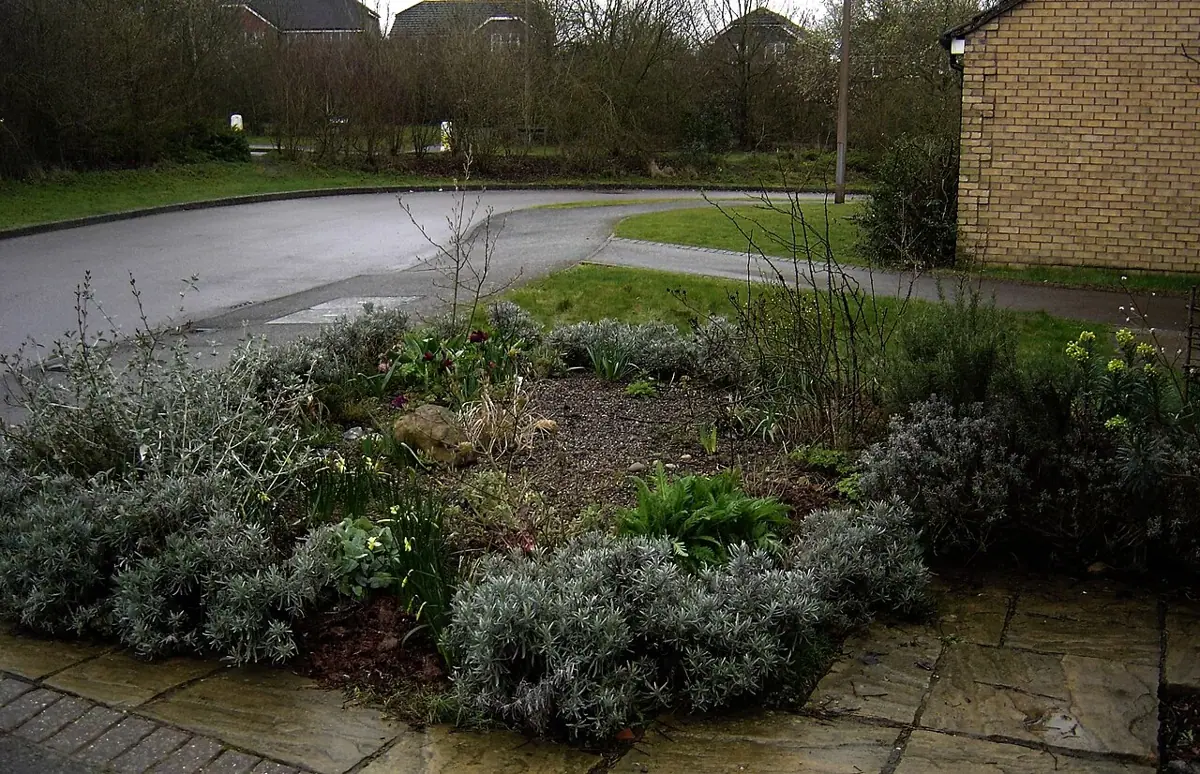
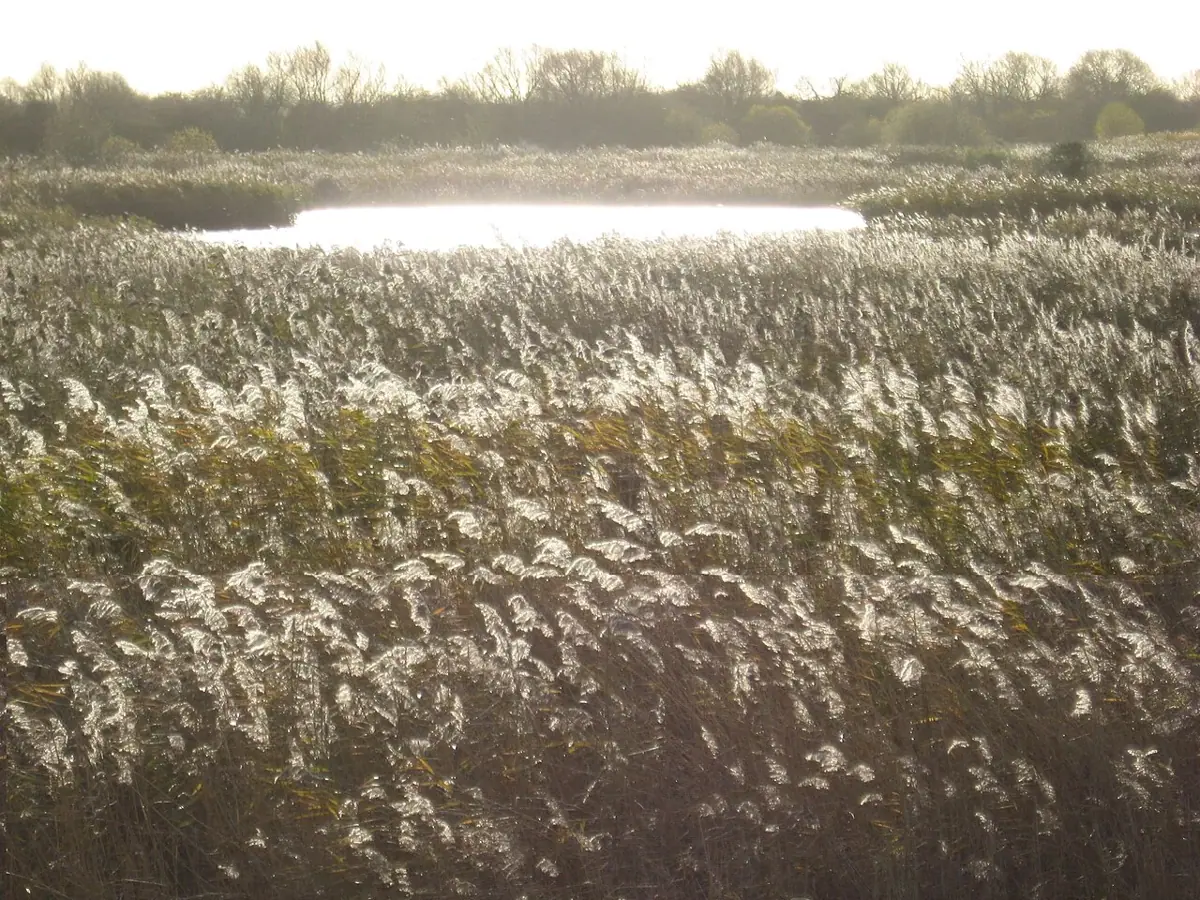
Walk around the border from the places where you usually see it. Notice seedheads, grasses and stems that still contribute an outline. Some remain attractive through winter, while others collapse into paths or cover neighbouring crowns. Make the decision plant by plant. Photograph the border before cutting so you can remember what was worth keeping. A winter structure does not have to resemble its summer display to be useful; its lines and silhouettes offer a different kind of interest.
Keep habitat and access together
Standing stems and seedheads can provide resources for wildlife, but the garden still needs safe paths and workable maintenance routes. Retain undisturbed patches where they will not snag clothing or obstruct a gate. Avoid routinely shredding all hollow stems or removing every seedhead on the same afternoon. If a task reveals active wildlife, pause and assess what is occupying the space. A planned retained area is easier to maintain than an accidental pile that must later be moved in a hurry.
Separate disease concerns from tidiness
Material with a confirmed plant-health problem may need different handling from healthy seasonal dieback. Identify the issue before deciding how to remove or dispose of it. Do not assume every brown stem is diseased; many plants naturally lose their above-ground growth. Conversely, leaving everything without inspection is not a substitute for care. Keep notes about plants that repeatedly develop problems, and use reliable species-specific advice rather than applying one autumn clearance rule across the whole border.
Set a flexible return date
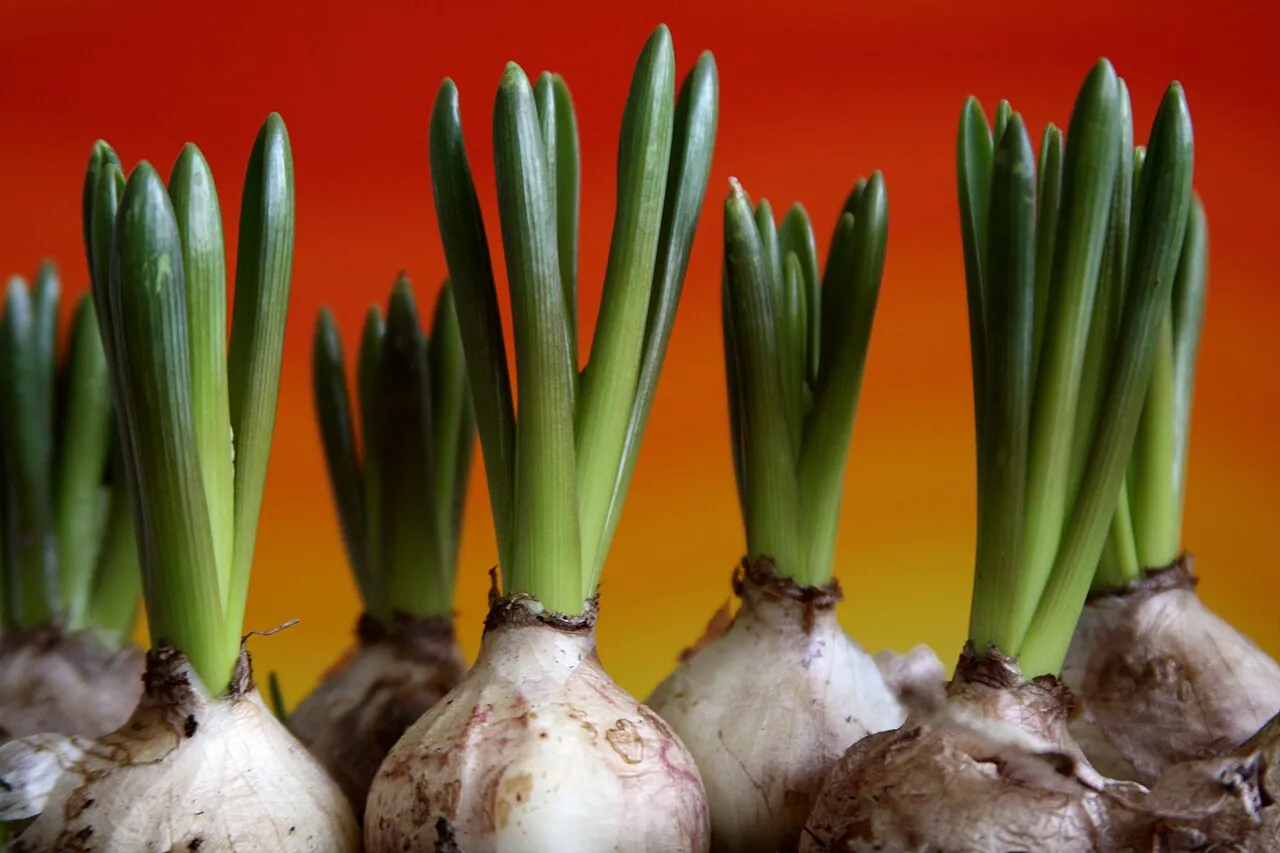
Plan to revisit retained growth before it obstructs new shoots, while taking account of weather and wildlife. Mark the task in your notebook as an inspection rather than a rigid cutting appointment. Keep labels visible and take care around emerging bulbs when the time comes. After a winter of observation, note which plants held their shape and which needed a different arrangement. This creates a more intentional winter garden without demanding that every corner be either completely cleared or permanently untouched.
A little further reading
Match these general notes to your plant variety, climate and local conditions.